Introduction
Lithium Iron Phosphate (LiFePO4) batteries have emerged as the gold standard for energy storage across industries, from residential solar systems to electric vehicles, RVs, marine applications, and industrial backup power. Their superior thermal stability, extended cycle life, and cobalt-free chemistry set them apart from other lithium-ion variants. The global lithium iron phosphate battery market was valued at USD 19.72 billion in 2025 and is projected to grow to USD 32.92 billion by 2032 at a CAGR of 7.59%, reflecting the technology‘s accelerating adoption. However, even the most robust battery chemistry will degrade over time without proper care. This comprehensive guide draws on the latest research and field data to help you maximize every cycle and decade your LiFePO4 battery pack can deliver.
Why LiFePO4 Batteries Deserve Special Maintenance Attention
LiFePO4 batteries face several degradation mechanisms that proper maintenance can mitigate. The electrolyte-electrode interphase (EEI) film and iron dissolution from the cathode are important incentives for accelerated aging in LFP batteries; their interaction significantly impacts cycle life, capacity fading, and safety performance. Over extended cycling, LFP/graphite batteries suffer from capacity fading, impedance growth, metal dissolution, and material degradation.
A real-world study of LFP cells aged in a hybrid-bus application for up to eight years revealed significant heterogeneity in residual capacity, ranging from 80% down to 55% relative to beginning-of-life performance, suggesting uneven cooling effectiveness as a primary cause. Electrolyte degradation—generating a passivation and precipitation layer on the negative electrode surface—was identified as the dominant degradation mechanism.
Research also demonstrates that high-state-of-charge (SOC) calendar aging induces side reactions at the electrode interface and promotes uneven SEI formation on the anode. Batteries stored at high SOC exhibited more severe capacity degradation and mechanical deterioration, whereas those stored at low SOC maintained better electrochemical reversibility and mechanical stability. These findings underscore why proactive maintenance is not optional but essential.
Table 1: Core LiFePO4 Battery Specifications and Operating Limits
| Tham số | Giá trị | Ghi chú |
|---|---|---|
| Điện áp danh định của tế bào | 3.2 V – 3.3 V | Không áp dụng |
| Full charge voltage (CV target) | 3.60 V – 3.65 V per cell | BMS recommended setpoint: 3.60–3.65 V |
| Discharge cutoff voltage | 2.50 V per cell (absolute); 2.80–3.00 V (BMS setpoint) | 2.8–3.0 V recommended for lifespan |
| Recommended operating temperature | 15°C – 35°C (59°F – 95°F) | Optimal for cycle life |
| Safe discharge temperature range | –20°C to 60°C (–4°F to 140°F) | Reduces capacity temporarily in cold |
| Safe charging temperature range | 0°C to 45°C (32°F – 113°F) | Charging below 0°C risks lithium plating |
| Continuous discharge current | ≤ BMS rated continuous current | Do not exceed specification |
| Nhiệt độ bảo quản | 10°C – 25°C (50°F – 77°F) | Avoid fluctuations |
| Storage SOC | 50% – 70% (3.2 V – 3.4 V per cell) | Minimizes degradation |
| Monthly self-discharge | 1% – 3% | Minimal versus lead-acid |
Sources: Battery management system specifications; industry operating guidelines
I. The Science of LiFePO4 Degradation: From Lab Bench to Real World
Calendar Aging vs. Cycle Aging
Calendar aging occurs even when the battery sits idle—a factor many users overlook. A 2026 study investigated how pre-storage conditions significantly affect cycling stability. Batteries stored at 100% SOC for 100 days at 45°C showed substantially worse capacity retention upon subsequent cycling than those stored at 50% SOC under identical conditions. Performance degradation is not solely attributed to long-term cycling but is also significantly influenced by prior storage conditions.
For real-world context: a 2023 National Renewable Energy Laboratory study showed LiFePO4 batteries lose 12% capacity per month when stored at 60°C versus just 1.2% at 25°C. Every 10°C above 30°C doubles aging rates—a pack operating at 45°C lasts only 1,200 cycles versus 3,500 cycles at 25°C.
Iron Dissolution and Interfacial Degradation
Iron dissolution from the cathode during long cycles significantly accelerates the aging process of LFP/graphite batteries. The interaction between dissolved Fe²⁺ and the EEI in LFP/graphite pouch batteries is now verified as a key degradation pathway. The SEI consists of a mixture of organic and inorganic molecules forming a continuous and uniform film on the electrode surface—and its integrity is critical to long-term performance.
For everyday users, these mechanisms translate into a simple reality: Temperature control is the single most powerful lever you can pull to extend battery life.
Second-Life Applications and C-Rate Sensitivity
Retired electric vehicle batteries typically retain 70–80% state of health (SoH), making them suitable for repurposing in stationary energy storage until approximately 60% SoH. C-rate is a critical factor governing second-life battery degradation. Lower operating rates significantly extend cycle life, while high rates shift aging mechanisms from surface-related processes to structural damage. Cells cycled at 2C reach 60% SoH within approximately 500–600 cycles, whereas low-rate cycling (0.5C/0.5C) extends lifetime to around 2,000 cycles. High-rate cycling leads to particle cracking and loss of active material contact, while low-rate scenarios preserve particle integrity and maintain a stable conductive network.
II. Depth of Discharge (DoD): The Most Powerful Lifespan Lever
DoD directly impacts electrochemical stability. When discharged beyond 80%, the lithium-iron-phosphate cathode experiences increased mechanical stress, leading to microscopic cracks that reduce ion mobility.
Real-World DoD Data
A 2022 Renewable Energy Storage Association study found LiFePO4 batteries cycled at 50% DoD retained 92% capacity after 4,000 cycles, compared to 78% at 90% DoD. Reducing DoD from 80% to 50% nearly doubles cycle life. Manufacturers now frequently guarantee 4,000 cycles or 10 years, whichever comes first.
DoD Strategy: Throughput vs. Cycle Count
Shallower cycling often increases lifetime throughput despite lower daily usable energy. Optimizing only cycle count instead of cost per delivered kWh is a common mistake. For applications like solar storage, 80% DoD is widely considered the sweet spot for LFP—excellent cycle life with approximately 80% usable capacity.
Table 2: Depth of Discharge vs. Cycle Life (Typical LiFePO4 Data)
| DoD Level | Estimated Cycles | Total Energy Throughput (MWh per kWh of capacity) | Daily Cycling Lifespan (Years @ 1 cycle/day) | Capacity Retention After 3 Years |
|---|---|---|---|---|
| 20% | 20,000+ | 4,000+ | 54+ years | 95% |
| 50% | 7,000–10,000 | 3,500–4,500 | 19–27 years | 88% |
| 80% | 4,000–6,000 | 3,200–4,800 | 10–15 năm | 82% |
| 90% | 2,500–4,000 | 2,250–3,600 | 7–10 năm | 78% |
| 100% | 1,500–2,500 | 1,500–2,500 | 4–6 years | 75% |
Data compiled from industry sources including TURSAN DoD Calculator and independent lab studies
How to Implement DoD Control
- Set inverter/charge controller thresholds to stop discharge before exceeding desired DoD
- Program BMS to trigger alerts or automatically disconnect loads at user-defined DoD thresholds
- Pair with solar charging for partial discharges followed by immediate recharging—a pattern proven to minimize degradation
- If you need 8 kWh daily but have a 10 kWh battery, you‘re cycling at 80% DoD; consider upsizing to 12–15 kWh to operate at 50–70% DoD for maximum lifespan
III. Temperature Management: The Silent Lifespan Killer
Heat is LiFePO₄’s silent enemy. Every 10°C above 40°C causes lithium batteries to lose 20% additional capacity. High temperature accelerates chemical reactions, causing capacity loss and reduced cycle life. Prolonged exposure above 50°C (122°F) risks thermal runaway, though LiFePO4 chemistry inherently prevents thermal runaway when operated within safe limits, operating safely at 60°C+ without fire risks.
Cold Weather Considerations
Cold temperatures below 0°C (32°F) increase internal resistance, limiting charge acceptance and causing voltage drops. Charging below freezing causes lithium plating—metallic lithium deposits form on anode surfaces during charging, permanently reducing capacity by up to 30% per season. LiFePO₄ batteries can safely discharge down to –20°C, but never attempt charging below 0°C without built-in heating systems.
Thermal Management Solutions
| Cooling Method | Chi phí trên mỗi kWh | Hiệu quả |
|---|---|---|
| Passive (Fins / Air-cooled) | $10–20 | 30–50% |
| Active (Fans / Forced-air) | $20–40 | 50–70% |
| Liquid Cooling | $50–80 | 70–90% |
Source: Industry BMS and thermal management specifications
For DIY systems: maintain 2–3 air changes per hour with forced-air cooling, deploy NTC temperature sensors every six cells with 0.5°C accuracy, and insulate outdoor cabinets with aerogel blankets when temperatures drop below –10°C.
For seasonal storage: maintain 30–60% charge in climate-controlled environments (10°C to 25°C / 50°F to 77°F). Vacuum-sealed insulation bags with moisture barriers, placed on wooden pallets to prevent ground temperature transfer, help maintain stable conditions.
IV. The Battery Management System (BMS): Your Battery’s Brain
A BMS is not a safety accessory—it is the foundational protection layer without which the pack cannot safely operate. Skip it, and a single overcharge event can permanently damage your cells. Select the wrong one, and you’ll face months of phantom cutoffs, unresolved imbalance, and shortened pack life.
Critical BMS Functions
- Cell-level protection: The BMS monitors every cell in real time and interrupts the circuit when any parameter exceeds safe operating limits
- Cell balancing: Over hundreds of cycles, individual cells drift apart. Without correction, the cell with the lowest capacity determines the entire pack‘s usable energy
- State monitoring: Individual cell voltages, SOC, SOH, current, temperature, cycle count, and fault history
Critical BMS Thresholds
| Tham số | Absolute Limit | Recommended BMS Setpoint |
|---|---|---|
| Cell overvoltage (charge cutoff) | 3.65 V | 3.60–3.65 V |
| Cell undervoltage (discharge cutoff) | 2.50 V | 2.80–3.00 V |
| Cell over-temperature | 60°C | 45–55°C |
| Charge temperature (lower limit) | 0°C | +5°C (conservative) |
Source: DALY BMS technical specifications 2026
Balancing: Passive vs. Active
LiFePO₄ cells naturally diverge by 10–30 mV over 100 cycles.
| Balancing Type | Hiệu quả năng lượng | Cost per Rack |
|---|---|---|
| Passive (dissipates excess as heat) | 60–70% | 120–200 |
| Active (transfers energy between cells) | 85–95% | 400–800 |
Source: Rack battery system specifications
Key BMS configuration tips:
- Set balancing thresholds at 3.45 V ± 0.02 V during the CV phase
- Disable “float charging“ in BMS settings—LiFePO₄ degrades above 3.4 V/cell in standby
- Balance cells before storage using a balancing charger, aligning voltages within 0.05 V
- Always specify a BMS explicitly configured for LFP/LiFePO₄ chemistry due to the exceptionally flat discharge curve of LFP cells
V. Charging Practices: Getting It Right Every Time
LiFePO₄ batteries use a constant current/constant voltage (CC/CV) charging profile.
Proper CC/CV Charging Profile (Per Cell)
| Giai đoạn | Condition | Hành động |
|---|---|---|
| Pre-charge | V < 2.5 V | Charge at 0.1C until 2.5 V |
| CC Phase | 2.5 V – 3.6 V | Constant current up to rated C |
| CV Phase | 3.60 V – 3.65 V | Hold voltage; current tapers |
| Termination | Current drops to 0.05C | Charge complete |
Source: LiFePO₄ multi-chemistry charger specifications
Charging Best Practices
- Use a LiFePO₄-specific charger with correct CC/CV profile
- Maintaining 20–80% SOC for daily use reduces stress on lithium chemistry
- Avoid sustained maximum charge currents—while short peaks are fine, constant 1C charging can shorten lifespan by 10–15%
- Never charge below 0°C without thermal management
- Do not equalize LiFePO₄ batteries (unnecessary and potentially harmful)
- For solar systems, MPPT controllers with lithium charge profiles are strongly recommended
LiFePO₄ vs. Lead-Acid: Charging Efficiency Matters
LiFePO₄’s 99% charging efficiency versus lead-acid’s 85% means lithium users recover 14% more energy daily from solar input. For a 5 kWh daily solar harvest, that’s an extra 700 Wh per day—more than enough to power an RV refrigerator overnight.
VI. Long-Term Storage Protocols
Storage conditions are perhaps the most neglected aspect of LiFePO₄ maintenance, yet research shows they have profound impact. Batteries stored at high SOC exhibited more severe capacity degradation and mechanical deterioration, while those stored at low SOC maintained better electrochemical reversibility and mechanical stability.
Long-Term Storage Checklist
- Store at 50–70% SOC (3.2 V – 3.4 V per cell)
- Maintain storage temperature between 10°C and 25°C (50°F – 77°F)
- Store in a dry, moisture-proof container—avoid concrete floors, which cause temperature differentials
- Check voltage every 3–6 months; recharge to 50% if below 40% SOC
- Disconnect all loads to prevent parasitic drain
- Balance cells before storage, aligning voltages within 0.05 V
Critical Storage Warning
Storing LiFePO₄ batteries fully charged is not safe for long-term preservation. One hundred percent charge accelerates cathode oxidation. Store at 50% to minimize degradation. At 35°C, LiFePO₄ batteries lose 15–20% more capacity annually compared to storage at 20°C. Deviations as small as 5°C can halve lifespan. Neglecting cell balancing or voltage checks risks permanent damage, and manufacturers have denied warranty claims for batteries stored at 100% charge—even briefly.
Winter Storage Considerations
If temperatures are expected to drop below –10°F where batteries are being stored, remove them and store them in a warmer location. Use a battery guardian to protect batteries by disconnecting them from parasitic loads once they reach 11.5 V. Install battery heaters maintaining 15–25°C core temperature during charging—a 20°C battery accepts 1C charging versus only 0.2C at –10°C.
VII. Cell Balancing: Why Neglect Is Not an Option
Imbalanced cells cause premature failure through uneven charge distribution. Use a BMS with active balancing. Manual balancing every 6–12 months using a cell balancer extends pack life by 20–40%.
Symptoms of imbalance include reduced capacity and voltage fluctuations during charging. Cell drift occurs naturally due to minor capacity variations between cells—a 0.1 V difference can lead to 15% capacity loss in six months. For manual balancing, bring all cells within 0.01 V before full charging. Balance whenever cell voltages diverge by more than 0.05 V at 50% SOC.
The High Cost of Imbalance
A 5 mV mismatch in 100-cell racks creates 0.5 V system variance—enough to trigger premature shutdowns. When individual cells are at different SOC levels, the weakest cell reaches its upper voltage limit before the rest of the battery has fully charged, forcing the BMS to terminate the cycle early. Testing shows unbalanced 4S configurations fail three times faster than properly maintained units.
VIII. Signs of Degradation: What to Watch For
- Autonomy noticeably shortened—your battery doesn‘t last as long between charges
- Inverter shows 100% SOC but battery drains quickly under load—an early warning of capacity loss
- BMS disconnects more frequently trong quá trình vận hành bình thường
- Cell voltage spread increased—monitor via BMS app or Bluetooth
- Voltage drops rapidly under even moderate load—check for cell imbalance or degraded capacity
Replace cells or the pack if capacity falls below 80% of the original rating. LiFePO₄ degradation is irreversible but slow and predictable. After rated cycles (typically 4,000–6,000 at 80% DoD), capacity gradually decreases to 70–80% of original, and the battery keeps working with less storage.
IX. Routine Maintenance Schedule
| Tần số | Maintenance Task |
|---|---|
| Monthly | Clean terminals with anti-corrosion gel; check voltage; verify BMS readings |
| Every 3 months | Test voltage during storage; recharge to 50% if below 40% SOC |
| Every 6 months | Check cell balance via BMS app or Bluetooth module; torque check copper lugs |
| Annually | Perform capacity test; run balancing cycle; inspect all connections; recalibrate SOC via full discharge/charge cycle |
Source: Compiled from industry maintenance guidelines and BMS best practices
LiFePO₄ maintenance time is reduced by 90% compared to lead-acid systems. Annual capacity testing is the most involved task, taking approximately 30–60 minutes.
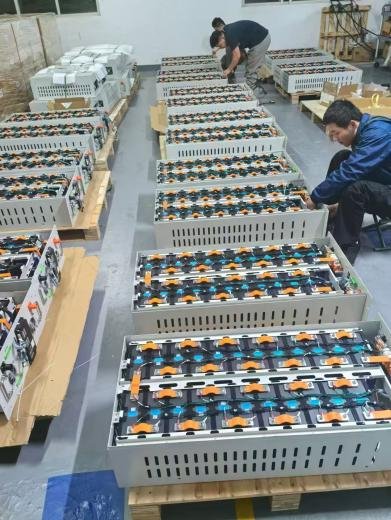
X. Economic Case for Proper LiFePO₄ Maintenance
A well-maintained LiFePO₄ battery lasts 10–15 years with daily cycling, delivering 4,000–6,000 full cycles at 80% DoD. Premium models under ideal conditions can last up to 20 years. Lead-acid batteries, by contrast, deliver only 2–3 years of service before replacement.
Total Cost of Ownership Comparison (10-Year Horizon)
| Cost Factor | LiFePO₄ (Properly Maintained) | Chì-axit |
|---|---|---|
| Battery purchases | $1,500 | $1,200 (3–4 replacements) |
| Bảo trì | $50 | $400 |
| Energy waste (inefficiency) | $150 | $900 |
| Tổng cộng | $1,700 | $2,500 |
Data source: Redway Power RV battery cost analysis 2025
LiFePO₄ batteries deliver electricity at 0.08–0.08–0.12 per kWh over their lifespan compared to lead-acid‘s 0.35–0.50. Even with upfront costs 2–3 times higher than lead-acid, proper maintenance reduces total ownership costs by 30–50% over the battery’s lifetime.
Table 3: LiFePO₄ vs. Lead-Acid – Full Comparative Analysis
| Tham số | LiFePO₄ (Properly Maintained) | Lead-Acid (AGM/Flooded) |
|---|---|---|
| Initial cost (100 Ah equivalent) | 800–2,500 | 100–500 |
| Typical lifespan | 10–15 năm | 2–5 years |
| Tuổi thọ | 3.000–6.000+ chu kỳ | 300–1,500 cycles |
| Usable capacity | 95–100% | 50–60% |
| Weight (100 Ah equivalent) | 10–15 kg | 20–30 kg |
| Charging efficiency | 98–99% | 80–85% |
| Maintenance required | Minimal (annual check) | Regular (water, equalization) |
| Self-discharge (monthly) | 1–3% | 5–15% |
| Phạm vi nhiệt độ hoạt động | –20°C to 60°C | –10°C to 50°C |
| Cold weather charging | Requires heating below 0°C | Possible but reduced capacity |
| Recyclability | 95%+ material recovery | 50% lead recovery |
| An toàn | No thermal runaway, no hydrogen gas | Acid spills, hydrogen risk |
| Chi phí trên mỗi kWh trong suốt vòng đời | 0.08–0.12 | 0.35–0.50 |
Sources: Multiple industry comparisons from 2025–2026
XI. Safety, Recycling, and Environmental Impact
Safety Advantages of LiFePO₄ Chemistry
LiFePO₄ chemistry inherently prevents thermal runaway, operating safely at 60°C+ without fire risks. Unlike lead-acid, LiFePO₄ batteries emit no hydrogen gas, eliminating explosion hazards in confined spaces. For LFP batteries under mechanical abuse (nail penetration and heavy impact), no fire or explosion occurs throughout the full life cycle.
Recycling and End-of-Life Management
LiFePO₄ batteries contain no lead or sulfuric acid, with 95% recyclable components including lithium, iron, and graphite. Recycling reclaims 95%+ lithium salts for reuse in new batteries. Modern hydrometallurgical processes extract 99.9% pure materials from spent LiFePO₄ cells. Regeneration of LFP cathodes enables a closed-loop lithium battery economy; direct recycling preserves crystal structure and lowers environmental impact.
Material recovery rates demonstrate LiFePO₄‘s superior recyclability:
| Material | LiFePO₄ Recovery Rate | Lead-Acid Recovery Rate |
|---|---|---|
| Lithium | 98% | Không áp dụng |
| Iron | 99% | Không áp dụng |
| Lead | Không áp dụng | 50% |
Do not landfill LiFePO₄ batteries. Studies show 5-year buried LiFePO₄ cells lose 22% lithium versus 9% when recycled within 18 months. Delayed recycling causes passivation layer decay, accelerating lithium leaching and environmental contamination.
XII. Industry Outlook: The Growing Importance of LiFePO₄
The lithium iron phosphate battery market is experiencing remarkable growth. According to 360iResearch, the market was valued at USD 19.72 billion in 2025 and is projected to reach USD 32.92 billion by 2032 at a CAGR of 7.59%. Technavio projects an increase of USD 30.65 billion at a CAGR of 17.2% from 2025 to 2030, driven by surging demand from the electric vehicle sector.
Major trends driving growth include high-capacity EV applications, grid storage solutions, advanced thermal management, and sustainable energy storage solutions. Advancements in high-current LiFePO₄ battery design, portable and stationary battery systems, and EV power systems continue to expand the market. APAC dominates the market, accounting for 52.1% growth during the forecast period.
This growth trajectory underscores why understanding proper maintenance is not just a technical concern but an economic imperative. As more households, businesses, and vehicles depend on LiFePO₄ technology, the knowledge to extend battery lifespan becomes increasingly valuable.
Conclusion: Your 10-Step Action Plan for Maximum LiFePO₄ Lifespan
- Control Depth of Discharge — Keep daily DoD at 50–80%; rarely exceed 80%; consider larger battery capacity to operate in shallower DoD ranges
- Manage Temperature Aggressively — Maintain 15–35°C operating range; never charge below 0°C without heating; add active cooling above 35°C
- Install a Quality BMS — Use LiFePO₄-specific BMS with active balancing and proper voltage setpoints (3.60–3.65 V charge cutoff, 2.80–3.00 V discharge cutoff)
- Charge Correctly — Use CC/CV profile with appropriate charger; keep SOC between 20–80% for daily use; avoid sustained maximum currents
- Store Smart — At 50–70% SOC, 10–25°C, check voltage every 3–6 months; never store fully charged or in hot environments
- Balance Cells Regularly — Every 6–12 months or whenever cell voltage divergence exceeds 0.05 V at 50% SOC
- Monitor Proactively — Watch for reduced autonomy, rapid voltage drop under load, or increased BMS disconnects as early degradation signs
- Perform Annual Capacity Tests — Track capacity loss over time; plan for replacement when capacity drops below 70–80%
- Plan for Second Life — Consider repurposing retired EV packs (70–80% SoH) for stationary storage before final recycling
- Recycle Responsibly — Use certified recyclers when battery reaches end of life (below 60–70% SoH); never landfill or DIY dismantle
With proper maintenance—particularly temperature control, DoD management, and BMS configuration—your LiFePO₄ battery pack will deliver the full 4,000–6,000 cycles and 10–15 years of reliable service the technology promises. Neglect these factors, and you may see significant capacity loss in under two years, as some real-world users have experienced. The difference is entirely in your hands.
Câu hỏi thường gặp (FAQ)
Q1: What is the typical lifespan of a LiFePO₄ battery with proper maintenance?
LiFePO₄ batteries typically last between 10 to 15 years with proper maintenance, delivering 4,000–6,000 full cycles at 80% depth of discharge. Some premium models under ideal conditions can last up to 20 years. After the rated cycles are used up, capacity gradually decreases to 70–80% of the original, and the battery keeps working with less storage.
Q2: Can I store my LiFePO₄ battery fully charged for long periods?
Không. Storing LiFePO₄ batteries at 100% charge accelerates cathode oxidation and causes more severe capacity degradation and mechanical deterioration. Batteries stored at high SOC exhibited more severe capacity degradation than those stored at low SOC. Store at 50–70% SOC (3.2 V–3.4 V per cell) in a cool, dry environment (10–25°C / 50–77°F).
Q3: Is it safe to charge a LiFePO₄ battery below freezing?
Không. Charging LiFePO₄ batteries below 0°C (32°F) causes lithium plating—metallic lithium deposits form on anode surfaces, permanently reducing capacity by up to 30% per season. Always ensure the battery is warmed to at least 5°C before charging, either by moving to a warmer location or using built-in heating systems. LiFePO₄ can safely xả down to –20°C, but charging requires temperatures above 0°C.
Q4: Do LiFePO₄ batteries require regular maintenance like lead-acid?
No. LiFePO₄ batteries require no water topping, no equalization charges, and have no memory effect. Maintenance time is reduced by 90% compared to lead-acid systems. Key ongoing tasks are minimal: monthly voltage checks (target 12.8 V resting for 12V systems), annual capacity tests, and cell balancing every 6–12 months.
Q5: How can I tell if my LiFePO₄ battery is degrading?
Watch for these signs: autonomy time noticeably shortened; inverter shows 100% SOC but battery drains quickly under load; BMS disconnects more frequently during normal operation; cell voltage spread increased (monitor via BMS app or Bluetooth); voltage drops rapidly under even moderate load. Replace the battery or individual cells if capacity falls below 80% of the original rating or if voltage drops rapidly under load.
Q6: Can LiFePO₄ battery capacity be restored once degraded?
No. LiFePO₄ degradation is irreversible but slow and predictable. After 4,000–6,000 cycles (approximately 10–15 years of daily use), capacity gradually decreases to 70–80% of original. The battery continues working with less storage capacity. There is no practical method to “revive” or restore lost capacity. Plan for eventual replacement and responsible recycling.
Q7: Is it worth paying more for a LiFePO₄ battery over lead-acid?
Yes, absolutely. While LiFePO₄ batteries cost 2–3 times more upfront, they last 3–5 times longer, provide twice the usable capacity per rated Ah, reduce maintenance time by 90%, and deliver electricity at 0.08–0.12 per kWh versus lead-acid’s 0.35–0.50. Over 10 years, proper maintenance reduces total ownership costs by 30–50%. For anyone cycling batteries daily, the economic case is compelling.
Q8: Are LiFePO₄ batteries safe, especially compared to other lithium chemistries?
Yes. LiFePO₄ chemistry is widely recognized as one of the safest lithium battery chemistries. It has superior thermal stability, prevents thermal runaway, and operates safely at 60°C+ without fire risks. Under mechanical abuse (nail penetration and heavy impact), LiFePO₄ batteries show no fire or explosion throughout the full life cycle. Unlike lead-acid, LiFePO₄ emits no hydrogen gas, eliminating explosion hazards in confined spaces.
Q9: How should I recycle my LiFePO₄ battery at end of life?
Never landfill or attempt DIY dismantling. Use certified recycling via take-back programs, Call2Recycle, or R2-certified recyclers. LiFePO₄ batteries contain no lead or sulfuric acid, with up to 95% recyclable components—lithium recovery rates reach 98% via closed-loop recycling. Studies show 5-year buried LiFePO₄ cells lose 22% lithium versus 9% when recycled within 18 months, so timely recycling is important.
Q10: What happens if I mix old and new LiFePO₄ cells in the same pack?
Do not mix old and new cells in parallel. Using cells of different ages or capacities accelerates imbalance, reduces total pack capacity, and risks premature failure. The weakest cell determines the entire pack‘s usable energy. Always replace entire packs or use cells matched for capacity and internal resistance.
Disclaimer: This guide provides general best practices based on current industry research and manufacturer guidelines. Always consult your specific battery manufacturer’s documentation and follow their recommended maintenance procedures. Specifications and performance data may vary between manufacturers and product lines.