Introduction: The Shifting Paradigm of Power
For over a century, the centralized utility model has been the undisputed backbone of modern civilization. From the flickering light bulbs of the early 20th century to the hyper-connected digital world of today, the Traditional Grid—a vast network of centralized generation plants, transmission towers, and distribution lines—has powered our progress. But as we move deeper into the 21st century, this aging behemoth is showing signs of strain. Climate change-induced extreme weather events, rising global energy demands, and the urgent mandate for decarbonization are exposing the fragility of the legacy “one-way” power system.
Enter the Microgrid Energy Systems Solution.
No longer a niche technology for remote outposts, the microgrid has emerged as a formidable contender in the energy landscape. It represents a fundamental shift from a centralized, top-down architecture to a decentralized, intelligent, and resilient network. This is not merely a technological upgrade; it is a reimagining of how energy is generated, distributed, and consumed.
In this comprehensive guide, we will dissect the nuances of Microgrid Energy Systems Solutions vs. Traditional Grid Power. We will delve deep into the technical architectures, economic models, and environmental implications, backed by the latest data and industry trends. Whether you are a facility manager, a policy maker, or an investor, understanding this dichotomy is essential for navigating the future of energy.
1. Deconstructing the Traditional Grid: The Legacy Model
To understand the value proposition of the microgrid, we must first appreciate the structure—and the limitations—of the traditional grid (often referred to as the “Macrogrid”).
1.1 The Centralized Architecture
The traditional grid operates on a hub-and-spoke model. Large-scale power plants—typically fueled by coal, natural gas, nuclear, or large hydro—generate electricity in central locations. This electricity is then stepped up to high voltages for long-distance transmission over high-voltage lines, eventually stepping down to safer voltages for distribution to homes and businesses.
Vantagens:
- Economies of Scale: Historically, building massive power plants was cheaper per megawatt than smaller distributed sources.
- Grid Stability (Historically): Large rotating masses of turbines provide inertia, which traditionally helped maintain frequency stability.
1.2 The Growing Vulnerabilities
However, the traditional grid was designed for a different era. Today, it faces critical challenges:
- Transmission and Distribution (T&D) Losses: According to the U.S. Energy Information Administration (EIA), transmission and distribution losses typically account for about 5% to 7% of the electricity that is transmitted in the United States. In developing nations, this figure can soar to over 20%. This is energy generated but never consumed—pure economic and environmental waste.
- Infraestrutura envelhecida: In many parts of North America and Europe, grid infrastructure is 50 to 70 years old. Replacement parts are scarce, and maintenance costs are skyrocketing.
- Single Points of Failure: The centralized nature means that a single downed transmission line or a failed substation can black out millions of homes. The “one-way” flow offers little redundancy for the end-user.
- Environmental Impact: The centralized grid remains heavily reliant on fossil fuels. Transitioning a massive centralized grid to renewables involves complex “duck curve” challenges—where solar generation peaks at mid-day but demand peaks in the evening, creating a massive imbalance that traditional baseload plants struggle to manage.
2. The Rise of Microgrid Energy Systems Solutions
A Microrrede is a local energy system capable of operating in parallel with, or independently (“islanded”) from, the traditional grid. It integrates various Distributed Energy Resources (DERs)—such as solar photovoltaics (PV), wind turbines, Combined Heat and Power (CHP) systems, and Battery Energy Storage Systems (BESS)—with intelligent controls.
2.1 The Key Differentiator: “Islanding” Capability
The defining feature of a microgrid is insularidade. When the main grid fails due to a storm or cyberattack, the microgrid controller detects the anomaly and disconnects from the macro grid. It then seamlessly transitions to powering its local load using its on-site generation and storage. This autonomy is transforming energy security for hospitals, military bases, universities, and data centers.
2.2 The Components of a Modern Microgrid
- Generation: Renewable sources (Solar, Wind) and/or dispatchable sources (Natural Gas Generators, Fuel Cells, Hydrogen).
- Armazenamento: Battery Energy Storage Systems (BESS) are critical for storing excess renewable energy and providing instantaneous power during transitions.
- Load: The buildings and facilities being powered.
- The Brain: O Microgrid Controller. This advanced software optimizes the mix of generation, storage, and consumption in real-time, arguably the most critical component distinguishing a modern microgrid from a simple backup generator.
3. Head-to-Head: A Data-Driven Comparison
To truly grasp the divergence between these two systems, we must look at the data. The following tables compare their performance across reliability, economics, and environmental impact.
Table 1: Comparative Analysis of Grid Architectures
| Recurso | Traditional Grid Power | Soluções para sistemas de energia em microrredes |
|---|---|---|
| Architecture | Centralized (Hub-and-Spoke) | Decentralized / Distributed |
| Energy Flow | Unidirectional (Plant → Consumer) | Bidirectional (Prosumer Model) |
| T&D Losses | High (5% – 10%+) | Negligible (< 1% on-site) |
| Resiliência | Low (Vulnerable to single-point failures) | High (Autonomous “Island” capability) |
| Pegada de carbono | High (Fossil Fuel Dominant) | Low / Zero (Renewable Integrated) |
| Tempo de inicialização | Decades (Permitting & Construction) | Months to Years (Modular Deployment) |
| Segurança cibernética | Centralized vulnerability (High risk) | Distributed attack surface (Segmented risk) |
Table 2: Economic Metrics & Reliability Indices (2023-2024 Projections)
| Métrico | Traditional Grid Context | Microgrid Context |
|---|---|---|
| SAIDI (System Average Interruption Duration Index) | High variability; often > 120 minutes/year (excluding major events) in developed nations. | Near zero minutes during grid outages (when islanded); high reliability for critical loads. |
| Cost Structure | High OpEx (Fuel, Maintenance), volatile commodity prices. | Higher upfront CapEx (Solar, BESS), Low OpEx (Free fuel sources). |
| Levelized Cost of Energy (LCOE) | Rising due to infrastructure upgrades & fossil fuel volatility. | Declining; Solar+Storage LCOE now cheaper than peaker plants in many regions. |
| Revenue Model | Consumer pays utility rate (Price Taker). | Consumer generates revenue via demand response, ancillary services, and arbitrage (Price Maker). |
4. Deep Dive: The Economic Case for Microgrids
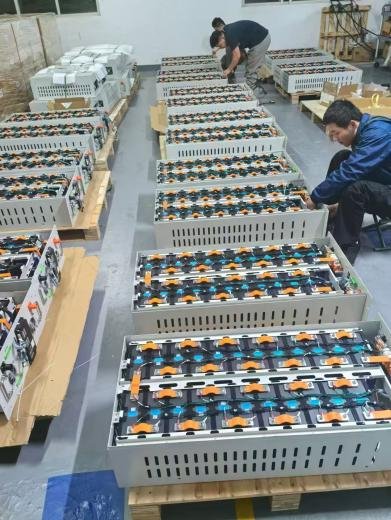
Critics historically argued that microgrids were too expensive compared to the “cheap” power of the main grid. However, real-time data from 2024 paints a different picture. The convergence of falling renewable costs and rising grid instability has tilted the scales.
4.1 The Decline of Renewable Costs
The cost of solar photovoltaics has dropped by over 90% since 2009. Lithium-ion battery pack prices have fallen from over 1,100perkilowatt−hourin2010toaround∗∗139 per kWh in 2023**, according to BloombergNEF. This trend makes the CapEx of microgrids increasingly attractive.
4.2 The “Hidden” Costs of the Traditional Grid
When comparing costs, businesses often overlook the Value of Lost Load (VLL). A single hour of downtime for a manufacturing plant or a data center can cost millions of dollars. The traditional grid offers reliability, but not a guarantee. Microgrids, conversely, monetize resilience.
- Peak Shaving: Microgrids can be programmed to discharge batteries during peak grid pricing hours (often late afternoon), significantly reducing demand charges.
- Grid Services: In markets like the UK, Australia, and parts of the US (PJM interconnection), microgrids can sell excess capacity back to the grid, creating a new revenue stream.
5. Technological Synergy: AI, IoT, and The Smart Grid
The Traditional Grid is often called a “dumb” network—electricity flows, but the grid doesn’t know who is using it or why, beyond a meter reading once a month. Microgrid solutions represent the application of “Industry 4.0” technologies to energy.
5.1 The Role of AI and Machine Learning
Modern microgrid controllers use predictive algorithms. They analyze weather forecasts to predict solar generation and analyze historical usage patterns to predict load.
- Exemplo: The controller sees a storm coming. It knows the grid might fail. It proactively tops up the batteries from the grid or curtails non-essential loads to prepare for islanding. This is Predictive Resilience, a concept impossible in the traditional grid framework.
5.2 Blockchain and Transactive Energy
In advanced microgrid pilots, blockchain technology is enabling “transactive energy.” Neighbor A with excess solar can sell it to Neighbor B via a microgrid marketplace without needing the utility as a middleman. This democratizes energy ownership and maximizes local generation usage.
6. Environmental Impact and ESG Goals
For corporations with Net Zero commitments, the Traditional Grid is often a barrier. In many regions, the “grid mix” is still heavily coal or gas-dependent. Purchasing Renewable Energy Certificates (RECs) is a common workaround, but it is often viewed as an accounting trick.
6.1 Carbon Reduction in Real-Time
Microgrids allow organizations to verifiably run on clean energy. By matching local generation with local demand, the carbon intensity of the electricity is drastically reduced. Combined Heat and Power (CHP) systems in microgrids can reach efficiencies of 80-90% by capturing waste heat, compared to the 33-45% efficiency of a remote centralized power plant that vents heat into the atmosphere.
Table 3: Environmental Impact Comparison
| Environmental Factor | Traditional Grid | Soluções de microrredes |
|---|---|---|
| Primary Fuel Source | Fossil Fuels (Coal/Gas dominance globally) | Renewables (Solar/Wind) & Clean Natural Gas/Hydrogen |
| Transmission Waste | 5-10% of energy lost as heat during transport | Negligible (Generation at point of use) |
| Land Use | Large centralized footprints (plants, mines) | Distributed footprint (Rooftops, parking canopies, brownfields) |
| Water Consumption | High (Thermal power plant cooling needs) | Low (Solar PV and Wind require no water for operation) |
| Grid Inertia Challenges | Requires synchronous condensers for renewable pivot | Smart inverters provide synthetic inertia; easier integration. |
7. Real-World Applications and Case Studies
The theoretical advantages of microgrids are being proven in the field every day.
Case Study A: Healthcare Resilience Hospitals cannot afford power loss. While backup generators are standard, they often fail (historically, diesel generators have a significant failure rate on start-up). A hospital in California installed a Solar+Storage microgrid. During Public Safety Power Shutoffs (PSPS) caused by wildfire risks, the hospital disconnected from the main grid and operated seamlessly for days, saving lives and reducing diesel fuel consumption by 50%.
Case Study B: Remote Mining Operations Mining companies traditionally relied on expensive, polluting diesel fuel trucked into remote sites. A microgrid solution integrating wind, solar, and battery storage with a diesel backup can reduce fuel costs by 30-50% and significantly lower the carbon footprint (“The Hybrid Mine” model).
Case Study C: University Campuses Universities like UC San Diego operate one of the world’s most advanced microgrids. It generates over 90% of its own electricity using a mix of solar, fuel cells, and gas turbines, utilizing waste heat for campus water heating. It saves the university millions annually and serves as a living laboratory for engineering students.
8. Future Outlook: The “Grid of Grids”
The future is not “Microgrids vs. Traditional Grid” – it is a hybrid. The Traditional Grid will not disappear; it will evolve into the “Grid of Grids.”
In this future scenario, the macro grid serves as a reliable backbone—a highway of electrons. Connected to this backbone are thousands of discrete microgrids acting as “energy oases.” During normal times, they trade power, smoothing out demand curves for the utilities. During emergencies, they protect their local communities.
Regulatory Trends: FERC Order 2222 in the US is a pivotal moment, allowing DERs (the components of microgrids) to compete in wholesale energy markets. This regulatory shift validates the economic value of distributed resources, signaling the end of the monopoly era.
Conclusão
The comparison between Microgrid Energy Systems Solutions and Traditional Grid Power is a comparison between the past and the future. The Traditional Grid gave us the industrial age, but it is ill-equipped for the digital, decarbonized age.
Microgrids offer a trifecta of benefits that the traditional model struggles to match: Resiliência against extreme weather, Sustentabilidade through renewable integration, and Economics through efficiency and arbitrage. While the upfront investment remains higher, the long-term value proposition—measured not just in dollars saved, but in downtime avoided and carbon reduced—makes the microgrid the definitive architecture for the 21st-century energy landscape.
Perguntas frequentes (FAQ)
Q1: Is a microgrid completely off-grid? A: Not necessarily. Most modern commercial microgrids are grid-connected. They operate synchronized with the main grid 95% of the time to buy or sell power. They only “island” (disconnect) when there is a grid disturbance or an economic advantage to running independently. “Off-grid” is a specific subset of microgrids, usually for very remote locations.
Q2: How does a microgrid affect property value? A: Studies suggest that properties with resilient power solutions, such as solar+storage microgrids, see an increase in value. For commercial real estate, it transforms a building from a passive utility consumer to an active energy asset, making it more attractive to tenants who require high uptime (e.g., tech companies, labs).
Q3: Can a microgrid be powered 100% by renewables? A: Yes, technically. However, achieving 100% renewable reliability often requires significant oversizing of solar/wind arrays and battery storage to cover “dark windless days” (Dunkelflaute), which can be cost-prohibitive. Most current resilient microgrids use a “hybrid” approach—mostly renewables with a small natural gas, hydrogen, or diesel generator as a final backup layer.
Q4: Who owns the microgrid? A: Ownership models vary.
- Customer Owned: The facility (e.g., a hospital) owns the assets.
- Utility Owned: The local utility deploys microgrids in specific neighborhoods to defer infrastructure upgrades.
- Third-Party (ESA): An Energy Service Agreement company pays for and installs the microgrid and sells the power back to the customer, similar to a Power Purchase Agreement (PPA), removing the CapEx burden.
Q5: What is the “Duck Curve” and how do microgrids solve it? A: The Duck Curve is a phenomenon where solar energy production peaks at mid-day (creating a “belly” of oversupply) and drops just as evening demand peaks (creating a steep “neck”). Traditional grids struggle with this rapid ramp-up need. Microgrids with batteries absorb the excess solar mid-day and discharge it in the evening, flattening the curve and stabilizing the main grid.