Introduction: Redefining Energy Independence in an Uncertain Grid Era
What does “energy independence” mean in 2026? For decades, the term conjured images of nations freeing themselves from foreign oil imports, of solar panels on rooftops symbolizing personal liberation from utility bills. But as the American power grid strains under unprecedented pressures, the definition of energy independence is evolving — becoming more urgent, more personal, and more achievable through technology that didn’t exist a generation ago.
Consider the numbers: In 2025, the average American electricity customer experienced about 11 hours without power, according to the U.S. Energy Information Administration — the highest level of interruption in a decade and more than 50% higher than in 2023. Three hurricanes — Beryl, Helene, and Milton — accounted for 80% of those dark hours, but the upward trend has been building since 2014, well before any single storm season. J.D. Power’s research adds another troubling dimension: the average longest outage customers experience each year reached 12.8 hours in 2025, up from just 8.1 hours in 2022. And in the South, the situation is even more dire — the longest outage averaged 18.2 hours.
These aren’t abstract statistics. They represent real-world vulnerability. Nearly half of utility customers reported experiencing a power outage in the first half of 2025 alone, with 48% attributing those outages to extreme weather. Meanwhile, the American Society of Civil Engineers consistently grades U.S. energy infrastructure with failing marks, noting that approximately 70% of transmission and distribution equipment has exceeded its designed operational lifespan.
In this landscape, energy independence has taken on a new meaning. It’s no longer about disconnecting from the grid entirely — it’s about having the ability to disconnect when you need to, and reconnect when it makes sense. It’s about local control over your energy destiny. It’s about ensuring that when the centralized grid fails, your lights stay on, your business keeps running, and your community remains safe.
This is precisely where microgrid energy systems enter the conversation. Not as niche experiments or luxury upgrades, but as essential infrastructure for anyone who cannot afford to be powerless. In this comprehensive guide, we’ll explore what microgrids are, why they’re essential for achieving true energy independence, the economic forces making them more accessible than ever, and how communities and businesses around the world are using them to take control of their energy future.
Part 1: Understanding Energy Independence Through Microgrids
1.1 What Is a Microgrid, Really?
Before diving into the relationship between microgrids and energy independence, we need a clear understanding of what a microgrid actually is — and what it isn’t.
The U.S. Department of Energy defines a microgrid as a localized energy network with clearly defined electrical boundaries that operates as a single controllable entity with respect to the main power grid. In plain language: a microgrid is a miniature version of the larger utility grid, but one that you control, located on your property or within your community, designed specifically for your needs.
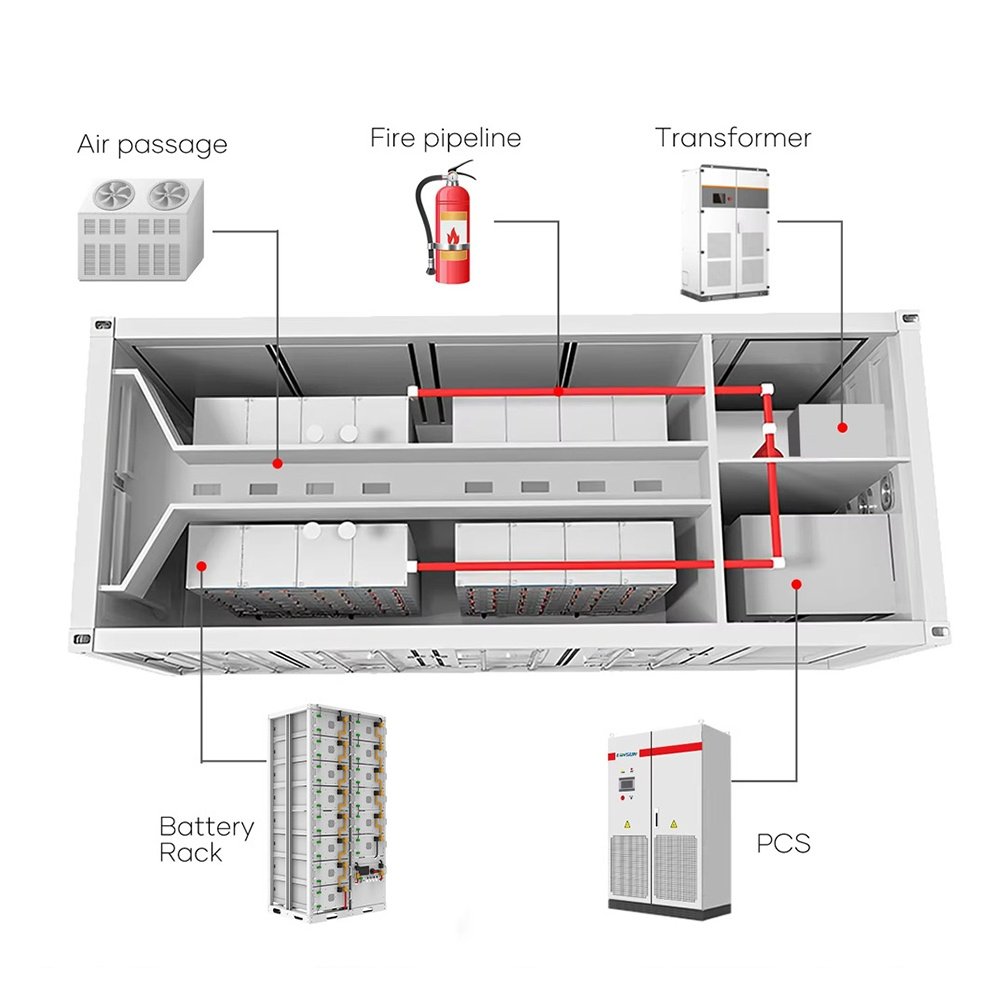
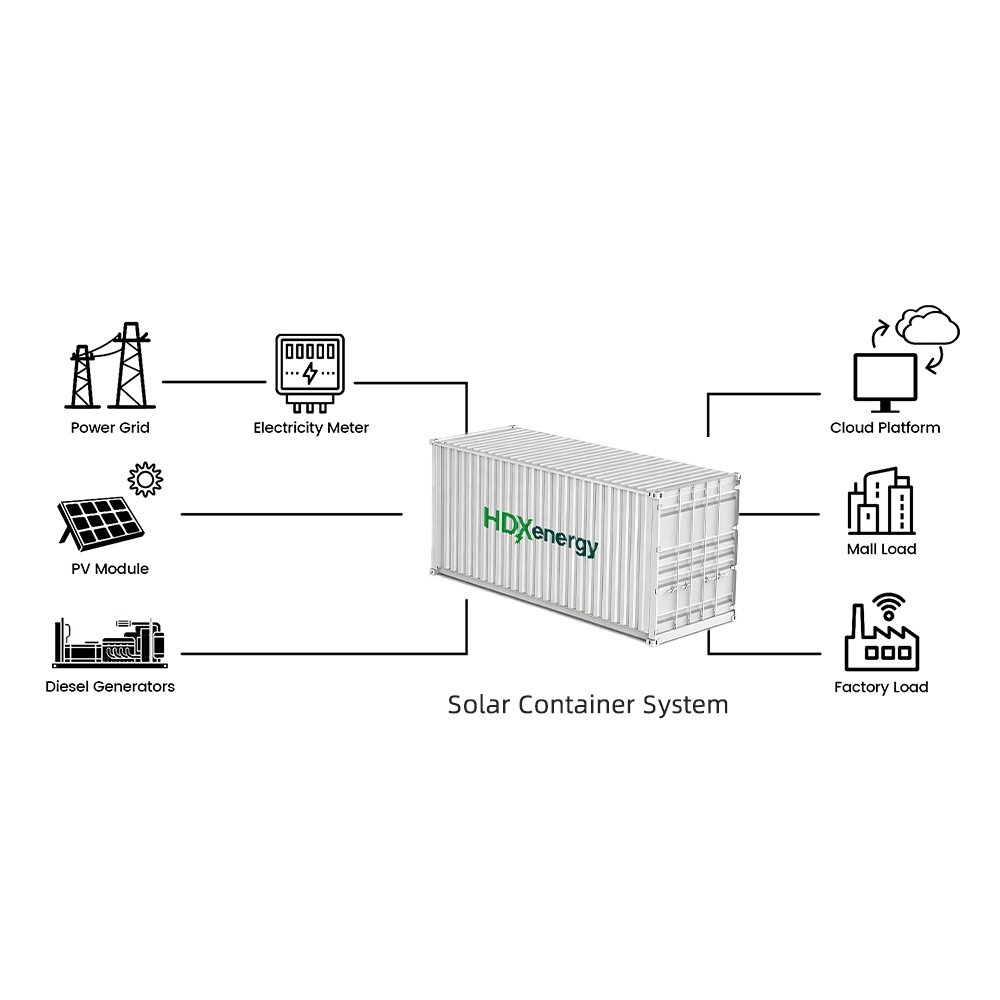
A microgrid integrates distributed energy resources — solar panels, wind turbines, battery storage, natural gas generators, fuel cells, or combined heat and power systems — with advanced control systems that optimize performance. What distinguishes a microgrid from a simple collection of generation assets is its ability to operate both in grid-connected mode and in “island mode” — completely disconnected and self-sufficient.
Think of a microgrid as having three defining capabilities:
Autonomy: When the main grid fails, a microgrid can instantaneously detect the disturbance and disconnect itself, continuing to power its local loads without interruption. This capability — called “islanding” — is what makes microgrids fundamentally different from backup generators that require manual startup and transfer switching.
Intelligent Control: The microgrid controller — essentially the brain of the system — continuously monitors energy supply and demand, makes real-time decisions about power dispatch, manages seamless transitions between grid-connected and island modes, and optimizes for cost, reliability, or sustainability depending on the user’s priorities.
Local Generation and Storage: Unlike the centralized grid that generates power hundreds of miles away and transmits it over aging infrastructure, a microgrid’s energy resources are located close to where power is consumed. This eliminates transmission losses and reduces vulnerability to distant failures.
1.2 Energy Independence: A New Definition
Traditional energy independence has been framed in geopolitical terms — reducing reliance on imported oil and gas. While that remains important, a more immediate and actionable definition has emerged: energy independence means having the ability to generate, store, and manage your own power in a way that insulates you from grid vulnerabilities, price volatility, and the cascading effects of infrastructure failures.
This new definition operates at multiple scales:
Individual/Household Level: The homeowner with solar panels and a battery can maintain power during outages, reduce utility bills, and eventually achieve net-zero energy consumption.
Commercial/Industrial Level: The factory that cannot afford downtime uses a microgrid to ensure continuous operations, manage peak demand charges, and meet sustainability commitments.
Community Level: The rural town with unreliable grid service builds a community microgrid that provides reliable power to critical services — hospitals, emergency shelters, water treatment — regardless of what’s happening on the transmission lines miles away.
Tribal/Regional Level: Indigenous communities reclaim energy sovereignty through tribally-owned and operated microgrids that address decades of infrastructure neglect while creating economic opportunities.
Microgrids enable energy independence at every one of these levels. They’re the technological bridge between the desire for self-determination and the practical reality of modern energy needs.
1.3 Why the Grid Alone Can’t Deliver Independence
The centralized grid was designed for a different era. When it was built, electricity flowed in one direction — from large power plants to passive consumers. Reliability was achieved through redundancy and overbuilding, not intelligence. And the system worked reasonably well for decades.
But three fundamental shifts have undermined the grid’s ability to deliver reliable power:
Aging Infrastructure: Much of America’s transmission and distribution equipment is decades past its design life. Transformers that were meant to last 30 years are still operating after 50. Substations built in the post-war era are struggling to handle modern load patterns. The San Francisco blackout of 2025, caused by a 77-year-old substation fire, illustrated this vulnerability in stark terms.
Extreme Weather Acceleration: Climate change is producing more frequent and more severe weather events. Hurricanes, wildfires, ice storms, and heat waves push the grid beyond its design limits. In 2025, three major hurricanes alone accounted for 80% of outage hours nationwide. The grid wasn’t built for this new normal.
Demand Explosion: Data centers, artificial intelligence computing, electric vehicle charging, and building electrification are adding unprecedented new load to the grid. Grid Strategies reports that five-year peak load growth projections have jumped from 24 GW to 166 GW in just three years. The supply side simply cannot keep pace.
These converging pressures mean that grid reliability is likely to worsen before it improves. Energy independence, enabled by microgrids, has become not just desirable but essential.
Part 2: The Market Surge — Why Microgrids Are Exploding Globally
2.1 By the Numbers: A Market in Hypergrowth
The global microgrid market is experiencing extraordinary growth, with multiple research firms reporting consistent double-digit compound annual growth rates (CAGR). While market size estimates vary based on methodology and scope, the directional trend is unmistakable — and remarkably consistent across all major analysts.
Table 1: Global Microgrid Market Size and Growth Projections by Leading Research Firms
| Research Firm | 2025 Market Size (USD) | 2026 Market Size (USD) | 2030-2035 Projection (USD) | CAGR |
|---|---|---|---|---|
| Global Market Insights | $28.9B | $36.4B | $166.1B (2035) | 18.3% |
| The Business Research Co. | $20.2B | $23.75B | $44.35B (2030) | 17.6% |
| Mordor Intelligence | $20.54B | $24.44B | $54.99B (2031) | 17.61% |
| Fortune Business Insights | $13.58B | $15.63B | $57.58B (2034) | 17.70% |
| MarketsandMarkets | $43.47B | — | $95.16B (2030) | 17.0% |
Sources: Global Market Insights (2026), The Business Research Company (2026), Mordor Intelligence (2026), Fortune Business Insights (2026), MarketsandMarkets (2026)
Despite differences in absolute figures — which stem from varying definitions of what constitutes a microgrid, different regional coverage, and distinct methodological approaches — the consistency in growth rates is striking. Every major research firm projects CAGRs between 17% and 18.3% through 2030-2035. This convergence suggests a mature market understanding of the fundamental drivers.
In the United States specifically, the microgrid market is projected to reach $24.82 billion by 2030 from $11.33 billion in 2025, growing at 17.0% CAGR. Asia Pacific dominates the global market with approximately 31.35% share as of 2025, driven by renewable energy adoption, infrastructure upgrades, and strong policy support in countries like China and India.
2.2 What’s Driving This Growth?
Several converging forces explain the microgrid market’s explosive growth:
Rising Energy Resilience Needs: As power outages become longer and more frequent, organizations and communities are prioritizing resilience. Frequent power outages and risks from extreme weather or cyberattacks highlight the need for localized, independent systems capable of islanding from the main grid. Microgrids increasingly function as operational reliability assets rather than experimental distributed generation projects.
Decentralized Energy Adoption: The proliferation of rooftop solar, community wind projects, and distributed battery storage has created a foundation for microgrid deployment. These distributed energy resources need intelligent management systems to operate effectively — which is exactly what microgrid controllers provide.
Electrification Pressures: As buildings electrify heating and transportation, local power demand is surging. Microgrids help manage this increased load without requiring expensive utility service upgrades, deferring or eliminating the need for new transformers and feeder lines.
Rural Electrification Imperatives: In emerging economies across Africa and South Asia, microgrids are often more cost-effective than extending centralized grid infrastructure to remote communities. Blended financing models and renewable-energy subsidies are helping developers lower project risks, making solar-based microgrids a practical replacement for diesel generation.
Corporate Sustainability Goals: Organizations with carbon reduction targets are discovering that microgrids provide a practical pathway to renewable energy integration without compromising reliability. Solar-plus-storage microgrids can deliver zero-emission power 24/7.
2.3 The Policy Push: Government Support for Energy Independence
Government incentives are significantly accelerating microgrid deployment, reducing capital costs by 10% to 60% depending on project specifics and jurisdiction.
Federal Investment Tax Credits: Energy storage, fuel cells, geothermal, and nuclear energy remain eligible for the Inflation Reduction Act’s investment tax credit (ITC). The ITC provides 30% tax credits for projects meeting prevailing wage and apprenticeship requirements, with bonus credits available for projects in low-income communities, energy communities, or those using domestic content.
DOE Grant Programs: The U.S. Department of Energy’s SPARK (Speed to Power through Accelerated Reconductoring) initiative, launched in March 2026, makes available $427 million in FY2026 for grid resilience projects, with individual awards ranging from $10 million to $100 million. The Community Microgrid Assistance Partnership (C-MAP) program is funding 14 projects reaching 35 towns and villages, providing more than $8 million for microgrid innovation.
State-Level Programs: Many states offer performance-based incentives for combined heat and power systems, rebates for peak load reduction, or grants for resilience projects serving critical infrastructure. These state programs can be even more impactful than federal initiatives because they’re tailored to regional grid constraints.
International Initiatives: The Government of Indonesia has allocated $1 billion to develop renewable energy microgrids in remote islands, aiming to achieve universal electrification by 2030. China’s State Grid Corporation has implemented over 1,000 renewable energy microgrids in urban areas, significantly reducing carbon emissions.
Part 3: The Economic Revolution — Why Microgrids Are More Affordable Than Ever
3.1 The Battery Cost Collapse: A Game-Changer
The single most important economic development enabling widespread microgrid adoption is the dramatic decline in battery storage costs. Just a decade ago, battery storage was prohibitively expensive for most applications. Today, it’s becoming one of the most cost-effective components of the energy system.
According to BloombergNEF’s 2025 Lithium-Ion Battery Price Survey, battery pack prices for stationary storage dropped to $70/kWh in 2025 — a stunning 45% lower than in 2024. This was the sharpest drop across all battery segments, making stationary storage the lowest-priced category for the first time in history.
The overall lithium-ion battery pack price reached a record low of $108/kWh in 2025, an 8% year-over-year decline. This price collapse occurred despite an increase in battery metal costs due to supply risks at Chinese lithium assets and new cobalt export quotas — demonstrating how manufacturing overcapacity, intense competition, and the shift to lower-cost lithium iron phosphate (LFP) chemistries are driving costs down faster than raw material prices can push them up.
Table 2: Battery Energy Storage Cost Evolution and Forecast (2013–2035)
| Year/Milestone | Battery Pack Cost ($/kWh) | Key Context |
|---|---|---|
| 2013 | $806 | Historical peak price |
| 2024 | ~$129 | Pre-2025 collapse |
| 2025 (Stationary Storage) | $70 | 45% decline in single year |
| 2025 (Overall Average) | $108 | Record low, 8% YoY decline |
| 2025 (LFP Chemistry) | $81 | Lower-cost alternative to NMC |
| 2030 (Forecast) | ~$80 | Some analysts project further decline |
| 2035 (Forecast) | ~$70 | Potential hardware cost floor |
Sources: BloombergNEF (2025), industry analysis
China recorded the lowest average pack price at $84/kWh in 2025, while prices in North America and Europe were 44% and 56% higher, respectively, reflecting higher local production costs and greater dependence on imported batteries. China also saw the largest price drop at 13%, while North America declined 4% and Europe 8%.
The battery energy storage system (BESS) market is projected to grow from $50.81 billion in 2025 to $105.96 billion by 2030, at a CAGR of 15.8%. This accelerated growth is driven by rapid deployment of renewable energy, increasing grid modernization initiatives, and the rising need for peak load management.
3.2 Solar-Plus-Storage: The New Baseline for Energy Independence
The combination of solar PV and battery storage has reached an economic tipping point that fundamentally changes the calculus of energy independence. In 2025, the Levelized Cost of Electricity (LCOE) for solar-plus-storage hybrid systems fell within the $76–$104/MWh range, making them competitive with or cheaper than many conventional power sources.
Ember’s research from October 2025 found that the total capital cost of a full battery storage system connected to the grid stood at approximately $125 per kWh for long-duration (four hours or more) utility-scale projects in global markets outside China and the United States. This translates into a levelized cost of storage (LCOS) of $65 per MWh — meaning that adding storage to solar adds just $33 per MWh to the cost of solar power alone.
The global average price of solar PV in 2024 was $43/MWh, yielding a total electricity cost of $76/MWh when combined with storage. For context, this is cheaper than new natural gas peaker plants in most markets and competitive with combined-cycle natural gas.
What does this mean for energy independence? It means that a solar-plus-storage microgrid can now deliver round-the-clock clean power at costs that are not only competitive with grid power but often lower — especially when you factor in the avoided costs of outages, demand charges, and future utility rate increases.
3.3 The Financial Case: ROI and Payback Periods
The economic case for microgrids extends far beyond outage protection. When all value streams are considered, microgrids often deliver attractive returns on investment.
A comprehensive analysis by Schneider Electric’s Sustainability Research Institute examined 65 microgrid use cases across five commercial building types in 13 global regions. The key finding: over 75% of modeled use cases achieved microgrid payback in under 10 years.
Multiple value streams contribute to microgrid economics:
Demand Charge Reduction: In regions where electricity bills include demand charges based on peak power draw, microgrids can shave peaks by 20-40% through intelligent battery dispatch.
Energy Arbitrage: Batteries store electricity when prices are low (typically at night or during high solar production) and discharge when prices are high, capturing the spread.
Self-Consumption Optimization: For buildings with solar PV, batteries capture excess daytime generation for evening use, reducing grid imports and maximizing the value of on-site generation.
Grid Services Revenue: In some markets, microgrids can earn revenue by providing services to the grid operator — frequency regulation, capacity reserves, or demand response participation.
Avoided Outage Costs: For critical facilities, the value of outage avoidance alone can justify microgrid investment. The cost of downtime varies dramatically by sector: a hospital faces patient safety risks, a data center may incur millions in lost revenue per hour, and a manufacturing plant may scrap entire production batches.
Part 4: The Technology Powering Energy Independence
4.1 AI and Edge Intelligence: Making Microgrids Truly Autonomous
Modern microgrids are not just collections of hardware — they’re intelligent, self-managing systems powered by artificial intelligence and edge computing. In 2025, edge AI-powered microgrid controllers are being deployed across industrial zones, campuses, and rural electrification projects, combining renewable generation, energy storage, and adaptive control to ensure continuous power and efficiency.
What makes a microgrid truly autonomous? The key capabilities include:
Adaptive Load Balancing: AI systems adjust consumption and storage in response to fluctuating demand or supply, ensuring stable operation even when renewable generation varies dramatically.
Predictive Forecasting: Machine learning algorithms anticipate solar and wind generation patterns and adjust storage strategies accordingly, maximizing renewable utilization and minimizing reliance on backup generation.
Seamless Islanding and Reconnection: When the main grid experiences a disturbance, AI-powered controllers detect faults within milliseconds, disconnect the microgrid, and maintain power to critical loads without interruption. When grid power is restored and stabilized, the system synchronizes and reconnects automatically.
Peer-to-Peer Coordination: Advanced microgrids can communicate with neighboring systems to share resources dynamically, creating resilient energy networks that are stronger than any single installation.
These capabilities are enabled by embedded AI — systems that process data locally using specialized chips (SoCs, FPGAs, or dedicated neural processing units) rather than relying on cloud connectivity. This edge intelligence reduces latency and ensures that critical decisions can be made even when internet connectivity is lost.
The integration of AI into microgrid optimization represents one of the most significant trends for the forecast period, enabling more efficient operation, greater economic returns, and higher reliability than ever before.
4.2 Advanced Storage Technologies Beyond Lithium-Ion
While lithium-ion dominates current microgrid deployments, new storage technologies are emerging that could further enhance energy independence, particularly for long-duration applications.
Green Hydrogen Microgrids: Green hydrogen — produced from renewable electricity through electrolysis — is emerging as a complementary technology for microgrids requiring extended autonomy. In 2024, India deployed its first green hydrogen microgrid featuring a 300 kW electrolyzer that produces 50 kg of high-purity hydrogen daily, stored in a 24 cubic meter tank at 30 bar pressure. This technology is particularly valuable for applications where batteries cannot economically provide multi-day storage.
Thermal Energy Storage: Companies like Fourth Power are developing thermal energy storage systems that can achieve costs as low as $25/kWh for storage and $1/watt for power output — dramatically cheaper than lithium-ion’s approximately $250/kWh for comparable applications. These systems use high-temperature materials to store energy as heat, which can be converted back to electricity using specialized thermophotovoltaic cells.
Sodium-Ion Batteries: Projects in remote high-altitude locations, such as Zonergy’s microgrid deployment in Tibet at nearly 5,000 meters elevation, are demonstrating the viability of sodium-ion battery technology for microgrid applications. These systems combine solar PV generation with sodium-ion energy storage to meet the electricity needs of farming and herding communities.
4.3 Grid-Forming Inverters: The Unsung Heroes
One of the most critical but least visible technologies enabling microgrid energy independence is the grid-forming inverter. Traditional inverters simply follow the grid’s voltage and frequency — they cannot operate without an external reference. Grid-forming inverters, by contrast, can establish and maintain the voltage and frequency reference within an islanded microgrid, essentially performing the same function that large power plants perform on the main grid.
This technology, sometimes called “virtual synchronous machine” or “virtual inertia,” is essential for microgrids with high renewable penetration. It enables stable operation even when the microgrid is completely disconnected from the utility grid, with no rotating generators to provide physical inertia. As microgrids increasingly rely on solar and batteries, grid-forming inverters are becoming standard equipment rather than premium upgrades.
Part 5: Energy Independence in Action — Real-World Applications
5.1 Tribal Energy Sovereignty: Reclaiming Control
For many tribal communities, microgrids represent more than reliable power — they’re instruments of energy sovereignty, enabling self-determination after decades of infrastructure neglect and unreliable service.
The Hoopa Valley Tribe in Northern California consistently appears among the top circuits with the most outages and longest outage durations in Pacific Gas & Electric’s territory. Despite this documented unreliability, there’s no mechanism that forces investment into those repeatedly failing circuits. In response, the Hoopa Valley Tribe joined with neighboring Yurok, Karuk, and Blue Lake Rancheria Tribes to advance the Tribal Energy Resilience and Sovereignty (TERAS) project — a multi-Tribe plan to bring clean, reliable, and affordable energy to the region using microgrids. The project secured a conditional award of $87 million in January 2025 through the Department of Energy’s Grid Resilience Innovations Program.
Similarly, the Confederated Tribes of the Colville Reservation in northern Washington state are installing four solar and energy storage microgrids across their 1.4 million acre reservation. As Chairman Jarred-Michael Erickson explained: “Since the Colville Reservation is in a remote location, subject to natural events like winter storms and fires, it has always been difficult for us to sustain a reliable supply of power. Our hope is that this microgrid technology will not only keep our lights on but will also position us for new economic opportunities”.
Each Colville microgrid site includes solar PV, energy storage, and intelligent controls, with one location in Nespelem featuring a 2.2 MW microgrid with 300-600 kW of solar and 1.9 MW/3.9 MWh of battery storage. On the far east side of the reservation, a microgrid will power a health clinic, gas station, and community store in the remote community of Inchelium, which endures multiple outage days per year — some lasting multiple days.
5.2 Rural Healthcare: Protecting Critical Services
Rural hospitals face unique energy challenges: they’re often served by unreliable grid infrastructure, located far from emergency response resources, and operate as the sole healthcare provider for vast geographic areas. When the power goes out, lives are at stake.
Klickitat Valley Health (KVH), a small rural hospital in south-central Washington, is building a community-scale microgrid that exemplifies how healthcare facilities can achieve energy independence. In November 2025, KVH broke ground on two cornerstone projects: a 45-ton ground-source heat-pump system and 375 kW of solar carports. Together, these systems will lower operating costs, improve reliability, and prepare the campus for islanded operation.
The geothermal installation draws on 40 boreholes drilled 400 feet deep, using the earth’s constant temperature to provide year-round heating and cooling, expected to save roughly $60,000 annually. The solar carport array will add shaded parking, public EV charging, and another $30,000 in yearly utility savings.
At full build-out, the system will include nearly 1 MW DC of solar carports, 979 kW/3.9 MWh of battery storage, a 100 kW hydrogen fuel cell with up to 36 hours of runtime, and intelligent switchgear enabling island mode operation. The combined system — valued at approximately $17 million — will supply enough stored and renewable energy to operate essential hospital functions during prolonged grid outages.
5.3 Remote Islands: From Diesel Dependence to Clean Independence
Island communities face some of the highest electricity costs in the world, often relying entirely on imported diesel fuel for power generation. Microgrids are transforming these communities from energy-dependent to energy-independent.
The Chishan Island microgrid project in Fujian, China, demonstrates what’s possible. This 0.3 square kilometer island, long unable to connect to the mainland grid, relied entirely on diesel generators for power — expensive, polluting, and unreliable. The new microgrid solution includes 20 kW of solar PV, two 20 kW vertical-axis wind turbines, 200 kWh of grid-forming battery storage, and a microgrid control system that enables autonomous operation.
The system now provides reliable, clean power to island residents, reducing carbon emissions by over 100 tons annually. It can support continuous off-grid operation for more than 24 hours, and in the event of local circuit faults, achieves millisecond-level power restoration with zero user perception of interruption. This project establishes a replicable model for “high-altitude, island, border, and remote” regions seeking clean, reliable energy independence.
5.4 Community Microgrids: Building Resilient Neighborhoods
Cities and towns are increasingly turning to community microgrids to protect residents and critical services. A notable example is Wuyang village in Wenzhou, China, where an integrated “source-grid-load-storage” microgrid was built to create a zero-carbon community. State Grid Wenzhou Power Supply Company integrated dispersed clean energy resources to enable local consumption and flexible distribution, while building a “1+N” energy system to achieve precise power supply. The village’s microgrid can operate independently for more than six hours in off-grid mode, ensuring reliable electricity even during extreme weather.
In the United States, the DOE’s Community Microgrid Assistance Partnership (C-MAP) is funding 14 projects that reach 35 towns and villages across Alaska and other remote regions. These projects implement advanced controls and monitoring software, build workforce capacity for long-term operations, modernize power systems to address poor power quality and outages, and prioritize local energy supply chains to stabilize and lower costs.
Alaska already has more than 200 microgrids in operation, and the majority of C-MAP awards are based in Alaska, recognizing the state’s unique energy challenges and leadership in microgrid deployment.
Part 6: The Path to Energy Independence — A Practical Guide
6.1 Assessing Your Energy Independence Readiness
Before pursuing a microgrid, organizations and communities should conduct an honest self-assessment. Key questions include:
What is your current outage experience? Review the frequency and duration of power interruptions at your location over the past 3-5 years. If you’re experiencing multiple outages per year or extended restoration times, the case for a microgrid strengthens considerably.
What is your cost of downtime? Quantify the financial impact of an outage: lost revenue, spoiled inventory, scrapped production, regulatory penalties, or reputational damage. For many businesses, a single day of downtime exceeds the cost of a microgrid system.
What are your sustainability goals? If your organization has committed to carbon reduction targets, a microgrid can help achieve those goals while improving reliability. Solar-plus-storage microgrids deliver zero-emission power around the clock.
Do you have existing distributed energy resources? Many organizations already have backup generators, solar panels, or other generation assets. A microgrid controller can integrate these existing resources into a cohesive, intelligent system.
What incentives are available in your jurisdiction? The financial case often hinges on capturing available incentives. Research federal, state, and utility programs that apply to your location and project type.
6.2 Implementation Pathways
Organizations pursuing microgrid projects typically follow one of several implementation pathways:
Energy-as-a-Service (EaaS): Third-party developers finance, build, own, and operate the microgrid, selling electricity to the customer under a long-term power purchase agreement. This eliminates upfront capital costs and transfers performance risk to the developer.
Design-Build-Own-Operate: The customer owns the microgrid and contracts with a developer for design, construction, and ongoing operations and maintenance. This approach provides greater control but requires capital investment.
Self-Development: Large organizations with in-house energy expertise may choose to self-develop microgrid projects, contracting directly with equipment suppliers and construction firms.
Utility Partnership: Some utilities offer microgrid-as-a-service programs or will build and operate microgrids for customers within their service territory. This approach can simplify interconnection and regulatory compliance.
6.3 Common Pitfalls to Avoid
Based on industry experience, several common pitfalls can undermine microgrid projects:
Focusing Only on Capital Cost: The lowest upfront cost rarely delivers the best lifecycle value. Consider total cost of ownership, including maintenance, fuel costs, and component replacement over 20+ years.
Underestimating Incentive Complexity: Capturing incentives requires detailed documentation and strategic system design. Engage experts who understand the incentive landscape.
Neglecting Cybersecurity: As connected systems, microgrids require robust cybersecurity measures. Ensure your design includes appropriate protections.
Ignoring Future Load Growth: Design your microgrid with modularity and expansion capability. Adding capacity later is more expensive than planning for growth upfront.
Skipping the Feasibility Study: Rushing into a microgrid project without proper analysis often leads to suboptimal designs and missed opportunities.
Part 7: The Future of Energy Independence
7.1 Trends Shaping the Next Decade
AI-Driven Optimization Becomes Standard: Machine learning algorithms that predict load patterns, optimize battery dispatch, and respond to real-time market signals will become standard features rather than premium upgrades. The integration of AI into microgrid control systems represents one of the most significant trends for the coming years.
Virtual Power Plants (VPPs): Microgrids will increasingly aggregate into virtual power plants — networks of distributed energy resources that can be dispatched as a single entity to provide services to the grid. This creates new revenue streams while maintaining local independence.
Vehicle-to-Grid (V2G) Integration: As electric vehicle adoption accelerates, EVs will become mobile energy storage assets that can support microgrid operations. V2G technology enables EVs to discharge power back to buildings or the grid during peak periods, effectively expanding microgrid storage capacity.
Green Hydrogen Scaling: Hydrogen microgrids will become more common for applications requiring multi-day autonomy, particularly in remote locations and critical infrastructure where extended backup power is essential.
Standardization and Modularization: The industry is moving toward pre-engineered, modular microgrid solutions that reduce engineering costs and accelerate deployment. This trend toward “microgrid-in-a-box” solutions will make energy independence accessible to a broader range of customers.
7.2 The Policy Horizon
Regulatory frameworks are evolving to recognize the value that microgrids provide to the broader grid. New tariffs, compensation mechanisms, and interconnection standards are being developed in multiple jurisdictions, reducing barriers to deployment and enabling microgrids to participate more fully in energy markets.
The transition to technology-neutral clean energy credits under Sections 45Y and 48E of the Internal Revenue Code, effective January 2025, creates a more predictable and equitable framework for microgrid incentives. These credits apply to any facility that generates clean electricity with zero greenhouse gas emissions, including microgrid components like energy storage.
Często zadawane pytania
Q1: What exactly is energy independence, and how does a microgrid enable it?
Energy independence, in the context of microgrids, means having the ability to generate, store, and manage your own electricity locally, insulating yourself from grid vulnerabilities and price volatility. A microgrid enables this by combining on-site generation (solar, wind, generators) with energy storage and intelligent controls that can operate autonomously when the main grid fails. Unlike a simple backup generator, a microgrid provides year-round value through energy cost optimization, renewable integration, and demand management — not just emergency power.
Q2: How much does a microgrid cost, and what is the typical return on investment?
Microgrid costs vary widely based on size and complexity. Small commercial systems (50-500 kW) typically range from $500,000 to $2 million; medium commercial/industrial systems (1-5 MW) range from $2 million to $10 million; large campus or community systems (10+ MW) can exceed $20 million. However, incentives can reduce these capital costs by 10-60%, and energy-as-a-service models eliminate upfront costs entirely. Studies show that over 75% of commercial microgrid use cases achieve payback in under 10 years when all value streams are considered.
Q3: Can a microgrid operate completely off-grid permanently?
Yes, microgrids can be designed for permanent off-grid operation. This is common in remote locations where grid connection is unavailable or prohibitively expensive — examples include remote islands, rural villages in developing countries, and isolated industrial facilities. However, most microgrids in developed areas maintain grid connection because it provides additional flexibility and economic benefits. The ability to buy power from the grid when prices are low and sell excess generation back to the grid (where permitted) enhances the financial case while preserving the option to island when needed.
Q4: What technologies are essential for a microgrid to achieve true energy independence?
The core technologies include: (1) distributed generation sources — typically solar PV, wind turbines, or efficient natural gas generators; (2) energy storage — lithium-ion batteries remain the dominant technology, with LFP chemistry preferred for safety and longevity; (3) a microgrid controller — the intelligent brain that manages all components and enables autonomous operation; (4) power electronics including grid-forming inverters that can establish voltage and frequency reference when islanded; and (5) protection and switching equipment that ensures safe separation from and reconnection to the grid.
Q5: How do government incentives affect microgrid economics?
Government incentives can reduce microgrid capital costs by 10% to 60%, dramatically improving project economics. Key programs include the federal Investment Tax Credit (30% base credit, with bonuses for domestic content and energy community location), DOE grant programs like SPARK ($427 million available in FY2026) and C-MAP (over $8 million for community microgrids), USDA REAP grants covering up to 50% of costs for rural projects, and numerous state-level incentives. Capturing these benefits requires early planning and proper documentation.
Q6: What’s the difference between energy independence and grid defection?
Energy independence does not necessarily mean abandoning the grid entirely. For most microgrid owners, the optimal strategy is “grid-connected with islanding capability” — maintaining grid connection for economic benefits while retaining the ability to operate independently when needed. True grid defection (permanent disconnection) is rare in developed areas and typically only makes sense in remote locations where grid power is unavailable or extremely unreliable.
Q7: How long does it take to deploy a microgrid?
Timelines depend on project complexity. A simple commercial microgrid using pre-engineered components can be deployed in 6-12 months from contract to commissioning. More complex campus or community microgrids with new generation assets and utility interconnection typically require 12-24 months. The feasibility study and design phase is critical — rushing this stage often leads to delays later. Working with experienced developers who understand local utility requirements can significantly accelerate timelines.
Q8: How does battery cost reduction impact the viability of microgrids for energy independence?
The 45% drop in stationary storage battery pack prices to $70/kWh in 2025 has been transformative. It means that a battery system that would have cost $500,000 in 2018 now costs under $200,000. This cost reduction has made solar-plus-storage microgrids economically viable without subsidies in many applications. The levelized cost of storage has fallen to $65/MWh, meaning that adding storage to solar adds just $33/MWh to the cost of solar power alone — enabling round-the-clock clean power at costs competitive with or lower than grid electricity.
Q9: Are microgrids safe during extreme weather events?
Microgrids are specifically designed to maintain operation during extreme weather. Their distributed nature means they’re not vulnerable to single points of failure like long transmission lines. In wildfire-prone areas, microgrids can operate islanded during public safety power shutoffs, maintaining power while reducing fire risk. Properly designed microgrids include appropriate weatherproofing, seismic bracing, and flood protection appropriate to local hazard profiles. Research has demonstrated that microgrids can improve distribution grid resilience by providing continuous power supply using local generation when the main grid fails.
Q10: How do I get started with a microgrid project?
The first step is conducting a feasibility study with a qualified microgrid developer or energy consultant. This study should evaluate your load profile, outage history, available incentives, site constraints, and financial objectives. Based on this analysis, you can determine whether a microgrid makes sense and which implementation pathway best suits your situation. Many developers offer preliminary assessments at no cost to help organizations understand their options before committing to a full feasibility study.
Conclusion: The Independence Imperative
The numbers tell an undeniable story. In 2025, Americans experienced an average of 11 hours without power — the highest level in a decade. The longest outage customers face annually has grown from 8.1 hours to 12.8 hours in just three years. Nearly half of utility customers experienced an outage in the first half of 2025 alone. And with peak demand projected to grow by 20 GW while resource additions lag at 9-10 GW, the gap between what the grid can deliver and what we need is widening.
Yet the tools to achieve energy independence have never been more accessible. Stationary battery storage pack prices have collapsed to $70/kWh — 45% lower than just one year ago. Solar-plus-storage hybrid systems now deliver electricity at $76-$104/MWh, competitive with or cheaper than grid power in most markets. Artificial intelligence is transforming microgrid controllers from simple switches into autonomous energy managers. And government incentives can reduce capital costs by 10-60%.
The global microgrid market is expanding at 17-18% CAGR, with projections ranging from $54 billion to $166 billion by the early 2030s. This growth isn’t speculative — it’s happening now, driven by real needs and real economics. Asia Pacific leads with 31% market share, the United States is on track for $24.8 billion by 2030, and rural electrification across Africa and South Asia is creating entirely new energy ecosystems built on microgrid foundations.
Energy independence means different things to different people. For the Hoopa Valley Tribe, it’s about reclaiming sovereignty after decades of neglect. For a rural hospital in Washington State, it’s about protecting patients when the grid fails. For a remote island community in China, it’s about replacing expensive diesel with clean, reliable power. For a business owner, it’s about ensuring that a single storm doesn’t wipe out a week’s revenue.
Whatever your definition, the path forward is clear. The technology is ready. The economics are favorable. The need is urgent. Energy independence isn’t a luxury — it’s a necessity for anyone who cannot afford to be left in the dark. And with microgrids, it’s more achievable than ever before.