1. Introduction
Microgrids have moved from niche pilot projects to a core element of the global energy transition. As utilities, cities, campuses, and industrial sites strive for resilience, decarbonization, and cost control, microgrids are rapidly emerging as a practical solution.
In the last few years, several forces have converged:
- Growing penetration of renewable energy and distributed energy resources (DERs)
- Increasing frequency and severity of extreme weather events
- Falling costs of solar PV, batteries, and power electronics
- Policy incentives for clean energy and grid modernization
This article explores the most important microgrid trends in de wereldwijde energie-industrie, including:
- Market growth and regional developments
- Technology and architecture evolution
- Business models and financing innovation
- Sector‑specific applications (commercial, industrial, remote, military, etc.)
- Regulatory and policy changes
You’ll also find comparative tables, practical insights for planners and investors, and a professional Q&A section tailored for decision‑makers and technical readers.
2. What Is a Microgrid? A Quick Refresher
Before diving into trends, it’s helpful to align on definitions.
2.1 Core Definition
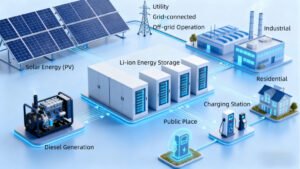
A microgrid is a localized energy system capable of operating in parallel with of independently from the main grid. It typically includes:
- Generation: e.g., solar PV, small wind, diesel/gas gensets, fuel cells, CHP
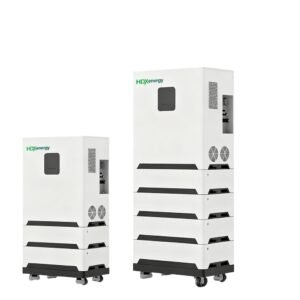
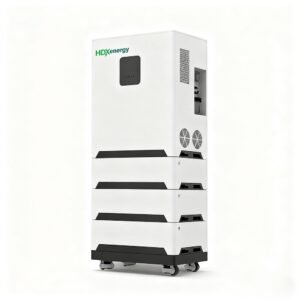
- Storage: most commonly battery energy storage systems (BESS)
- Loads: critical, non‑critical, and flexible loads
- Control system: microgrid controller / EMS to manage power flows and modes
Key capabilities:
- Grid‑connected mode: Imports/exports power, provides grid services
- Island mode: Operates autonomously during grid outages
2.2 Types of Microgrids
Common typologies:
- On‑grid / grid‑tied microgrids
- Off‑grid / remote microgrids (no connection to a central grid)
- Community microgrids (serving neighborhoods, villages, or communities)
- Commercial & industrial (C&I) microgrids (facilities, campuses, data centers)
- Campus microgrids (universities, hospitals, military bases)
3. Global Microgrid Market Overview
3.1 Market Growth and Size
Multiple research firms report steady growth in the microgrid market. While numbers differ by methodology, the trends are consistent:
- De global microgrid market is commonly estimated in the tens of billions of USD by the mid‑2020s.
- Compound annual growth rates (CAGR) are often projected in the high single‑digit to low double‑digit range (e.g., 8–15% in many analyses) through the late 2020s.
- Drivers include:
- Renewable energy expansion
- Resilience mandates
- Electrification of industry and transport
3.2 Regional Highlights
- North America:
- Strong focus on resilience (e.g., due to wildfires, hurricanes, ice storms).
- Significant microgrid adoption in campuses, military bases, and critical infrastructure.
- State‑level incentives and regulations (e.g., in California, New York) drive investment.
- Europe:
- Emphasis on decarbonization and integration of renewables.
- Microgrids are part of smart grid and local energy community initiatives.
- Industrial sites and remote communities in Northern Europe see increased use.
- Asia‑Pacific:
- Large deployment potential in islands, remote areas, and industrial parks.
- Countries like Japan (post‑Fukushima resilience), India (rural electrification), and Australia (remote resources, bushfire‑prone areas) are actively developing microgrids.
- Africa and Latin America:
- Growing interest in off‑grid and mini‑grid solutions for rural electrification.
- Microgrids help reduce reliance on diesel generation and improve access to reliable power.
4. Key Technology Trends in Microgrids
4.1 Rise of Solar PV + Battery Microgrids
One of the strongest trends is the dominance of solar PV plus battery energy storage as the core architecture.
Drivers:
- Falling PV prices and improved efficiencies
- Dramatic cost reductions in lithium‑ion batteries over the past decade
- Policy incentives for renewable and storage adoption
In many cases, diesel or gas generators are retained:
- As backup for long outages
- To provide spinning reserve in critical facilities
But the energy mix is shifting toward cleaner, hybrid configurations.
4.2 Advanced Microgrid Controllers and EMS
Today’s microgrids rely on sophisticated control systems:
- Hierarchical control (primary, secondary, tertiary levels)
- Model predictive control (MPC) and optimization algorithms
- Geïntegreerd energy management systems (EMS) en DERMS (Distributed Energy Resource Management Systems)
Key trends:
- AI/ML‑enhanced dispatch to optimize cost, emissions, and resilience
- Real‑time forecasting of solar/wind output and loads
- Integration with vraagrespons en flexible loads (HVAC, EV charging, industrial processes)
4.3 Standardization and Interoperability
As microgrids scale, there’s a growing need for standardization:
- Communication standards (e.g., IEC‑based protocols, Modbus, DNP3)
- Cybersecurity frameworks
- Interoperable architectures allowing different vendor components to work together
5. Trend 1: Resilience as a Primary Value Proposition
5.1 Climate and Extreme Weather
Recent years have seen more frequent:
- Wildfires
- Hurricanes and typhoons
- Floods
- Ice storms and heatwaves
These events cause prolonged outages and highlight vulnerabilities in centralized grids.
Microgrids provide:
- Islanded operation for critical loads (hospitals, data centers, emergency shelters)
- Local generation and storage to ride through outages
- The ability to black start parts of the network
5.2 Critical Infrastructure Microgrids
Key sectors prioritizing microgrids for resilience:
- Gezondheidszorg: hospitals, clinics
- Public safety: police, fire stations, emergency operations centers
- Vervoer: airports, seaports, rail hubs
- Telecommunications and data centers
As regulatory bodies and insurers increasingly account for resilience and continuity, microgrids become part of risk mitigation strategy.
6. Trend 2: Decarbonization and Net‑Zero Strategies
6.1 Microgrids as Decarbonization Tools
Organizations pursuing net‑zero of science‑based targets see microgrids as:
- A way to increase on‑site renewable generation
- A platform for flexible, low‑carbon dispatch
- A solution to reduce both grid emissions exposure en diesel backup usage
6.2 Integration with EVs and Electrification
- Electric vehicle (EV) charging loads can be integrated as controllable, flexible loads.
- Microgrids support fleet depots, ports, and logistics hubs where electrification is rising.
- EVs can eventually participate in vehicle‑to‑grid (V2G) of vehicle‑to‑microgrid (V2M) schemes, although this is still emerging.
7. Trend 3: Hybrid and Multi‑Resource Microgrids
Microgrids are increasingly multi‑resource systems.
Typical resource combinations:
- Solar PV + Battery + Diesel/Gas
- Solar PV + Wind + Battery
- CHP (Combined Heat and Power) + PV + Battery
7.1 Role of CHP and Thermal Integration
In some industrial and campus applications:
- CHP units provide both electricity and heat/cooling.
- Microgrids coordinate between electric and thermal loads for maximum efficiency.
- This supports decarbonization when combined with low‑carbon fuels or renewable gas.
7.2 Hydrogen and Fuel Cells (Emerging)
- Pilot microgrids are exploring fuel cells en green hydrogen as long‑duration or zero‑emission backup.
- Costs and ecosystem maturity are still limiting factors, but they are closely watched trends.
8. Trend 4: Digitalization, AI, and Data‑Driven Optimization
8.1 Advanced Analytics and Forecasting
Microgrids generate large volumes of data:
- Generation profiles
- Load patterns
- Weather and price forecasts
- Equipment status and degradation
Modern microgrid platforms use:
- Machine learning for forecasting and anomaly detection
- Optimization algorithms for:
- Minimizing operating costs
- Maximizing renewable utilization
- Maintaining constraints like battery lifecycle limits
8.2 Cybersecurity Concerns
As microgrids become digitally connected and often remote‑operated, cybersecurity becomes critical:
- Secure communication protocols
- Authentication and access control
- Cyber event detection and response
Regulators and utilities are increasingly demanding cyber‑secure designs for grid‑connected microgrids.
9. Trend 5: New Business Models and Financing Structures
9.1 Energy‑as‑a‑Service (EaaS)
A key barrier for many microgrid customers is upfront CAPEX. EaaS models address this:
- Third‑party developer finances, builds, and operates the microgrid
- Customer pays a service fee of per‑kWh rate
- Contracts may include:
- Performance guarantees
- Resilience metrics
- Emissions or renewable content guarantees
9.2 Power Purchase Agreements (PPAs) and Long‑Term Contracts
Microgrids often leverage:
- On‑site PPAs for solar and/or storage
- Multi‑year contracts for energy supply and resilience
- Shared savings or performance‑based models, especially in C&I sectors
9.3 Community Ownership and Cooperative Models
In some regions, microgrids are developed as:
- Community energy projects
- Co‑ops where residents or businesses jointly own and manage energy assets
- Projects with social objectives (energy access, affordability, local economic development)
10. Trend 6: Regulatory and Policy Evolution
10.1 Enabling Frameworks
Governments and regulators are gradually adapting:
- Clarifying interconnectienormen and technical requirements
- Defining market participation rules (e.g., microgrids providing ancillary services)
- Creating targeted incentives for:
- Grid modernization
- Resilience enhancement
- Renewable integration
10.2 Challenges and Barriers
Microgrids can still face:
- Complex permitting and approvals
- Costly or time‑consuming interconnection processes
- Tariff structures that do not fully value:
- Resilience
- Flexibiliteit
- Grid services
Some jurisdictions are more advanced than others, leading to uneven adoption worldwide.

11. Sector‑Specific Microgrid Trends
11.1 Commercial and Industrial (C&I)
C&I facilities adopt microgrids for:
- Resilience (avoiding downtime costs)
- Energy cost optimization (peak shaving, arbitrage)
- Sustainability branding
Examples:
- Manufacturing plants
- Datacenters
- Logistics hubs and cold storage
- Retail chains and shopping centers
11.2 Campuses and Institutions
Campuses often function like small cities:
- Universities
- Hospitals and healthcare systems
- Military installations
Microgrids here:
- Integrate diverse loads and generation assets
- Serve as living labs for research and innovation
- Combine academic, operational, and resilience objectives
11.3 Remote and Rural Electrification
In emerging markets and remote regions:
- Microgrids (and mini‑grids) provide first‑time electricity access
- Replace or reduce reliance on diesel‑only generation
- Gebruik solar + battery as backbone, often with limited backup gensets
These systems are critical to achieving energy access and climate goals concurrently.
12. Comparative View: Microgrids by Region and Application
To summarize major global distinctions, the table below compares microgrid trends by region and typical application focus.
Table 1 – Regional Microgrid Trends Overview
| Region | Dominant Drivers | Algemene toepassingen | Key Technologies |
|---|---|---|---|
| North America | Resilience, wildfires, storms, policy | C&I, campuses, military, critical infra | PV + BESS, CHP, advanced controllers |
| Europe | Decarbonization, EU policy, local energy | Community microgrids, industrial, campuses | PV, wind, BESS, CHP, digitalization |
| Asia-Pacific | Reliability, islanding, industrial growth | Islands, remote, C&I, campuses | PV + BESS, diesel hybrids, microgrid EMS |
| Africa | Access, diesel replacement, affordability | Rural electrification, remote microgrids | PV + BESS, hybrid microgrids |
| Latin America | Resilience, price volatility, access | Remote communities, industrial sites | PV + BESS, diesel/gas hybrids |
13. Microgrid Architecture and Design Trends
13.1 AC vs DC vs Hybrid Microgrids
- AC microgrids: the most common today, compatible with mainstream equipment.
- DC microgrids: often used in data centers or telecom towers where native DC loads dominate.
- Hybrid AC/DC: combine AC and DC buses, optimized for specific load/generation profiles.
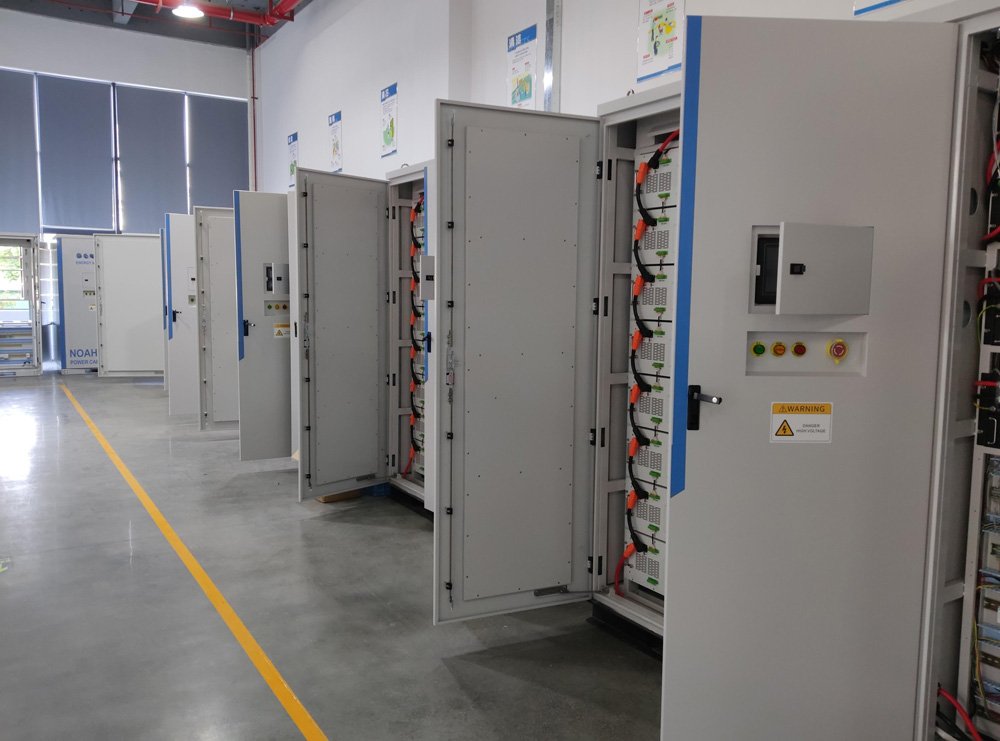
13.2 Microgrid Sizing and Modularity
- Modular designs allow microgrids to start small and scale up.
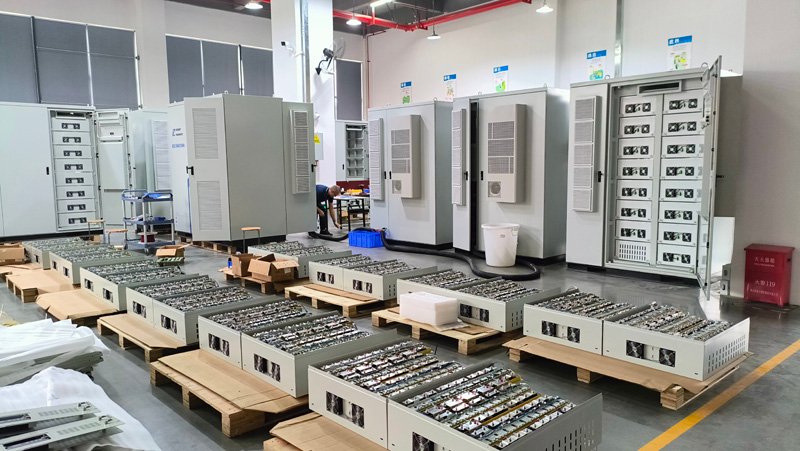
- Containerized solutions bundle:
- PV inverters
- BESS
- Controllers
- Prefabrication reduces on‑site construction time and cost.
14. Economics of Microgrids: Cost, Value, and Business Cases
14.1 Capex vs Opex Considerations
Key cost elements:
- PV arrays and mounting structures
- BESS (battery systems, inverters, enclosures)
- Generators or CHP units
- Balance of plant (switchgear, transformers, protection)
- Control and monitoring systems
Savings and revenue streams:
- Verminderd grid energy cost (peak shaving, TOU tariffs)
- Resilience value (avoiding downtime losses)
- Deelname aan grid services markets (where allowed)
- Avoided diesel fuel costs in off‑grid or remote settings
14.2 Example Value Streams by Application
Table 2 – Value Streams for Different Microgrid Segments
| Segment | Primary Value Streams | Secondary Benefits |
|---|---|---|
| C&I | Peak shaving, resilience, energy cost savings | Sustainability branding, emissions reduction |
| Campus | Resilience, cost optimization, research | Teaching, innovation, community engagement |
| Remote/off-grid | Diesel reduction, reliability, access | Improved health, education, economic activity |
| Military | Energy security, resilience, independence | Training and technology testing |
| Residential/community | Resilience, local energy control | Tariff savings, social equity, local jobs |
15. Technology Components: Batteries, PV, and Controllers
15.1 Battery Trends
- Lithium‑ion remains dominant, especially LFP (lithium iron phosphate) in stationary applications.
- Emerging technologies:
- Stroombatterijen (for longer duration)
- Sodium‑based batteries
- Focus on:
- Safety (thermal management, fire prevention)
- Degradation models and lifecycle optimization
15.2 Solar PV Integration
Belangrijkste overwegingen:
- Orientation and shading analysis
- Inverter selection (string vs central vs hybrid inverters)
- Curtailment strategies during islanding
15.3 Microgrid Controllers
Core functions:
- Mode management (grid‑connected vs islanded)
- Automated transfer and reclosure
- Optimization of:
- generator dispatch
- storage charging/discharging
- load prioritization
Some controllers now include forecast‑driven scheduling and user‑defined KPIs (e.g., CO₂ emissions intensity).
16. Risk and Challenges
Despite strong momentum, microgrids face several challenges:
16.1 Technical Complexity
- Protection coordination in multi‑source systems
- Ensuring stability and power quality in island mode
- Integrating legacy equipment
16.2 Regulatory Uncertainty
- Varying rules on:
- islanding and reconnection
- sale of excess generation
- tariffs and grid fees
16.3 Financing and Project Development
- Microgrid projects can be customized and site‑specific, raising transaction costs.
- Smaller projects may struggle to attract traditional project finance structures.
17. Future Outlook: Where Microgrids Are Heading
Key directions for the next 5–10 years:
- Wider deployment across all continents, including rural and urban settings.
- Meer standardized, modular solutions to reduce design and integration complexity.
- Deeper integration with:
- EV charging and fleets
- Local energy markets and peer‑to‑peer trading (where regulations allow)
- The rise of networked microgrids en grid‑forming inverters that support system‑level stability.
18. Comparative Snapshot: Conventional vs Microgrid‑Enabled Facilities
Table 3 – Conventional vs Microgrid Facility (High‑Level Comparison)
| Functie | Conventional Facility (No Microgrid) | Microgrid‑Enabled Facility |
|---|---|---|
| Outage resilience | Limited (depends on grid + diesel backup) | High (island mode with local generation/storage) |
| Renewable integration | Typically limited | High (solar, wind, BESS, CHP) |
| Energy cost control | Limited; dependent on tariff structure | Improved via peak shaving & optimization |
| Emissions profile | Follows grid mix; diesel during outages | Can be significantly lower with renewables |
| Grid services | Usually not participating | Can provide ancillary services (where allowed) |
| Data visibility | Basic metering | High granularity, real‑time monitoring |
19. SEO‑Friendly Conclusion
Microgrids have evolved from experimental pilots into mainstream tools for resilience, decarbonization, and energy cost management in the global energy industry. The strongest trends include:
- Widespread adoption of solar PV + battery microgrids
- Increasing focus on resilience for critical facilities and communities
- Integration with EV charging and electrification strategies
- Emergence of new business models, such as Energy‑as‑a‑Service
- Gradual evolution of regulation and policy to accommodate decentralized systems
For utilities, policymakers, developers, and corporate energy managers, microgrids offer a flexible, future‑proof platform aligned with decarbonization, digitalization, and decentralization.
20. Professional Q&A: Microgrid Trends in the Global Energy Industry
Q1: What are the top drivers behind current microgrid adoption worldwide?
Antwoord:
The main drivers are:
- Resilience: Protecting critical loads from increasingly frequent and severe grid outages.
- Decarbonization: Meeting net‑zero commitments by integrating on‑site renewables and storage.
- Kostenoptimalisatie: Reducing demand charges, leveraging time‑of‑use tariffs, and minimizing diesel use.
- Policy and incentives: Government programs for grid modernization, clean energy, and rural electrification.
Different regions emphasize different drivers, but resilience and decarbonization dominate global narratives.
Q2: Which sectors are currently investing most heavily in microgrids?
Antwoord:
Significant investment comes from:
- Commercial & Industrial (C&I): manufacturers, data centers, logistics, large retailers.
- Campuses and institutions: universities, hospitals, military bases, tech campuses.
- Remote and off‑grid communities: especially in Africa, Asia‑Pacific, and Latin America.
- Utilities and DSOs: designing microgrids and local energy systems as part of grid modernization.
Each sector has its own priority: C&I focus on resilience and cost; campuses on resilience and research; remote areas on access and diesel reduction.
Q3: How do microgrids typically reduce energy costs for C&I customers?
Antwoord:
Microgrids reduce costs by:
- Peak shaving: using battery storage to reduce maximum demand and avoid high demand charges.
- Shift and arbitrage: charging storage when energy is cheap and discharging during high price periods.
- On‑site generation: producing part of the energy locally with solar or CHP at lower marginal cost.
- Reducing outage‑related losses: avoiding production downtime, spoiled inventory, or service interruptions.
The exact savings depend on tariff structures, load profiles, and the mix of generation and storage.
Q4: How important is battery technology in today’s microgrid projects?
Antwoord:
Battery energy storage systems (BESS) are central to modern microgrids:
- Provide snelle reactie for balancing and power quality.
- Enable islanding by stabilizing voltage and frequency.
- Ondersteuning renewable integration by smoothing variability.
- Allow advanced strategies like peak shaving, arbitrage, and demand response.
While microgrids can technically operate with generators alone, the combination of PV + BESS is now a de facto standard for new installations focused on decarbonization and resilience.
Q5: What are the main regulatory challenges microgrids face today?
Antwoord:
Common regulatory challenges include:
- Interconnection rules: Technical requirements and processes for connecting microgrids to the main grid.
- Tariff design: Ensuring tariffs properly account for self‑generation, export, and grid service provision.
- Market participation: Allowing microgrids to monetize flexibility and ancillary services in wholesale or local markets.
- Ownership and operation models: Clarifying roles and responsibilities between utilities, private developers, and customers.
In many jurisdictions, regulations were designed for centralized, one‑way power systems and are still catching up with distributed, bidirectional microgrid architectures.
Q6: How do microgrids support national and corporate net‑zero targets?
Antwoord:
Microgrids support net‑zero targets by:
- Enabling high shares of on‑site renewables without compromising reliability.
- Reducing the need for fossil‑fuel backup (especially diesel).
- Optimizing hourly emissions, e.g., shifting loads to cleaner hours or using storage to avoid high‑emission periods.
- aanbieden transparent data on energy production, consumption, and emissions, supporting reporting and verification.
For corporations and institutions, microgrids also provide a visible, tangible demonstration of their net‑zero commitments.
Q7: What emerging technologies could significantly influence future microgrid trends?
Antwoord:
Key emerging technologies include:
- Grid‑forming inverters: improving microgrid stability and enabling more renewable‑only operation.
- Long‑duration storage (e.g., flow batteries, hydrogen): reducing reliance on fossil backup for prolonged outages.
- Advanced EMS with AI/ML: improving forecasting, optimizing dispatch, and managing complex multi‑asset systems.
- Vehicle‑to‑grid (V2G) integration: leveraging EV fleets as flexible storage and backup resources.
As these technologies mature and costs decline, they are likely to expand the value proposition and deployment scope of microgrids around the world.