Introduction: Why Microgrid Investments Are Getting Serious Attention
Over the past decade, the world’s energy system has been moving away from a simple “central power plant → grid → customer” model. Extreme weather, geopolitical tensions, rising fuel prices, and aggressive climate targets are pushing organizations to rethink how they secure and manage power.
In that context, microgrid energy systems have shifted from a niche solution to a mainstream investment consideration for:
- Large commercial & industrial (C&I) facilities
- Hospitals and data centers
- University and corporate campuses
- Remote communities and islands
- Military installations and critical infrastructure
Investors, CFOs, and sustainability teams are asking a similar question:
“What are the real pros and cons of investing in microgrid energy systems—financially, operationally, and strategically?”
This in‑depth guide breaks that down in a structured way, using recent industry data and trends, and is written to perform well for SEO around terms like:
- microgrid investment
- benefits of microgrid energy systems
- microgrid ROI
- pros and cons of microgrids
1. What Is a Microgrid Energy System?
A microgrid is a localized energy system that can:
- Connect to the main grid during normal conditions, and
- Operate independently (“island mode”) when the main grid fails or when it is economically advantageous.
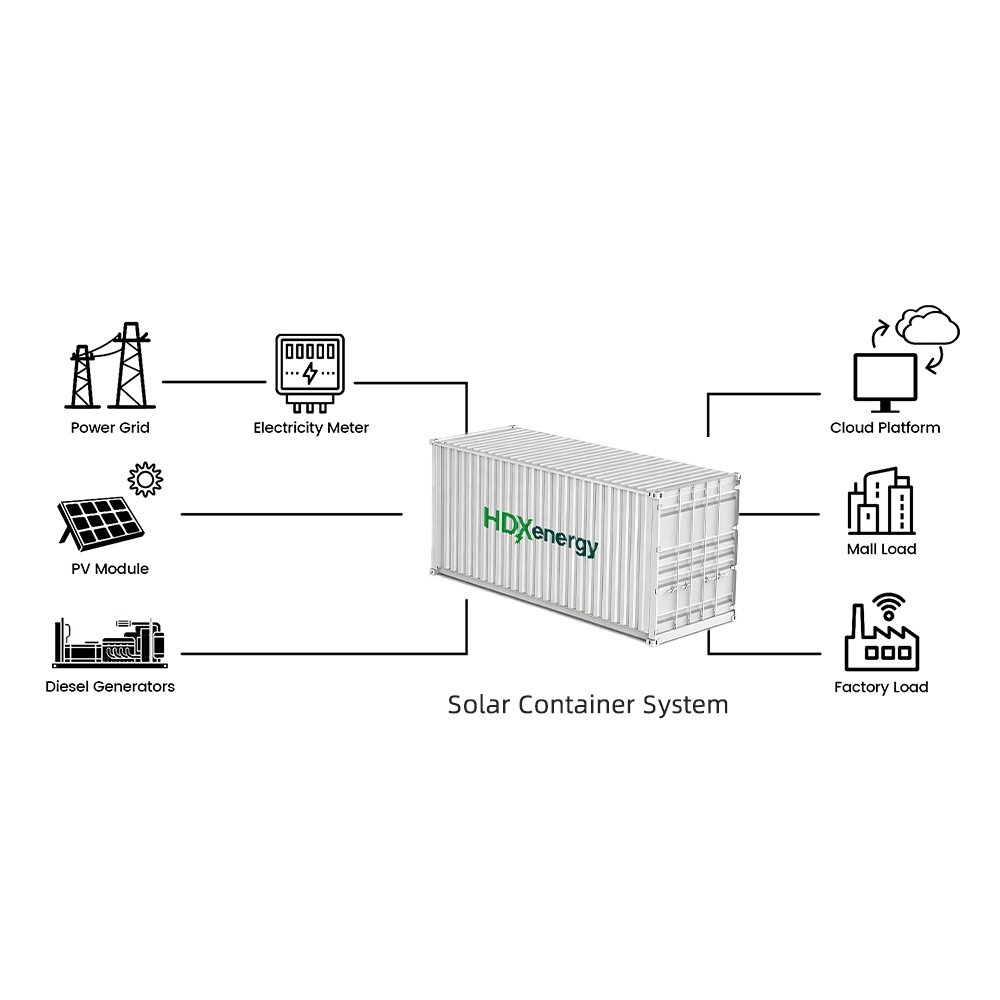
A typical microgrid integrates:
- Distributed energy resources (DERs):
Solar PV, wind, small gas turbines, fuel cells, CHP (combined heat and power), sometimes diesel backup. - Energy storage:
Battery Energy Storage Systems (BESS), often lithium‑ion; sometimes flow batteries or other technologies. - Smart controls and software:
A microgrid controller that optimizes when to generate, store, import, export, or curtail power. - Local loads:
Buildings, industrial processes, EV chargers, data centers, hospitals, or a whole community.
Instead of being a passive grid customer, a site with a microgrid becomes an active energy asset: generating, storing, and sometimes selling electricity.
2. Market Context: Why Microgrids Are on the Investment Radar
While exact numbers vary by source and methodology, recent industry reports from organizations such as the International Energy Agency (IEA), BloombergNEF, and major consulting firms agree on a few key trends:
- Global microgrid capacity has been growing at a double‑digit annual rate.
- Commercial & industrial and community microgrids are among the fastest‑growing segments.
- Falling costs of solar PV and batteries continue to improve microgrid project economics.
- Policy and regulation increasingly support distributed energy resources (DERs) e resilienza.
Table 1 – Global Microgrid Market: Directional Trends (Approximate, 2023–2030)
| Indicator | Trend (Qualitative) | Key Drivers |
|---|---|---|
| Installed microgrid capacity | Strong growth (double‑digit) | Reliability needs, decarbonization goals, energy access for remote regions |
| Share of renewables in microgrids | In aumento | Falling solar & storage costs, corporate ESG targets |
| Average project size (MW) | Slightly increasing | Campus‑scale, industrial parks, ports, and utility‑integrated projects |
| Investor interest | Strong, rising | Infrastructure funds, ESG funds, energy‑as‑a‑service models |
Note: Values are directional based on multiple industry analyses, not a single database.
3. High‑Level Pros and Cons of Investing in Microgrid Energy Systems
Before we dive into detailed sections, here’s a snapshot.
Table 2 – Pros and Cons Overview
| Pros (Advantages) | Cons (Challenges & Risks) |
|---|---|
| Improved reliability & resilience | High upfront capital cost |
| Potential energy cost savings & better price stability | Complex design, permitting, and integration |
| Decarbonization, ESG, and regulatory alignment | Regulatory uncertainty in some regions |
| New revenue streams (grid services, export, capacity markets) | Technology and vendor lock‑in risks |
| Energy independence & risk mitigation | Operational complexity and need for skilled management |
| Reputation and competitive differentiation | Project ROI depends heavily on local tariffs and incentives |
Now let’s unpack each of these in detail.
4. Key Advantages (Pros) of Investing in Microgrid Energy Systems
4.1 Enhanced Reliability and Resilience
For many investors and facility owners, resilience is the number‑one reason to consider a microgrid.
4.1.1 Grid Outages Are More Frequent and Costly
Across multiple regions, grid operators and regulators have reported:
- Di più outages related to extreme weather: wildfires, storms, floods, heatwaves.
- Growing need for Public Safety Power Shutoffs (PSPS) or deliberate outages in high‑risk wildfire zones.
- Increased stress on legacy infrastructure that was not designed for today’s peak loads and climate volatility.
For critical facilities—data centers, hospitals, pharma plants, cold storage logistics—the cost of downtime can be enormous:
- Lost production and revenue
- Spoiled inventory
- Safety and compliance incidents
- Damage to brand and customer trust
Microgrids mitigate these risks by allowing a site to keep operating even when the wider grid is down.
4.1.2 Island Mode as an Insurance Policy
When the main grid voltage or frequency goes out of bounds, a microgrid controller can:
- Detect the disturbance
- Isolate itself from the external grid
- Serve local loads using on‑site generation and storage
This can provide:
- Seamless power to carichi critici (e.g., intensive care units, mission‑critical servers)
- Graceful load shedding for non‑critical equipment
- Time to ride through outages that would otherwise force shutdowns
From an investment perspective, resilience has a direct financial translation: avoided outage costs and reduced operational risk.
4.2 Long‑Term Energy Cost Savings and Price Hedging
Another major advantage is the potential to lower and stabilize energy costs.
4.2.1 Peak Shaving and Demand Charge Reduction
Many commercial and industrial electricity bills include:
- Energy charges (kWh)
- Demand charges (kW) based on the highest peak demand during the month or billing period
Battery storage in a microgrid can discharge during peak periods to flatten these spikes.
- This is called peak shaving
- It directly reduces demand charges
- It can also smooth out load profiles, which may qualify the facility for better tariff structures in some markets
4.2.2 Time‑of‑Use (ToU) Optimization and Arbitrage
In ToU or dynamic tariff regimes, prices vary by hour:
- Microgrids can import power when it’s cheap, store it, and use it when prices are high.
- Solar and wind generation can further reduce purchased energy during expensive periods.
- In some regions, excess power can be exported to the grid or to nearby customers, creating additional cash flow.
4.2.3 Long‑Term Hedge Against Fuel and Tariff Volatility
Conventional centralized power is exposed to fuel price volatility (gas, coal) and network costs. With a microgrid that integrates renewables:
- A significant portion of your energy cost is locked in upfront (CapEx) and no longer subject to fuel price swings.
- This can be attractive to CFOs and investors seeking predictable operating expenses.
4.3 Decarbonization and ESG Alignment
Environmental, Social, and Governance (ESG) considerations are no longer a PR afterthought; they’re a core part of investment and corporate strategy.
4.3.1 Lower Operational Carbon Footprint
Microgrids usually incorporate:
- Solar PV
- Wind
- High‑efficiency CHP or fuel cells
- Battery storage to reduce the need for diesel backup and peaker plants
This can significantly lower the carbon intensity of electricity and heat used on site.
4.3.2 Faster Progress Toward Net‑Zero Targets
Many organizations now have:
- Science‑based targets (SBTs)
- Public commitments to reach net‑zero by 2050 or earlier
- Vendor and supply‑chain requirements around emissions
By controlling a local microgrid, a company can:
- Increase its share of on‑site renewables
- Reduce reliance on grid power with high fossil fuel content
- Demonstrate tangible progress, not just RECs (Renewable Energy Certificates) on paper
This improves both ESG scores e brand positioning.
4.4 New Revenue Streams and Market Participation
Microgrids can create new income opportunities beyond simple cost savings.
4.4.1 Providing Grid Services
In some regions, grid operators compensate customers for services such as:
- Frequency regulation
- Voltage support
- Spinning reserve
- Capacity payments
If allowed by regulation and technically capable, a microgrid can:
- Aggregate its DERs into a virtual power plant (VPP)
- Bid into these ancillary service markets
- Earn revenue by helping stabilize the wider grid
4.4.2 Energy Export and Local Energy Markets
Policies vary widely, but potential models include:
- Net metering or net billing: Exporting excess power to the grid at a regulated rate.
- Peer‑to‑peer energy trading: Selling directly to nearby facilities or community members.
- Private “campus grids” or industrial parks: Supplying power to tenants within a private network.
While not available in all jurisdictions, these models can enhance the overall return on investment (ROI) for a microgrid project.
4.5 Strategic Energy Independence and Risk Management
Investing in a microgrid can be a strategic move, especially in regions with:
- Unreliable grids
- High political or regulatory risk
- Volatile currency or fuel import dependencies
By generating a significant share of their own power, organizations can:
- Reduce exposure to outages, rationing, and price shocks
- Improve business continuity planning
- Strengthen bargaining power with utilities and regulators
This strategic independence can be particularly valuable for:
- Mining operations
- Oil & gas facilities
- Remote industrial sites
- Critical infrastructure in geopolitically sensitive areas
4.6 Reputation, Differentiation, and Innovation
Finally, microgrid investments can support:
- Sustainability branding: “Powered by 100% renewable energy during normal operation.”
- Innovation positioning: Serving as a “living lab” for smart grid, e‑mobility, and IoT projects.
- Tenant or employee attraction: Modern, green campuses can be more attractive to tech firms, students, and talent.
For real estate and campus‑style developments, a microgrid can become a core part of the value proposition.
5. Key Disadvantages (Cons) of Investing in Microgrids
No investment is without risk. Microgrid energy systems come with specific challenges that you should weigh carefully.
5.1 High Upfront Capital Cost (CapEx)
5.1.1 System Components Are Capital Intensive
A typical microgrid may include:
- Solar PV arrays
- Accumulo a batteria
- Inverters, switchgear, and protection equipment
- Dispatchable generators (gas, diesel, fuel cell, CHP)
- A sophisticated microgrid controller
- Engineering, permitting, and interconnection costs
- Civil works and grid integration upgrades
Together, these often lead to multi‑million‑dollar investments, depending on size and complexity.
5.1.2 Financing Complexity
While financing options are improving, they can be complex:
- Traditional loans
- Energy‑as‑a‑Service (EaaS) or microgrid‑as‑a‑service
- Public‑private partnerships
- Green bonds or infrastructure funds
Investors need to ensure:
- Realistic assumptions about energy prices, incentives, and export revenues
- Conservative projections for battery life and maintenance costs
- Appropriate risk allocation among the parties
5.2 Design, Permitting, and Integration Complexity
Microgrids are multi‑disciplinary projects:
- Electrical engineering
- Civil works
- Software and controls
- Regulatory compliance
- Cybersecurity and IT integration
5.2.1 Long Development Timelines
From feasibility studies to commissioning, a complex microgrid can take:
- 12–36 months or more, depending on size, permitting, and stakeholder alignment.
This can be longer than simply installing rooftop solar or backup generators.
5.2.2 Interconnection and Utility Coordination
Microgrids that connect to the main grid require:
- Interconnection studies
- Protection and relay coordination
- Compliance with grid codes and safety rules
In some regions, utility cooperation is excellent; in others, it can be slow and contentious.
5.3 Regulatory and Policy Uncertainty
Regulation is one of the biggest non‑technical risks.
5.3.1 Changing Rules for DERs
Key issues include:
- Whether microgrids are allowed to sell to third parties
- Tariffs and compensation schemes for grid exports
- Standby charges or exit fees imposed by utilities
- Rules for participating in capacity and ancillary service markets
Changes in political leadership or regulatory policy can alter:
- Payback periods
- Allowed business models
- The bankability of certain revenue streams
Investors should thoroughly evaluate the regulatory environment in their target region.
5.4 Technology, Vendor, and Obsolescence Risks
The microgrid space is evolving quickly. That’s both an opportunity and a risk.
5.4.1 Technology Risk
- Battery chemistries and costs are changing.
- New control platforms and communication standards are emerging.
- Hydrogen, long‑duration storage, and advanced inverters are in flux.
An investment made today might feel outdated in 10–15 years if not designed for modularity and upgrades.
5.4.2 Vendor Risk
- Some vendors are startups or smaller firms that may not be around long‑term.
- Proprietary hardware/software can create lock‑in, making it hard to switch providers later.
- Poor after‑sales support can lead to underperforming assets.
A robust procurement strategy—preferably favoring open standards and well‑capitalized partners—helps mitigate this.
5.5 Operational Complexity and Skills Requirements
Microgrids are not “install and forget” systems.
5.5.1 Need for Skilled Operation and Maintenance (O&M)
Operations may require:
- On‑site or remote monitoring teams
- Periodic battery health checks and replacements
- Software updates and cybersecurity patches
- Coordination with grid operators for market participation
If a microgrid is not actively managed, its performance and financial returns can fall short.
5.5.2 Cybersecurity Considerations
A microgrid is part of critical digital infrastructure:
- Communication between controllers, meters, and external systems must be secured.
- Remote access must be protected to prevent tampering or cyberattacks.
Failure to invest adequately in cybersecurity can expose both the microgrid and the broader facility to risk.
5.6 Project Economics Are Highly Site‑Specific
The ROI of a microgrid depends heavily on:
- Local electricity tariffs
- Time‑of‑use pricing and demand charges
- Reliability issues and outage frequency
- Regulatory incentives or constraints
- The value of lost load for the specific facility (how expensive downtime is)
A project that looks excellent in California or parts of Australia may look marginal in a region with:
- Very low grid power prices
- Very high fixed charges
- Limited incentives and little price volatility
Investors should avoid one‑size‑fits‑all assumptions.
6. Side‑by‑Side: Investor Considerations
To help compare microgrid investments with more conventional alternatives (e.g., simple solar+backup generators), consider the following.
Table 3 – Microgrid Investment vs. Traditional Backup + Grid‑Only Model
| Criteri | Grid + Backup Generators Only | Full Microgrid Energy System |
|---|---|---|
| CapEx | Lower (backup + perhaps some solar) | Higher (generation, storage, controls, integration) |
| Opex (fuel & maintenance) | Higher (diesel/gas during outages, periodic testing) | Lower fuel use with renewables; more complex O&M structure |
| Resilienza | Basic; subject to generator failure and fuel logistics | High; islanding, storage, and optimization |
| Energy cost savings | Limited; mainly insurance against outages | Significant potential via peak shaving, ToU arbitrage, export |
| Carbon footprint | Higher (diesel/gas use) | Lower; renewables + efficient generation |
| Partecipazione al mercato | Rarely participates in grid services | Often able to provide ancillary services and capacity |
| Regulatory interaction | Simpler, but often underutilizes DER potential | More complex; greater upside if market access exists |
| Strategic value | Primarily reliability insurance | Reliability + ESG + cost optimization + strategic independence |
7. Typical Use Cases Where Microgrid Investments Make Sense
Microgrids are not appropriate everywhere. They tend to be most attractive when:
- Outage costs are high (data centers, hospitals, critical manufacturing).
- Tariffs are complex and volatile (high demand charges, ToU pricing, risk of price spikes).
- Decarbonization pressure is strong (ESG‑driven sectors, public campuses).
- Grid reliability is weak or fuel import risk is high (remote and emerging markets).
High‑Value Use Cases
- Healthcare & Life Sciences: Cannot afford unplanned downtime; microgrid resilience also supports regulatory compliance.
- Data Centers: Uptime is core to business; microgrids can complement or partially replace UPS and diesel stacks.
- Industrial Sites: Where process interruptions cause large financial losses.
- University & Corporate Campuses: Large, diverse loads; multiple buildings; ideal testbed for integrated energy systems.
- Islands & Remote Communities: Diesel‑only systems are expensive and polluting; hybrid microgrids with renewables can dramatically cut costs and emissions.
8. Financial Structuring: How Investors Can Approach Microgrid Projects
Investors and asset owners can structure microgrid projects in several ways.
8.1 Ownership Models
- Customer‑Owned:
- The facility owner invests CapEx and owns the asset.
- Gains full benefits but also carries the risk and operational responsibility.
- Third‑Party‑Owned (Energy‑as‑a‑Service):
- A specialized company finances, builds, owns, and operates the microgrid.
- The customer signs a long‑term contract (e.g., Energy Services Agreement or PPA).
- Lower upfront cost; payments based on energy delivered or service level.
- Utility‑Owned or Joint Venture:
- The utility develops the microgrid to enhance grid reliability and defer network upgrades.
- Customers may benefit through improved service and possibly special tariffs.
8.2 Evaluating ROI and Payback Period
Key metrics:
- Net Present Value (NPV)
- Internal Rate of Return (IRR)
- Simple payback period
- Levelized cost of energy (LCOE) compared with grid tariffs
- Value of avoided outages (often underestimated)
A robust financial model should include:
- Capital cost breakdown (generation, storage, controls, balance of plant)
- O&M costs and replacement cycles (especially for batteries and inverters)
- Sensitivity analysis for electricity prices, regulatory changes, and technology lifetimes
9. Practical Steps Before Investing in a Microgrid
If you are seriously considering investment, these steps are essential.
9.1 Conduct an Energy and Resilience Audit
- Analyze historic load profiles (interval data, if available).
- Quantify outage frequency and cost.
- Identify critical versus non‑critical loads.
9.2 Define Strategic Objectives
Is the microgrid primarily for:
- Resilience?
- Cost optimization?
- Decarbonization and ESG?
- Market participation and revenue?
Clear priorities will shape design and business models.
9.3 Explore Policy, Tariffs, and Incentives
- What are current and expected electricity tariffs (incl. demand charges and ToU)?
- Ci sono tax credits, grants, or subsidies for renewables, storage, or microgrid projects?
- What rules govern grid export, third‑party sales, and access to capacity markets?
9.4 Engage Experienced Partners
- EPC contractors and integrators with proven microgrid projects
- Legal and regulatory advisors familiar with local energy markets
- Financing partners comfortable with distributed energy and performance risk
10. Summary: Should You Invest in Microgrid Energy Systems?
Pro of microgrid investment include:
- Forte resilienza against outages and extreme weather
- Potential for significant energy cost savings and price hedging
- Direct contribution to decarbonization and ESG targets
- Nuovo revenue streams from grid services and energy sales (where allowed)
- Strategic independence and long‑term risk reduction
- Potenziato reputation and asset value
Contro and risks include:
- Alto upfront capital cost and a complex financing landscape
- Design and integration complexity, requiring multi‑disciplinary expertise
- Regulatory uncertainty and dependency on policy evolution
- Technology and vendor risks, including obsolescence and lock‑in
- Operational complexity and the need for skilled management
- Site‑specific economics that can make or break the business case
For many critical facilities, campuses, and remote operations, the pros increasingly outweigh the cons—especially when resilience, ESG, and long‑term energy strategy are factored in, not just a narrow view of today’s electricity bill.
For other sites with:
- Very reliable, cheap grid power
- Limited exposure to outages
- Low decarbonization pressure
a simpler mix of rooftop solar + basic backup generators might be more appropriate in the short term.
The key is a rigorous, site‑specific feasibility and investment analysis.
Professional FAQ: Pros and Cons of Investing in Microgrid Energy Systems
Q1. What kind of ROI can I realistically expect from a microgrid investment?
Risposta:
ROI varies widely. In regions with:
- High electricity prices
- Significant demand charges
- Frequent outages
well‑designed microgrids often target simple payback in the range of 5–10 years, with IRRs in the low to mid‑teens. In markets with low tariffs and few incentives, ROI can be considerably lower unless resilience benefits (avoided outage costs) are very high. A detailed financial model with local tariff data is essential.
Q2. How do microgrids compare to just installing solar PV plus backup generators?
Risposta:
Solar PV plus backup generators is a partial solution. It gives you:
- Some decarbonization (from solar)
- Some resilience (from generators)
However, without integrated storage and smart control:
- You cannot optimize time‑of‑use, peak shaving, or revenue opportunities as effectively.
- You rely heavily on fuel logistics and generator reliability during long outages.
- You miss out on the full energy management and market participation potential.
A microgrid integrates all assets into a coordinated system, turning them into a flexible, optimized energy portfolio instead of isolated components.
Q3. Are microgrids only viable for large facilities, or do smaller businesses benefit too?
Risposta:
Historically, microgrids were mostly for larger sites (multi‑MW). But:
- Falling costs of solar and storage
- “Microgrid‑in‑a‑box” solutions
- Energy‑as‑a‑Service models
are increasingly making smaller microgrids (hundreds of kW) viable for:
- Medium‑sized commercial buildings
- Small campuses or business parks
- Critical small facilities (e.g., medical centers, cold storage)
That said, transaction and engineering costs are still relatively high, so economies of scale generally favor larger, multi‑building projects.
Q4. What is the main technical risk when investing in a microgrid?
Risposta:
The key technical risks include:
- Integration risk: Getting all components (PV, storage, gensets, controls) to work together reliably.
- Performance risk: Actual performance (kWh produced, savings, uptime) may fall short of projections.
- Component life risk: Especially battery degradation; if replacement is needed sooner than expected, returns can be eroded.
To mitigate these, investors often require:
- Performance guarantees and service‑level agreements (SLAs)
- Proven reference projects
- Conservative assumptions about component lifetimes and efficiencies
Q5. How important is regulatory environment in microgrid investment decisions?
Risposta:
Extremely important. Regulation affects:
- Your ability to export power and receive fair compensation
- Eligibility for incentives and tax credits
- Whether you can act as an independent power producer (IPP) or sell to tenants
- Access to capacity and ancillary service markets
A favorable regulatory environment can dramatically improve the business case, while a restrictive one can limit microgrids to resilience and self‑consumption only. Any serious microgrid investment should include a formal regulatory and policy review as part of due diligence.
Q6. Are microgrids future‑proof, given how fast energy technology is changing?
Risposta:
No system is entirely future‑proof, but microgrids can be designed with:
- Modular architecture for adding or swapping generation and storage technologies
- Open communication standards to avoid vendor lock‑in
- Scalable software platforms that can integrate new assets, such as EV fleets or long‑duration storage
The more modular and standards‑based your design, the easier it will be to adapt to future technologies and market changes.
Next steps:
If you’re considering investing in a microgrid energy system, the most useful next move is to commission a site‑specific feasibility and techno‑economic study che:
- Analyzes your load profile and outage risk
- Simulates different microgrid configurations
- Models financial outcomes under multiple tariff and policy scenarios
That will turn the general pros and cons described here into concrete numbers tailored to your situation.