1. Introducción
En toda Asia y África, las microrredes han pasado de ser proyectos piloto experimentales a convertirse en una infraestructura práctica y financiable. Estas son:
- Traer acceso a la electricidad por primera vez a comunidades remotas
- Reducir el consumo de diésel y reducir los costos de energía
- Mejorando resiliencia frente a las perturbaciones provocadas por el cambio climático
- Habilitar la configuración local desarrollo económico y la inclusión digital
Desde las microrredes de energía solar y baterías en África Oriental hasta los sistemas híbridos de energías renovables en islas remotas del sudeste asiático, los casos de éxito de las microrredes están cambiando la forma en que los mercados emergentes conciben la infraestructura energética.
Este artículo aborda:
- Por qué las microrredes tienen un impacto especial en Asia y África
- Proyectos emblemáticos de microrredes y sus resultados
- Patrones tecnológicos y de modelos de negocio en implementaciones exitosas
- Lecciones aprendidas para responsables políticos, promotores e inversores
Se hace hincapié en los patrones del mundo real y en ejemplos representativos, en lugar de ofrecer una lista exhaustiva de todos los proyectos.
2. Por qué son importantes las microrredes en Asia y África
2.1 Brecha en el acceso a la energía
Según los últimos datos sobre el acceso a la energía a nivel mundial (hasta aproximadamente 2023):
- Cientos de millones de personas siguen sin tener acceso a la electricidad, sobre todo en África subsahariana y partes de Asia meridional y sudoriental.
- Muchas más experiencias suministro inestable, cortes frecuentes de suministro o la dependencia del costoso diésel.
Las microrredes ofrecen una alternativa eficaz a esperar a que se amplíe la red eléctrica tradicional:
- Más rápido de implementar
- Escalable y modular
- Adaptado a las condiciones locales y a los perfiles de demanda
2.2 Dependencia del diésel y volatilidad de los precios
En zonas remotas:
- Los generadores diésel han sido tradicionalmente la fuente de energía por defecto.
- A menudo, el combustible debe transportarse en camión, barco o incluso por vía aérea, lo que eleva los costos de manera drástica.
- La volatilidad de los precios del combustible repercute directamente en la asequibilidad de la electricidad.
Microrredes de energía solar fotovoltaica + baterías reducir considerablemente el consumo de diésel, lo que permite:
- Menor costo nivelado de la electricidad (LCOE) en muchos casos
- Mayor previsibilidad en los costos operativos
- Menor vulnerabilidad ante las interrupciones en el suministro de combustible
2.3 Clima y resiliencia
Muchas zonas de Asia y África son muy vulnerables a:
- Tormentas tropicales y ciclones
- Inundaciones y sequías
- Olas de calor y cambios en los patrones climáticos
Las microrredes con generación renovable local y almacenamiento pueden:
- Mantener las cargas críticas durante los cortes de suministro eléctrico
- Reducir los daños causados por la inestabilidad del voltaje y la frecuencia
- Apoyar las estrategias de adaptación al cambio climático para las comunidades y las instituciones clave
3. Modelos de éxito de las microrredes: qué funciona en Asia y África
Antes de entrar en detalles sobre casos concretos, conviene identificar los patrones comunes:
3.1 Patrones tecnológicos
- Arquitectura dominante: Energía solar fotovoltaica + batería + sistema de respaldo diésel/grupo electrógeno
- El uso cada vez mayor de baterías de iones de litio, especialmente las composiciones químicas de LFP
- La creciente integración de contadores inteligentes y monitorización remota
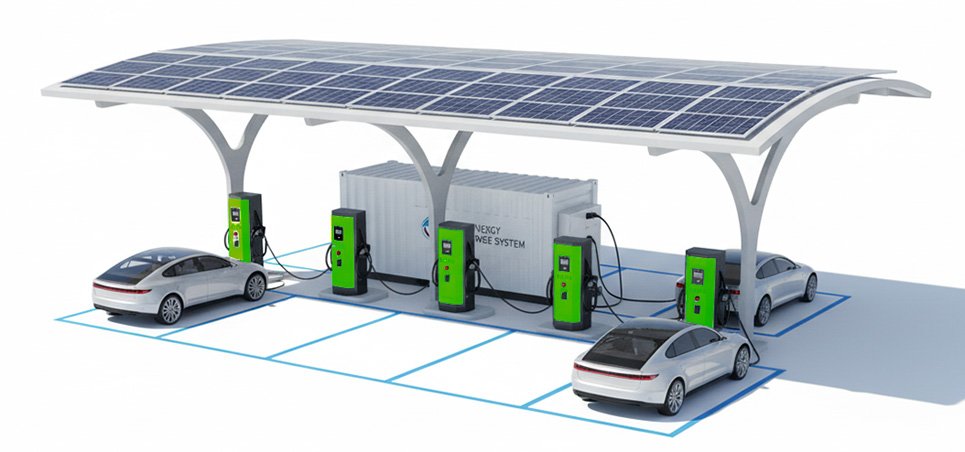
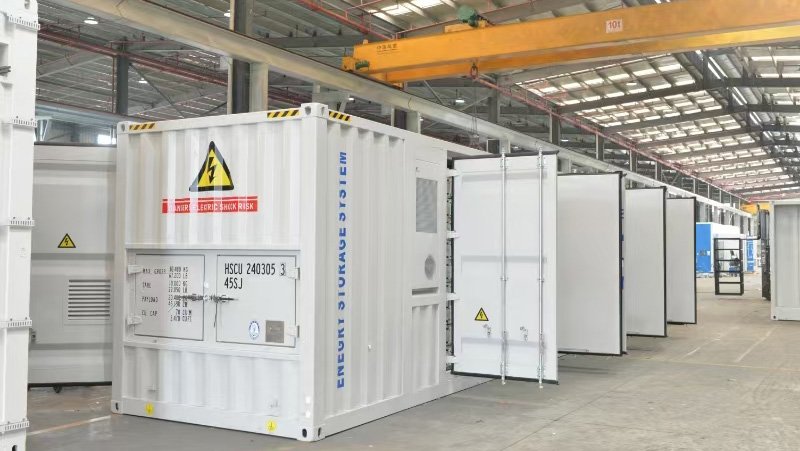
- Uso de contenedores prefabricados y modulares para una implementación más rápida y una fácil replicación
3.2 Modelos de negocio
- Sistema de reparto (PAYG) y modelos de prepago para hogares de bajos ingresos
- Concesiones de minivehículos utilitarios y las tarifas reguladas de las minirredes en algunos países
- Alianzas público-privadas (APP) para microrredes comunitarias
- Financiación con apoyo de donantes o financiación mixta para proyectos en fase inicial y de gran impacto
3.3 Impacto social y económico
Las microrredes exitosas suelen:
- Habilitar usos productivos de la energía: riego, molienda, almacenamiento en frío, pequeña industria
- Apoyo educación (iluminación para escuelas, acceso a Internet)
- Mejorar resultados de salud (refrigeración para vacunas, clínicas con suministro eléctrico)
- Reducir la dependencia del queroseno y el carbón vegetal, mejorando calidad del aire interior
4. Panorama regional: el auge de las microrredes en Asia y África
4.1 Asia
Factores clave en Asia:
- Islas remotas y archipiélagos (Sudeste Asiático, Pacífico)
- Electrificación rural en el sur de Asia (India, Bangladés, Nepal)
- Microrredes industriales y comerciales en economías más avanzadas (Japón, Corea del Sur)
- Proyectos de resiliencia tras desastres (especialmente en Japón y Filipinas)
4.2 África
Factores clave en África:
- Grande deficiencias en la electrificación rural en el África subsahariana
- Programas nacionales de apoyo a las minirredes (por ejemplo, en Nigeria, Kenia y Tanzania)
- Fuerte presencia de inversores de impacto e instituciones de financiación para el desarrollo
- Ecosistemas de dinero móvil que respaldan los modelos de pago por uso en África Oriental
5. Panorama comparativo: el contexto de las microrredes en Asia frente a África
Tabla 1 – Contexto de las microrredes en Asia frente a África (visión general)
| Aspecto | Asia | África |
|---|---|---|
| Principales factores | Acceso en zonas rurales, islas, resiliencia, demanda comercial e industrial | Acceso a las zonas rurales, costo del diésel, programas de donantes |
| Arquitecturas comunes | Energía fotovoltaica + sistema de almacenamiento de energía (BESS) + diésel; sistemas híbridos para islas | Energía fotovoltaica + sistema de almacenamiento de energía (BESS) + diésel; minirredes en contenedores |
| Modelos financieros | Alianzas público-privadas, proyectos piloto de servicios públicos, desarrolladores de minirredes privadas | Pago por uso (PAYG), concesiones de minirredes, financiación de donantes |
| Antigüedad de la póliza (varía) | Algunas normativas avanzadas (por ejemplo, India, Japón) | Países emergentes pero en proceso de mejora (p. ej., Nigeria, Kenia) |
| Segmentos clave | Pueblos, islas, campus, parques industriales | Pueblos, centros comerciales, granjas, clínicas |
6. Casos de éxito en Asia
6.1 India: Microrredes para aldeas y para el sector comercial e industrial
6.1.1 Microrredes en aldeas rurales
La India ha sido testigo de numerosos minirred solar y proyectos piloto de microrredes e implementaciones comerciales en:
- Uttar Pradesh
- Bihar
- Jharkhand
- Otros estados con un bajo nivel de electrificación rural a lo largo de la historia
Características comunes:
- Capacidad fotovoltaica que oscila entre decenas de kW y varios cientos de kW
- Almacenamiento en baterías para el suministro vespertino y nocturno
- Estructuras tarifarias diseñadas para ser asequible y sostenible
- Enfoque en cargas útiles como bombas de riego, microempresas y cámaras frigoríficas
Resultados comunicados por los promotores de proyectos y las ONG:
- Ampliación del horario comercial de tiendas y servicios
- Mejora de los resultados educativos gracias a una iluminación fiable
- Reducción del consumo de diésel y del uso de queroseno
6.1.2 Microrredes de consumo y generación en clústeres industriales
En los centros industriales:
- Las microrredes se utilizan para estabilizar la energía y reducir las interrupciones que afectan a la producción.
- Las microrredes solares con baterías complementan la red eléctrica y los grupos electrógenos in situ.
- Los proveedores de «energía como servicio» estructuran los proyectos con sin inversión inicial o con una inversión inicial reducida para clientes industriales.
6.2 Bangladesh: Microrredes solares más allá de los sistemas solares domésticos
Bangladesh es conocido por el despliegue a gran escala de sistemas solares domésticos (SHS), pero también está:
- Una red cada vez más amplia de microrredes con energía solar y baterías atender a grupos de clientes
- Apoyo de organismos nacionales y socios para el desarrollo
- Integración con cargas útiles (por ejemplo, molinos de arroz, comunidades pesqueras)
Estas microrredes ayudan a:
- Proporciona una potencia mayor que los sistemas de energía solar autónomos
- Habilitar equipos productivos de mayor potencia
- Apoyar los ecosistemas de microempresas locales
6.3 Sudeste Asiático: microrredes en islas y zonas turísticas
En los archipiélagos del sudeste asiático (por ejemplo, Indonesia, Filipinas):
- Hay miles de islas difícil de conectar a través de la infraestructura tradicional de la red eléctrica.
- Muchos dependían exclusivamente del diésel, lo que provocó:
- Altos costos del combustible
- Horario de atención limitado
- Ruido y contaminación
Microrredes híbridas—Energía fotovoltaica + sistema de almacenamiento de energía + diésel—tienen:
- Ampliación del horario de servicio (a menudo 24 horas al día, 7 días a la semana, frente a un servicio nocturno limitado)
- Reducción del consumo de combustible en porcentajes significativos
- Mejora de la calidad y la fiabilidad del suministro eléctrico para hogares, escuelas e instalaciones turísticas
Estos proyectos sirven como plantillas reproducibles para otras islas y comunidades costeras remotas.
6.4 Japón: microrredes centradas en la resiliencia
Tras el accidente de Fukushima y ante la frecuencia de los desastres naturales, Japón ha:
- Microrredes implementadas en campus universitarios, instalaciones públicas y municipios
- Destacó la capacidad de isla durante las catástrofes y mantener los servicios esenciales
- Apalancado sistemas de control avanzados y la integración con las normas de la red eléctrica nacional
Entre los resultados se incluyen:
- Mayor resiliencia para hospitales y refugios en caso de desastres
- Valiosa experiencia operativa para empresas de servicios públicos y proveedores de tecnología
7. Casos de éxito en África
7.1 África Oriental: minirredes solares de pago por uso
7.1.1 Kenia y Tanzania
Kenia, Tanzania y los países vecinos han sido un terreno fértil para promotores de minirredes privadas debido a:
- Fundada ecosistemas de dinero móvil (p. ej., M-Pesa)
- Promotores locales emprendedores y socios internacionales
- Programas de apoyo a los donantes y proyectos piloto de políticas
Características típicas del proyecto:
- Capacidad fotovoltaica: de 10 kWp a varios cientos de kWp por emplazamiento
- El sistema BESS está dimensionado para proporcionar entre 4 y 8 horas (o más) de suministro tras la puesta del sol
- Contadores inteligentes y Tarifas de pago por uso pago mediante dinero móvil
- Segmentación de la carga:
- Hogares
- Pequeñas tiendas
- Bombas de agua
- Las torres de telecomunicaciones, en algunos casos
Impactos cuantificados según diversas evaluaciones de programas:
- Se ha producido una disminución significativa del gasto de los hogares en queroseno y recargas telefónicas
- Negocios nuevos o ampliados (peluquerías, talleres de soldadura, puestos de bebidas frías, cibercafés)
- Mejora de la calidad de vida y de los resultados de salud
7.2 África Occidental: Modelos de servicios públicos y concesiones
Países como Nigeria y otros países de África Occidental:
- Han lanzado o están desarrollando normativa y marcos normativos sobre minirredes
- ¿Apoyan las microrredes como:
- Sistemas autónomos en comunidades desatendidas
- Futuros nodos de un “red de redes” concepto
Estas historias de éxito:
- Demostrar que unas tarifas y una regulación bien diseñadas pueden atraer capital privado
- Demuestra que diseños y adquisiciones estandarizados reducir los costos y la complejidad
7.3 África Meridional: Microrredes mineras e industriales
En las regiones ricas en recursos:
- Las empresas mineras y los actores industriales del sur de África han implementado microrredes con el fin de:
- Reducir el consumo de diésel y fuelóleo pesado
- Reducir la exposición a la inestabilidad de la red eléctrica
- Mejorar el desempeño en materia de ESG y cumplir los objetivos de descarbonización
Microrredes híbridas que combinan Energía fotovoltaica + sistema de almacenamiento de energía (BESS) + grupos electrógenos existentes:
- Menores costos operativos
- Proporcionar una alimentación eléctrica más estable para los procesos industriales críticos
- Apoyar la elaboración de informes de sostenibilidad corporativa
8. Combinación de tecnologías en las microrredes de Asia y África
Tabla 2 – Combinación tecnológica típica según el contexto
| Contexto | Mezcla generacional | Almacenamiento | Control y medición |
|---|---|---|---|
| Pueblo rural (Asia) | Energía fotovoltaica + pequeño generador diésel de respaldo | Sistema de almacenamiento de energía con baterías de iones de litio | Contadores inteligentes, sistemas de gestión energética sencillos |
| Isla remota (Asia) | Energía fotovoltaica + diésel + (en ocasiones, energía eólica/cogeneración) | Sistema de almacenamiento de energía con baterías de iones de litio | Sistema de gestión de energía (EMS) avanzado con capacidad de funcionamiento autónomo |
| Planta de C&I (Asia) | Paneles solares en tejados + red eléctrica + grupos electrógenos | Sistema de almacenamiento de energía con baterías de iones de litio | Controlador de microrred, EMS, SCADA |
| Mini-red rural (África) | Energía fotovoltaica + sistema de respaldo diésel | Sistema de almacenamiento de energía con baterías de iones de litio | Contadores inteligentes, pago por uso, monitorización remota |
| Yacimiento minero (África) | Grupos electrógenos fotovoltaicos + diésel/fuelóleo pesado, en ocasiones eólicos | Sistema de almacenamiento de energía con baterías de iones de litio | EMS para la integración de cargas industriales |
9. Beneficios cuantificados de las microrredes exitosas
9.1 Beneficios cuantitativos (rangos habituales)
Los resultados comunicados de los estudios de campo y las evaluaciones de proyectos suelen incluir:
- Reducción del consumo de diésel: 30–701 TP3T o más, dependiendo del diseño y del recurso solar
- Reducción del LCOE frente a los modelos exclusivamente diésel: considerable en muchas zonas remotas
- Fiabilidad: el tiempo de suministro diario pasa de unas pocas horas a estar disponible las 24 horas del día, los 7 días de la semana
9.2 Beneficios cualitativos
- Reducción del ruido y la contaminación atmosférica
- Mayor seguridad y menor riesgo de incendio (menos queroseno)
- Mejora de los servicios educativos y de salud
- Economías locales más sólidas gracias a la creación de nuevas empresas y puestos de trabajo
Tabla 3 – Ejemplos de categorías de impacto para microrredes a escala de aldea
| Área de impacto | Situación previa a la microrred | Resultados tras la implementación de una microrred (típicos) |
|---|---|---|
| Iluminación | Lámparas de queroseno, velas, red eléctrica intermitente | Iluminación eléctrica confiable (a menudo las 24 horas del día, los 7 días de la semana) |
| Comunicación | Pocas opciones para cargar el celular, viajes largos a los pueblos | Recarga de teléfonos locales y, en ocasiones, acceso a Internet |
| Salud | Contaminación del aire interior por queroseno, sin cadena de frío | Reducción de la contaminación del aire interior, refrigeración de vacunas |
| Educación | Horario de estudio nocturno limitado | Ampliación del horario de estudio y recarga de dispositivos en la escuela |
| Ingresos | Oportunidades limitadas para las pequeñas empresas | Nuevas empresas (tiendas, molinería, soldadura, TIC) |
10. Modelos de negocio y de financiación que triunfan
10.1 Tarificación por consumo (PAYG) y tarifas inteligentes
En muchos proyectos africanos y en algunos asiáticos, los modelos de pago por uso:
- Permita a los clientes pagar en cantidades pequeñas y flexibles a través de dinero móvil
- Adaptarse a los patrones de ingresos irregulares de los hogares rurales
- Reducir el riesgo de impago de los operadores al armonizar el consumo y los pagos
Los medidores inteligentes permiten:
- Medición precisa y desconexión/reconexión remota
- Tarifas basadas en el tiempo, tarifas por tramos o planes de precios escalonados
10.2 Modelos de concesión y agregación
Algunos países están llevando a cabo proyectos piloto modelos de concesión:
- Los desarrolladores obtienen derechos para prestar servicios en regiones o grupos específicos
- Una visión a largo plazo de la cartera de clientes ayuda a garantizar la financiación
- Las metodologías tarifarias estandarizadas ofrecen mayor seguridad
Agrupación de varios sitios en una única cartera de inversiones:
- Reduce la concentración de riesgos
- Permite a los inversionistas institucionales y a las instituciones financieras de desarrollo (IFD) comprometer capital a gran escala
10.3 Alianzas público-privadas y apoyo de los donantes
Los proyectos iniciales suelen basarse en:
- Subvenciones o financiación en condiciones favorables para una parte de los gastos de capital
- Asistencia técnica para estudios de viabilidad y diseño normativo
- Fortalecimiento de capacidades para empresas de servicios públicos y organismos reguladores locales
Con el tiempo, a medida que mejoren los marcos normativos y los antecedentes, financiación comercial se vuelve más factible.
11. Lecciones aprendidas de las microrredes exitosas
11.1 La participación de la comunidad es fundamental
Proyectos con una fuerte implicación local:
- Involucrar a las comunidades de la fase de planificación
- Compilar confianza y disciplina de pago
- Adaptar el tamaño del sistema y la estructura tarifaria a la capacidad económica y las expectativas locales
11.2 Enfoque en el uso productivo de la energía
Microrredes que fomentan activamente las cargas productivas:
- Obtener ingresos más elevados y estables
- Crear un círculo virtuoso de desarrollo económico y demanda energética
- Justificar sistemas más robustos y escalables
Ejemplos de usos productivos:
- Procesamiento agrícola (molienda, extracción de aceite)
- Refrigeración (pescado, carne, productos lácteos)
- Talleres (soldadura, carpintería, metalurgia)
- Servicios de TIC (impresión, cibercafés)
11.3 Estandarización y replicabilidad
Estandarizado:
- Diseños de sistemas
- Procesos de adquisición
- Contratos y marcos jurídicos
conducen a una reducción de los costos y a una replicación más rápida, lo que convierte los casos de éxito puntuales en programas escalables.
11.4 Datos, monitoreo y operación y mantenimiento remotos
- Las plataformas de monitoreo remoto ayudan a detectar problemas de manera temprana y a optimizar el funcionamiento.
- Los datos de los medidores inteligentes sirven de base para los ajustes tarifarios y el dimensionamiento futuro del sistema.
- La resolución remota de problemas reduce los costos de operación y mantenimiento, así como el tiempo de inactividad.
12. Retos y obstáculos que aún se enfrentan
Incluso las microrredes que funcionan bien operan con ciertas limitaciones:
12.1 Incertidumbre normativa
En algunos países:
- Los procesos de concesión de licencias para las minirredes y las microrredes no están claros.
- La futura ampliación de la red eléctrica plantea dudas sobre indemnización e integración.
- La regulación de tarifas puede ser incierto o políticamente delicado.
12.2 Riesgo de asequibilidad y demanda
- Es posible que las poblaciones rurales tengan una capacidad limitada para pagar tarifas elevadas.
- La demanda inicial puede ser baja; puede tardar un tiempo en alcanzar niveles que justifiquen la inversión.
- El crecimiento de la demanda es incierto, sobre todo en zonas con un desarrollo económico lento.
12.3 Complejidad de la financiación
- Los proyectos pequeños y distribuidos pueden resultar difíciles de financiar con las herramientas tradicionales de financiación de proyectos.
- Los costos de transacción por proyecto pueden ser elevados.
- El riesgo cambiario es motivo de preocupación cuando los ingresos se generan en moneda local y el capital está denominado en moneda extranjera.
13. Perspectivas futuras de las microrredes en Asia y África
13.1 Ampliación de los proyectos piloto a programas
Las tendencias apuntan a:
- Más grande programas nacionales y regionales agrupación de decenas o cientos de microrredes
- Integración con las estrategias nacionales de electrificación y la planificación de las empresas de servicios públicos
- Un papel más relevante para las minirredes como parte de futura arquitectura de la red principal
13.2 Integración con las redes nacionales y los conceptos de “red de redes”
A medida que las redes eléctricas se expanden:
- Algunas microrredes estarán interconectadas y pasarán de mini-redes aisladas a sistemas locales conectados a la red.
- Unas normas de interconexión bien diseñadas pueden:
- Preservar el valor de la inversión para los promotores
- Mejorar la flexibilidad y la resiliencia de la red
- Permitir que las microrredes exporten el excedente de energía o presten servicios
13.3 Papel en la financiación climática y la transición energética justa
Las microrredes gozan de un reconocimiento cada vez mayor en:
- Una transición energética justa marcos
- Financiamiento climático, resiliencia y fondos de adaptación
- Compromisos a nivel nacional para energías renovables y acceso a la energía
Se sitúan en la intersección de:
- Mitigación del cambio climático (reducción de emisiones)
- Adaptación (infraestructura local resiliente)
- Desarrollo (acceso a la energía, empleo, salud, educación)
14. Resumen optimizado para SEO
Casos de éxito de microrredes en Asia y África demostrar que los sistemas de energía renovable descentralizados pueden:
- Entregar energía confiable y asequible a comunidades remotas
- Reduzca el consumo de diésel y minimice la exposición a volatilidad de los precios del combustible
- Mejorar resiliencia ante los efectos del cambio climático
- Desbloquear desarrollo económico mediante usos productivos de la energía
Los proyectos más exitosos comparten una serie de características comunes:
- Las arquitecturas híbridas, por lo general energía solar fotovoltaica + batería + sistema de respaldo diésel
- Modelos de negocio inteligentes, entre los que se incluyen Pago por uso, concesiones y APP
- Fuerte participación comunitaria y un enfoque en las cargas productivas
- Robusto supervisión, estandarización y diseño replicable
A medida que las políticas maduran y las herramientas de financiación mejoran, es probable que las microrredes en Asia y África pasen de ser proyectos aislados a componentes fundamentales de los sistemas eléctricos nacionales y las transiciones energéticas.
15. Preguntas y respuestas de expertos: El éxito de las microrredes en Asia y África
P1: ¿Por qué las microrredes son especialmente adecuadas para la electrificación rural en África y Asia?
Respuesta:
Las microrredes son ideales porque:
- Proporcionar suministro eléctrico confiable sin tener que esperar a una costosa ampliación de la red eléctrica.
- Uso recursos renovables locales (principalmente energía solar) para reducir el uso de diésel y queroseno.
- Puede ser escalable de forma modular a medida que crece la demanda.
- Apoyo cargas útiles (agricultura, servicios, pequeñas industrias), lo que impulsa las economías locales.
La ampliación tradicional de la red eléctrica puede resultar prohibitivamente costosa en zonas poco pobladas o con dificultades geográficas, mientras que las microrredes pueden optimizarse para adaptarse a las condiciones y la demanda locales.
P2: ¿Cuál es la configuración tecnológica habitual de una microrred rural que funciona bien en estas regiones?
Respuesta:
La configuración más habitual es:
- Parque fotovoltaico diseñado para cubrir la demanda diurna y recargar las baterías.
- Almacenamiento de energía en baterías (normalmente de iones de litio) para suministrar energía durante la noche y en los periodos de poca luz solar.
- Generador diésel u otro generador que funcione con combustible como respaldo para períodos prolongados de nubosidad o picos de demanda.
- A controlador de microrred/EMS gestión de la generación, el almacenamiento y las cargas.
- Contadores inteligentes que permite el pago por uso, la desconexión remota y el monitoreo detallado.
Esta configuración híbrida ofrece un equilibrio entre el costo, la fiabilidad y las emisiones.
P3: ¿De qué manera los modelos de pago por uso (PAYG) mejoran la financiabilidad de los proyectos de microrredes en África?
Respuesta:
Modelos de pago por uso:
- Alinear pagos según el uso, lo que reduce la percepción de riesgo por parte de los clientes.
- Utilizar dinero móvil para simplificar y proteger las transacciones.
- Proporcione datos detallados sobre el comportamiento de pago, lo que permite mejorar evaluación del riesgo crediticio.
- Mejorar las tasas de recaudación en comparación con la facturación manual tradicional.
Para los inversionistas y los prestamistas, estos factores mejoran previsibilidad del flujo de caja y la viabilidad financiera general del proyecto.
P4: ¿Cuáles son los principales obstáculos a los que se enfrentan los desarrolladores de microrredes en Asia y África?
Respuesta:
Entre los errores más comunes se encuentran:
- Subestimar la importancia de participación comunitaria y el fomento de la confianza.
- Sobreestimar el crecimiento de la demanda, lo que da lugar a sistemas sobredimensionados y tarifas más elevadas.
- Falta de atención a operación y mantenimiento planificación, incluyendo piezas de repuesto y capacitación de técnicos locales.
- Navegación normativas poco claras o en constante evolución, especialmente en lo que respecta a las tarifas y a la interconexión con la red principal.
Los desarrolladores exitosos invierten mucho en alianzas locales, evaluaciones de la demanda y estrategias de operación y mantenimiento a largo plazo.
P5: ¿Cómo contribuyen las microrredes de Asia y África a los objetivos climáticos?
Respuesta:
Contribuyen de la siguiente manera:
- Sustituir o desplazar generación diésel, reduciendo las emisiones de gases de efecto invernadero.
- Habilitar altos porcentajes de energía renovable en zonas que antes dependían de los combustibles fósiles.
- Apoyo resiliencia climática gracias a un suministro eléctrico confiable para los servicios esenciales durante condiciones climáticas extremas.
- Integración en las estrategias nacionales para objetivos de energía renovable y Contribuciones determinadas a nivel nacional (NDC) en el marco de los acuerdos climáticos mundiales.
Por lo tanto, las microrredes sirven tanto para mitigación y adaptación funciones en la política climática.
P6: ¿Qué tendencias podrían marcar el rumbo de la próxima generación de microrredes en estas regiones?
Respuesta:
Entre las principales tendencias se encuentran:
- El uso cada vez mayor de Inteligencia artificial y análisis avanzado para la previsión y la optimización.
- Aprobación de almacenamiento a largo plazo tecnologías cuando sea necesario.
- Mayor integración con redes eléctricas nacionales a medida que evolucionan los conceptos de “red de redes”.
- Ampliado programas de uso productivo que vinculan directamente el suministro de energía con las estrategias de desarrollo económico.
- Más financiación programática y basada en carteras, yendo más allá de los proyectos piloto puntuales.
Estas tendencias contribuirán a que las microrredes pasen de ser casos aislados de éxito a convertirse en una pilar fundamental de los sistemas energéticos en Asia y África.