1. Introduction: Why LiFePO4 Dominates the 2026 Battery Market
By 2026, LiFePO4 (LFP, Lithium Iron Phosphate) has firmly established itself as a leading chemistry for:
- Home energy storage systems (ESS)
- Residential and small commercial solar
- Off‑grid and backup power
- Electric vehicles (especially standard‑range and commercial)
- Recreational applications (RVs, marine, mobile workstations)
The reasons are consistent and compelling:
- Excellent cycle life (often 4,000–8,000 cycles at 70–80% DoD)
- High thermal stability and safety
- Good cost per kWh per cycle
- Increasingly mature supply chains and standardized form factors
This 2026 review focuses on:
- Key categories of LiFePO4 battery packs rather than fictional model names
- What “top‑rated” means in practice (performance, safety, warranty, integration)
- How home users and EV owners can evaluate LFP packs in 2026
Use this as a pillar article and slot in actual product examples and screenshots from your target market for maximum SEO and conversion.
2. What Makes a LiFePO4 Battery Pack “Top‑Rated” in 2026?
2.1 Core Evaluation Criteria
In 2026, top‑tier LiFePO4 packs typically excel in:
- Safety
- Proven LiFePO4 cells (often prismatic)
- Comprehensive BMS with multi‑level protection
- Independent safety certifications (UL, IEC, UN38.3, etc.)
- Cycle Life and Warranty
- 4,000+ cycles @ 80% DoD is now mainstream
- Premium packs advertise 6,000–10,000 cycles under defined conditions
- Warranties of 10–15 years are common in the home ESS segment
- Energy Density (Practical, Not Just Lab)
- Not as high as NMC, but:
- More Wh per liter and per kg than previous generations due to better packaging and cell design
- Integration and Communication
- Native communication (CAN/RS485/Modbus) with major inverter brands
- Auto‑detection and plug‑and‑play profiles
- App‑based monitoring (Bluetooth/Wi‑Fi) for home users
- Price per Usable kWh
- Falling global cell prices, but local factors (tariffs, logistics, VAT) still apply
- “Top rated” means balanced value; not necessarily the cheapest upfront
- User Experience
- Clear documentation
- Simple installation
- Good vendor support and firmware updates
3. Overview of LiFePO4 Battery Pack Segments in 2026
To compare realistically, group LiFePO4 packs into segments:
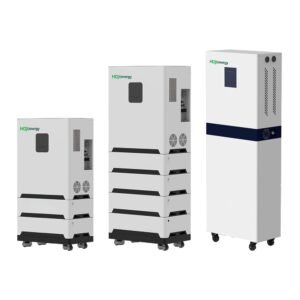
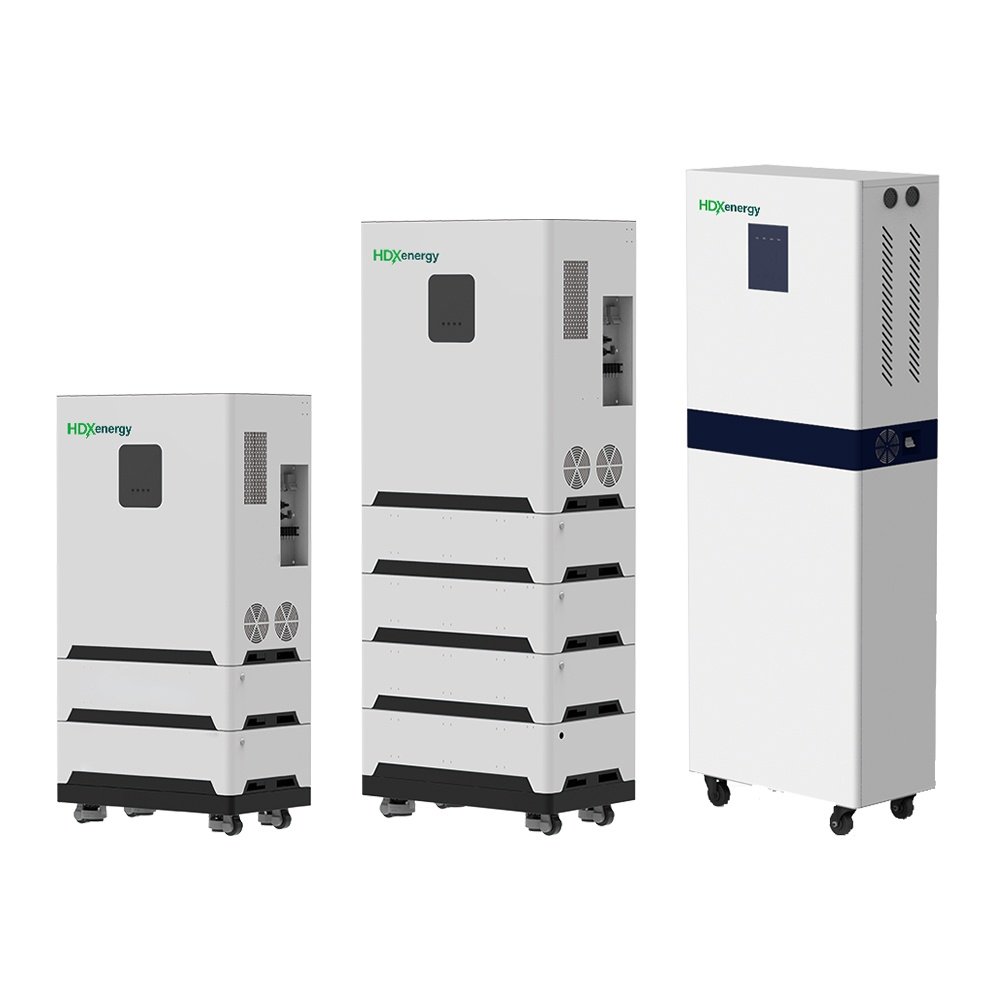
- A. Residential / Home ESS Packs
- B. Portable & Modular Power Stations
- C. RV, Marine, and Off‑Grid 12–48 V Packs
- D. EV‐Grade LiFePO4 Packs (for vehicles and conversions)
3.1 Segment A – Home ESS LiFePO4 Packs
Key features:
- Voltage: 48 V nominal modules or high‑voltage stacks (100–500 V)
- Capacity: 5–30 kWh per system (modular from 2–5 kWh per module)
- Use: Grid‑tied storage, backup, self‑consumption, time‑of‑use arbitrage
3.2 Segment B – Portable Modular Stations
Key features:
- Integrated inverter + battery + BMS
- Capacities: 500 Wh–10 kWh
- Consumer‑friendly UI, designed for:
- Camping, emergency backup, events, light off‑grid loads
3.3 Segment C – 12–48 V RV/Marine/Off‑Grid Packs
Key features:
- Drop‑in replacement for lead‑acid (12 V, 24 V, 48 V)
- Common sizes: 50–300 Ah
- Ruggedized casings, vibration‑resistant, sometimes IP‑rated
3.4 Segment D – EV‑Grade LiFePO4 Packs
Key features:
- High‑voltage: typically 300–800 V system packs
- Use: standard‑range EVs, buses, trucks, forklifts
- Strict automotive standards and thermal management
4. Comparison of Typical 2026 Home LiFePO4 ESS Packs
Below is a representative comparison of home ESS LFP packs as seen from 2023–2024 trends projected into 2026. Replace the “Example Tier” labels with real brands and models for your market.
Table 1 – Typical 2026 Home LiFePO4 ESS Pack Tiers
| Attribute | Entry Tier (5–10 kWh) | Mid Tier (10–20 kWh) | Premium Tier (10–30+ kWh) |
|---|---|---|---|
| Nominal Voltage | 48 V | 48 V / 100–200 V stack | 48 V / 200–400 V stack |
| Usable Capacity per System | 4–9 kWh | 8–18 kWh | 10–30+ kWh |
| Cycle Life @ 80% DoD | ~3,000–5,000 cycles | ~4,000–7,000 cycles | ~6,000–10,000 cycles |
| Warranty (years) | 8–10 | 10–12 | 12–15 |
| Round‑Trip Efficiency | 92–95% | 94–97% | 95–98% |
| Communication | Basic CAN/RS485 | CAN/RS485 + app | Advanced CAN/RS485/Modbus, cloud |
| Inverter Compatibility | Selected brands, manual config | Major hybrid inverters | Broad, auto‑detect, certified pairings |
| Ideal Users | Budget solar households | Typical homeowner with PV | Prosumer, small business, microgrid |
How to use this:
For each tier, plug in actual products and highlight where they excel (e.g., higher DoD warranty, integrated fire suppression, better app).
5. Performance and Safety: What “Top‑Rated” Really Means
5.1 Safety Features to Expect in 2026
Top‑rated LFP packs generally include:
- Cell‑level thermal monitoring
- Over‑temperature, over‑voltage, under‑voltage, over‑current, short‑circuit protection
- Contactors/relays for rapid isolation
- Flame‑retardant housings; some include:
- Gas vents
- Internal fusing
- Optional fire detection integration
Many home ESS products are tested against:
- UL 9540 / 9540A (or regional equivalents)
- IEC 62619 (for industrial/ESS cells and packs)
- UN38.3 (for transport)
5.2 Cycle Life and Degradation
By 2026, realistic marketing is more common. Typical “top‑rated” claims:
- 60–80% capacity retention after 6,000–10,000 cycles under specified conditions (e.g., 25°C, 70–80% DoD)
- Degradation curves are provided in datasheets
In practice:
- Real‑world cycle life depends on temperature, depth of discharge, and charge rate
- Top‑rated packs include:
- Dynamic SoC window management (e.g., reserving buffer)
- Smart charge control to maximize longevity
6. Comfort vs Performance: Portable LiFePO4 Power Stations in 2026
Portable stations are a fast‑growing category and heavily marketed.
Typical 2026 characteristics:
- 1–5 kWh capacity
- Inverter output: 1–5 kW
- Extremely user‑friendly: touchscreens, apps, integrated MPPT, UPS modes
Common Pros:
- All‑in‑one solution with minimal setup
- Good for renters and non‑technical users
- LiFePO4 extends lifetime compared to older NMC‑based stations
Common Cons:
- Higher cost per kWh vs fixed ESS batteries
- Limited modularity beyond brand‑specific expansions
- Less flexible for whole‑home backup
When reviewing for your audience, emphasize:
- Real continuous power vs advertised surge
- Number of cycles warranted
- Noise (fan) levels
- Expansion options (extra batteries, parallel units)
7. RV/Marine LiFePO4 Packs: 12/24/48 V “Drop‑In” Solutions
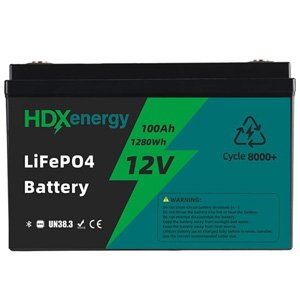
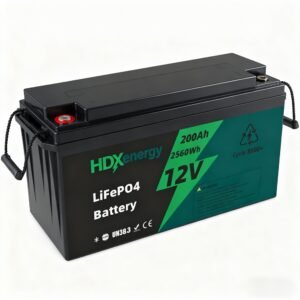
For mobile and marine users, the “12 V 100 Ah LiFePO4” pack remains a staple.
By 2026, top‑rated packs typically offer:
- Built‑in BMS with:
- Low‑temperature charge protection
- Bluetooth monitoring
- Parallel/series support (e.g., up to 4 in series, 4 in parallel)
- Rated for:
- 3,000–6,000 cycles at 80% DoD
- 10+ years of normal use
Typical 12 V Pack Comparison (Indicative)
Table 2 – Example 2026 12 V LiFePO4 RV/Marine Pack Characteristics
| Attribute | Budget 12 V 100 Ah Pack | Mid‑Range 12 V 100 Ah Pack | Premium 12 V 100 Ah Pack |
|---|---|---|---|
| Usable Energy | ~1.0–1.1 kWh | ~1.1–1.2 kWh | ~1.2–1.25 kWh |
| Continuous Discharge | 50–100 A | 100–150 A | 150–200 A |
| Cycle Life @ 80% DoD | 2,000–3,000 cycles | 3,000–5,000 cycles | 5,000–7,000+ cycles |
| Low‑Temp Charge Cut‑off | Optional or basic | Yes (0 °C or above) | Advanced with optional self‑heating |
| Communication | None | Bluetooth / basic app | Bluetooth + CAN / more data points |
| Warranty | 3–5 years | 5–8 years | 8–10+ years |
| Ideal Use | Occasional camping | Regular RV / boat usage | Full‑time off‑grid / long voyages |
For SEO, you can create internal links from this section to dedicated review pages on specific RV/marine battery brands.
8. EV‑Grade LiFePO4 Packs: What’s Different?
EV battery packs are a different league in terms of engineering and certification.
8.1 Design Characteristics
Top EV LiFePO4 packs typically feature:
- Module‑level and pack‑level BMS
- Sophisticated thermal management (liquid cooling, in some cases air‑cooling)
- Designed for:
- High C‑rates (fast acceleration and fast charging)
- Thousands of partial cycles (urban driving)
8.2 Standard‑Range vs Long‑Range EVs
- LFP is widely used in standard‑range vehicles, where:
- Lower cost per kWh is a priority
- Slightly reduced range is acceptable
- High‑end long‑range models often still use NMC/NCA for higher energy density
8.3 Why Not Use ESS Packs in EVs?
Even if the chemistry is the same (LiFePO4):
- ESS packs are not built to handle EV‑level current and vibration
- EV packs must meet automotive standards for:
- Crash safety
- Thermal propagation
- High‑speed charging
For SEO and legal reasons, always emphasize: Do not reuse home ESS packs in DIY EVs without professional engineering and certification.
9. Key Specification Trends in 2026 LiFePO4 Packs
9.1 Voltage and Capacity
- Home ESS: 48 V and high‑voltage stacks are standard
- RV/marine: 12 V, 24 V, 48 V still dominant
- EV: 300–800 V pack systems
9.2 Charge/Discharge Performance
By 2026:
- Many home packs support 0.5–1C continuous discharge (5 kWh pack can deliver 2.5–5 kW)
- Portable stations may support 1–2C bursts
- EV packs easily handle >3C peaks
9.3 Integration & Smart Features
Top‑rated packs commonly include:
- Remote firmware updates
- Cloud monitoring dashboards
- Integration with home energy management systems (HEMS)
- Support for demand response and V2X (in some markets)
10. Price and Value: Cost per Usable kWh per Cycle
While exact 2026 prices vary by region and brand, the value comparison framework is stable:
- Cost per usable kWh = Price / (Nominal kWh × allowable DoD)
- Cost per kWh per cycle = (Price / usable kWh) / warranted cycles
Example (Indicative Only):
- A 10 kWh pack:
- 90% usable (9 kWh), 6,000 cycles, cost = $4,500
- Cost per usable kWh = 4,500/9≈500/kWh
- Cost per kWh‑cycle ≈ 500/6,000≈0.083 per kWh‑cycle
Compare this across products to identify true long‑term value.

11. Typical Comparison: Home ESS vs Portable Station vs RV Pack
Table 3 – LiFePO4 Pack Type Comparison (Home vs Portable vs RV)
| Attribute | Home ESS LFP Pack | Portable LFP Power Station | 12 V RV/Marine LFP Pack |
|---|---|---|---|
| Capacity Range | 5–30+ kWh | 0.5–10 kWh | 0.6–5 kWh (per battery) |
| Inverter Included | No (separate hybrid inverter) | Yes | No |
| Primary Use | Solar + backup | Mobile / plug‑and‑play backup | 12/24/48 V DC + inverter |
| Installation | Fixed, pro install preferred | Portable / DIY | DIY or installer |
| Energy Density | Medium | Medium | Medium |
| Cost per kWh (approx) | Lowest | Highest | Low–medium |
| Mobility | None | High | Vehicle‑integrated |
| Ideal User | Homeowner with PV | Renters, campers, emergencies | RVers, boat owners, off‑grid |
12. How to Choose a Top‑Rated LiFePO4 Pack in 2026
12.1 Step 1 – Clarify Your Use Case
Ask:
- Home backup, full off‑grid, EV, RV, marine, or portable?
- Daily cycling or occasional use?
- Space, weight, and ventilation constraints?
12.2 Step 2 – Check Core Specs
For each candidate pack, evaluate:
- Nominal and usable capacity
- Supported charge/discharge currents
- Cycle life and warranty conditions (temp/DoD limits)
- Operating temperature range
- Communication interfaces
12.3 Step 3 – Validate Safety and Certifications
Look for:
- UL / IEC / regional safety marks
- UN38.3 for transport
- Manufacturer’s test reports
12.4 Step 4 – Verify Integration
- For home ESS: compatibility list with inverters
- For EV: OEM‑approved packs only
- For RV: compatibility with chargers, alternators, DC‑DC units
12.5 Step 5 – Consider Vendor Support and Ecosystem
- Firmware update policy
- Local support and spare parts
- Availability of accessories (racks, cables, monitoring tools)
13. SEO‑Friendly Summary
By 2026, top‑rated LiFePO4 battery packs share common traits: long cycle life, robust BMS protection, strong safety certifications, and seamless integration with inverters or vehicle systems. Whether for home solar storage, RV and marine power, or EV applications, LiFePO4 offers a compelling mixture of safety, durability, and cost efficiency.
When comparing packs, focus less on headline capacity and more on:
- Usable energy
- Warranted cycles at realistic DoD
- Safety standards
- Integration and user experience
This approach will help homeowners, installers, and fleet operators choose the best LFP solution for long‑term reliability and value.
Professional FAQ: Top‑Rated LiFePO4 Battery Packs in 2026
Q1: Are LiFePO4 battery packs still the best choice for home energy storage in 2026?
In most residential and small commercial scenarios, yes. LiFePO4 offers:
- Long cycle life for daily solar cycling
- High safety and thermal stability
- Competitive cost per kWh‑cycle
Other chemistries (e.g., sodium‑ion, emerging solid‑state) may appear, but LiFePO4 remains a mature, proven technology in 2026.
Q2: What’s a “good” cycle life rating for a LiFePO4 pack in 2026?
For top‑rated packs, look for:
- At least 4,000 cycles at 80% DoD
- Premium packs: 6,000–10,000 cycles under defined conditions
Always read the fine print: check the temperature range, DoD, and C‑rate associated with the warranty.
Q3: How can I compare different LiFePO4 packs fairly?
Use these metrics:
- Usable capacity (kWh) rather than nominal
- Warranted cycles at a realistic DoD
- Cost per usable kWh and cost per kWh‑cycle
- Certifications and safety test results
- Integration support and vendor reputation
This gives a more objective comparison than just price and capacity.
Q4: Is it safe to use LiFePO4 indoors in a home?
Generally yes, provided:
- The pack is certified and properly installed
- Adequate clearance and ventilation are provided
- Local electrical codes and manufacturer guidelines are followed
LiFePO4’s thermal stability and low thermal runaway risk make it suitable for indoor or garage installation in many markets.
Q5: Can I use a LiFePO4 home ESS pack as an EV battery?
No. EV packs must meet automotive standards and are designed for:
- High current peaks
- Vibration and crash survivability
- Fast‑charge conditions
Home ESS packs are not engineered or certified for this environment.
Q6: Do top‑rated LiFePO4 packs support fast charging?
- Home ESS packs: usually limited to 0.5–1C to protect cycle life
- EV packs: designed for higher C‑rates with appropriate thermal management
For RV/portable packs, check the manufacturer’s recommended max charge rate and design your system (alternator, charger, solar) accordingly.
Q7: Will emerging chemistries replace LiFePO4 after 2026?
New technologies (sodium‑ion, solid‑state, advanced LFP variants) are being tested, but LiFePO4’s:
- Mature supply chain
- Proven safety
- Well‑understood lifetime
mean it remains a dominant and “top‑rated” choice for home ESS and many EV classes well beyond 2026.