If you want the best solar system for your home, you should think about what is most important to you. Some people want more energy independence. Others care more about saving money or having reliable power. A residential solar energy system can help you pay less for electricity and use more clean energy. There are many solar options to power your home with renewable energy. Battery storage now lets your home solar system save solar energy for later. You can use this energy at night or when the power goes out. Solar energy for homes gives you more control and helps you feel safe.
Key Takeaways
- Think about how much energy you use and your budget before picking a solar system. Each type has its own good points. Grid-tied systems do not cost a lot and are simple to set up, but they do not give you power when the grid goes out. Off-grid systems let you make all your own power, but you need to pay more at first and change how you live. Hybrid systems mix the good things from grid-tied and off-grid systems. They give you backup power and can help you save money. Battery storage makes solar systems better because you can use solar energy at night or when the power goes out. You need to take care of your solar system often so it works well and lasts longer. Look for deals and tax credits to help lower the first costs of getting solar energy. Talk to solar experts to pick the best system for your house and what you will need later.
Types of Residential Solar Energy Systems
You have a few choices when adding solar to your home. Each one gives you different benefits. Some save more money. Others give you more energy freedom or better backup. Before picking, learn about the main types. These are grid-tied, off-grid, and hybrid solar systems.
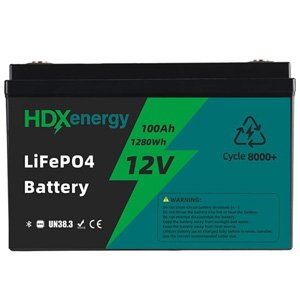
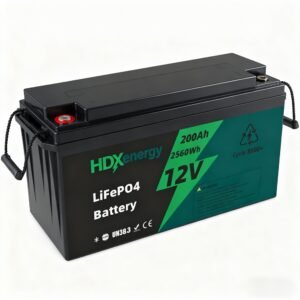
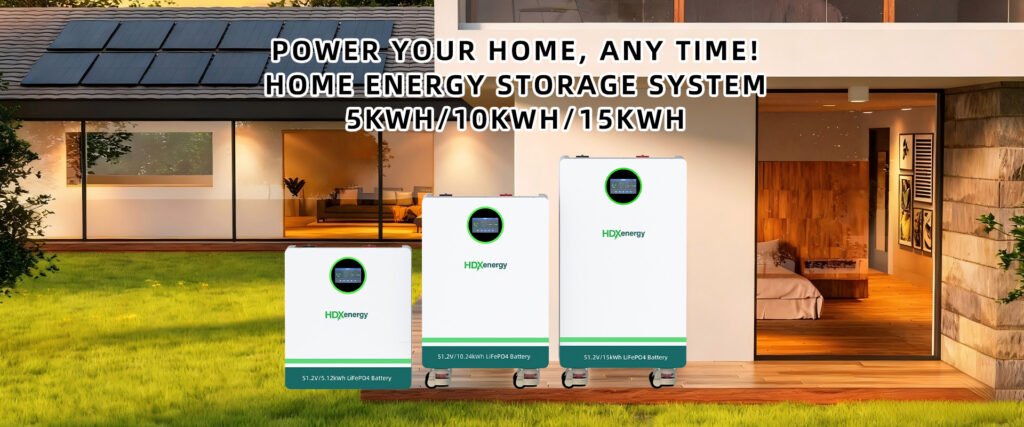
HDX Energy’s Home Battery Storage helps you use more of your solar power. You can add it to hybrid or off-grid systems. It stores solar energy for later. This means you can use solar power at night or when it is cloudy.
Here is a simple look at how these systems are different:
| System Type | Characteristics | Pros | Cons |
|---|---|---|---|
| Grid-tied | Connected to the utility grid, uses solar energy and grid electricity. | Cheapest home solar system, Less equipment | No backup power |
| Off-grid | No connection to the utility grid, requires battery storage and backup source. | Provides electricity where there is no grid access, Self-reliant | Very expensive, Requires lifestyle changes |
| Hybrid | Combines grid-tied and off-grid features, includes batteries for storage. | Provide backup power, Increase energy independence, Can potentially save more money on electricity bills | Expensive, Not always the right financial choice |
Grid-Tied Systems
Grid-tied systems link your solar panels to the city’s power grid. You use solar power during the day. If you make extra, it goes back to the grid. At night, or if you need more, you use grid power. This system costs less and has fewer parts. But you do not get backup if the grid fails.
Off-Grid Solar Systems
Off-grid solar systems do not connect to the city’s power grid. You depend on solar panels, batteries, and sometimes a generator. You must store enough energy for night and cloudy days. This system gives you full energy freedom. You need to use less power and change some habits. Off-grid systems cost more because you need more gear.
Hybrid Systems
Hybrid solar systems mix grid-tied and off-grid features. You use solar panels and batteries. You can also use grid power if needed. Hybrid systems let you save solar energy for later. You get backup power if the grid goes out. You can save more on your power bills. Hybrid systems cost more than grid-tied ones, but you get more energy freedom.
Tip: Think about your energy needs, where you live, and your budget before you choose. The solar equipment you pick will also change how your system works.
The right solar setup can make your home stronger and more efficient. HDX Energy’s Home Battery Storage gives you more choices and helps you get the most from your solar panels.
How Each System Works
Grid-Tied Operation
A grid-tied solar system links your house to the city’s power grid. Solar panels catch sunlight and make electricity. An inverter changes the electricity from DC to AC. This lets you use solar energy for things in your home.
If your solar panels make extra power, it goes to the grid. You can get credits on your bill with net metering. At night or when it is cloudy, you use power from the grid. Grid-tied systems have special parts to keep things safe and working well.
Here is a table that shows the main parts of how grid-tied solar systems work:
| Mechanism | Description |
|---|---|
| DC to AC Conversion | Changes DC from solar panels to AC for your home. |
| Maximum Power Point Tracking | Adjusts power for the best solar energy. |
| Grid Synchronization | Matches inverter power with the grid’s power. |
| Power Export and Self-Consumption | Sends extra solar power to the grid for credits. |
| Anti-Islanding Protection | Shuts down during outages to keep workers safe. |
| Operational Modes | Switches between sending power, helping the grid, or shutting down. |
Note: Grid-tied systems stop working if the power goes out. They do this to keep the grid and workers safe.
Off-Grid Operation
Off-grid solar systems do not connect to the city’s power grid. You only use solar panels, batteries, and sometimes a generator. Solar panels make electricity during the day. The system saves extra energy in batteries for later.
You must watch how much energy you use. If you use too much, you might run out of power. Off-grid systems need more equipment, like big batteries and sometimes a generator. These systems give you full energy freedom.
You can use off-grid solar in places far from the city. They let you live where you want, even if there is no grid.
Hybrid Operation
A hybrid solar system mixes grid-tied and off-grid features. You use solar panels and batteries, but you also stay linked to the grid. This setup gives you more control over your energy use. You can save solar energy in batteries and use it when you need it.
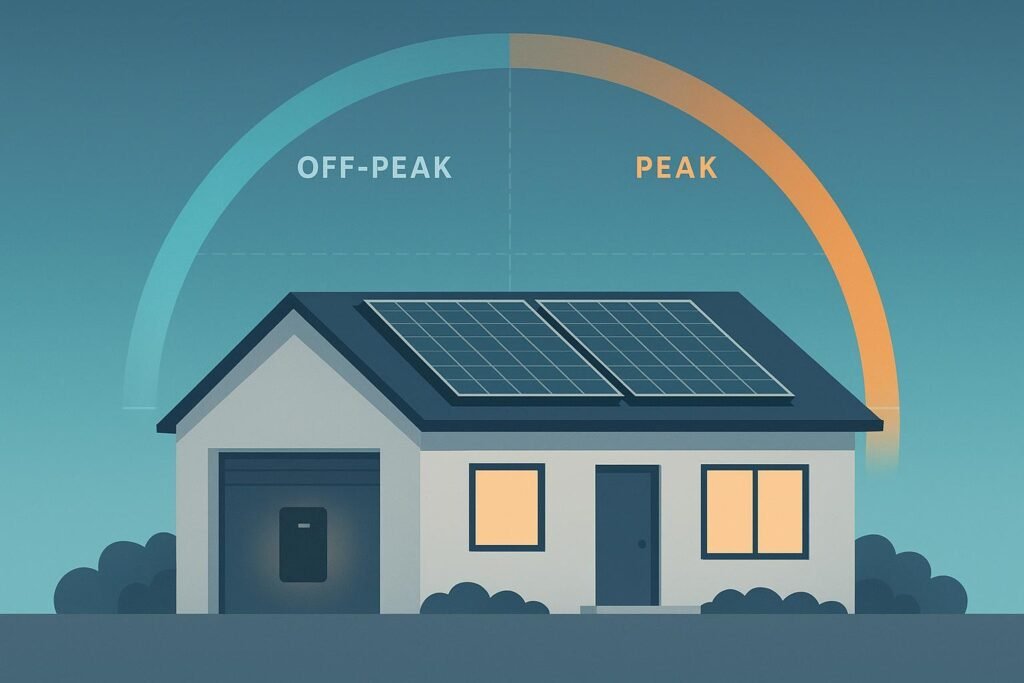
Hybrid inverters help you manage your energy. They let you store power when it is cheap and use it when rates are high. This can help you save money on your bill. If the grid goes out, your batteries keep your lights and important things on.
Here are some ways battery storage helps hybrid solar systems:
- You can save solar energy for night or outages.
- You get to use energy when prices are highest.
- You can pay less for energy and get your money back faster.
- You have steady power, even if the grid stops working.
Hybrid systems let you use solar energy in a way that fits your life. You get backup power, save money, and have more energy freedom.
Types of Solar Equipment
When you pick solar for your house, you also need to choose the right equipment. The equipment you pick will change how your system works. It also affects how much energy you get and if you can make your system bigger later. Each setup has its own good points. You should match your equipment to your roof, how much energy you use, and how much money you want to spend.
String Systems
String systems are the most common way to set up solar panels. In this setup, you connect a few panels together in a line. This is called a “string.” The string connects to one inverter. The inverter changes the electricity from your panels into power you can use at home.
String systems work best when all the panels get the same sunlight. If one panel is in shade, the whole string does not work as well. You need to keep your roof clear of trees or things that block the sun. String systems usually cost less money and are easy to put in. They are a good choice if your roof faces one way and has no shade.
Here is a quick look at how string inverters and microinverters are different:
| Feature | Microinverters | String Inverters |
|---|---|---|
| Safety | Converts DC to AC at the source, reducing DC voltage build-up | Centralized conversion can lead to higher DC voltage |
| Performance in Shaded Conditions | Independent operation of each panel, optimizing generation | Performance limited by the weakest panel in the string |
| Monitoring | Individual panel-level monitoring for quick troubleshooting | Requires checking each panel for faults |
| Scalability | Easy to add more panels without major redesign | May require redesign for additional panels |
| Lifespan and Warranty | Typically 25-year warranty, designed for longevity | Generally 10-12 year warranty, may require mid-life replacement |
Microinverter Systems
Microinverter systems use a small inverter on every solar panel. This setup lets each panel work by itself. If one panel is in shade or gets dirty, the other panels still make power. You get better results, especially if your roof has different angles or some shade.
You can also see how much energy each panel makes. This helps you find problems fast. Microinverter systems make it easy to add more panels later. You do not have to change your whole system. Many microinverters have long warranties, so you do not have to worry for many years.
- Microinverters let each panel work alone, so shade on one does not hurt the others.
- You get the best results if your roof has many angles or trees nearby.
- Microinverters can give you more energy over time in tricky spots.
DC Optimized Systems
DC optimized systems use a special device called a power optimizer on each panel. The optimizer helps each panel make as much energy as it can. The system sends the power to a central inverter. This setup gives you some of the good things about microinverters, like better performance in shade and being able to check each panel.
You can use DC optimized systems if you want more energy from each panel but still want a central inverter. These systems work well for roofs with some shade or different directions. You can also see how each panel is doing, which helps you fix problems.
Tip: The right equipment can help you get the most from your solar investment. Think about your roof, how much energy you need, and if you want to make your system bigger later.
You can also think about other things, like the type of solar panels, how much power they make, and what kind of battery storage you use. All these choices change how much energy you make and how much money you save.
Pros and Cons of Each System
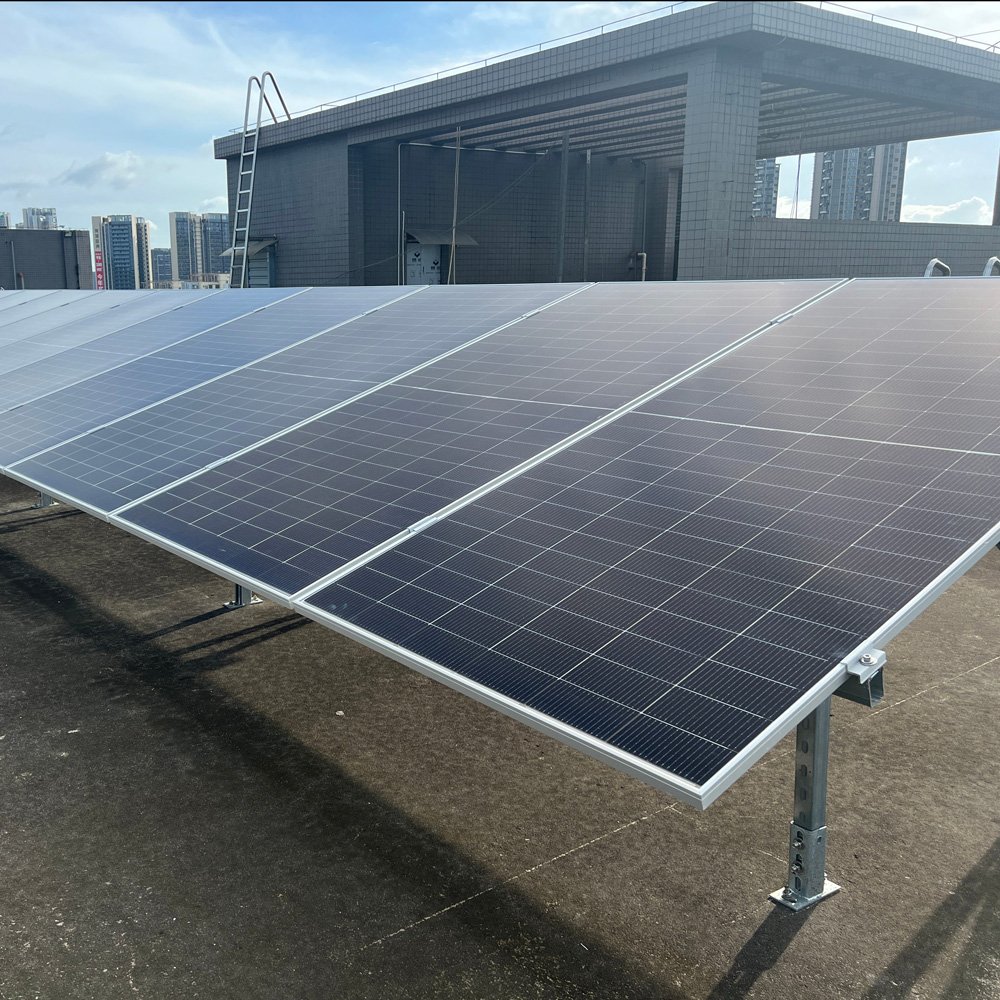
Grid-Tied Pros
Grid-tied systems have many good points for your home. Many people like them because they help save money on power bills. They also make solar energy less costly.
- Cost savings: You can use solar power to pay less for energy.
- Selling excess energy: If your panels make extra power, you can send it to the grid. This can give you credits or even some money.
- No battery requirement: You do not need batteries. This makes the system cheaper and easier to put in.
- Simple maintenance: There are fewer parts, so you do not spend much time or money fixing things.
- Easy access to power: You can use grid electricity at night or when your panels do not make enough.
Grid-tied systems are great for homes in cities or towns. You use solar power in the day and the grid at night.
Grid-Tied Cons
There are also some bad points with grid-tied systems. These systems need the utility grid, so there are some limits.
- No backup power: If the grid stops, your solar panels stop too. You lose power when there is an outage.
- Limited energy independence: You still need the grid when your panels do not make enough.
- Net metering rules: Some places have strict rules for selling extra energy. You might not always get a good deal.
- No energy storage: Without batteries, you cannot keep solar energy for later.
If you want more energy freedom or backup power, you should look at other choices.
Off-Grid Pros
Off-grid systems let you control your own energy. You do not need the utility grid. This setup is best for homes far away or where the grid is not reliable.
| Benefit | Description |
|---|---|
| Energy Independence | You do not need utility companies or the grid. |
| Reliable in Remote Areas | You get power even if the grid goes out or during storms. |
| Energy Storage for Emergencies | You can keep extra energy for night or cloudy days. |
- Complete independence: You make and store all your power without the grid.
- Energy storage: You can save extra solar energy for times when there is no sun.
- Sustainable living: You only use solar energy, which is better for the planet.
- Reliable power: Off-grid systems keep your house running even if the grid fails.
Off-grid systems let you live where you want and stay powered in emergencies.
Off-Grid Cons
Choosing an off-grid solar system gives you full energy independence, but you face some challenges. You need to understand these drawbacks before you decide.
- You pay more upfront. Off-grid solar systems cost more because you need extra equipment like batteries and backup generators. You must buy enough batteries to store power for nights and cloudy days. This makes the system expensive for most homeowners.
- You must change your lifestyle. Living with an off-grid solar setup means you watch your energy use every day. You cannot use as much power as you want. You may need to limit how often you use appliances or heating and cooling. You must plan for times when the sun does not shine.
- You handle more maintenance. Off-grid solar systems require regular checks. You must monitor battery health, clean panels, and check wiring. If something breaks, you fix it yourself or call a specialist. You cannot rely on the utility company for help.
- You risk running out of power. If your solar panels do not make enough energy, you may lose electricity. Bad weather or long winter days can cause problems. You must prepare for emergencies and have backup plans.
- You face limited scalability. If your energy needs grow, you must add more panels and batteries. This can be costly and complicated. You must plan carefully before you expand your system.
Note: Off-grid solar systems work best for remote homes or cabins. You must be ready for the extra effort and costs.
You may want to consider a hybrid system if you need more flexibility. Hybrid solar setups let you use both solar and grid power, giving you backup and easier expansion.
Cost and Financial Considerations
Upfront Costs
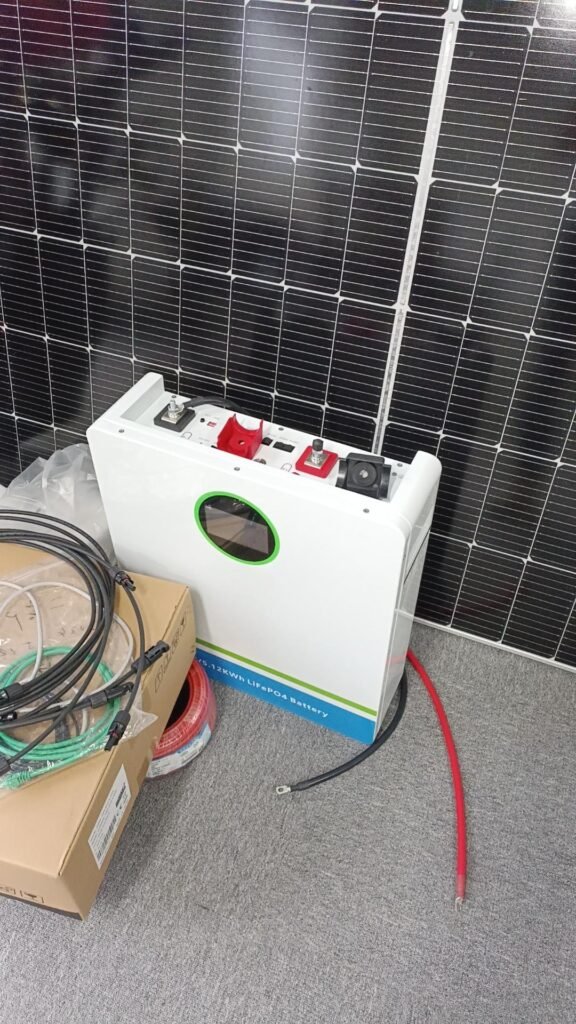
When you pick a solar system, you should think about the first costs. Grid-tied systems cost the least. You pay for solar panels, an inverter, and someone to install them. Off-grid systems cost more because you need batteries and maybe a generator. Hybrid systems cost more than grid-tied because you add batteries.
Here is a simple table that shows the usual first costs for each system:
| System Type | Upfront Cost | Main Equipment Needed |
|---|---|---|
| Grid-Tied | Low | Solar panels, inverter |
| Off-Grid | High | Solar panels, batteries, generator |
| Hybrid | Medium-High | Solar panels, batteries, inverter |
You can pay less at first if you pick the right equipment and find rebates.
Maintenance Costs
Solar systems need care to keep working well. Grid-tied systems cost the least to keep up. You clean the panels and check the inverter. Off-grid systems need more care. You must check batteries, clean panels, and sometimes fix a generator. Hybrid systems need care for both panels and batteries.
Here are some tips to help you take care of your system:
- Clean your solar panels every few months.
- Check your inverter for signs of damage.
- Watch battery health if you have storage.
- Get your system checked once a year.
Doing these things helps your system last longer.
Incentives and Savings
There are many ways to save money when you get solar at home. Solar power is a popular upgrade for saving energy. You can save money over time by using solar instead of grid power. Homeowners can get tax breaks that let you take off part of the cost from your federal taxes. Many states give rebates to help lower the first cost of solar panels.
The Residential Clean Energy Credit gives you tax credits for part of what you pay for solar panels. You can also use net metering to get credits for extra energy your panels make. These credits help lower your bills each month.
Here is a list of common ways to save and get incentives:
- Federal tax credits for solar installation
- State and local rebates
- Net metering programs
- Residential Clean Energy Credit
You can use these programs to make solar cheaper and save more money.
Return on Investment
When you think about adding solar to your home, you want to know how long it takes to get your money back. This is called your return on investment, or ROI. ROI tells you how many years it will take for your solar system to pay for itself through energy savings.
You start by looking at the total cost of your solar system. This includes the price of the panels, installation, and any extra equipment like batteries. You also need to think about any rebates or tax credits you get. These can lower your cost and help you reach your break-even point faster.
Most homeowners see a return on investment in 6 to 10 years. The exact time depends on where you live, how much sunlight you get, and how much energy you use. If you live in a place with high electricity prices, you can save more money each month. This means you reach your ROI sooner.
Here is a simple table to help you see how ROI works for different solar systems:
| System Type | Average ROI (Years) | Main Factors That Affect ROI |
|---|---|---|
| Grid-Tied | 6-8 | Electricity rates, net metering |
| Off-Grid | 10-15 | Battery size, energy use, location |
| Hybrid | 7-12 | Battery storage, backup needs |
Tip: You can speed up your ROI by using more of your own solar energy and less grid power.
Solar panels last a long time. Many work well for 25 years or more. After you reach your ROI, you keep saving money every year. These savings can add up to thousands of dollars over the life of your system.
You also protect yourself from rising energy prices. When rates go up, your solar savings grow. If you add battery storage, you can use even more of your own energy and save more money.
To get the best ROI, choose the right system for your needs. Look at your energy use, your roof, and your budget. Talk to a solar expert if you need help. They can show you how much you can save and how fast you will see a return.
Adding solar to your home is a smart way to invest in your future. You save money, help the planet, and gain more control over your energy.
Reliability and Backup Power
Grid-Tied Reliability
Grid-tied solar systems give steady power if the grid works. They use both solar energy and electricity from the grid. If your solar panels do not make enough, you still get power from the grid. This setup is good for cities and towns with a strong grid. But grid-tied systems do not give backup power during outages. When the grid goes out, your solar panels stop too. This is to keep utility workers safe from live wires. If you want backup, you need batteries or another backup source.
Off-Grid Reliability
Off-grid solar systems let you control your own energy. You do not need the utility grid at all. Solar panels make electricity and extra energy goes in batteries. This setup is best for faraway places or where the grid is weak. You must watch your energy use every day. If you use too much, your batteries can run out. You need enough solar panels and batteries for cloudy days and nights. Some people add a generator for extra backup. Off-grid systems give you energy freedom, but you must plan well so you do not lose power.
Hybrid Reliability
Hybrid solar systems mix grid-tied and off-grid features. You use solar panels, batteries, and the grid together. You get power from the sun, store extra energy, and use the grid when needed. If the grid fails, your batteries keep your lights and important things on. Hybrid systems give you more choices and peace of mind. You can use solar energy in the day and batteries at night. The grid is there as backup. HDX Energy’s Home Battery Storage makes hybrid systems even better. You can store solar energy well and use it when you need it most. The system is easy to put in and can grow if you need more power.
Here is a table that shows two common backup power options for homes:
| Features | Solar IPS | Solar UPS |
|---|---|---|
| Purpose | Supports multiple devices | Supports single devices |
| Application | General home appliances | Sensitive electronic appliances |
| Backup Duration | Long-term (hours) | Short-term (minutes to an hour) |
| Switch Time | Fast (2 to 10 seconds) | Instant (0 to 2 milliseconds) |
You can use solar battery storage to keep your home running during outages. Batteries give you backup power and help you use more of your own solar energy. With the right system, you can have reliable power every day.
Backup Power Options
You want your house to have power during blackouts. Many people want backup power when they get solar. There are a few choices. Each one is good for different needs and budgets.
The most common backup power options for homes with solar are:
- Solar batteries
- Gasoline or propane generators
- Hybrid systems with battery storage
- Uninterruptible Power Supply (UPS) units
Let’s see what each option does so you can pick the best one for your home.
Solar batteries keep extra energy from your solar panels. You use this energy at night or if the grid stops working. These batteries give you quiet and clean power. You do not need any fuel. You can run lights, your fridge, and other important things. HDX Energy’s Home Battery Storage lets you add batteries to your solar system. You can start with a small setup and add more batteries later. The system is safe, lasts a long time, and is easy to put in.
Generators use gasoline or propane to make power. You turn them on when you lose electricity. Generators can run many things in your house. But they are noisy and need fuel. You must keep fuel in a safe place. Generators are good for short blackouts or if you do not have solar.
Hybrid systems use solar panels, batteries, and the grid together. You use solar energy in the day. At night or during a blackout, you use batteries. If you need more power, you use the grid. Hybrid systems give you lots of choices. You can save money and always have backup power.
UPS units protect things like computers. They give you a few minutes of power if the electricity stops. This lets you save your work and turn things off safely. UPS units do not run big things, but they help during short blackouts.
Here is a table to help you compare backup power options:
| Option | Power Source | Noise Level | Maintenance | Best For |
|---|---|---|---|---|
| Solar batteries | Solar energy | Silent | Low | Long outages, clean energy |
| Generator | Gas/Propane | Loud | Medium | Short outages, high loads |
| Hybrid system | Solar/Grid/Battery | Silent | Low | Flexible, reliable power |
| UPS | Battery | Silent | Low | Electronics, short outages |
Tip: If you want backup power that is clean, quiet, and reliable, solar batteries are a smart pick. You can use more of your own solar energy and keep your house running during emergencies.
Think about how much energy you need, your budget, and how often you lose power. Talk to a solar expert if you need help picking the right backup power. With the right system, you can feel safe and ready for anything.
Energy Independence and Environmental Impact
Independence Levels
You want to control your own energy. A residential solar energy system can help you do this. The type of system you pick changes how much you need the grid. Here is a table that shows the differences:
| System Type | Pros | Cons |
|---|---|---|
| Off-Grid | 1. You do not need the grid. 2. No monthly power bills. 3. Good for the environment. | 1. Costs more at first. 2. Needs more care. 3. Has less energy to use. |
| Hybrid | 1. Costs less than off-grid. 2. Works during blackouts. 3. Gives some energy freedom. | 1. You still pay bills. 2. Batteries do not last forever. 3. Still uses some grid power. |
If you choose an off-grid system, you do not need the utility company. You make and use your own electricity. Hybrid systems let you use solar and batteries, but you can also use the grid if you need it. This gives you more options and helps you feel safe at home.
Environmental Benefits
Solar energy is good for the planet. When you use solar at home, you make less pollution and save water. Here is a table that lists some main benefits:
| Environmental Benefit | Description |
|---|---|
| Reduction in Carbon Emissions | Using solar makes less carbon and air pollution. |
| Minimal Water Usage | Solar panels use little water, so they help save water. |
| Energy Payback Period | Solar systems pay back their energy in 1-4 years, then make clean power for many years. |
You help the earth every time you use solar instead of fossil fuels. You also help keep the air and water clean for your family and your neighbors.
Carbon Footprint
You can make your carbon footprint smaller by using solar at home. Each system helps in its own way:
- Grid-tied systems let you use solar in the day and save extra energy for night. This means you use less fossil fuel and make less carbon.
- Off-grid systems give you full energy freedom. You do not use any fossil fuel energy from the grid, so your carbon footprint gets much smaller.
- Hybrid systems mix both ways. You use solar and batteries, but you can still use the grid if you need to. This setup gives you more choices and helps you lower your carbon even more.
Tip: Every step you take with solar helps the earth. You make your home cleaner and more free while saving money and energy.
Practical Considerations for Homeowners
Location and Climate
You need to think about where you live before choosing a solar system for your home. Your location affects how much sunlight your panels get. If you live in a sunny area, your solar panels will make more energy. In places with lots of clouds or rain, you may need a bigger system to meet your needs. The way your roof faces and the angle of your panels also matter. You want your panels to face the sun as much as possible. Shade from trees or buildings can lower how much energy you make. The size of your solar system changes how well it works in your area.
- Geographical location changes how much sunlight your panels get.
- The direction and tilt of your panels help you catch more sun.
- Shade from trees or buildings can lower your energy output.
- The size of your system affects how much energy you can make.
Energy Needs
You should look at your energy needs before picking a solar system. Every home uses energy in different ways. You want to make sure your solar setup matches your daily use. Check how much space you have for panels. Your roof needs to be strong enough to hold panels for many years. If your roof is old, you may need to fix it first. Look for shadows from trees or other buildings. These can block sunlight and lower your solar power. Count how many hours of sun you get each day. This helps you know how many panels you need.
| Factor | Description |
|---|---|
| Property Ownership | You get the most savings and value if you own your home. |
| Space Considerations | Check your roof space to fit enough panels for your energy goals. |
| Roof Suitability | Make sure your roof can hold panels for at least 25 years. |
| Shadows and Obstructions | Find and fix anything that blocks sunlight from reaching your panels. |
| Sunlight Availability | Know your local sun hours to plan the right number of panels. |
Regulations and Permits
You must follow rules and get permits before installing a solar system. Every city and state has different rules for solar panels. You need to check local building codes. Some places ask for special permits to make sure your system is safe. Your solar setup must meet safety standards. Talking to your local government or a professional installer helps you find out what permits you need. You may also learn about incentives for using renewable energy.
- Check local building codes and regulations before installing solar panels.
- Get the right permits for your solar system.
- Make sure your system meets safety standards.
- Ask local offices or installers about permits and incentives.
Tip: Planning ahead helps you avoid delays and problems. You get the best results when you follow all rules and make sure your solar system fits your home and needs.
System Scalability
You want your solar system to grow with your needs. System scalability means you can add more power or storage as your life changes. Maybe you buy an electric car. Maybe your family grows. You might add new appliances. A scalable solar setup lets you adjust without starting over.
Many homeowners start with a small solar system. Over time, you may want more panels or battery storage. Not all systems make this easy. Some setups need big changes if you want to expand. You should think about scalability before you choose your solar equipment.
Here are some reasons why system scalability matters:
- Your energy use can change over time.
- New technology, like electric vehicles, can increase your needs.
- You may want to add more solar panels or batteries later.
- A scalable system saves you money and time in the future.
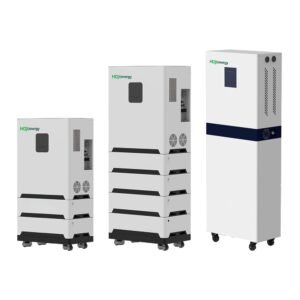
HDX Energy’s Home Battery Storage gives you a simple way to expand. The system uses a modular design. You can start with one battery and add more as you need them. Each unit connects easily. You do not need special tools or heavy machines. Two people can install a new battery in less than an hour.
Tip: Choose a solar system that lets you add more panels or batteries without a full upgrade. This helps you keep up with your energy needs.
Here is a table to show how different systems handle scalability:
| System Type | Can Add More Panels? | Can Add More Batteries? | Easy to Expand? |
|---|---|---|---|
| Grid-Tied | Yes | No (usually) | Sometimes |
| Off-Grid | Yes | Yes | Can be complex |
| Hybrid | Yes | Yes | Easiest |
A hybrid solar system with modular battery storage gives you the most flexibility. You can add up to 16 HDX Energy Home Battery Storage units. This means you can grow from 5 kWh to 80 kWh of storage. You do not need to worry about outgrowing your solar system.
When you plan for the future, you save money and avoid stress. Think about your long-term goals. Pick a solar system that grows with you. This way, your home stays ready for new technology and higher energy use.
Choosing the Right System
Assessing Priorities
You need to know what matters most before you choose a residential solar energy system. Every home is different. Your needs will guide your decision. Some people want to save money. Others want more energy independence. You may want backup power for storms or blackouts.
You can use the table below to help you think about your main priorities:
| Criteria | Description |
|---|---|
| Climate and Location | Look at how much sunlight you get each year. Think about the seasons and how they change your solar power. |
| Household Hot Water Needs | Check how much hot water your family uses every day. Family size and routines can change your needs. |
| Roof Space and Orientation | Make sure your roof has enough space and faces the right way for the most sunlight. |
| Installation Costs | Learn about the costs for each system. Think about how hard it is to install and what you might pay for repairs. |
You should write down your goals. Do you want to lower your bills? Do you want to live off the grid? Do you want to help the environment? Your answers will help you pick the best solar setup for your home.
Budget Evaluation
You need to look at your budget before you buy a solar system. Start by checking how much you can spend right now. Some systems cost less to install. Others need more money at the start but save you more over time.
Think about these points when you plan your budget:
- Upfront costs: This is the money you pay for panels, batteries, and installation.
- Maintenance: Some systems need more care and repairs. This can add to your costs.
- Incentives: You may get tax credits or rebates. These can lower your total price.
- Savings: Solar can help you pay less for electricity every month. Over time, you can save a lot.
You should compare the costs for grid-tied, off-grid, and hybrid systems. Write down the numbers. See which one fits your budget and your goals. If you want to add more panels or batteries later, look for a system that lets you do this without starting over.
Consulting Experts
You should talk to solar energy experts before you make your final choice. Experts can help you find the best system for your home. They know about the latest technology and local rules.
Here are some steps you can follow:
- Ask for advice from solar professionals. They can give you recommendations that fit your needs.
- Make sure your system follows all local rules and building codes. This helps your installation go smoothly.
You can ask questions about your roof, your energy use, and your budget. Experts can help you understand how much solar power you need. They can also tell you about the best equipment for your home. You will feel more confident when you make your decision.
Tip: Take your time. Learn as much as you can. The right solar system will help you save money, protect your home, and use clean energy for many years.
Making Your Decision
You have learned about the main types of solar energy systems. Now, you need to make a choice that fits your home and your goals. This step is important because your decision will affect your energy bills, your comfort, and your peace of mind for many years.
Start by reviewing your priorities. Ask yourself what matters most. Do you want to save the most money? Do you want backup power during storms? Do you want to be free from the grid? Write down your answers. This will help you focus on what you need.
Next, compare your options side by side. Use a simple table like the one below to see how each system matches your needs:
| System Type | Best For | Main Benefit | Main Limitation |
|---|---|---|---|
| Grid-Tied | Saving money | Lower upfront cost | No backup power |
| Off-Grid | Full independence | No grid needed | Higher cost, lifestyle changes |
| Hybrid | Flexibility and backup | Backup + savings | Medium to high cost |
Think about your budget. Check how much you can spend now and how much you want to save later. Remember, solar panels and batteries are an investment. They can lower your bills and protect you from rising energy prices. If you want to start small, choose a system that lets you add more panels or batteries later.
You should also look at your home. Check your roof space and the amount of sunlight you get. Make sure your roof is strong and faces the sun. If you have shade or a small roof, you may need a different setup.
Here are some steps to help you make your final decision:
- List your top three goals for your solar system.
- Match each goal to the system type that fits best.
- Compare costs, savings, and benefits for each option.
- Think about future needs, like adding an electric car or more appliances.
- Talk to a solar expert if you have questions.
Tip: Choose a system that fits your life today and can grow with you tomorrow. A modular battery system, like HDX Energy’s Home Battery Storage, makes it easy to expand as your needs change.
You should feel confident about your choice. The right solar system will help you save money, use clean energy, and keep your home safe. Take your time, ask questions, and pick the system that matches your goals. Your decision will shape your energy future.
You now know how grid-tied, off-grid, and hybrid solar systems work at home. Each type has its own good points. You can save money, have more energy freedom, or get backup power when you need it. Think about what you want and how much you can spend before picking a solar system. You can talk to a solar expert or look at HDX Energy’s Home Battery Storage for help. Make a smart choice for your home and your future.
- Look at different solar systems to see what fits your goals.
- Ask questions and make a plan for your solar setup.
FAQ
How do I know which solar system is right for my home?
You should look at your energy needs, budget, and location. Talk to a solar expert. They can help you pick the best system for your goals.
Can I add battery storage to my existing solar system?
Yes, you can add battery storage to many solar systems. HDX Energy’s Home Battery Storage works with hybrid and off-grid setups. You can start small and expand later.
What happens to my solar power at night or on cloudy days?
Your solar panels do not make much power at night or when it is cloudy. You use stored energy from your batteries or get power from the grid if you have a hybrid or grid-tied system.
How long does it take to install HDX Energy’s Home Battery Storage?
You can install HDX Energy’s Home Battery Storage in less than an hour. Two people can set it up without heavy tools. The system is lightweight and easy to mount.
Will solar panels work during a power outage?
Grid-tied systems stop working during outages for safety. If you want backup power, you need a hybrid or off-grid system with battery storage.
How much money can I save with solar and battery storage?
You can save up to 90% on energy costs with solar and battery storage. Your savings depend on your energy use, local rates, and how much sunlight you get.
Is HDX Energy’s Home Battery Storage safe for my family?
Yes, the system uses ultra-safe LiFePO₄ cells. It has a 10-year warranty and lasts up to 25 years. You can trust it to keep your home safe and powered.