Containerized Microgrid Storage gives you a powerful way to store energy in a ready-to-use shipping container. You get a complete system that holds batteries, controls, and sometimes backup generators. This setup helps you keep power steady, even when the main grid fails. Unlike old storage methods, you can move and install this solution quickly. You also support cleaner energy and make your power supply more reliable.
Key Takeaways
- Containerized Microgrid Storage offers a complete energy solution in a portable shipping container, making it easy to set up and use anywhere.
- The system includes essential components like batteries, management systems, and safety features, ensuring reliable energy storage and usage.
- You can charge and discharge energy smartly, balancing supply and demand, which helps save costs and supports renewable energy sources.
- Mobility and scalability are key benefits, allowing you to move the system as needed and expand it to meet growing energy demands.
- Using containerized microgrid storage can lower energy bills, reduce reliance on diesel generators, and enhance energy independence.
Containerized Microgrid Storage Overview

What It Is
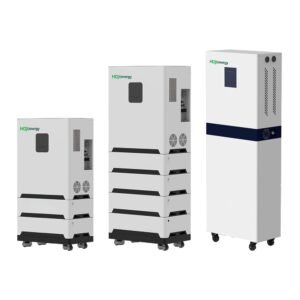
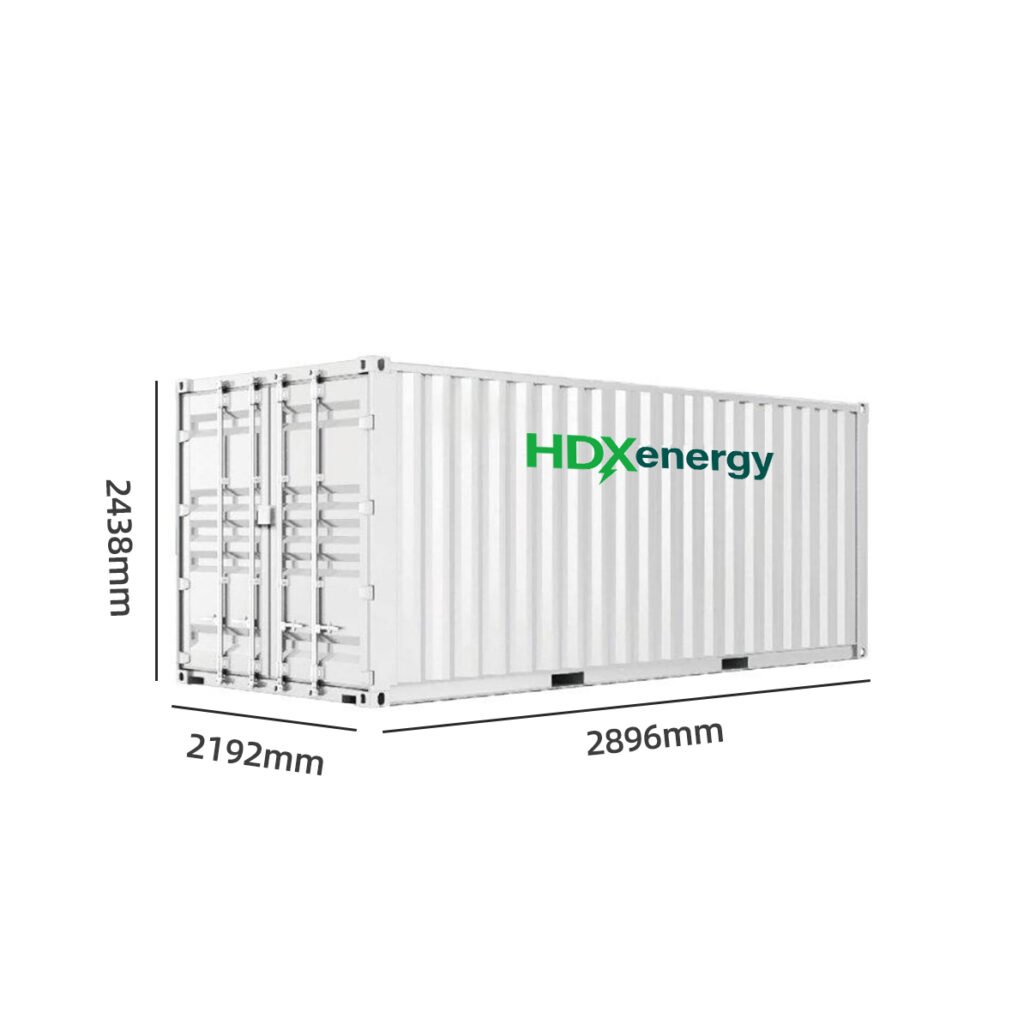
You can think of Containerized Microgrid Storage as a complete energy storage system packed inside a standard shipping container. This system gives you everything you need to store and manage electricity in one place. You do not need to build a special room or building. The container arrives ready to use. You can place it almost anywhere you need power—at a school, a hospital, or a remote work site.
Inside the container, you find several important parts that work together to keep your energy safe and reliable. These include:
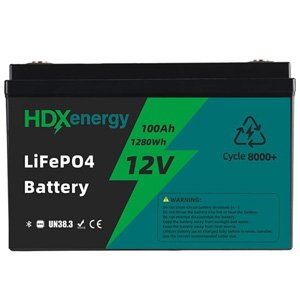
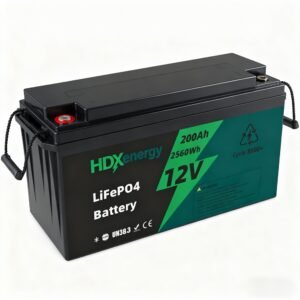
- Battery modules that store the electricity
- A Battery Management System (BMS) that keeps the batteries healthy
- A Power Conversion System (PCS) that changes the electricity from one form to another
- An Energy Management System (EMS) that controls how and when you use the power
- A Thermal Management System that keeps everything cool
- Safety systems that protect you and the equipment
This setup makes Containerized Microgrid Storage different from older storage solutions. You do not need to connect many separate devices or worry about building a special structure. Everything comes in one secure, weatherproof box.
Key Features
Containerized Microgrid Storage stands out because it gives you flexibility and control. You get a Battery Energy Storage System (BESS) that works with a bidirectional Power Conversion System. This means you can charge and discharge the batteries as needed. The DC Conversion System and Microgrid Switching System help you switch between different power sources quickly.
You also benefit from an Energy Management System that makes smart decisions about your energy use. The container includes an auxiliary power distribution system, air conditioning, and fire protection. These features keep the system safe and running smoothly.
Tip: You can move the container if your needs change. This mobility makes it a great choice for temporary or growing sites.
Containerized Microgrid Storage gives you a simple, all-in-one solution for modern energy needs.
How It Works
Main Components
When you look inside a containerized microgrid storage system, you find several important parts working together. Each part has a special job to help you store and use energy safely and efficiently. Here are the main components you will see:
- Battery Modules: These store the electricity until you need it.
- Battery Management System (BMS): This system checks the health of each battery and keeps them balanced.
- Power Conversion System (PCS): This part changes the electricity from direct current (DC) to alternating current (AC), or the other way around.
- Energy Management System (EMS): This controls when to charge or discharge the batteries, making smart choices based on your needs.
- Thermal Management System: This keeps the batteries and electronics at the right temperature.
- Safety Systems: These protect you and the equipment from problems like overheating or electrical faults.
You get all these parts in one container, so you do not need to build a special room or connect many separate devices. This makes containerized microgrid storage easy to use and set up.
Charging and Discharging
You can charge and discharge energy with containerized microgrid storage in a smart and controlled way. The system works with your microgrid to balance supply and demand. Here is how the process usually happens:
- The container energy storage system connects to your microgrid’s busbar.
- During times when energy demand is low, the microgrid charges the batteries. This is when you have extra power, like at night or when the sun is shining bright.
- The batteries store this extra energy until you need it.
- When demand peaks or energy prices rise, the EMS tells the system to release power.
- The stored DC energy moves to the PCS.
- The PCS changes the DC energy into AC power.
- The AC power goes into the grid or powers your site where it is needed most.
Note: The BMS and PCS work together to make sure the batteries discharge safely and efficiently. You can use the stored energy during power outages or when renewable sources like solar or wind are not producing enough.
Safety and Mobility
Safety and mobility are two big reasons why you might choose containerized microgrid storage. The system comes with built-in safety features. These include fire protection, temperature controls, and alarms. The container protects the equipment from weather, dust, and other dangers.
You can also move the container to different locations as your needs change. This is very helpful if you work in remote areas or places hit by disasters. You can set up the system quickly and start using it right away. The modular design follows international standards, so you can transport it over long distances without worry.
Here is a table that shows the key features for safety and mobility:
| Feature | Description |
|---|---|
| Mobility | You can easily transport and install the system in many locations. |
| Modular Design | Built to international standards, making long-distance moves simple. |
| Robust and Durable | The container protects the system during transport and keeps it safe from harsh environments. |
Tip: If you need power in a hard-to-reach place or after a disaster, containerized microgrid storage gives you a fast and reliable solution.
Microgrid Integration
Grid Independence and Flexibility
You can use Containerized Microgrid Storage to make your microgrid more independent. This system helps you balance energy supply and demand without relying on the main grid. You get the power to run your site even if the grid goes down. Here are some ways this storage gives you more control:
- You can operate your microgrid on its own, keeping lights on and machines running.
- You can add renewable energy sources, like solar or wind, and store extra power for later.
- You can reduce your need for diesel generators, saving money and cutting pollution.
Containerized systems also give you flexibility. You can start with one container and add more as your energy needs grow. The modular design lets you split the system into smaller units, making it easier to standardize and lower costs. You can deploy these systems quickly, so you respond faster to changes in energy demand.
| Flexibility Advantage | Description |
|---|---|
| Modular Design | Split into smaller units for cost savings and standards. |
| Scalability | Add more containers as your needs increase. |
| Fast Deployment | Set up quickly compared to fixed installations. |
You can adapt this solution for many uses, from schools to factories.
Supporting Renewables
You help support renewable energy when you use containerized microgrid storage. The system works with solar panels and wind turbines to store extra energy. You can use this stored power when the sun is not shining or the wind is not blowing. For example, some microgrids use batteries and renewables together to keep data centers running. The system makes your power supply more stable, even during busy times or when weather changes. Advanced controls help you get the most out of your renewable sources.
Tip: You can boost grid resilience by storing renewable energy and using it when demand is high.
Power Quality and Regulation
You can improve power quality with containerized microgrid storage. The battery system keeps voltage and frequency steady by using smart control strategies. You do not need to run diesel generators all the time, which saves fuel and lowers costs. The system tracks the best output from wind energy and balances supply and demand. You store extra energy during quiet times and use it when demand rises. This keeps your microgrid stable and reliable.
Note: The storage system connects to your microgrid’s busbar, making energy management simple and effective.
Benefits and Applications
Mobility and Scalability
You can move containerized microgrid storage systems wherever you need power. These systems come in strong shipping containers, so you do not have to worry about damage during transport. You can set them up in cities, factories, or remote areas. If your energy needs grow, you can add more containers. This makes it easy to scale your system.
Here is a table that shows the main logistical advantages:
| Advantage | Description |
|---|---|
| Modularity | You can split the system into small modules for easy standardization. |
| Scalability | You can expand the system to meet higher energy demands. |
| Adaptability | You can use different energy sources and deploy the system in many settings. |
- Mobility: You can move these systems without limits on location.
- Flexibility: You can adjust the system for different energy needs, including renewables.
The tough design protects the system from weather and other dangers. This makes it a good choice for both city and remote sites.
Cost-Effectiveness
You save money with containerized microgrid storage. You do not need to build special buildings or connect many devices. The system arrives ready to use. You can avoid high costs for construction and long setup times. You also lower your energy bills by storing power when it is cheap and using it when prices rise. The system helps you cut costs by reducing the need for diesel generators and lowering demand charges.
Tip: You can start small and add more storage as your needs grow, which helps you manage your budget.
Use Cases
You can use containerized microgrid storage in many places. Large factories and businesses use these systems to manage peak power use and keep the lights on during outages. In remote areas, you can support microgrids and use local renewable energy, even if you are far from the main grid.
| Use Case | Description |
|---|---|
| Commercial & Industrial Demand | You can manage peak power and get backup during outages. |
| Microgrids and Off-Grid Power | You can support local renewables and keep power steady in remote places. |
- The system includes batteries, converters, controls, cooling, and fire protection, all in one container.
- During emergencies, you can use these systems for backup power and to keep communities safe.
- Renewable-based microgrids give you steady power, even in disasters, by working with or without the main grid.
Note: Containerized microgrid storage helps you keep power reliable and flexible, no matter where you are.
You have seen how containerized microgrid storage gives you a flexible, reliable way to manage energy. These systems use a compact, modular design that fits many needs. You can support renewables, boost grid resilience, and help your community become more energy independent. In the next decade, you will likely see wider adoption because of features like:
- Compact design
- Plug-and-play setup
- Easy integration with many energy sources
- Modular expansion for growing needs
You can shape a smarter, more sustainable energy future with these solutions.
FAQ
What is the lifespan of a containerized microgrid storage system?
You can expect most systems to last 10 to 15 years. The lifespan depends on battery type, usage, and maintenance. Regular checks help you get the most out of your system.
Can you connect multiple containers for more power?
Yes! You can link several containers together. This lets you increase storage and power as your needs grow. The modular design makes expansion simple.
How long does it take to install a containerized system?
Most systems arrive ready to use. You can often set up and connect the container within a few days. This is much faster than building a traditional energy storage room.
Is containerized microgrid storage safe to use?
You get built-in safety features like fire protection, alarms, and temperature controls. The container shields the equipment from weather and damage. You stay safe with regular maintenance and monitoring.