您应该根据项目的需求和电网的工作方式来选择电池储能系统。如果您的项目需要强大的电能,或者电网不稳定,那么成网型 BESS 就是最佳选择。这种系统可以处理可再生能源的变化,并在电灯熄灭时提供备用电源。对于需要省钱且电网稳定的项目来说,电网跟随系统是一个很好的选择。您可以看到 表格中的主要选项 下图
| 项目目标/电网条件 | 首选 BESS 类型 |
|---|---|
| 高弹性 | 网格成型 |
| 不稳定的电网条件 | 网格成型 |
| 具有成本效益的应用 | 网格跟踪 |
| 稳定的电网条件 | 网格跟踪 |
在做出决定之前,请考虑您的需求、电网的可靠性以及您以后可能需要的能源。.
主要收获
- 如果您在停电期间需要强大的支持和备用电源,请选择成网 BESS。.
- 如果您想省钱,而且电网稳定、运行良好,请使用电网跟随式 BESS。.
- 在选择 BESS 类型之前,请先考虑您的能源目标,这有助于您 选对.
- 如果电网不稳定,则需要电网成形 BESS 以获得更好的效果。.
- 了解每套系统的起始成本和长期价值,以便做出明智的选择。.
- 检查新的 BESS 与现有设备的配合情况,以避免出现问题。.
- 请咨询专家,确保您的系统符合规则并满足项目需求。.
- 随时了解新技术和电网变化的最新情况,这样您就可以 选择好的能源 您的项目。.
快速决策指南
选择合适的电池储能系统(BESS)可能会让人不知所措。您需要一个既能满足项目需求,又能与电网良好配合的系统。本快速指南可帮助您做出明智的选择,而不会迷失在技术细节中。.
选择 BESS 的关键因素
在选择栅格成形 BESS 和栅格跟随 BESS 时,应重点关注几个要点:
- 您的 能源目标 为您的项目打造最佳系统。如果您需要备用电源或计划增加更多可再生能源,则需要仔细考虑。.
- 电池的类型和大小很重要。例如, 磷酸铁锂 两种逆变器类型的电池都能很好地工作,但大型系统可能需要特殊设置。.
- 安装可能很复杂。并网逆变器通常需要更多的规划和安装时间。.
- 成本起着重要作用。网格成形系统一开始可能成本较高,但随着时间的推移可以节省成本。.
- 网格的稳定性会影响您的选择。不稳定的网格需要更强的支撑。.
小贴士 在开始比较系统之前,请写下您的主要项目目标。这有助于您保持专注。.
何时使用电网成形 BESS
在需要强大支持和灵活性的项目中,网格成形 BESS 的效果最佳。如果您的项目符合上述任何一种情况,您就应该选择网格成形技术:
| 场景 | 说明 |
|---|---|
| 系统复原力和可靠性 | 您经常面临电网断电或电压变化。形成电网的 BESS 可使您的电力保持稳定。. |
| 未来电网需求 | 您要为更多的可再生能源或不断变化的电网规则做好准备。. |
| 微电网和混合运行 | 您的项目既可以在有主网格的情况下运行,也可以在没有主网格的情况下运行。. |
| 投资回报率和生命周期价值 | 即使前期成本较高,您也希望获得更好的长期价值。. |
栅格式 BESS 可为您提供更多控制。如有需要,它可以创建自己的电网。因此,它非常适合偏远地区、微电网或拥有大量太阳能和风能的地方。.
何时使用栅追随式 BESS
电网跟随式 BESS 适合电网已经很强大和稳定的项目。如果您想要一个简单、经济高效的解决方案,就应该选择电网跟随式系统。当您不需要 BESS 独立运行电网时,这些系统就能很好地发挥作用。.
- 对于以省钱为重点的项目,可使用电网跟踪 BESS。.
- 如果您的电网很少发生停电或大的电压波动,请选择这种类型。.
- 电网跟踪对于增加额外电力或平滑能源使用的微小变化非常有效。.
请注意: 如果您希望您的电网保持稳定,而且您的项目不需要单独运行,那么电网跟随式 BESS 是一个明智而经济的选择。.
本快速指南为您提供了一条清晰的路径。考虑一下您的目标、网格和预算。现在,您可以满怀信心地向前迈进。.
电网成形 BESS 解释
什么是并网逆变器?
您可能会问,并网逆变器与其他逆变器有何不同?并网逆变器是并网 BESS 的核心。它不会等待电网告诉它该做什么。相反,它可以自行创造稳定的电压和频率。这意味着您可以使用并网逆变器来设定项目中的电力流动规则。您不需要强大的电网来引导它。并网逆变器可以单独工作,也可以与其他电源一起工作。它为您的系统提供了独立运行的能力。.
电网成形 BESS 的工作原理
并网 BESS 使用并网逆变器来控制电流。您将获得一个类似电压源的系统。这意味着逆变器为电网设定电压和频率。如果主电网发生故障,电网形成 BESS 将继续运行。它不需要外界帮助来维持照明。当电网供电不足或缺失时,您可以依靠它提供电压和频率支持。并网逆变器能快速响应变化。即使增加太阳能或风能,它也能保持稳定供电。您可以在电网不强的地方使用该系统。无论外部情况如何,它都能帮助您保持项目运行。.
提示:您可以使用成网 BESS,使您的项目更加灵活可靠。它可以让您控制电压和频率支持,即使在困难的情况下也是如此。.
电网成形 BESS 的应用
您可以在许多重要方面使用成网 BESS。这些系统可以帮助您解决其他电池系统无法解决的问题。以下是一些常见用途:
- 微电网:您可以在以下情况下使用网格成形 BESS 微电网 可在与主电网协同工作和单独运行之间切换。并网逆变器能让微电网在两种情况下都保持稳定。.
- 支持分散式网格:您可以在没有主电网的情况下运行您的项目。形成电网的 BESS 可确保当地能源的安全性和独立性。.
- 增强电网恢复能力:在电网发生故障时,您可以保证医院、学校和其他重要场所的电力供应。并网逆变器可在您最需要的时候提供备用电源。.
- 促进可再生能源的采用:您可以为项目增加更多的太阳能和风能。并网 BESS 可为您提供电压和频率支持,因此即使有大量可再生能源,您的电网也能保持稳定。.
可见,在电网薄弱或不断变化的地方,电网形成 BESS 的效果最好。您可以获得更多的控制权、更好的后备电源以及使用更多清洁能源的能力。.
并网 BESS 概述
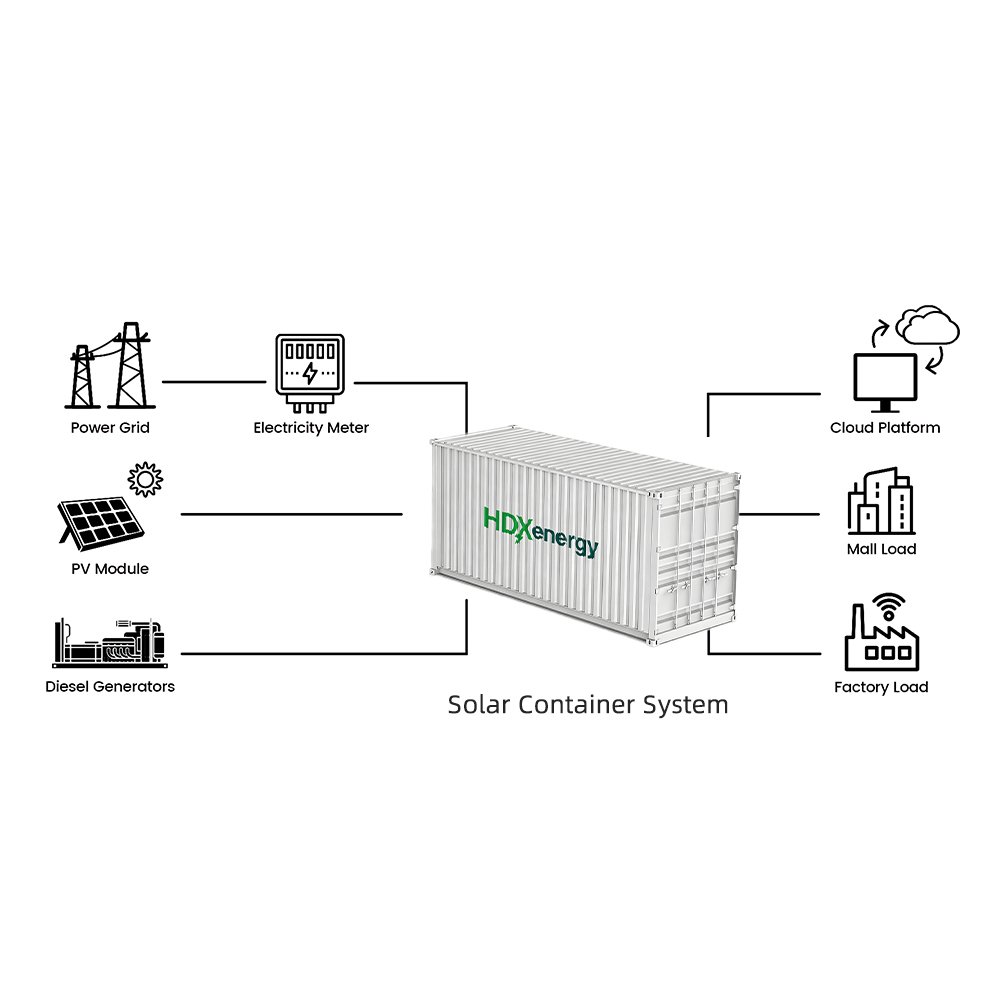
网格跟踪的工作原理
电网跟踪电池储能系统有助于主电网。它就像一个 电流源. .它不会自行设定电压或频率。它是跟着电网走的。您将其连接到电网。系统使用特殊工具来匹配电网的电压和频率。其中一种工具称为锁相环(PLL)。该工具可检查电网信号。它有助于系统与电网保持同步。.
以下是电网跟踪 BESS 的工作原理:
- 它作为电流源,需要电网的电压和频率。.
- 它使用锁相环来检查和匹配电网信号。.
- 它不能单独工作,也不能自制电压和频率。.
- 它需要有电网才能工作。.
- 它能在需要时快速增加或减少电能,为电网提供帮助。.
使用电网跟踪 BESS 可使电网更加稳定可靠。系统会对用电量的变化做出反应。当电网强劲稳定时,它的工作效果最佳。.
注意:如果希望项目在没有主网格的情况下运行,则不能使用网格跟随 BESS。它始终需要网格的引导。.
典型的电网跟踪应用
在许多企业和工厂项目中,我们都能看到电网跟踪 BESS 系统。当电网始终存在并保持稳定时,这些系统就能很好地工作。它们可以帮助您节省资金,更好地利用能源。以下是一些使用电网跟踪 BESS 的常见方法:
| 应用类型 | 说明 |
|---|---|
| 并网工商业储能系统 | 储存能源供企业和工厂使用的系统。. |
| 调峰和能源套利项目 | 降低高峰需求和节约能源成本的方法。. |
| 太阳能+储能系统与强大的公用电网相连接 | 利用太阳能储存能源,效果更佳。. |
| 网格始终存在的应用 | 使用稳定电网的系统。. |
您可以使用电网跟踪 BESS 来降低能源费用。您还可以利用它为建筑物增加太阳能发电,而不必担心电网问题。许多企业选择电网跟踪系统,因为它既简单又省钱。您不需要额外的设备或艰苦的规划。您只需将系统连接到电网,然后让它工作。.
小贴士:如果您的项目现场有一个强大而稳定的电网,那么电网跟随 BESS 是一种既省钱又能更好地利用能源的明智方式。.
网格形成与网格跟随比较
技术差异
电压与电流源
了解每种系统的用电方式非常重要。. 成网 BESS 充当电压源. .这意味着它能为您的项目提供并控制电压和频率。您可以相信,即使主电网很弱或不工作,它也能保持稳定。这有助于您的系统在电力变化或停电时保持稳定。.
Grid-Following BESS 充当电流源。它不设定电压或频率。它跟随主电网提供的电压和频率。如果电网很强,您的系统就能很好地工作。如果电网较弱或不稳定,系统可能无法正常工作。您需要电网来保证一切正常工作。.
控制方法
每种系统的电力控制方式都有很大不同。成网 BESS 采用先进的控制方法。这些方法包括虚拟同步发电机(VSG)、下垂控制和虚拟惯性控制。这些工具可帮助系统快速应对变化,保持电网稳定。停电后,您可以使用并网形成 BESS 帮助重新启动电网。.
电网跟踪 BESS 使用简单的控制方法。它没有先进的算法。它依赖于电网告诉它该做什么。如果电网发生变化,系统也会跟着变化。它无法自行启动电网,也无法在电网发生重大变化时保持稳定。.
下面的表格显示了主要的技术差异:
| 特点 | 网格成型 PCS | 网格跟随 PCS |
|---|---|---|
| 电压和频率控制 | 主动建立并调节电压和频率 | 电压和频率取决于现有电网 |
| 系统稳定性 | 即使没有电网也能保持稳定 | 性能与电网强度和质量挂钩 |
| 黑启动功能 | 支持黑启动和孤岛运行 | 不支持黑启动操作 |
| 控制算法 | 使用 VSG、下垂控制、虚拟惯性控制 | 无高级控制算法 |
| 对负载变化的响应 | 在负载突变时保持稳定 | 在弱电网中性能会下降 |
形成电网的 BESS 的优势
选择网格成形 BESS,你会得到很多好处。您可以用它来制作自己的电网。您不需要主电网的电压或频率。这使您的项目更加灵活和强大。您可以在停电时继续供电。您可以增加更多的可再生能源,如太阳能或风能,而不必担心电网问题。形成电网的 BESS 还能帮助您为未来的电网变化做好准备。您可以帮助重启电网,轻松运行微电网。即使遇到困难,您的系统也能保持强大。.
小贴士 如果您希望获得最大的控制性和可靠性,并网型 BESS 可满足您的需求。.
并网 BESS 的优势
您可以通过以下方法省钱又方便 电网跟踪 BESS. .当您的电网坚固稳定时,该系统效果最佳。您不需要特别的规划或额外的设备。您只需将系统连接到电网,然后让它跟随。电网跟随 BESS 可帮助您降低能源费用和管理电力使用。您可以将其用于削峰填谷、能源套利以及在项目中增加太阳能发电。许多企业选择电网跟随式 BESS,因为它易于安装和维护。.
请注意: 如果您的项目不需要单独运行或处理电网的重大变化,电网跟随型 BESS 不失为一种低成本的明智选择。.
每种系统的局限性
在选择之前,您需要了解网格成形系统和网格跟随系统的局限性。每种系统都有各自的优势,但也都有可能影响项目的挑战。.
电网形成 BESS 的局限性:
- 您可能会面临较高的前期成本。网格成型系统的技术和设置成本通常高于其他方案。.
- 您需要更多的规划和工程设计。这些系统需要精心设计,才能与电网完美配合。.
- 您可能需要对团队进行特殊培训。不是每个人都知道如何运行或修复网格成形系统。.
- 您可以在大型项目中看到限制。有时,当您连接许多电池或大量可再生能源时,电网形成系统需要额外的支持。.
请注意: 网格成型系统可以让你控制得更多,但一开始就必须投入更多的时间和金钱。.
并网 BESS 的局限性:
- 如果您的项目必须在没有主电网的情况下运行,则不能使用电网跟随型逆变器。该系统始终需要电网来设置电压和频率。.
- 在弱电网或不稳定电网中可能会出现问题。如果电网经常停电或电压波动较大,并网逆变器就无能为力了。.
- 您不能将电网跟随逆变器用于黑启动。如果电网停电,您的系统无法自行重新启动供电。.
- 如果您想增加更多的可再生能源,可能会面临限制。并网逆变器无法像并网系统那样支持高水平的太阳能或风能。.
小贴士 如果您的电网强大而稳定,电网跟随型逆变器就能很好地工作。如果预计电网会发生变化或增长,则可能需要更多支持。.
对照表
您可以使用下表查看每个系统的主要区别和限制。该表可帮助您并列比较各种功能。.
| 功能/限制 | 电网成形 BESS | 并网 BESS |
|---|---|---|
| 无需主电网即可工作 | 是 | 没有 |
| 设置电压和频率 | 是 | 没有 |
| 需要强大的网格 | 没有 | 是 |
| 黑启动能力 | 是 | 没有 |
| 处理弱网格 | 是 | 没有 |
| 预付费用 | 更高 | 较低 |
| 设置的复杂性 | 更复杂 | 简单 |
| 支持高度可再生能源 | 是 | 有限公司 |
| 需要并网逆变器 | 没有 | 是 |
| 需要并网逆变器 | 是 | 没有 |
| 最适合微电网 | 是 | 没有 |
| 最节省成本 | 有时 | 是 |
| 并联运行时需要并网逆变器 | 有时 | 始终如一 |
| 并网逆变器无法单独运行 | 不适用 | 正确 |
您可以看到,当电网始终存在且电力充足时,电网跟随型逆变器效果最佳。您需要根据项目需求和电网条件来匹配您的系统。.
项目考虑因素
电网稳定性和复原力
在选择电池系统之前,您应该考虑一下您的电网是否稳定。如果您的电网经常变化或停电,您就需要一个能保持电力稳定的系统。并网蓄电池系统可以自行调节电压和频率。当出现紧急情况或电网较弱时,您可以依靠它们。这些系统为您提供更多控制,帮助您的项目保持稳固。当电网始终保持强劲且变化不大时,追随电网系统效果最佳。如果电网停止工作,这些系统就无法保持照明。您必须决定您的项目需要多大的强度。如果您认为风暴或突然的变化会发生,网格形成系统会提供更好的支持。.
如果您希望您的项目在困难时期也能表现出色,那就选择一个能使电网更强大并保证您用电安全的系统。.
基础设施兼容性
您需要检查新电池系统是否能与当前的供电设备和设置配合使用。在旧系统中添加新技术时可能会出现问题。成网储能系统可以 控制频率和电压. .这有助于解决以下问题 利用太阳能或风能. .如果您的项目使用可再生能源,您就需要这样做。电网跟随系统需要稳定的电网。它们无法自行设定电压或频率。这意味着它们不适合需要强大或单独工作的项目。.
以下是一些需要考虑的常见问题:
- 它 很难添加新系统 由于技术所限,我们只能将旧版本的设备替换为新设备。.
- 您选择的逆变器类型会改变系统与您现有设备的配合程度。.
- 电网形成系统有助于保持电力稳定,这在增加可再生能源时非常重要。.
- 如果电网不稳定,电网跟踪系统可能无法正常工作。.
您应与供应商讨论新电池系统与现有系统的匹配问题。在选择之前,请务必了解好坏部分。.
成本与经济学
您需要 看成本 在选择电池系统之前。并网型系统的初始成本通常较高。您需要为特殊控制和设备支付额外费用。随着时间的推移,这些系统可以通过保持电网稳定和阻止停电来节省费用。并网型系统的安装成本较低。它们适用于不需要非常坚固的项目。您可以使用它们来节约能源,控制用电量。考虑一下您的预算以及您希望项目的使用寿命有多长。.
| 系统类型 | 预付费用 | 长期价值 | 最佳使用案例 |
|---|---|---|---|
| 网格成型 | 更高 | 更大 | 高弹性微电网 |
| 网格跟踪 | 较低 | 中度 | 节约成本,稳定电网 |
提示:写下您的预算和目标。这将帮助您选择最适合您需求的系统。.
可靠性和性能
您希望您的电池储能系统每天都能正常工作。可靠性意味着您的系统能在您需要时持续运行。性能意味着系统能快速、正确地完成工作。在选择并网型电池储能系统和追随电网型电池储能系统时,您应该同时考虑这两个方面。.
成网 BESS gives you strong reliability. It can keep your power on even if the main grid goes down. You can trust it to set voltage and frequency by itself. This helps your project stay safe during storms or blackouts. Grid-forming systems also react fast to changes in power use. You get steady electricity, even when you add more solar or wind energy.
Grid-following BESS works best when the grid is always strong. It follows the grid’s signals and cannot run alone. If the grid fails, your system stops working too. You can use grid-following BESS to save money and manage energy use. It performs well for peak shaving and energy shifting. You get good results if your grid does not have many problems.
Here is a table to help you compare:
| 特点 | 电网成形 BESS | 并网 BESS |
|---|---|---|
| Runs during outages | 是 | 没有 |
| 处理弱网格 | 是 | 没有 |
| Fast response | 是 | 是 |
| 需要强大的网格 | 没有 | 是 |
| Supports renewables | 是 | 有限公司 |
小贴士 If you want your project to stay on during emergencies, pick grid-forming BESS. If you only need to save money and your grid is strong, grid-following BESS works well.
You should also think about how much care your system needs. Grid-forming BESS may need more checks and special training for your team. Grid-following BESS is easier to set up and take care of. You can talk to your provider about what works best for your team.
You want a system that matches your project’s needs. Think about how often you need backup power and how steady your grid is. This helps you pick the right BESS for strong reliability and top performance.
Choosing the Right BESS
Assessing Project Goals
You need to start by thinking about what you want your project to achieve. Every energy storage system has strengths that match different goals. If you want backup power during outages, you should look for a system that can run without the main grid. If you plan to use more renewable energy sources, you need a system that can handle changes in solar or wind power. Some projects focus on saving money by lowering energy bills. Others want to support the grid or help the community. Write down your main goals. This step helps you stay focused when you compare options.
Tip: Ask yourself if you want your energy storage system to provide backup, support renewables, or save money. Your answer guides your choice.
Evaluating Grid Conditions
You must check how strong and steady your local grid is. If your grid has frequent outages or big voltage swings, you need a system that can keep power steady. Grid-forming systems work well in places with weak grids. They can set voltage and frequency on their own. If your grid is strong and stable, grid-following systems fit better. These systems follow the grid and help with peak shaving or energy shifting. You should also think about future changes. If you plan to add more renewable energy sources, your grid may need extra support. Make sure your energy storage system can handle these changes.
Here is a simple checklist:
- Does your grid have frequent outages?
- Do you plan to add more renewable energy sources?
- Is your grid stable most of the time?
- Will your project need to run alone sometimes?
Note: You can ask your utility provider about grid strength and future plans. This information helps you pick the right energy storage system.
Budget and Lifecycle Costs
You need to look at both the upfront cost and the long-term value of your energy storage system. Grid-forming systems often cost more at first. They give you more control and support for renewable energy sources. Grid-following systems cost less to install. They work well for projects with stable grids and simple goals. You should also think about maintenance and upgrades. Some systems need more care and training. Others are easier to manage. Make a table to compare costs and benefits.
| 系统类型 | 预付费用 | 维护 | 长期价值 | 最佳使用案例 |
|---|---|---|---|---|
| 网格成型 | 更高 | More | 更大 | Backup, renewables, weak grid |
| 网格跟踪 | 较低 | 更少 | 中度 | Cost savings, strong grid |
Tip: Write down your budget and expected savings. This helps you choose an energy storage system that fits your needs and goals.
Regulatory Factors
You need to know the rules before you choose a battery energy storage system. Every area has its own laws and standards for energy projects. These rules can affect what type of BESS you can use. Some places require special safety features. Others have rules about how your system connects to the grid. You should check if your state or country has rules for grid-forming or grid-following systems.
You may need to get permits from local or national agencies. Some projects need approval from the utility company. You should ask if your project must follow standards like IEEE 1547 or UL 9540. These standards help keep your system safe and reliable. You also need to check if there are rules about how much renewable energy you can add.
小贴士 Make a checklist of all the permits and standards you need to follow. This helps you avoid delays and extra costs.
You should also look for incentives or rebates. Some governments give money back if you use clean energy or make your grid stronger. These programs can help lower your costs. You can ask your provider or local energy office about these options.
Rules can change over time. You should stay updated on new laws or standards. This helps you keep your project safe and legal. If you do not follow the rules, you may face fines or have to change your system later.
Working with Providers
You need to pick the right partner for your battery project. A good provider helps you get the best results. You should ask questions and check their experience. Here are some best practices for working with BESS providers:
- Ask if the Power Conversion System (PCS) can support grid-forming operation. This is important if you want your system to run alone or support weak grids.
- Check if the system can switch smoothly between grid-connected and islanded modes. This helps your project stay online during outages.
- Test how the PCS works when the grid is weak. You want a system that stays steady even if the grid has problems.
- Learn about the control methods the provider uses. Ask if they use advanced controls like virtual synchronous generator (VSG), droop, or inertia control.
- Find out how the PCS choice affects safety and return on investment. A good system keeps your project safe and helps you save money over time.
You should also ask for references from other projects. This helps you see if the provider has a good track record. You can visit other sites or talk to other customers. You should ask about training and support. A good provider teaches your team how to use and care for the system.
请注意: Work with your provider from the start of your project. Good teamwork helps you avoid mistakes and get the best value.
You should keep asking questions until you feel sure about your choice. The right provider helps you meet rules, save money, and reach your project goals.
Real-World Examples
Grid-Forming BESS in Practice
You can see grid-forming battery storage used in many places. For example, a remote island might use solar panels and wind turbines. The grid-forming battery system helps the island keep power on. It works even when there is no sun or wind. You can also find these systems in microgrids for hospitals and emergency centers. These places need to keep running during storms or blackouts. The battery storage makes its own voltage and frequency. These batteries do not need a strong grid to work. In Australia, some towns use grid-forming battery storage for their power needs. These batteries help people stay safe and keep the lights on.
You can count on grid-forming battery storage for backup power and extra strength when you need it most.
Grid-Following BESS in Practice
You can find grid-following battery storage in cities and big factories. These systems work best when the grid is strong and steady. For example, a shopping mall might use grid-following battery storage to save money on energy bills. The battery charges when power is cheap. It gives out power when prices go up. You can also see these batteries in solar farms that connect to big utility grids. The battery storage helps smooth out small changes in energy use. The battery does not need to run by itself. Grid-following batteries help you save money and use energy better. Many schools and office buildings use these systems for peak shaving and energy shifting.
Grid-following battery storage gives you an easy way to manage energy and lower costs when your grid is reliable.
Lessons Learned
You can learn a lot from real projects. First, you should match your battery storage system to your grid. If you need extra strength, pick grid-forming battery storage. These batteries give you control and backup power. If your grid is strong, grid-following battery storage works well. You can save money and keep things simple. Always check your project goals before you choose. You can talk to experts and visit other sites to see battery storage in action. You will see that the right battery system helps you reach your goals and keeps your power safe.
Remember, you get the best results when you pick the battery storage system that matches your needs and grid.
You now know which BESS type fits your project. Grid-forming BESS works best for weak grids and backup power. Grid-following BESS suits stable grids and cost savings. Match your choice to your goals and local grid conditions.
- Consult experts for detailed advice.
- Conduct a project assessment before you decide.
Stay informed about new BESS technology and changing grid requirements. This helps you make smart energy decisions.
常见问题
What is the main difference between grid-forming and grid-following BESS?
You control voltage and frequency with grid-forming BESS. Grid-following BESS follows the grid’s voltage and frequency. Grid-forming works alone. Grid-following needs a strong grid.
Can you use grid-forming BESS with renewable energy?
Yes. You can add solar or wind power to your project. Grid-forming BESS helps keep your grid stable when you use more renewables.
Is grid-following BESS cheaper than grid-forming BESS?
You usually pay less for grid-following BESS. It costs less to install and maintain. Grid-forming BESS costs more but gives you more control.
Do you need special training to use grid-forming BESS?
You may need extra training. Grid-forming BESS uses advanced controls. Your team should learn how to operate and maintain the system.
Can grid-following BESS provide backup power during outages?
No. Grid-following BESS cannot run alone. It stops working if the main grid goes down.
Which BESS type is better for microgrids?
You should pick grid-forming BESS for microgrids. It can make its own voltage and frequency. Your microgrid stays on even if the main grid fails.
How do you decide which BESS is right for your project?
You should look at your grid’s strength, your project goals, and your budget. Write down your needs. Talk to experts for advice.
Can you switch from grid-following to grid-forming later?
You may upgrade, but it can be complex. You need to check your equipment and work with your provider.