What Is a LiFePO4 Battery Pack and Its Main Uses?

目录

1.导言

Lithium batteries are everywhere—from smartphones and laptops to electric vehicles and home energy storage. But not all lithium chemistries are the same. One chemistry in particular, 磷酸铁锂 (Lithium Iron Phosphate), has become a leading choice for applications that demand long life, high safety, and stable performance.

If you’ve been researching batteries for solar systems, RVs, forklifts, backup power, or industrial applications, you’ve almost certainly encountered LiFePO4 battery packs.

This article explains, in practical terms:

  • 好一个 LiFePO4 battery pack is
  • How it differs from other lithium batteries
  • Its main characteristics (cycle life, safety, performance)
  • The most common use cases in 2024
  • How to choose and size LiFePO4 packs for your project

We’ll also include comparative tables, real‑world trends, and professional Q&A to help you make informed decisions.

磷酸铁锂电池

2. What Is a LiFePO4 Battery Pack?

2.1 Definition

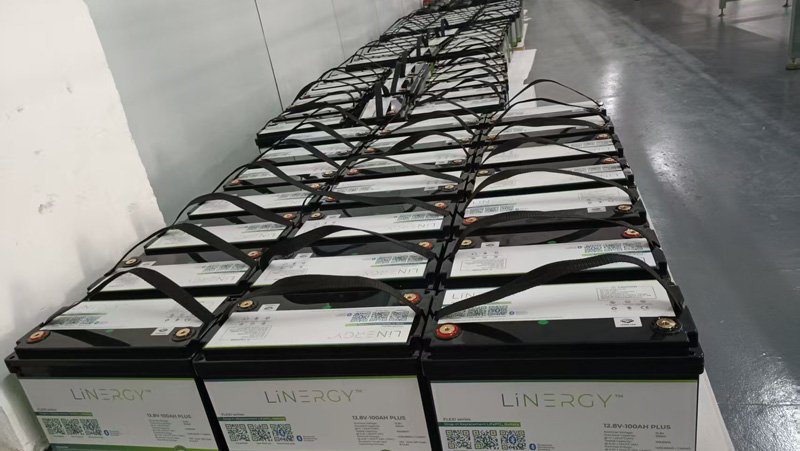
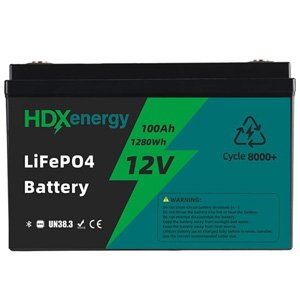
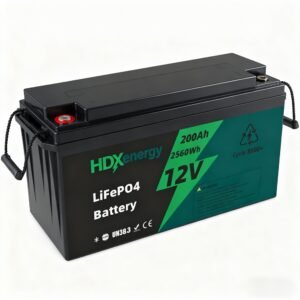
LiFePO4 battery pack is a rechargeable battery system based on Lithium Iron Phosphate (chemical formula: LiFePO₄) as the 正极材料.

A complete pack typically includes:

  • Multiple LiFePO4 cells connected in series and/or parallel
  • 电池管理系统 (BMS)
  • Mechanical enclosure and terminals/ connectors
  • Sometimes integrated communication and monitoring (CAN, RS485, Bluetooth, etc.)

2.2 Why It’s Sometimes Called LFP

You will often see LiFePO4 abbreviated as LFP (from the chemical notation LiFePO₄). So:

  • LiFePO4 = LFP = Lithium Iron Phosphate

In industry documentation, pack manufacturers frequently use LFP in product codes and technical datasheets.

2.3 Typical Pack Voltages

Common LiFePO4 pack configurations (for 1 cell ≈ 3.2 V nominal):

  • 12.8 V nominal → 4 cells in series (4S)
  • 25.6 V nominal → 8 cells in series (8S)
  • 48 V 额定电压 → 15 or 16 cells in series (15S/16S)
  • Larger packs for EVs and industrial systems may be built from many series/parallel combinations.

3. LiFePO4 vs Other Lithium Chemistries

LiFePO4 isn’t the only lithium chemistry. The most common alternatives include:

  • NMC (Lithium Nickel Manganese Cobalt Oxide)
  • NCA (Lithium Nickel Cobalt Aluminum Oxide)
  • LCO (Lithium Cobalt Oxide)
  • LTO (Lithium Titanate, less common, specialty)

Each chemistry has trade‑offs in terms of 能量密度safetycycle life, 和 cost.

3.1 Key Comparison: LiFePO4 vs NMC vs Lead‑Acid

Table 1 – LiFePO4 vs NMC vs Lead‑Acid (High‑Level Comparison)

参数磷酸铁锂(LFP)NMC (Li‑ion)Lead‑Acid (AGM/FLA)
Nominal cell voltage~3.2 V~3.6–3.7 V2.0 V per cell
Energy densityMedium (90–160 Wh/kg)High (150–250+ Wh/kg)Low (30–50 Wh/kg)
Cycle life (80% DoD)~2,000–6,000+ cycles~1,000–3,000 cycles~500–1,000 cycles
Safety (thermal runaway)Very high safety, stableGood but more sensitiveHigh (but different failure mode)
Operating temp rangeWide, stableWide, but more heat‑sensitiveLimited; performance drops fast
维护Low–mediumMedium–high (esp. flooded)
Typical usesESS, off‑grid, RV, forklifts, EVsEVs, laptops, phones, power toolsUPS, backup, starter batteries

LiFePO4 trades some 能量密度 对于 much higher safety and cycle life, making it ideal for stationary and deep‑cycle applications.


4. Internal Structure of a LiFePO4 Battery Pack

4.1 The Cell Level

Each LiFePO4 pack is built from individual cells, typically:

  • 棱镜电池 (flat, rectangular)
  • 圆柱形电池 (e.g., 26650, 32700)
  • 偶尔 pouch cells

Each cell includes:

  • 阴极: LiFePO₄ material
  • 阳极: typically graphite
  • 电解质: lithium salt in organic solvent
  • Separator, current collectors, and casing

4.2 Series and Parallel Connections

  • Series (S) connections increase voltage
  • Parallel (P) connections increase capacity (Ah)

Example: A 48 V 100 Ah LiFePO4 pack might be built from:

  • 16 cells in series (16S) at 3.2 V → 51.2 V nominal
  • Single string of 100 Ah cells (1P)
  • Total energy ≈ 51.2 V × 100 Ah ≈ 5.12 kWh

4.3 Battery Management System (BMS)

"(《世界人权宣言》) BMS is critical to safe and long‑term operation. It typically:

  • Monitors cell voltage and pack voltage
  • Monitors current and temperature
  • Controls charge/discharge cut‑off
  • Offers protections for:
    • Overcharge
    • Over‑discharge
    • Over‑current
    • Over‑temperature / low‑temperature
    • Short circuit
  • Balances cells (passive or active balancing)

Modern LiFePO4 packs often integrate communication protocols (CAN, RS485, Modbus, etc.) to interface with inverters, chargers, and vehicle systems.


5. Key Characteristics of LiFePO4 Battery Packs

5.1 Cycle Life

One of the strongest advantages of LiFePO4 is long cycle life.

  • Typical LFP packs achieve:
    • 2,000-4,000 个循环 at ~80% Depth of Discharge (DoD)
    • Premium cells and optimized conditions: 5,000–6,000+ cycles

In practical terms, at one full cycle per day, 3,000 cycles ≈ 8+ years, and 6,000 cycles ≈ 16+ years of use.

5.2 Safety and Thermal Stability

LiFePO4 has:

  • 热稳定性高
  • Higher onset temperature for thermal runaway vs NMC/NCA
  • Good performance under abuse conditions (short‑term overcharge, mechanical shock, etc., though still not recommended)

This makes LiFePO4 very attractive in applications where fire safety and robustness are critical:

  • Home energy storage
  • Marine and RV systems
  • Telecom backup
  • Industrial equipment operated near people

5.3 Voltage Profile

LiFePO4 exhibits a 平坦的放电电压曲线, typically:

  • Full charge: ~3.65 V/cell
  • Nominal: ~3.2 V/cell
  • Cut‑off: ~2.5–2.8 V/cell (depending on BMS)

This flat profile keeps the load voltage relatively constant over much of the discharge, which is beneficial for:

  • Inverters
  • DC equipment
  • Motor controllers

5.4 Depth of Discharge (DoD) Capability

LiFePO4 can be regularly discharged to 80–90% DoD, whereas lead‑acid batteries typically limit to 50% DoD to maintain life.

This means more usable energy per nominal capacity:

  • 100Ah LiFePO4 at 80% DoD → 80Ah usable
  • 100Ah lead‑acid at 50% DoD → 50Ah usable

6. Main Uses of LiFePO4 Battery Packs

LiFePO4 is widely used across multiple sectors. Below are the major applications as of 2024.

6.1 Solar Energy Storage & Off‑Grid Systems

LiFePO4 has become the dominant chemistry in small to medium solar energy storage systems:

  • Residential solar + storage (rooftop PV)
  • Off‑grid cabins and homesteads
  • Telecom tower backup
  • Rural electrification microgrids

Reasons:

  • Long cycle life (daily cycling)
  • High round‑trip efficiency
  • Safe chemistry suitable for indoor/near‑home installation
  • Rapid charge/discharge capability

6.2 RV, Campervan, and Marine (Boats, Yachts)

RV and marine users are rapidly switching from lead‑acid to LiFePO4 packs for:

  • House batteries (12 V or 24 V systems)
  • Fridges, lighting, inverters, and electronics

Key benefits:

  • Lower weight for the same usable capacity
  • Faster charging from alternators, solar, or shore power
  • Ability to use most of the rated capacity without damage

6.3 Electric Vehicles (EVs) and E‑Mobility

LiFePO4 is increasingly used in:

  • Entry‑level and mid‑range electric cars (especially from Chinese OEMs)
  • Electric buses and trucks
  • Electric forklifts and material handling equipment
  • Two‑wheelers (e‑scooters, e‑bikes, motorcycles)

Many EV manufacturers have introduced or expanded LFP lines due to:

  • Lower cost per kWh (particularly in large volumes)
  • Safer thermal behavior
  • Excellent durability in daily cycling

6.4 Industrial and Commercial Applications

例如

  • Forklifts and warehouse vehicles (replacing lead‑acid)
  • Floor scrubbers and cleaning machines
  • AGVs (Automated Guided Vehicles) and AMRs (Autonomous Mobile Robots)
  • Backup power systems for data centers and industrial controls

Here, LiFePO4 offers:

  • Minimal maintenance compared to lead‑acid
  • Stable performance at high cycle counts
  • Ability to fast charge during breaks (opportunity charging)

6.5 Telecom and Critical Infrastructure Backup

Telecom operators and infrastructure providers use LiFePO4 for:

  • Base station backup (BTS)
  • Network nodes and edge data centers

Compared to VRLA (valve‑regulated lead‑acid), LiFePO4 offers:

  • Lower lifecycle cost
  • Smaller footprint for equivalent backup time
  • Better performance in high temperature environments

6.6 Home and Office UPS Systems

LiFePO4 is now used in:

  • High‑end UPS systems
  • Modular backup systems for home offices
  • Hybrid AC/DC backup units

Its stable performance and long life make it suitable for frequent, partial discharge cycles typical in unstable grid regions.


7. Advantages and Disadvantages of LiFePO4 Battery Packs

7.1 Key Advantages

  1. 循环寿命长
    • Significantly more cycles than lead‑acid and many NMC packs in equivalent usage.
  2. 高安全性
    • Low risk of thermal runaway, robust under abuse compared with other Li‑ion chemistries.
  3. High Usable Capacity
    • Can safely use 80–90% of nominal capacity daily.
  4. 低维护
    • No electrolyte topping, no equalization, no venting (vs flooded lead‑acid).
  5. Good Temperature Tolerance
    • Performs well in moderate to high ambient temperatures (though charging below 0°C needs caution or specific BMS strategies).
  6. High Efficiency
    • Round‑trip efficiency typically >95% in many well‑designed systems.

7.2 Potential Disadvantages

  1. Lower Energy Density than NMC/NCA
    • For space‑critical, ultra‑lightweight applications (e.g., premium EVs), other lithium chemistries may still dominate.
  2. Higher Upfront Cost than Lead‑Acid
    • Though total cost of ownership (TCO) is typically lower over the life of the system.
  3. Cold‑Weather Charging Limitations
    • Charging below ~0°C must be controlled, or use packs with built‑in heaters / cold‑temperature BMS features.
  4. BMS Dependence
    • The pack is only as good as its BMS; poor BMS design can negate advantages.

8. Typical Specifications of LiFePO4 Battery Packs

Below is an example of typical specs for 12V and 48V LiFePO4 battery packs used in solar and backup systems as of 2024.

Table 2 – Typical Spec Ranges for LiFePO4 Packs (2024)

Spec12V 100Ah Pack48V 100Ah Pack
标称电压12.8 V (4S)51.2 V (16S)
标称容量100 Ah100 Ah
能源~1.28 kWh~5.12 kWh
Max Continuous Discharge50–100 A100–150 A
Round‑Trip Efficiency95–98%95–98%
周期寿命(80% 国防部)3,000-6,000 个循环3,000-6,000 个循环
Operating Temp (Discharge)−20°C to ~60°C−20°C to ~60°C
Charging Temp0°C to ~45°C (typical)0°C to ~45°C (typical)
重量~10–15 kg~40–55 kg

Values vary by manufacturer; always check the actual datasheet.


9. LiFePO4 vs Lead‑Acid in Real‑World Use

To highlight the practical differences, let’s compare a 100Ah lead‑acid battery with a 100Ah LiFePO4 pack in a solar/ RV context.

Table 3 – Lead‑Acid vs LiFePO4 (100Ah Example, Practical Use)

参数Lead‑Acid 100AhLiFePO4 100Ah
Usable Capacity (daily)≈ 50 Ah (50% DoD recommended)≈ 80–90 Ah (80–90% DoD)
Cycle Life @ daily cycling500–800 cycles3,000–5,000+ cycles
重量25–30 kg10–15 kg
维护Possible (esp. flooded)Minimal
Charge Efficiency80–85%95–98%
Cost per Cycle (long term)更高较低
Voltage Sag under Load重要非常低

While LiFePO4 costs more initially, over several years and thousands of cycles, it typically offers a significantly lower cost per kWh delivered.

磷酸铁锂电池

10. How to Choose a LiFePO4 Battery Pack

10.1 Define Your Application

First, be clear about where and how the pack will be used:

  • Solar storage / off‑grid?
  • RV / camper / vanlife?
  • Marine?
  • Industrial forklift or AGV?
  • Backup/UPS?

Each application may have different requirements for:

  • Voltage, capacity, discharge rate
  • Form factor, communication, certifications

10.2 Key Selection Criteria

  1. 电压 (12V, 24V, 48V, or higher custom packs)
  2. 容量 (Ah) and 能源 (kWh) needed
  3. Continuous and peak discharge current
  4. 循环寿命等级 at the intended DoD
  5. BMS features (protections, balancing, comms)
  6. 认证 (CE, UL, IEC, etc., depending on region and application)
  7. 保修 (years and cycles)
  8. 工作温度范围 and any low‑temp charging provisions
  9. Physical size and weight constraints

10.3 Integrating with Inverters and Chargers

  • Ensure the inverter/charger is LiFePO4‑compatible.
  • Check recommended charge voltages and profiles:
    • Bulk/absorption voltage
    • Float voltage (often lower, sometimes not required)
  • Many modern inverters now include preset LiFePO4 profiles or support direct communication with battery BMS.

11. Design Considerations and Best Practices

11.1 Sizing the Pack

考虑一下

  • Daily energy usage (kWh)
  • Desired autonomy (number of days of backup)
  • Max allowable depth of discharge for longevity
  • System voltage

Example for an off‑grid home:

  • Daily use: 10 kWh
  • Desired autonomy: 2 days
  • Target DoD: 80%

Required battery energy ≈ 10 kWh × 2 / 0.8 ≈ 25 kWh
At 48 V, 25 kWh → roughly 480–520 Ah total (depending on exact voltage and usable window).

11.2 Parallel and Series Connection

  • Many packs can be paralleled (e.g., up to 4–16 in some brands).
  • Always follow manufacturer instructions about:
    • Max series/parallel configurations
    • Pre‑charging or balancing before paralleling
    • Communication between BMS units in larger systems

11.3 Thermal Management

While LiFePO4 runs cooler than many other chemistries:

  • Avoid placing packs in unventilated, extremely hot enclosures.
  • For cold climates:
    • Consider packs with integrated heaters 或
    • Use external heating solutions and BMS strategies to prevent charging below allowed temps.

11.4 Safety and Installation

  • Use appropriate fuses and breakers.
  • Ensure cables are sized to handle peak currents.
  • Mount packs securely (especially in vehicles or mobile platforms).
  • Follow relevant electrical codes and standards.

12. Market Trends for LiFePO4 (2023–2024 Context)

Without accessing proprietary or real‑time databases, public industry reporting up to 2024 shows clear trends:

  • Cost per kWh for LFP cells continues to decline, improving competitiveness vs lead‑acid in many applications.
  • Many EV OEMs have launched LFP‑based vehicles, especially for standard‑range models.
  • Residential energy storage products based on LiFePO4 (e.g., modular wall‑mounted batteries, rack systems) are expanding rapidly.
  • Forklift and industrial vehicle markets are moving away from lead‑acid toward LiFePO4 due to productivity gains and lower lifecycle costs.

These trends indicate that LiFePO4 will likely remain a core chemistry for both stationary and certain mobile applications in the medium term.


13. Summary: Why LiFePO4 Matters

LiFePO4 battery pack is a rechargeable battery system based on lithium iron phosphate chemistry, designed to deliver:

  • 循环寿命长
  • High safety and stability
  • Excellent deep‑cycle performance
  • Low maintenance and high efficiency

Its main uses span:

  • Solar and off‑grid energy storage
  • RV, marine, and mobile living
  • EVs, forklifts, and industrial equipment
  • Telecom and critical infrastructure backup
  • Home and commercial UPS systems

For many modern applications where long‑term reliability and safety matter more than absolute energy density, LiFePO4 is often the best practical choice.


Professional Q&A: LiFePO4 Battery Packs

Q1: How long does a LiFePO4 battery pack typically last?

A well‑designed LiFePO4 pack can deliver:

  • 3,000–6,000+ cycles at 80% DoD
  • In daily cycling applications, this often translates to 10-15 年以上 of service life, assuming proper charging, discharging, and thermal conditions.

Q2: Can I replace my lead‑acid battery directly with LiFePO4?

In many cases, yes—but with important considerations:

  • Voltage is compatible (e.g., 12V LiFePO4 for 12V lead‑acid).
  • The charger/ inverter must support LiFePO4 charging parameters.
  • Float charging and equalization modes used for lead‑acid should be disabled or adjusted.
  • Ensure physical space, cable sizing, and fuse protection are appropriate.

Q3: Is LiFePO4 safe to use indoors?

Generally yes, when:

  • The pack is certified and includes a reliable BMS.
  • It is installed according to manufacturer guidelines.
  • Adequate ventilation and clearances are provided.

LiFePO4 is considered one of the 最安全的锂化学品 due to its stable cathode and low thermal runaway risk compared with other Li‑ion types.


Q4: Can LiFePO4 batteries be charged in freezing temperatures?

Charging LiFePO4 below 0°C is limited:

  • Most specs restrict charging below 0°C to prevent plating and long‑term damage.
  • Some packs include integrated heaters or specialized BMS logic to allow safe use in cold climates.
  • Discharging at sub‑zero temperatures is generally more permissible than charging, but performance will be reduced.

Always follow the manufacturer’s specified temperature range.


Q5: Are LiFePO4 packs good for starting engines (starter batteries)?

LiFePO4 can be used for starting batteries if:

  • The pack is specifically designed for high cranking currents (CCA).
  • The BMS supports high surge currents.

However, deep‑cycle LiFePO4 packs for solar/off‑grid are typically optimized for sustained discharge rather than short, very high current bursts. Use the right type for the job.


Q6: How do LiFePO4 packs compare to NMC in electric vehicles?

  • 磷酸铁锂:
    • Lower energy density → slightly heavier/ larger pack
    • Higher safety and long cycle life
    • Often used in standard‑range or cost‑optimized EV models
  • NMC/NCA:
    • Higher energy density → longer range at same weight
    • More sensitive to thermal conditions
    • More common in high‑performance or long‑range EVs

Choice depends on cost targets, range requirements, and manufacturer strategy.


Q7: Do LiFePO4 packs require balancing?

Yes, cell balancing is important. Most packs include:

  • Passive balancing (small resistors bleed off excess charge from higher cells)
  • Or active balancing in more advanced systems

A good BMS ensures cells remain closely matched, improving pack lifespan and performance.

太棒了!分享到:

了解我们如何助力100家顶级品牌取得成功。.

咱们聊聊吧