Safety in energy storage starts with chemistry, and this is where lithium iron phosphate (LiFePO4) clearly separates itself from other lithium-ion technologies. Unlike NCM or NCA chemistries that rely on cobalt and nickel, LiFePO4 uses an iron-phosphate cathode structure that is inherently more stable at the molecular level.
The biggest safety advantage is thermal stability. LiFePO4 batteries have a much higher thermal runaway threshold, typically around 270–300°C, compared to 150–210°C for NCM-based lithium-ion batteries. This means that under abnormal conditions—overcharging, short circuits, mechanical impact, or high ambient temperatures—the battery is far less likely to catch fire or explode.
This stability comes from the strong P–O bond in the phosphate structure, which does not easily break down or release oxygen. Oxygen release is a major contributor to fire propagation in lithium batteries. Without that internal oxygen source, combustion is far more difficult.
In real-world energy storage systems, especially residential ESS, commercial solar storage, and containerized BESS projects, this matters more than almost any other factor. According to 2024 fire incident data from international energy storage safety reports, LiFePO4-based systems account for less than 10% of reported lithium battery fire incidents globally, despite representing over 40% of new stationary storage installations. This imbalance highlights the practical safety advantage of LiFePO4 chemistry.
For installations in densely populated areas, indoor environments, data centers, or critical infrastructure, regulators and insurance providers increasingly favor LiFePO4 because the risk profile is simply lower.
Long Cycle Life Reduces Risk Over Time
Safety is not only about preventing fires; it’s also about maintaining predictable performance over many years. Battery degradation introduces hidden risks: internal resistance increases, heat generation rises, and failure points become harder to predict.
LiFePO4 batteries excel in cycle life stability. Most high-quality LiFePO4 cells on the market today are rated for 4,000 to 6,000 cycles at 80% depth of discharge, with premium-grade cells exceeding 8,000 cycles under controlled conditions. In contrast, typical NCM lithium-ion batteries deliver 2,000–3,000 cycles before significant capacity loss.
This long lifespan reduces the frequency of battery replacement, which directly lowers operational risks. Every battery swap is a risk event—logistics handling, reconnection, commissioning errors, and compatibility issues can all introduce safety concerns.
From a system-level perspective, long cycle life also means more stable thermal behavior over time. LiFePO4 batteries degrade more slowly and evenly, which keeps heat generation predictable even after years of daily cycling. This is one of the reasons why LiFePO4 has become the dominant choice for solar-plus-storage, microgrids, and off-grid power systems.
Below is a simplified comparison based on 2025 industry averages:
| Battery Chemistry | Typical Cycle Life (80% DoD) | Thermal Runaway Risk | Degradation Rate |
|---|---|---|---|
| LiFePO4 | 4,000–8,000 cycles | Very Low | Slow & Stable |
| NCM / NCA | 2,000–3,000 cycles | Medium to High | Faster Over Time |
| Lead-Acid | 500–1,200 cycles | Low | Rapid |
For energy storage projects designed to operate 10–15 years, this consistency is a critical safety factor.
Lower Chemical and Environmental Risk
Another often overlooked safety advantage of lithium iron phosphate batteries is their chemical composition. LiFePO4 does not contain cobalt, nickel, or other heavy metals that pose environmental and health risks during manufacturing, operation, or recycling.
Cobalt, in particular, is associated with toxicity concerns and thermal instability. Its absence in LiFePO4 chemistry makes these batteries safer not only during use, but also during transport, storage, and end-of-life processing.
From a regulatory standpoint, this matters. As of 2024–2025, multiple regions including the EU, Australia, and parts of Southeast Asia have tightened rules around hazardous materials in energy storage systems. LiFePO4 batteries are generally easier to certify under international standards such as UN38.3, IEC 62619, UL 1973, and UL 9540A.
For global energy projects, especially those involving cross-border shipping, LiFePO4 batteries present fewer compliance risks. They are less likely to be classified as high-risk dangerous goods, which reduces shipping costs and simplifies logistics.
Environmental safety also plays a role in public acceptance. In residential and commercial installations, users are increasingly aware of material safety, recyclability, and environmental impact. LiFePO4 aligns better with sustainability goals without compromising performance.
Built-In Electrical Safety and System-Level Protection
Modern LiFePO4 energy storage systems are not just safe because of chemistry—they are designed with multiple layers of electrical protection. High-quality LiFePO4 battery packs integrate advanced Battery Management Systems (BMS) that actively monitor and control:
- Cell voltage balancing
- Overcharge and over-discharge protection
- Overcurrent and short-circuit protection
- Temperature monitoring at cell and module level
- Communication with inverters and EMS systems
Because LiFePO4 has a flatter voltage curve and more predictable behavior across state-of-charge ranges, BMS algorithms can operate more accurately. This reduces false triggers and improves real fault detection.
In practical terms, this means fewer unexpected shutdowns and fewer scenarios where a battery is pushed beyond safe limits. For large-scale ESS projects, especially server rack batteries (5kWh, 10kWh, and modular systems), this reliability is critical.
Another safety advantage is mechanical tolerance. Prismatic LiFePO4 cells are more resistant to swelling and deformation compared to pouch cells commonly used in other lithium chemistries. This reduces the risk of internal short circuits over time, especially in high-cycle or high-temperature environments.
At the system level, LiFePO4 batteries also perform better under partial state-of-charge operation, which is common in renewable energy systems. This avoids stress conditions that can compromise safety in other lithium technologies.
Proven Track Record in Global Energy Storage Projects
The safest technologies are those that have been tested at scale, and LiFePO4 has now reached that point. As of 2025, industry data shows that over 60% of newly deployed stationary energy storage capacity globally uses LiFePO4 chemistry, with even higher adoption rates in China, Southeast Asia, and Australia.
Utility-scale projects, residential solar systems, telecom backup power, and data center energy storage increasingly standardize on LiFePO4 because the risk profile is well understood and manageable.
Insurance companies and project financiers also recognize this. In many regions, energy storage projects using LiFePO4 benefit from lower insurance premiums and faster approval timelines compared to systems based on higher-risk lithium chemistries.
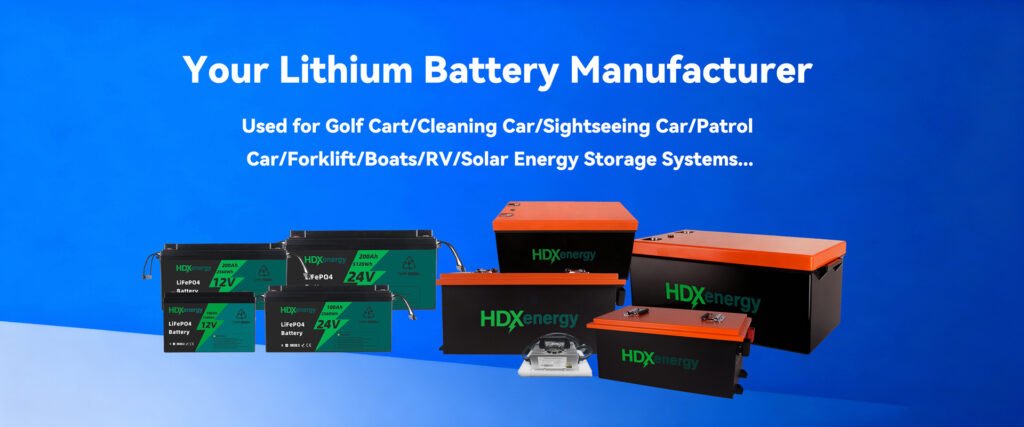
For energy exporters and integrators like HDX Energy, this matters at a commercial level. Offering LiFePO4 solutions means fewer post-installation issues, lower warranty claims, and stronger long-term customer trust.
Professional Q&A: Lithium Iron Phosphate Battery Safety
Q1: Are LiFePO4 batteries completely fireproof?
No battery is completely fireproof, but LiFePO4 batteries are significantly more resistant to fire and thermal runaway than other lithium-ion batteries. Under normal and most abnormal conditions, they are far less likely to ignite.
Q2: Can LiFePO4 batteries be safely used indoors?
Yes. LiFePO4 batteries are widely used in indoor applications such as residential energy storage, server racks, and data centers due to their stable chemistry and low fire risk when properly installed.
Q3: Do LiFePO4 batteries require special cooling systems?
In most residential and commercial ESS applications, active cooling is not required. Passive cooling is usually sufficient because LiFePO4 batteries generate less heat during operation.
Q4: Are LiFePO4 batteries safer for solar energy storage?
Yes. Their ability to handle deep daily cycling, high temperatures, and partial state-of-charge operation makes them particularly well-suited—and safer—for solar and renewable energy systems.
Q5: How does LiFePO4 safety affect long-term operating costs?
Higher safety reduces the likelihood of system failure, insurance claims, downtime, and premature replacement. Over a 10–15 year project lifecycle, this translates into lower total cost of ownership and reduced operational risk.
If you’d like, I can also help tailor this topic for residential solar buyers, utility-scale BESS projects, or OEM battery sourcing, based on HDX Energy’s target market.