Introdução: Por que a escolha da bateria é mais importante do que você pensa
Se você já ficou diante de uma parede de especificações de baterias - voltagem isso, ampère-hora aquilo, BMS isso, certificação aquilo - e sentiu seus olhos brilharem, você não está sozinho. Eu já passei por isso. Escolher um conjunto de baterias LiFePO4 não é como escolher uma pilha AA na prateleira do supermercado. Se errar, você terá um sistema que se desliga quando mais precisa dele, uma bateria que morre anos antes do tempo ou, pior ainda, um risco à segurança na sua garagem ou no compartimento de equipamentos.
O mercado de baterias de fosfato de ferro e lítio explodiu nos últimos anos. O mercado foi avaliado em US$ 23,97 bilhões em 2025 e está projetado para crescer para US$ 77,07 bilhões até 2034, refletindo uma taxa de crescimento anual composta de 12,35%. A Ásia-Pacífico sozinha comandou mais de 51% dessa participação no mercado global, impulsionada pela fabricação maciça de EV e pela implantação de armazenamento de energia. Especificamente no segmento de armazenamento estacionário, os preços médios dos pacotes de baterias caíram para cerca de $70/kWh em 2025, uma queda de aproximadamente 45% em relação ao ano anterior, impulsionada pelo excesso de capacidade de fabricação e pela mudança acelerada para produtos químicos LFP.
O que tudo isso significa para você? Simplificando: as baterias LiFePO4 nunca foram tão econômicas ou estiveram tão disponíveis. Mas o preço acessível traz complexidade. Quando os preços caem e as opções se multiplicam, a diferença entre uma bateria bem escolhida e uma mal escolhida aumenta consideravelmente.
Este guia foi escrito para engenheiros, gerentes de compras, integradores de sistemas, entusiastas de sistemas fora da rede, operadores de frotas e qualquer pessoa que precise que sua bateria funcione de forma confiável por anos, não meses. Passaremos por todos os pontos de decisão, desde a compreensão de suas necessidades reais de energia até o dimensionamento correto da tensão e da capacidade, desde a avaliação da qualidade do BMS até a verificação das certificações, desde a ponderação do custo inicial em relação ao valor vitalício até a seleção do fornecedor certo. No final, você terá uma estrutura clara para fazer uma escolha confiante e informada.
Capítulo 1: Entendendo seu aplicativo primeiro
Antes de analisar a especificação de uma única bateria, você precisa entender sua aplicação. Isso parece óbvio, mas já vi muitas pessoas começarem com “quero uma bateria de 100 Ah” antes mesmo de calcularem se 100 Ah é suficiente, excessivo ou se é a métrica errada.

1.1 Mapeamento de seu perfil de carga
Todo aplicativo tem um perfil de carga: o padrão de consumo de energia ao longo do tempo. Entender o seu é a etapa mais importante na seleção da bateria. Um carrinho de golfe que consome 80 amperes continuamente em subidas tem um requisito fundamentalmente diferente de uma cabine fora da rede que consome 200 watts durante a noite. Uma empilhadeira que opera em três turnos exige recursos diferentes de um sistema de energia de reserva que fica ocioso 360 dias por ano.
Comece com uma auditoria de energia simples, mas completa. Liste todos os dispositivos, eletrodomésticos ou motores que sua bateria alimentará. Para cada um, registre a potência e quantas horas por dia ele funciona. Multiplique a potência por horas para obter watts-hora (Wh). Some tudo. Em seguida - e isso é fundamental - adicione uma margem de 20% a 25% para perdas do inversor, cargas fantasmas e a simples realidade de que o uso no mundo real raramente corresponde aos cálculos feitos no papel.
Por exemplo, uma auditoria de energia típica de um veículo recreativo pode ter a seguinte aparência:
Tabela 1: Exemplo de auditoria de energia diária de RV
| Eletrodomésticos | Potência | Uso diário (horas) | Consumo diário (Wh) |
|---|---|---|---|
| Refrigerador com compressor de 12V | 60W | 24 horas (ciclismo) | 1.440 Wh |
| Iluminação LED | 15W | 5 horas | 75 Wh |
| Bomba de água | 40W | 1 hora | 40 Wh |
| Carregamento do laptop | 65W | 3 horas | 195 Wh |
| Ventilador | 30W | 6 horas | 180 Wh |
| Total | 1.930 Wh | ||
| Com buffer 25% | 2.413 Wh |
Fonte: Adaptado da metodologia de auditoria energética do setor
Se estiver dimensionando para a energia solar, será necessário combinar esse consumo diário com a entrada de energia solar. Divida o total de watts-hora diários pelas horas de pico de sol locais para estimar o tamanho do painel solar necessário. Um sistema que requer 3.000 Wh em um local com 5,5 horas de pico de sol, por exemplo, precisa de um painel solar de aproximadamente 545 W antes de contabilizar as perdas de conversão.
1.2 Demandas de potência contínua vs. de pico
Um dos erros mais comuns que vejo é dimensionar uma bateria com base apenas na carga contínua, sem levar em conta as demandas de pico ou de surto. Motores, compressores e bombas consomem muito mais corrente na inicialização do que durante a operação contínua. Sua bateria e seu BMS devem ser capazes de lidar com esses picos sem disparar os cortes de proteção.
Uma regra prática: identifique sua carga máxima contínua em watts, divida pela tensão do sistema para obter amperes e, em seguida, adicione uma margem de segurança de 25 a 30%. Por exemplo, uma carga de 5.000 watts em um sistema de 48 V requer cerca de 104 amperes contínuos. Um BMS adequadamente dimensionado para essa aplicação deve ser classificado para, no mínimo, 150 ampères - nunca opere um BMS com 100% de sua corrente nominal, pois a redução de calor e as cargas de pico do mundo real sempre aumentam a demanda acima dos valores calculados.
1.3 Requisitos de profundidade de descarga
Com que intensidade você planeja fazer o ciclo da bateria? Essa pergunta influencia tudo, desde o dimensionamento da capacidade até a seleção da química. Algumas aplicações, como o armazenamento solar diário, fazem o ciclo da bateria de quase cheia a quase vazia todos os dias. Outras, como o backup de emergência, podem ter ciclos apenas algumas vezes por ano.
As baterias LiFePO4 são excelentes em aplicações de ciclo profundo. Elas fornecem rotineiramente de 80 a 100% de profundidade de descarga (DoD) sem degradação significativa, em comparação com as baterias de chumbo-ácido, que normalmente são limitadas a 50% de DoD para evitar a rápida perda de capacidade. Uma bateria LiFePO4 de 100 Ah pode fornecer de 80 a 100 amp/hora de energia utilizável, enquanto uma bateria de chumbo-ácido equivalente fornece, na realidade, apenas 40 a 50 amp/hora, o que significa que uma bateria de lítio dobra efetivamente a energia disponível sem aumentar o tamanho físico.
1.4 Condições ambientais
Onde sua bateria ficará? Em uma sala de servidores com controle climático? No compartimento do motor de um barco? Em um galpão sem aquecimento em Minnesota? Uma instalação solar externa no Arizona?
As baterias LiFePO4 têm uma faixa operacional definida que varia entre carga e descarga. Normalmente, elas podem ser descarregadas de -20°C a 60°C (-4°F a 140°F), mas a carga abaixo de 0°C (32°F) requer consideração especial. As células LiFePO4 padrão não podem ser carregadas com segurança abaixo de zero - a tentativa de fazer isso causa a formação de placas de lítio no ânodo, danificando permanentemente a capacidade e criando um risco de segurança. Muitos pacotes de baterias premium agora incluem mecanismos de autoaquecimento incorporados que permitem carregar até -20°C (-4°F), o que é um recurso essencial para aplicações em climas frios.
No outro extremo, as altas temperaturas aceleram a degradação. Normalmente, a perda de capacidade aumenta em cerca de 20% para cada 10°C acima de 40°C. Para aplicações em climas ou gabinetes quentes, procure pacotes com gerenciamento térmico ativo, limitação de carga acionada pela temperatura e garantias realistas que levem em conta o estresse térmico.
Capítulo 2: Tensão, capacidade e configuração
Depois de entender sua aplicação, é hora de especificar os parâmetros elétricos do conjunto de baterias. É nesse ponto que a precisão técnica é mais importante.
2.1 Tensão: Correspondência com a arquitetura do seu sistema
A tensão do conjunto de baterias é determinada pelo número de células LiFePO4 individuais conectadas em série. Cada célula tem uma tensão nominal de 3,2 V e uma tensão de carga máxima de 3,65 V. Ao empilhar as células em série, você aumenta as tensões comuns do sistema.
As configurações mais comuns são:
- 4S (4 células em série): 12,8 V nominal, 14,6 V de carga máxima. Esse é o padrão para a maioria das aplicações em trailers, embarcações e pequenas aplicações fora da rede. É uma tensão de substituição direta para sistemas tradicionais de chumbo-ácido de 12V.
- 8S (8 células em série): 25,6 V nominal, 29,2 V de carga máxima. Comum para motores de corrico, configurações solares de 24 V e aplicações de média potência.
- 16S (16 células em série): 51,2 V nominal, 58,4 V de carga máxima. A arquitetura dominante para armazenamento de energia residencial, carrinhos de golfe e sistemas maiores fora da rede. Tensão mais alta significa corrente mais baixa para a mesma potência, o que reduz o tamanho do cabo, a geração de calor e as perdas do sistema.
- 24S (24 células em série): 76,8 V nominal, 87,6 V de carga máxima. Usado em veículos elétricos de 72 V, equipamentos industriais maiores e algumas aplicações de armazenamento comercial.
A regra fundamental: seu BMS deve corresponder exatamente à contagem de células em série. Um BMS de 16S em um pacote de 15S (ou vice-versa) causará erros sistemáticos de leitura de tensão e proteção não confiável. Nunca faça suposições sobre isso - conte suas células e verifique a configuração antes de fazer o pedido.
2.2 Capacidade: Amp-horas, watts-horas e energia utilizável
É na capacidade que as alegações de marketing geralmente divergem da realidade da engenharia. Uma bateria pode ser rotulada como “100Ah”, mas o que isso realmente significa para sua aplicação?
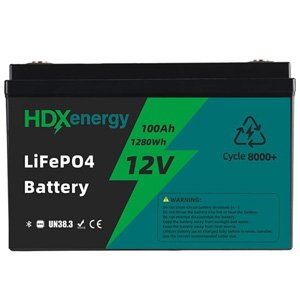
Ampère-hora (Ah) indica a quantidade de corrente que a bateria pode fornecer ao longo do tempo em uma tensão nominal. Mas a energia, que é o que realmente importa, é medida em watts-hora (Wh). Para converter: multiplique ampères-hora pela tensão nominal. Uma bateria LiFePO4 de 12,8V e 100Ah armazena aproximadamente 1.280 watts-hora (1,28 kWh) de energia.
Mas aqui está a nuance: nem toda essa energia é utilizável. As baterias de chumbo-ácido não devem ser descarregadas além de 50% da DoD, portanto, uma bateria de chumbo-ácido de 100 Ah fornece apenas cerca de 640 Wh de energia utilizável. Uma bateria de LiFePO4 de 100 Ah, por outro lado, pode fornecer confortavelmente de 80 a 100% de sua capacidade nominal, o que faz com que a comparação de energia utilizável seja de aproximadamente 1.280 Wh contra 640 Wh, uma vantagem de 2:1 para a mesma classificação de placa de identificação.
A capacidade real também depende da taxa de descarga, graças ao efeito Peukert. Em altas taxas de descarga, todas as baterias perdem a capacidade efetiva, mas o LiFePO4 se mantém muito melhor do que o chumbo-ácido. Uma bateria de LiFePO4 mantém cerca de 95% de sua capacidade nominal em uma taxa de descarga de 0,5C, em comparação com cerca de 70% das baterias de chumbo-ácido.
Ao dimensionar a capacidade, trabalhe de trás para frente a partir do seu consumo diário de energia em watts-hora, adicione o buffer e divida pela tensão do sistema para determinar a classificação de amp/hora necessária. Sempre confirme se a classificação de descarga contínua do pacote (em ampères) excede a carga máxima esperada.
2.3 Configurações em série e em paralelo
A capacidade é aumentada pela conexão de células ou módulos de bateria em paralelo, enquanto a tensão é aumentada pela conexão em série. Um pacote descrito como “4S3P” significa quatro células em série (para 12,8 V nominais) e três dessas cadeias em série em paralelo (para triplicar a capacidade de uma única cadeia).
Ao montar ou comprar um pacote, a consistência das células é extremamente importante. As células em uma cadeia em série devem ser compatíveis em termos de tensão, capacidade e resistência interna. Células incompatíveis criam um desequilíbrio que o BMS precisa corrigir constantemente, reduzindo a capacidade utilizável e acelerando o envelhecimento. Por esse motivo, os fabricantes de boa reputação usam células do mesmo lote de produção com tolerâncias rígidas e fornecem documentação da correspondência das células.
2.4 Taxas C e capacidade de descarga
A taxa C descreve a rapidez com que uma bateria pode ser carregada ou descarregada em relação à sua capacidade. Uma taxa de 1C significa que a bateria pode ser totalmente carregada ou descarregada em uma hora. Uma taxa de 0,5C significa duas horas; uma taxa de 2C significa 30 minutos.
A maioria dos pacotes padrão de LiFePO4 é classificada para descarga contínua de 0,5C a 1C. As células de alta taxa podem suportar descargas contínuas de 2C, 3C ou até mais, mas essas células normalmente custam mais e podem ter uma densidade de energia um pouco menor. Combine a taxa C com a sua aplicação: um sistema de armazenamento solar pode precisar de apenas 0,2C de capacidade de descarga, enquanto uma empilhadeira elétrica pode exigir 2C ou mais para lidar com cargas de aceleração e elevação.
Tabela 2: Configuração recomendada de LiFePO4 por aplicativo
| Aplicação | Tensão típica | Capacidade típica | Corrente BMS recomendada | Principais requisitos |
|---|---|---|---|---|
| RV/Camper | 12,8V (4S) | 100-300 Ah | 100-200 A | Proteção de carregamento em baixa temperatura |
| Banco Marine House | 12,8V (4S) | 100-400 Ah | 150-300 A | Resistência à corrosão, classificação de vibração |
| Cabine fora da rede elétrica | 51,2V (16S) | 100-300 Ah | 100-200 A | Capacidade de ciclagem diária profunda |
| Backup doméstico/UPS | 51,2V (16S) | 100-400 Ah | 100-200 A | Troca rápida de rede para bateria |
| Carrinho de golfe | 51,2V (16S) | 100-200 Ah | 200-400 A | Manuseio de alta corrente de surto |
| Luz de rua solar | 12,8V (4S) | 20-60 Ah | 20-60 A | Ampla tolerância à temperatura |
| Empilhadeira | 51,2V (16S) | 200-600 Ah | 300-500 A | Descarga contínua de alta taxa |
| Scooter elétrica | 51,2V (16S) | 30-60 Ah | 50-100 A | Fator de forma leve e compacto |
Fonte: Compilado a partir de várias referências do setor e guias de aplicação
Capítulo 3: O sistema de gerenciamento de bateria (BMS) - o cérebro de sua bateria
Se as células são o coração de sua bateria, o BMS é o cérebro. Um conjunto de baterias LiFePO4 sem um BMS adequado é, sem rodeios, um risco sem proteção. Um evento de sobrecarga pode destruir permanentemente as células. Um BMS mal configurado pode causar meses de cortes fantasmas e desperdício de capacidade. A configuração correta do BMS não é opcional - é a diferença entre uma bateria que dura uma década e uma que falha em um ano.
3.1 Três funções principais de um BMS
Um BMS de qualidade realiza três tarefas simultaneamente:
Proteção é a primeira e mais fundamental função. O BMS deve interromper o circuito imediatamente quando qualquer célula exceder sua janela de operação segura: carga acima de 3,65 V por célula, descarga abaixo de 2,8 V por célula (limite de operação recomendado) ou quando as condições de corrente, temperatura ou curto-circuito se tornarem perigosas. Sem essa camada de proteção, uma falha em uma única célula pode afetar todo o pacote em cascata.
Equilíbrio é a segunda função, e é nela que muitas unidades BMS mais baratas deixam a desejar. Células individuais sofrem variações naturais de tensão ao longo de centenas de ciclos de carga e descarga devido às tolerâncias de fabricação e ao envelhecimento irregular. Sem o balanceamento, a célula mais fraca em seu pacote define a capacidade utilizável de todo o pacote e se degrada mais rapidamente. Um bom BMS corrige esse desvio continuamente.
Monitoramento é a terceira função. Um BMS inteligente rastreia o estado de carga (SOC), o estado de saúde (SOH), a tensão por célula, a temperatura e a contagem de ciclos em tempo real. Esses dados permitem que você detecte uma célula com falha antes que ela destrua todo o pacote.
Um ponto crítico: O LiFePO4 tem uma curva de descarga exclusivamente plana em comparação com outras químicas de lítio. Um BMS genérico projetado para íons de lítio padrão interpretará incorretamente o SOC no platô de tensão do LiFePO4 e acionará falsos cortes de baixa tensão com uma capacidade significativa restante. Seu BMS deve ser configurado especificamente para a química do LiFePO4.
3.2 Balanceamento ativo vs. passivo
Essa é uma decisão que afeta diretamente a longevidade e o desempenho da embalagem.
Balanceamento passivo funciona drenando o excesso de carga das células de alta voltagem por meio de um resistor, dissipando-o como calor. É simples, barato e eficaz para células bem combinadas submetidas a ciclos com taxas baixas. Entretanto, a corrente de balanceamento normalmente é de apenas 50 a 200 mA - a correção de um desequilíbrio de 500 mAh pode levar cerca de 5 horas. Para baterias grandes ou baterias com ciclos agressivos, o balanceamento passivo simplesmente não consegue acompanhar.
Balanceamento ativo transfere energia de células de tensão mais alta para células de tensão mais baixa por meio de circuitos indutor-capacitor, normalmente de 1 a 5 amperes com 80 a 95% de eficiência. Ele corrige o desequilíbrio de 10 a 50 vezes mais rápido do que o balanceamento passivo e opera durante todo o ciclo de carga e descarga, não apenas no topo da carga.
Quando escolher qual:
- O balanceamento passivo é suficiente quando as células são do mesmo lote de produção, as taxas de ciclagem são iguais ou inferiores a 0,3C e o pacote não é levado aos seus limites diariamente.
- Recomenda-se o balanceamento ativo quando o pacote for de 200 Ah ou maior, o ciclo profundo diário for a norma, as taxas de descarga excederem 0,5 C contínuo ou as células forem de lotes mistos ou envelhecidos.
3.3 Protocolos de comunicação e recursos inteligentes
As unidades BMS modernas são cada vez mais equipadas com recursos de comunicação que transformam a bateria de uma fonte de energia burra em um componente inteligente do sistema.
Bluetooth A conectividade agora é comum até mesmo em pacotes de médio porte, permitindo monitorar tensões, temperaturas, SOC e contagem de ciclos das células a partir de um aplicativo de smartphone. Isso é inestimável para a solução de problemas e manutenção.
RS485 e barramento CAN As interfaces BMS são essenciais para a integração com controladores de carga solar, inversores e sistemas de gerenciamento de energia de edifícios. Se estiver construindo um sistema de armazenamento solar, procure um BMS que possa se comunicar com seu inversor - a comunicação em circuito fechado entre o BMS e o inversor permite um controle de carga mais inteligente e relatórios SOC mais precisos.
Controle da almofada de aquecimento é um recurso a ser procurado em aplicações em climas frios. O BMS pode controlar um elemento de aquecimento integrado, puxando a corrente de carga para aquecer as células acima de 0°C antes de permitir o carregamento - evitando os danos ao revestimento de lítio que ocorrem ao carregar células frias.
3.4 Gerenciamento térmico e interrupções de segurança
A temperatura é inimiga da longevidade da bateria. As baterias LiFePO4 operam melhor entre 0°C e 45°C, e um BMS adequadamente projetado usa sensores de temperatura para acionar respostas de proteção.
Em baixas temperaturas, o BMS deve desativar a carga abaixo de 0 °C (a menos que um aquecedor esteja presente e ativo). Em altas temperaturas, normalmente acima de 50°C a 55°C, o BMS deve reduzir a corrente de carga ou desconectar totalmente para evitar a degradação acelerada. Alguns projetos avançados de BMS ajustam dinamicamente a corrente de carga: quando as temperaturas ultrapassam 50°C, a taxa de carga pode ser reduzida em 40% para evitar a formação de placas de lítio e o estresse térmico..
Para ambientes exigentes, considere pacotes com resfriamento ativo (líquido ou ar forçado) em vez de resfriamento passivo (aletas de convecção). O resfriamento líquido oferece de 70 a 90% de eficiência no gerenciamento térmico, em comparação com 30 a 50% dos sistemas passivos, mas acrescenta cerca de 50to80 por kWh para o custo do sistema.
Capítulo 4: Certificações e padrões de segurança
As certificações de segurança não são papéis burocráticos - elas são a garantia de que uma bateria foi testada em condições extremas e não falhará de forma catastrófica em sua aplicação. Para os compradores B2B, as certificações também são o que as autoridades alfandegárias, as seguradoras e os principais varejistas procuram antes de tocar no seu produto.
4.1 O cenário da certificação
As certificações de baterias se enquadram em três categorias amplas: segurança de transporte, segurança elétrica e desempenho em nível de sistema.
ONU 38.3 é o ponto de partida inegociável. Ele é obrigatório em todo o mundo para todas as remessas de baterias de lítio por via aérea, marítima e terrestre. Ele testa a simulação de altitude, choque térmico, vibração, choque, curto-circuito externo, impacto, sobrecarga e descarga forçada. Sem a certificação UN 38.3, suas baterias simplesmente não podem ser transportadas legalmente.
IEC 62133 é o padrão internacional de segurança para baterias e células secundárias seladas portáteis. Ele é amplamente aceito na Europa e na Ásia e é cada vez mais o padrão global de fato para baterias portáteis de íon-lítio. Ela abrange testes de vibração, choque, curto-circuito externo e outros testes de abuso elétrico e mecânico.
UL 1642 aplica-se especificamente a células de lítio individuais. Ele testa como as células reagem a condições elétricas e mecânicas extremas, incluindo curto-circuito externo, carregamento anormal, descarga forçada, esmagamento, impacto, choque, vibração e aquecimento. Foi verificado que uma célula certificada pela UL 1642 não pega fogo nem explode sob essas condições de abuso.
UL 1973 abrange pacotes de baterias para armazenamento de energia estacionária e sistemas auxiliares de veículos elétricos. Ele valida a confiabilidade operacional de longo prazo e agora exige a demonstração da funcionalidade do corta-chamas durante eventos de fuga térmica. Esse é o padrão a ser buscado em aplicações de armazenamento residencial e comercial.
UL 9540A avalia a propagação da fuga térmica no nível do sistema - essencial para instalações de armazenamento de energia em larga escala.
4.2 Certificação em nível de célula vs. em nível de pacote
Um mal-entendido comum é que uma célula certificada significa automaticamente uma embalagem certificada. Isso não é verdade. A UL 1642 se aplica à célula individual em seu interior. O pacote acabado - células mais BMS mais gabinete mais fiação - requer sua própria certificação, normalmente UL 2054 ou IEC 62133 para aplicações portáteis, ou UL 1973 para armazenamento estacionário.
Uma célula certificada em um pacote mal projetado ainda é perigosa. O BMS, a fiação, os conectores e o gabinete introduzem novos pontos de falha em potencial que devem ser testados como um sistema completo.
4.3 Requisitos regionais
Mercados diferentes têm requisitos diferentes:
- Estados Unidos: As certificações UL (UL 1642, UL 1973, UL 2054, UL 9540A) têm um peso significativo. Embora nem sempre sejam legalmente obrigatórias, os principais varejistas e seguradoras costumam exigi-las.
- Europa: A marcação CE é essencial, o que geralmente depende da conformidade com os padrões IEC (IEC 62133, IEC 62619). A UE também exige conformidade com RoHS e REACH para segurança ambiental e química.
- Transporte global: A norma UN 38.3 é obrigatória em todos os lugares. Sem os relatórios de teste UN 38.3 válidos, as transportadoras não aceitarão as remessas e a alfândega poderá reter as mercadorias.
Ao avaliar um fornecedor de baterias, solicite os relatórios de teste reais, não apenas declarações de conformidade. Um fabricante de boa reputação fornecerá documentação de laboratórios de teste reconhecidos, como TÜV, UL ou Intertek.
Capítulo 5: Considerações sobre custos e custo total de propriedade
O preço de compra de uma bateria LiFePO4 é apenas o começo da história do custo. Para tomar uma decisão genuinamente informada, você precisa entender o custo total de propriedade durante toda a vida útil da bateria.
5.1 Custo inicial vs. custo vitalício
As baterias LiFePO4 têm um preço inicial mais alto do que as alternativas de chumbo-ácido - normalmente, de 20 a 50% a mais para uma capacidade equivalente na placa de identificação. No entanto, esse número é muito enganoso quando se leva em conta a energia utilizável, o ciclo de vida e a manutenção.
Considere um exemplo prático: Uma bateria LiFePO4 de 100Ah e 12,8V pesa aproximadamente 13 kg, fornece cerca de 1.280 watts-hora de energia utilizável e dura de 3.000 a 5.000 ciclos. Uma bateria equivalente de chumbo-ácido de 100Ah pesa cerca de 25 a 30 kg, fornece apenas cerca de 640 watts-hora de energia utilizável (limitada a 50% de DoD) e dura de 300 a 500 ciclos.
Em uma vida útil de 10 anos, você precisaria substituir a bateria de chumbo-ácido cerca de 6 a 10 vezes. A bateria LiFePO4 talvez nunca precise ser substituída. Quando você leva em conta a mão de obra de substituição, o tempo de inatividade, os custos de descarte e o maior espaço físico dos bancos de chumbo-ácido, a vantagem do custo de vida útil oscila decisivamente em favor do lítio.
5.2 Tendências de preços para 2025-2026
A economia do LiFePO4 mudou drasticamente nos últimos anos. Em 2025, os preços globais das baterias de íon-lítio eram, em média, de aproximadamente 108/kWhacruzadoallapessoasications,e8percentdeclemefromthepreviousyear,withcellpricesfallemgabout5percenttoaround78/kWh. Especificamente para o armazenamento estacionário, os preços dos pacotes atingiram aproximadamente $70/kWh em 2025, marcando o declínio mais acentuado entre todos os segmentos de aplicações de íons de lítio.
Essas quedas de preço foram impulsionadas pelo excesso de capacidade de fabricação de células, pela intensa concorrência no mercado, pelas economias de escala e pela mudança contínua em todo o setor para produtos químicos de LFP de custo mais baixo. No entanto, os preços não se moveram em uma linha reta. No final de 2025 e no início de 2026, os custos de matéria-prima do concentrado de espodumênio e do carbonato de lítio para baterias se recuperaram fortemente, elevando os preços das células acima de 0,4 RMB/Wh (aproximadamente $55/kWh), com pedidos urgentes superiores a 0,45 RMB/Wh.
Essa volatilidade ressalta um ponto importante para o setor de compras: fechar contratos de fornecimento durante as baixas de preços pode gerar economias substanciais, mas a transparência da cadeia de suprimentos e a estabilidade financeira do fornecedor tornam-se igualmente importantes quando os mercados oscilam.
5.3 Custos ocultos e compensações de qualidade
A queda acentuada nos preços das baterias criou um cenário de fornecedores lotado e, às vezes, caótico. Uma bateria que custa 20% menos no início pode facilmente custar muito mais durante sua vida útil se se degradar mais rapidamente, vier com termos de garantia vagos ou falhar prematuramente.
Os especialistas do setor agora enfatizam a necessidade de olhar além da métrica simples de dólar por kWh. A economia do projeto depende da energia utilizável durante o período de garantia, da eficiência de ida e volta, do consumo de energia auxiliar (refrigeração, controles) e dos custos realistas de operações e manutenção do ciclo de vida. Um pacote um pouco mais barato que se degrada mais rapidamente ou que vem com termos de garantia pouco claros pode aumentar significativamente o custo nivelado de energia (LCOE) e o risco do projeto.
Tabela 3: Comparação do custo total de propriedade - Bateria de 100Ah 12,8V (período de 10 anos)
| Fator de custo | LiFePO4 | Chumbo-ácido (AGM) |
|---|---|---|
| Preço de compra inicial | 300-500 | 150-250 |
| Energia utilizável por ciclo | ~1.280 Wh | ~640 Wh |
| Vida útil do ciclo no 80% DoD | 3,000-5,000 | 300-500 |
| Substituições em 10 anos | 0-1 | 6-10 |
| Mão de obra de reposição (por evento) | 50-100 | 50-100 |
| Manutenção necessária | Nenhum | Cobertura de água, limpeza de terminais |
| Custo de descarte/reciclagem | Baixa (alta capacidade de reciclagem) | Moderado (resíduos de chumbo) |
| TCO estimado para 10 anos | 400-800 | 1,200-3,000+ |
| Custo por kWh utilizável durante a vida útil | ~0.05-0.10 | ~0.25-0.50+ |
Observação: os preços são estimativas aproximadas para 2025-2026 e variam de acordo com a região, a marca e o volume de pedidos.
Capítulo 6: Comparação química - Por que o LiFePO4 em vez de outras opções
Para escolher o LiFePO4 com confiança, você deve entender como ele se compara às alternativas. O mundo das baterias não é único, e cada química tem seu lugar.
6.1 LiFePO4 vs. chumbo-ácido
Essa é a comparação que importa para a maioria das aplicações de energia fora da rede, em veículos recreativos, marítimos e de reserva. As diferenças são gritantes:
As baterias de chumbo-ácido existem há mais de 150 anos. São baratas para comprar, amplamente disponíveis e bem conhecidas. No entanto, são pesadas, fornecem apenas cerca de metade de sua capacidade nominal como energia utilizável, carregam lentamente (normalmente de 8 a 10 horas para uma carga completa) e se degradam rapidamente quando profundamente descarregadas. Uma bateria de ciclo profundo AGM típica dura de 300 a 500 ciclos com 50% de DoD.
As baterias LiFePO4 pesam aproximadamente a metade do peso para a mesma capacidade de placa de identificação - uma bateria LiFePO4 de 100 Ah pesa cerca de 13 kg, em comparação com 25 a 30 kg para baterias de chumbo-ácido. Eles carregam três vezes mais rápido, oferecem 95% de eficiência de carga, em comparação com 70% do chumbo-ácido, e duram de 3.000 a 5.000 ciclos a 80% do DoD - aproximadamente 10 vezes a vida útil do ciclo.
6.2 LiFePO4 vs. NMC (níquel-manganês-cobalto)
A NMC é a química encontrada na maioria das baterias de veículos elétricos e estações de energia portáteis. Sua principal vantagem é a maior densidade de energia: As baterias NMC atingem de 200 a 265 Wh/kg em comparação com 90 a 160 Wh/kg para LiFePO4. Isso faz com que o NMC seja a melhor opção quando o espaço e o peso são absolutamente preciosos.
No entanto, o NMC apresenta desvantagens significativas. Seu ciclo de vida é normalmente de 500 a 2.000 ciclos, muito mais curto do que o do LiFePO4, que é de 3.000 a 6.000+. As baterias NMC esquentam mais sob carga, degradam-se mais rapidamente em temperaturas elevadas e apresentam um risco maior de fuga térmica. Elas também são mais caras por ciclo quando se leva em conta a frequência de substituição.
Para aplicações estacionárias - backup doméstico, armazenamento solar, cabines fora da rede - o LiFePO4 é quase sempre a melhor opção. Sua vida útil mais longa, perfil de segurança superior e desempenho estável em ciclos diários superam a vantagem de eficiência de espaço da NMC. A NMC faz mais sentido em aplicações em que o tamanho compacto é fundamental e a bateria não é submetida a ciclos profundos todos os dias, como estações de energia portáteis usadas ocasionalmente em acampamentos.
6.3 LiFePO4 vs. outras químicas de lítio
Em comparação com os produtos químicos de íons de lítio mais antigos, como o LCO (óxido de lítio e cobalto), o LiFePO4 oferece uma estabilidade térmica muito melhor. Sua estrutura cristalina de olivina é inerentemente estável - as fortes ligações de fosfato resistem à decomposição em altas temperaturas, dando ao LiFePO4 um limiar de fuga térmica bem acima de 200°C, em comparação com aproximadamente 150°C para cátodos à base de cobalto.
Essa estabilidade térmica se traduz em segurança no mundo real. As baterias LiFePO4 não pegam fogo nem explodem sob condições que provocariam o descontrole térmico em outras químicas de lítio. Para aplicações em que as baterias são instaladas em ambientes residenciais, veículos ou perto de equipamentos valiosos, essa margem de segurança é inestimável.
A compensação é uma tensão nominal mais baixa (3,2 V por célula, em comparação com 3,6 V a 3,7 V da maioria dos outros produtos químicos de íons de lítio) e menor densidade de energia. Porém, para a maioria das aplicações estacionárias e industriais, a segurança e a vida útil do ciclo são muito mais importantes do que a extração de cada watt-hora por quilograma.
Capítulo 7: Guias de seleção específicos para aplicativos
Diferentes aplicativos impõem diferentes demandas a uma bateria. Veja a seguir como abordar a seleção para os casos de uso mais comuns.
7.1 Sistemas de energia para trailers e campistas
Os proprietários de veículos recreativos exigem muito de suas baterias: ciclos diários profundos durante o boondocking, compatibilidade com os sistemas de carregamento existentes, tolerância a vibrações e oscilações de temperatura e operação segura em espaços habitáveis.
Para a maioria dos veículos recreativos, é adequado um pacote LiFePO4 de 12,8 V (4S) na faixa de 100 a 300 Ah. Os principais fatores de seleção para aplicações em veículos recreativos são os requisitos de capacidade, compatibilidade de tensão, dimensões físicas e sistemas de gerenciamento de bateria integrados. Sempre verifique as classificações de ciclo de vida e os termos de garantia antes de comprar.
Os principais recursos específicos do RV a serem observados incluem:
- Proteção de carregamento em baixa temperatura: As células LiFePO4 padrão não podem carregar abaixo de 0°C (32°F). As baterias premium para veículos recreativos incluem mecanismos de autoaquecimento que permitem carregar até -20°C (-4°F), o que é essencial para acampamentos em climas frios.
- Compatibilidade de encaixe: A maioria dos conversores-carregadores modernos para veículos recreativos pode ser atualizada para modelos específicos de lítio com tensão de absorção de 14,4 a 14,6 V. Os sistemas antigos podem exigir uma adaptação profissional.
- Aptidão física: Meça cuidadosamente o compartimento da bateria. As baterias LiFePO4 são fornecidas em vários formatos e nem todos os equivalentes de “tamanho de grupo” são realmente idênticos em termos de dimensões.
Um banco de baterias LiFePO4 para veículos recreativos de tamanho adequado normalmente oferece de 8 a 15 anos de serviço com 3.000 a 5.000 ciclos de carga completos a 80% de DoD, superando drasticamente a vida útil de 500 a 1.000 ciclos das baterias AGM.
7.2 Aplicativos marítimos
Os ambientes marítimos acrescentam desafios exclusivos: vibração constante, exposição à água salgada, espaços de instalação confinados e normas de segurança que são particularmente rigorosas para embarcações de passageiros.
As vantagens do LiFePO4 para uso marítimo são convincentes. A química é inerentemente estável, sem risco de fuga térmica, o que é fundamental em espaços fechados do casco. Ela não emite fumaça, ao contrário das baterias de chumbo-ácido, que podem liberar gás hidrogênio durante o carregamento. E sua resistência à vibração significa que as conexões permanecem firmes e as células permanecem saudáveis apesar do mar agitado.
Para bancos de baterias domésticas marítimas, os sistemas de 12,8 V são padrão para embarcações menores, enquanto os sistemas de 25,6 V (8S) são cada vez mais comuns em barcos maiores. A curva de descarga plana do LiFePO4 mantém os equipamentos eletrônicos e de navegação funcionando com tensão estável, mesmo quando a bateria se aproxima da exaustão.
Principais recursos específicos para o ambiente marinho: procure classificações de proteção de entrada IP65 ou superior, terminais resistentes à corrosão (aço inoxidável ou cobre estanhado) e unidades BMS classificadas para a alta umidade e exposição ao sal do ambiente marinho.
7.3 Armazenamento de energia solar
O armazenamento solar é a aplicação em que as características do LiFePO4 se alinham perfeitamente. O ciclo diário de carregamento solar é exatamente o caso de uso em que a longa vida útil do ciclo, a alta eficiência de ida e volta e a capacidade de descarga profunda proporcionam o valor máximo.
As baterias LiFePO4 atingem aproximadamente 95% de eficiência de ida e volta em aplicações solares, o que significa que você perde apenas cerca de 5% da energia entre a carga e a descarga, em comparação com as perdas de 20 a 30% com chumbo-ácido. Ao longo de um ano, essa diferença de eficiência se traduz em uma quantidade significativamente maior de energia utilizável a partir do mesmo painel solar.
Para o armazenamento solar residencial, os sistemas de 51,2V (16S) na faixa de 100 a 300 Ah (5 a 15 kWh) são o ponto ideal para a maioria das residências. Esses sistemas se integram a inversores híbridos populares de fabricantes como Victron, Sol-Ark, Schneider e Growatt.
Ao dimensionar um banco de baterias solares, calcule seu consumo diário de energia em watts-hora, divida pela tensão do sistema para determinar os amp/hora necessários e, em seguida, multiplique pelo número de dias de autonomia necessários (o número de dias em que a bateria deve alimentar suas cargas sem entrada de energia solar). Em muitas regiões, 2 a 3 dias de autonomia é uma meta de projeto razoável.
7.4 Carrinhos de golfe e veículos elétricos
Os carrinhos de golfe consomem altas correntes - geralmente de 50 a 80 amperes contínuos com picos bem acima de 100 amperes durante a aceleração ou subida de ladeiras. Isso exige uma bateria e um BMS classificados para altas taxas de descarga.
A maioria das conversões de carrinhos de golfe usa pacotes de 51,2 V (16S) na faixa de 100 a 200 Ah. A tensão mais alta de uma configuração 16S reduz o consumo de corrente para a mesma saída de energia, o que significa menos geração de calor, cabos menores e operação mais eficiente.
Especificamente para carrinhos de golfe, certifique-se de que a classificação de descarga contínua do BMS exceda o consumo máximo de corrente do carrinho com uma margem de segurança. Uma classificação de BMS contínua de 200A é um mínimo comum para carrinhos de golfe padrão; carrinhos de alto desempenho ou elevados com pneus maiores podem exigir 300A ou mais.
7.5 Aplicações industriais e de empilhadeiras
As baterias industriais trabalham muito. As empilhadeiras que trabalham em vários turnos por dia fazem ciclos intensos e descarregam rapidamente. Nessas aplicações, a capacidade do LiFePO4 de carregar por oportunidade - recarregando durante os intervalos sem danificar a bateria - é um divisor de águas em comparação com o chumbo-ácido, que exige ciclos completos de carga para evitar a sulfatação.
Os pacotes industriais de LiFePO4 normalmente operam com tensões mais altas (48 V a 80 V nominais) e exigem unidades BMS com gerenciamento térmico robusto, incluindo resfriamento ativo em ambientes exigentes. O BMS nessas aplicações também deve estar em conformidade com as normas de segurança industrial relevantes, como a ISO 13849 para segurança de máquinas.
Capítulo 8: Avaliação e seleção de um fornecedor
A bateria que você compra é tão boa quanto a empresa que está por trás dela. Em um mercado repleto de novos participantes, a seleção do fornecedor merece tanta atenção quanto as especificações técnicas.
8.1 O que procurar em um fabricante
O mercado global de baterias LiFePO4 é dominado pelos principais participantes, incluindo CATL, BYD, EVE Energy e vários outros, principalmente na China, que responde por cerca de 70% da capacidade de produção global. No entanto, também existe uma capacidade de fabricação significativa nos Estados Unidos (A123 Systems, KORE Power), na Europa (EVE Energy Europe, Super B, Pylontech) e em outras regiões.
Os principais indicadores de um fornecedor de qualidade incluem:
- Certificações ISO 9001 e ISO 14001 para o gerenciamento da qualidade e do meio ambiente
- Certificações em nível celular incluindo UL 1642 e UN 38.3
- Certificações em nível de pacote incluindo IEC 62133, UL 1973 ou UL 2054, conforme apropriado
- Termos de garantia transparentes que definem claramente as garantias de ciclo de vida, os limites de retenção de capacidade e os procedimentos de reivindicação de garantia
- Transparência na cadeia de suprimentos: Os principais fornecedores podem lhe dizer exatamente qual fábrica produziu suas células, qual BMS é usado e como o pacote é integrado
- Histórico: Há quanto tempo a empresa está no mercado e o que dizem as avaliações e referências independentes?
8.2 Perguntas a serem feitas antes da compra
Antes de se comprometer com um fornecedor, faça estas perguntas específicas:
- “Você pode fornecer o relatório de teste UL 1642 para as células usadas nesse pacote e o relatório de teste UL 1973 ou IEC 62133 para o pacote acabado?”
- “Qual é o período de garantia e em que limite de retenção de capacidade (por exemplo, 80%, 70%) é acionada uma reivindicação de garantia? Por quantos ciclos a garantia é válida?”
- “Qual é a taxa de defeitos de sua linha de produção? Você pode fornecer um certificado de análise para o lote específico?”
- “Onde as células são fabricadas? Qual marca e modelo de BMS é usado?”
- “Qual é o prazo de entrega para essa configuração e qual documentação de remessa (MSDS, UN 38.3) está incluída?”
8.3 Sinais de alerta a serem observados
Desconfie de fornecedores que:
- Não pode ou não quer fornecer relatórios de testes de laboratórios reconhecidos
- Oferecer preços que parecem bons demais para ser verdade (geralmente são)
- Não conseguem explicar claramente suas especificações de BMS
- Têm termos de garantia vagos, sem limites definidos de retenção de capacidade
- Usar células de fontes desconhecidas ou não verificáveis
- Não têm histórico ou referências verificáveis de clientes
Capítulo 9: Práticas recomendadas de instalação, manutenção e longevidade
Mesmo a bateria mais bem escolhida terá um desempenho inferior se for instalada incorretamente ou se for negligenciada. Veja a seguir como maximizar a vida útil de seu investimento.
9.1 Diretrizes de instalação
Instale a bateria em um local que permaneça dentro de sua faixa de temperatura nominal. Evite luz solar direta, compartimentos sem ventilação e locais sujeitos a frio extremo. Garanta um espaço adequado ao redor da bateria para dissipação de calor.
Use cabos de tamanho adequado para o consumo de corrente esperado. Cabos subdimensionados criam resistência, geram calor e reduzem a eficiência do sistema. Todas as conexões devem ser devidamente apertadas de acordo com as especificações do fabricante - conexões frouxas causam queda de tensão e podem formar arcos sob carga.
Se estiver conectando várias baterias em série ou em paralelo, todas as unidades devem ter tensão e capacidade idênticas e, idealmente, devem vir do mesmo lote de produção. Baterias incompatíveis em um banco se afastarão em termos de tensão e capacidade com o tempo, forçando o BMS a trabalhar mais e reduzindo a capacidade total utilizável.
9.2 Práticas recomendadas de carregamento
Use um carregador projetado especificamente para a química LiFePO4. A tensão de absorção para um pacote LiFePO4 de 12V é normalmente de 14,4 a 14,6V, com uma tensão de flutuação de 13,6V. O uso de um carregador de chumbo-ácido com tensões de absorção mais altas ou um modo de equalização pode sobrecarregar e danificar permanentemente as células de lítio.
Para armazenamento de longo prazo, mantenha a bateria com aproximadamente 50% de carga em um ambiente fresco (15 a 25°C). Recarregue a bateria a 50% a cada 3 meses se for armazená-la por longos períodos.
Na verdade, as baterias de lítio preferem ciclos de descarga parcial em vez de total. Manter os ciclos entre 20 e 80% do SOC pode estender a vida útil em aproximadamente 25%, em comparação com a descarga regular até quase o vazio.
9.3 Monitoramento e manutenção
Um BMS inteligente com conectividade Bluetooth facilita muito a manutenção. Verifique regularmente o equilíbrio da tensão da célula - as células individuais devem permanecer dentro de 50 a 100 mV uma da outra. Um desequilíbrio crescente sinaliza um problema em desenvolvimento que pode exigir atenção antes de causar o desligamento do BMS.
Limpe os terminais anualmente com uma escova de arame ou limpador de terminais e aplique graxa dielétrica para evitar corrosão. Verifique o aperto de todas as conexões. Inspecione os cabos quanto a sinais de desgaste, rachaduras ou danos causados pelo calor.
Para pacotes sem um BMS integrado, faça uma verificação manual do equilíbrio das células a cada 6 meses usando um multímetro. Qualquer célula que apresente consistentemente leituras significativamente diferentes de suas vizinhas pode precisar de substituição.
Capítulo 10: O futuro da tecnologia LiFePO4
O cenário do LiFePO4 continua a evoluir rapidamente. Entender as tendências emergentes ajuda você a fazer uma escolha que não ficará obsoleta em dois anos.
10.1 Maior densidade de energia
As células LiFePO4 atuais fornecem 90 a 160 Wh/kg no nível da célula. Esforços de pesquisa e desenvolvimento estão levando a 170 Wh/kg por meio de eletrodos de nano-revestimento, engenharia de partículas otimizada e formulações de eletrólitos aprimoradas. Embora o LiFePO4 provavelmente nunca se iguale à densidade de energia dos produtos químicos NMC ou NCA, a diferença está diminuindo a cada geração.
10.2 Designs avançados e de estado sólido
Os protótipos de LiFePO4 em estado sólido demonstraram densidades de energia próximas a 300 Wh/kg em ambientes de laboratório. O design da bateria de lâmina da BYD, que usa células prismáticas longas e finas que servem como elementos estruturais, reduziu os custos da embalagem em cerca de 25% e melhorou a utilização do espaço. Essas inovações estão gradualmente passando das aplicações automotivas para os mercados de baterias industriais e de armazenamento estacionário.
10.3 BMS mais inteligente e recursos preditivos
Os sistemas de gerenciamento de baterias estão se tornando cada vez mais inteligentes. As arquiteturas de BMS sem fio eliminam os chicotes de fiação interna, melhorando a confiabilidade e reduzindo a complexidade da fabricação. Os algoritmos preditivos analisam os padrões históricos de uso para prever as necessidades de energia e otimizar os ciclos de carga e descarga. A tecnologia de gêmeos digitais - réplicas virtuais de pacotes físicos de baterias - permite a manutenção preditiva ao simular o envelhecimento e identificar possíveis falhas antes que elas ocorram.
10.4 Sustentabilidade e economia circular
As vantagens ambientais do LiFePO4 vão além de sua química sem cobalto. Os materiais são 95% recicláveis por meio de processos hidrometalúrgicos de ciclo fechado que recuperam o lítio, o ferro, o fosfato e o alumínio. Os principais fabricantes estão investindo em fábricas com emissão zero de carbono, alimentadas por energia renovável, e implementando o rastreamento da cadeia de suprimentos baseado em blockchain para verificar o fornecimento ético de matérias-primas.
À medida que a infraestrutura de reciclagem se expande e a pressão regulatória sobre os resíduos de baterias aumenta, a capacidade de reciclagem inerente do LiFePO4 se tornará um fator cada vez mais importante nas decisões de aquisição, especialmente para projetos comerciais e de serviços públicos de grande escala.
Perguntas frequentes
Q1: Como posso saber se preciso de um sistema de bateria LiFePO4 de 12V, 24V ou 48V?
A escolha da tensão do sistema depende principalmente de seus requisitos de energia e dos equipamentos existentes. Para sistemas pequenos, com menos de 3.000 watts (veículos recreativos, barcos pequenos, configurações portáteis), a tensão de 12 V é padrão e oferece a mais ampla compatibilidade com aparelhos e carregadores prontos para uso. Para sistemas médios na faixa de 3.000 a 5.000 watts, 24 V é um bom meio-termo que reduz a corrente (e, portanto, o tamanho do cabo e as perdas) e, ao mesmo tempo, permanece compatível com uma ampla gama de equipamentos. Para sistemas acima de 5.000 watts - backup doméstico, cabines fora da rede, armazenamento comercial - recomenda-se enfaticamente o uso de 48V. Tensão mais alta significa corrente mais baixa para a mesma saída de energia, o que se traduz em cabos menores e mais baratos, menos geração de calor e maior eficiência geral do sistema.
P2: Posso misturar baterias LiFePO4 antigas e novas no mesmo banco?
Em geral, não - e essa é uma causa comum de falha prematura do banco de baterias. Quando você conecta baterias em paralelo, o banco inteiro se estabiliza na tensão da unidade mais fraca. Uma bateria mais antiga com capacidade reduzida e maior resistência interna prejudicará o desempenho de uma bateria nova conectada ao lado dela. Com o tempo, a incompatibilidade piora à medida que as baterias envelhecem em taxas diferentes. Se você precisar expandir a capacidade, é melhor adicionar novas baterias dentro de 6 a 12 meses após a instalação original, do mesmo fabricante e, de preferência, do mesmo lote de produção. Além dessa janela, considere um banco de baterias separado com seu próprio BMS e controlador de carga.
P3: Quais certificações devo exigir do meu fornecedor de baterias?
No mínimo, exija ONU 38.3 (obrigatório para transporte) e IEC 62133 ou UL 1642 (segurança em nível de célula). Para aplicativos de armazenamento estacionário, também é necessário UL 1973. Para embalagens vendidas no mercado dos EUA, UL 2054 é frequentemente exigido por varejistas e seguradoras. Para armazenamento de energia em larga escala, UL 9540A (teste de propagação de fuga térmica) é cada vez mais exigido por códigos de incêndio e autoridades de licenciamento. Sempre solicite os relatórios de teste reais de laboratórios reconhecidos - e não apenas a declaração de conformidade do fornecedor - e verifique se a certificação se aplica ao pacote final, e não apenas às células individuais dentro dele.
Q4: Quanto tempo deve durar uma bateria LiFePO4 de qualidade em condições reais?
Uma bateria de LiFePO4 adequadamente especificada, corretamente instalada e com boa manutenção deve proporcionar de 8 a 15 anos de serviço em aplicações típicas de ciclismo, atingindo de 3.000 a 5.000 ciclos completos de carga-descarga com 80% de profundidade de descarga. Em aplicações mais leves, como energia de backup ocasional, em que a bateria é mantida em um estado de carga moderado e submetida a ciclos com pouca frequência, a vida útil do calendário pode se estender por 15 a 20 anos. As principais variáveis que afetam a vida útil real são a temperatura de operação (mantenha-a fria), a profundidade da descarga (ciclos mais rasos aumentam a vida útil), a taxa de carga (mais lenta é mais suave) e a qualidade do BMS (o balanceamento ativo e o gerenciamento térmico adequado fazem uma diferença mensurável).
Q5: É seguro instalar uma bateria LiFePO4 dentro da minha casa?
Sim, e essa é uma das vantagens definidoras do LiFePO4 em relação a outros produtos químicos de lítio. A estrutura cristalina de olivina do LiFePO4 é inerentemente estável termicamente. As fortes ligações de fosfato resistem à decomposição em altas temperaturas, dando ao LiFePO4 um limiar de fuga térmica acima de 200 °C, muito mais alto do que as químicas NMC ou NCA. As baterias LiFePO4 não emitem gases inflamáveis durante a operação normal, ao contrário das baterias de chumbo-ácido, que podem liberar hidrogênio. Para instalações internas, certifique-se de que a bateria tenha as certificações de segurança apropriadas (IEC 62133 ou UL 1973), seja instalada com ventilação adequada (não por causa da liberação de gases, mas para dissipação de calor) e seja protegida contra danos físicos e luz solar direta.
Q6: Como posso dimensionar uma bateria LiFePO4 para armazenamento solar?
Comece com seu consumo diário de energia em watts-hora, calculado a partir de uma auditoria energética de todas as cargas conectadas. Adicione um buffer de 20 a 25% para perdas do inversor e ineficiências do sistema. Divida o resultado pela tensão do sistema para determinar a capacidade de amp/hora necessária. Em seguida, decida quantos dias de autonomia (dias sem entrada de energia solar) você precisa - normalmente de 2 a 3 dias para a maioria dos sistemas residenciais. Multiplique sua necessidade diária de amp/hora pelos dias de autonomia para obter o tamanho total do banco de baterias. Por exemplo: uma residência que consome 10.000 Wh por dia em um sistema de 48 V precisa de aproximadamente 208 Ah por dia (10.000 ÷ 48 = 208). Com um buffer de 25%, esse valor sobe para 260 Ah. Para três dias de autonomia, o tamanho total do banco deve ser de aproximadamente 780 Ah em 48V (cerca de 37,5 kWh).
Conclusão: Fazendo a escolha certa
A escolha do conjunto de baterias LiFePO4 certo se resume a trabalhar sistematicamente em uma série de decisões: compreender os requisitos reais de energia da sua aplicação, dimensionar corretamente a tensão e a capacidade, selecionar um BMS com os recursos certos para o seu caso de uso, verificar as certificações de segurança, avaliar o custo total de propriedade em vez de apenas o preço de compra e selecionar um fornecedor com capacidade técnica e transparência para dar suporte a longo prazo.
O mercado continua a evoluir rapidamente. Os preços caíram drasticamente - os preços dos pacotes de armazenamento estacionário atingiram aproximadamente $70/kWh em 2025 - tornando o LiFePO4 mais acessível do que nunca. A projeção é que o mercado global cresça para US$ 77,07 bilhões até 2034, impulsionado pela aceleração da adoção de veículos elétricos, integração de energia renovável e eletrificação industrial.
Mas a queda dos preços traz a responsabilidade de escolher com cuidado. Uma bateria é um investimento de longo prazo. A escolha certa fornecerá energia confiável por uma década ou mais. A escolha errada será uma fonte constante de frustração, tempo de inatividade inesperado e custos de substituição prematuros. Reserve um tempo para especificar seus requisitos corretamente. Faça as perguntas difíceis ao seu fornecedor. Verifique as certificações. Seu futuro e seu equipamento lhe agradecerão.