1. Introdução
Integração energia solar fotovoltaica e armazenamento de bateria em um microrrede não é mais apenas um experimento de engenharia - é uma estratégia convencional para alcançar:
- Mais alto resiliência energética
- Inferior custos operacionais
- Significativo reduções de emissões
De campi industriais e data centers a comunidades rurais e redes insulares, as microrredes de energia solar e de armazenamento estão se tornando a arquitetura padrão para os modernos sistemas de energia distribuída.
Este guia explica, passo a passo:
- Como planejar, projetar e integrar energia solar e armazenamento em uma microrrede
- Principais considerações técnicas e econômicas
- Arquiteturas típicas e estratégias de controle
- Listas de verificação práticas e tabelas de comparação
Escrito para um público internacional de:
- Engenheiros e desenvolvedores de projetos
- Gerentes de instalações e de energia
- Equipes de políticas e compras
- Investidores e fornecedores de tecnologia
2. Entendendo as microrredes de energia solar com armazenamento
2.1 O que é uma microrrede de energia solar mais armazenamento?
A microrrede de energia solar e armazenamento é um sistema de energia local que:
- Inclui geração de energia solar fotovoltaica
- Inclui armazenamento de energia da bateria
- Pode operar conectado a ou independente de a grade principal
- Usa um controlador de microrrede/EMS para coordenar todos os ativos e cargas
Componentes típicos:
- Matriz(es) solar(es) fotovoltaica(s)
- Sistema de armazenamento de bateria (geralmente de íons de lítio)
- Inversores (que seguem a rede ou formam a rede)
- Geradores a diesel ou a gás (backup opcional)
- Cargas (críticas, não críticas e flexíveis)
- Aparelhos de manobra, dispositivos de proteção e medição
- Controlador de microrrede / EMS (sistema de gerenciamento de energia)
2.2 Por que combinar energia solar e armazenamento?
A integração do armazenamento com a energia solar em uma microrrede oferece várias vantagens:
- Variabilidade solar suave (cobertura de nuvens, taxas de rampa)
- Mudança de energia solar do meio-dia aos picos noturnos
- Fornecer suporte a frequência e tensão em modo isolado
- Ativar início preto capacidade para microrredes e cargas críticas
- Reduzir tempo de funcionamento do diesel e consumo de combustível quando os grupos geradores estão presentes
3. Visão geral do processo de integração: Do conceito ao comissionamento
Antes de detalhar cada etapa, aqui está o roteiro de alto nível:
- Definir objetivos e escopo
- Caracterizar as cargas e as condições do local
- Avaliar o recurso solar e o potencial do local
- Tamanho da energia solar e do armazenamento
- Selecione a arquitetura e a topologia
- Escolha tecnologias e componentes
- Projete a estratégia de controle e os modos de operação
- Planejar esquemas de interconexão e proteção
- Desenvolver modelo financeiro e caso de negócios
- Aquisição, construção e comissionamento
- Operar, monitorar e otimizar
As seções abaixo descrevem cada etapa em detalhes.
4. Etapa 1 - Definir objetivos e escopo
4.1 Esclarecer os objetivos principais
Os objetivos típicos incluem:
- Resiliência: Manter a energia durante interrupções na rede elétrica
- Redução de custos: Menores custos de energia, encargos de demanda ou consumo de diesel
- Descarbonização: Reduzir as emissões de CO₂ e apoiar as metas de zero líquido
- Serviços de grade: Fornecer serviços auxiliares (quando os mercados e as regras permitirem)
Seja explícito com relação às prioridades, por exemplo:
- “Primeiro a resiliência, depois a otimização de custos”
- “Redução de custos e emissões, com requisitos de resiliência limitados”
4.2 Definir os limites do sistema
Decida:
- Que cargas estarão dentro da microrrede (toda a instalação vs. subconjunto crítico)
- Se a microrrede se destina a ser:
- Somente conectado à rede, com capacidade limitada de ilhamento
- Totalmente insular com backup de longa duração
- Totalmente fora da rede
As decisões de escopo influenciam:
- Dimensionamento de energia solar e armazenamento
- Complexidade da estratégia de controle
- Expectativas de Capex e Opex
5. Etapa 2 - Caracterizar as cargas e as condições do local
5.1 Perfil de carga
Obter pelo menos 12 meses de dados sempre que possível:
- Perfis de carga por hora ou por 15 minutos
- Curvas de demanda de pico e duração da carga
- Segmentação em:
- Cargas críticas (devem permanecer sempre ligadas)
- Cargas não críticas (podem ser eliminadas)
- Cargas flexíveis (podem ser deslocadas ou moduladas)
Se os dados medidos não estiverem disponíveis, desenvolva estimativas detalhadas de carga e melhorá-los ao longo do tempo.
5.2 Condições e restrições do local
Considere:
- Disponível telhado e espaço no solo para PV
- Opções de sombreamento, orientação e inclinação
- Limitações estruturais
- Clima local:
- Temperaturas ambientes
- Umidade e poeira
- Riscos climáticos extremos
5.3 Infraestrutura elétrica existente
Documento:
- Alimentadores e painéis de distribuição principais de entrada
- Sistemas de backup existentes (grupos geradores a diesel/gás, UPS, etc.)
- Esquemas de proteção (relés, disjuntores, fusíveis)
- Monitoramento e controle existentes (SCADA, EMS, BMS)
6. Etapa 3 - Avalie os recursos solares e o potencial do local
6.1 Avaliação de recursos solares
Use:
- Conjuntos de dados de recursos solares baseados em satélite (provedores de dados globais)
- Medições no local, se disponíveis para projetos grandes ou críticos
Principais parâmetros:
- Irradiância horizontal global (GHI)
- Irradiância normal direta (DNI) para determinadas configurações
- Variação sazonal na produção solar
6.2 Estimativa da produção fotovoltaica
Considere:
- Eficiência do módulo fotovoltaico
- Perdas no sistema (inversor, fiação, temperatura, sujeira)
- Degradação ao longo do tempo (geralmente 0,3-0,7% por ano para muitos módulos modernos)
Saídas:
- Estimativas anuais e mensais de geração fotovoltaica
- Perfis diários de geração por mês (para correspondência com perfis de carga)
7. Etapa 4 - Dimensionamento de energia solar e armazenamento
7.1 Abordagens de dimensionamento solar
Há várias estratégias:
- Combinação de carga: Tamanho da energia fotovoltaica para cobrir uma parte da carga média ou de pico
- Restrição de telhado/terreno: Maximizar a energia fotovoltaica dentro da área disponível
- Orientado por Capex/IRR: Otimizar o tamanho do PV com base no retorno financeiro
Práticas típicas de projeto:
- Para microrredes de C&I: A energia fotovoltaica pode ser dimensionada para cobrir 20-80% do pico da instalação, dependendo da área do telhado e da economia
- Para microrredes fora da rede: PV dimensionada para atender a uma grande parte da demanda de energia, com armazenamento e grupos geradores de backup preenchendo as lacunas
7.2 Abordagens de dimensionamento de baterias
Métricas comuns:
- Capacidade de energia (kWh)determina por quanto tempo o armazenamento pode suprir as cargas
- Capacidade de energia (kW)determina a rapidez com que o armazenamento pode carregar/descarregar
Os casos de uso determinam o dimensionamento:
- Resiliência: kWh suficiente para suportar cargas críticas durante a duração desejada da interrupção
- Corte de picos: kW adequado para reduzir a demanda de pico e kWh suficiente para a duração desejada
- Deslocamento solar: kWh suficiente para armazenar o excedente fotovoltaico e liberá-lo durante os picos noturnos
7.3 Equilíbrio entre energia solar e armazenamento
Estratégias de equilíbrio:
- PV superdimensionado com armazenamento modesto para descarbonização com otimização de custos
- FV moderado com maior armazenamento para resiliência e gerenciamento de demanda
- Abordagem híbrida que combina os dois objetivos
8. Etapa 5 - Escolha a arquitetura e a topologia da microrrede
8.1 Acoplado em CA vs. Acoplado em CC vs. Híbrido
- Acoplado a CA:
- A energia fotovoltaica e o armazenamento têm seus próprios inversores ligados a um barramento CA
- Boa flexibilidade e capacidade de adaptação
- Acoplado em CC:
- A energia fotovoltaica e o armazenamento compartilham um barramento CC com um único inversor CC-CA
- Potenciais ganhos de eficiência e melhor recaptura do recorte fotovoltaico
- Híbrido:
- Combinação de acoplamentos CA e CC, geralmente em sistemas complexos ou de vários estágios
8.2 Microrredes conectadas à rede vs. fora da rede vs. híbridas
- Conectado à rede com capacidade de isolamento:
- Operação normal conectada à rede elétrica pública
- Modo ilha durante interrupções de serviço
- Fora da rede:
- Sem conexão com a rede; a microrrede deve atender totalmente à demanda
- Híbrido:
- Rede fraca ou intermitente, a microrrede apoia a estabilidade local
9. Etapa 6 - Selecione tecnologias e componentes
9.1 Módulos e inversores solares fotovoltaicos
As decisões incluem:
- Tipo de módulo:
- Mono PERC, TOPCon ou outros módulos de alta eficiência
- Tipo de inversor:
- Inversores centrais versus inversores de string
- Formação de rede vs. acompanhamento de rede (para controle em ilha)
9.2 Tecnologia de baterias
Mais comum atualmente:
- Baterias de íons de lítio, especialmente a química LFP para armazenamento estacionário
Fatores a serem considerados:
- Segurança (gerenciamento térmico, supressão de incêndio)
- Vida útil do ciclo e termos de garantia
- Desempenho da temperatura
- Recursos de taxa C (taxas de carga/descarga)
9.3 Controladores de microrredes e EMS
Principais recursos:
- Detecção e comutação de modo (conectado à rede/isolado)
- Priorização e corte de carga
- Programação baseada em previsão (energia solar, carga, preços)
- Integração com:
- Geradores
- Carregamento de veículos elétricos
- Sistemas de gerenciamento de edifícios

10. Etapa 7 - Projetar a estratégia de controle e os modos de operação
10.1 Modos de operação
Modos típicos:
- Modo conectado à rede
- A microrrede importa/exporta energia conforme necessário
- A energia solar e o armazenamento otimizam os custos e as emissões
- Modo ilha
- A microrrede opera de forma autônoma
- O armazenamento e os geradores mantêm a estabilidade e fornecem cargas críticas
- Modos de transição
- Transferência contínua entre modos (troca rápida e segura)
10.2 Hierarquia de controle
- Controle primário:
- Tensão e frequência estáveis no modo isolado
- Frequentemente implementado em inversores e controladores de geradores
- Controle secundário:
- Compartilhamento de carga, correções de tensão/frequência
- Controle terciário:
- Despacho econômico e otimização ao longo de horas/dias
10.3 Objetivos de controle
- Minimizar o custo
- Maximizar a participação das energias renováveis
- Garantir a resiliência e a confiabilidade
- Respeitar os limites técnicos (estado de carga da bateria, cargas mínimas do gerador, etc.)
11. Etapa 8 - Interconexão, proteção e segurança
11.1 Requisitos de interconexão
Coordenar com a concessionária:
- Padrões de interconexão aplicáveis (IEEE, IEC, códigos locais)
- Requisitos anti-ilhamento
- Coordenação da proteção com os relés da concessionária
11.2 Esquemas de proteção
Elementos-chave:
- Proteção contra sobrecorrente (disjuntores, fusíveis)
- Proteção contra sobretensão/sobretensão e frequência
- Detecção de ilhamento e ilhamento controlado/anti-ilhamento
- Práticas de aterramento e ligação à terra
11.3 Segurança e conformidade
Garantir a conformidade com:
- Códigos elétricos (por exemplo, normas IEC, equivalentes locais)
- Códigos de incêndio e normas de segurança
- Diretrizes de segurança da bateria e recomendações do fabricante
12. Etapa 9 - Modelagem financeira e caso de negócios
12.1 Componentes de Capex e Opex
O Capex inclui:
- Módulos fotovoltaicos e equilíbrio do sistema
- Hardware e gabinetes de armazenamento de bateria
- Inversores, painéis de distribuição, proteção
- Obras civis e instalação
- Controlador de microrrede e infraestrutura de comunicação
Opex inclui:
- Custos de O&M (inspeções, limpeza, substituições)
- Licenças de software e taxas de comunicação
- Seguro e segurança do local
- Combustível (se os geradores fizerem parte da microrrede)
12.2 Principais métricas econômicas
Métricas financeiras comuns:
- Custo nivelado de energia (LCOE)
- Valor Presente Líquido (VPL)
- Taxa interna de retorno (IRR)
- Período de retorno do investimento
12.3 Fluxos de valor
Para microrredes conectadas à rede:
- Redução da taxa de demanda
- Arbitragem de tempo de uso
- Valor da energia de reserva (custos de tempo de inatividade evitados)
- Serviços auxiliares (quando permitido)
Para microrredes fora da rede:
- Economia de combustível diesel
- Redução dos custos de logística
- Maior confiabilidade do serviço
13. Etapa 10 - Aquisição, construção e comissionamento
13.1 Estratégia de aquisição
Opções:
- Contratos de EPC (engenharia, aquisição e construção)
- Abordagens de design-build
- Modelos criados e operados por desenvolvedores terceirizados
13.2 Construção e instalação
Principais tarefas:
- Preparação do local e fundações
- Montagem fotovoltaica (no telhado, no solo, em carports)
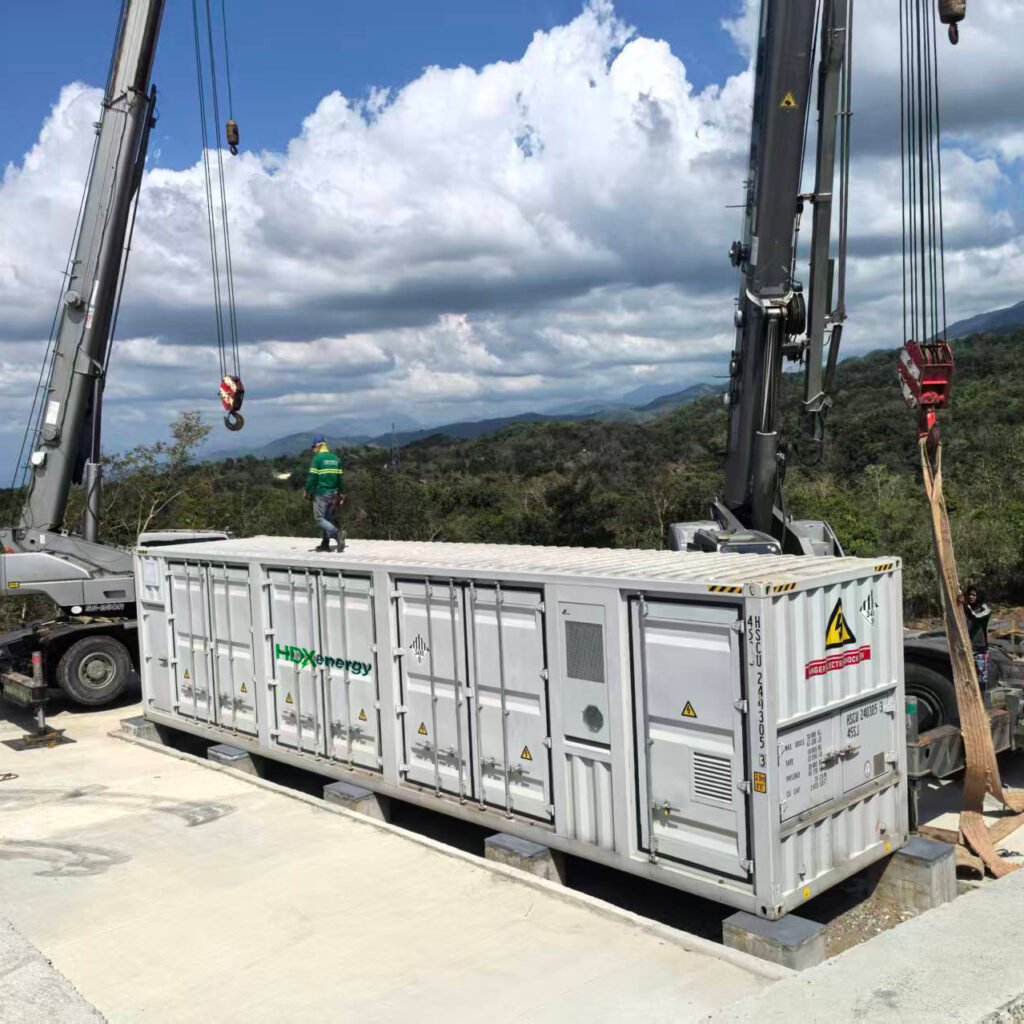
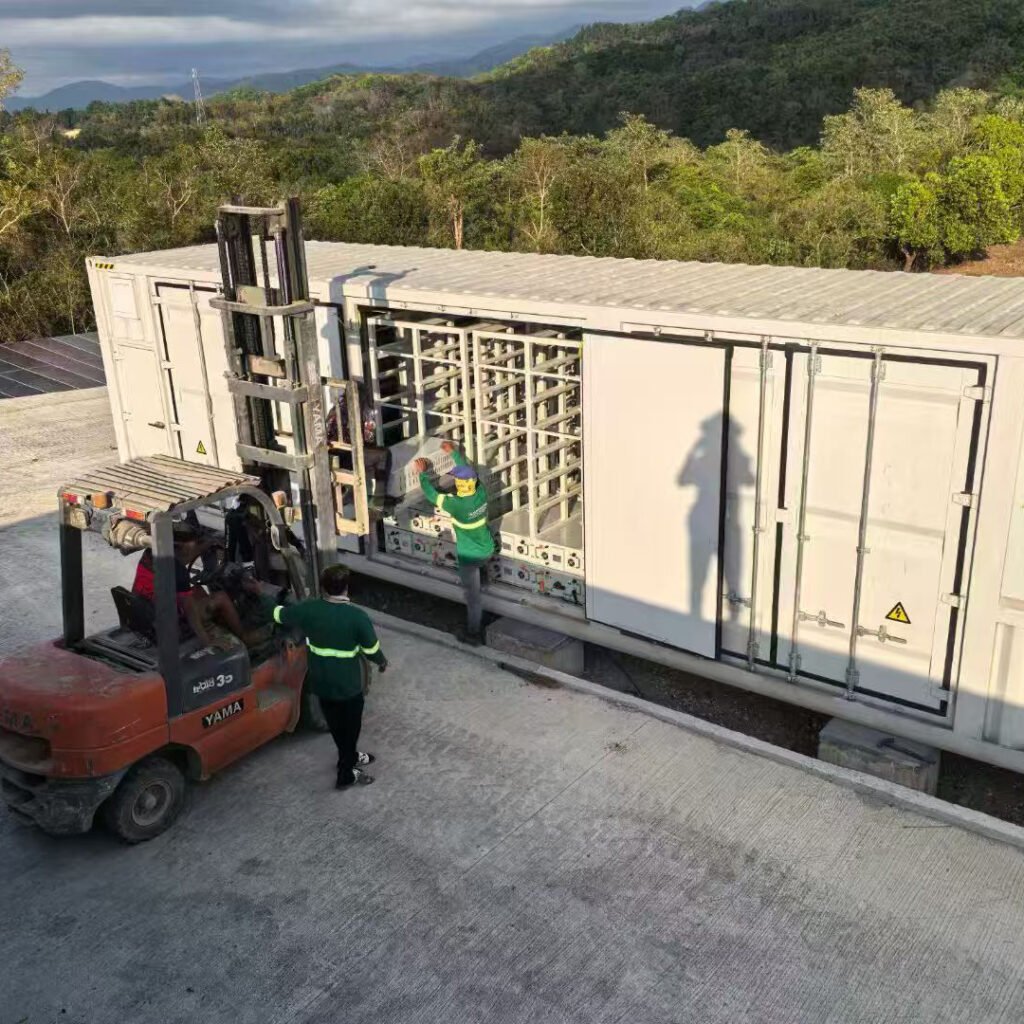
- Instalação de sala de bateria ou contêiner
- Roteamento e terminações de cabos
- Fiação de controle e comunicação
13.3 Teste e comissionamento
Incluir:
- Verificações pré-comissionamento (isolamento, polaridade, continuidade)
- Testes funcionais de inversores e armazenamento
- Teste de lógica do controlador de microrrede
- Testes de ilhamento e religamento
- Verificação do desempenho em relação aos critérios do projeto
14. Etapa 11 - Operação, monitoramento e otimização
14.1 Monitoramento e análise
Use:
- Painéis de controle SCADA ou EMS
- Indicadores de desempenho em tempo real
- Análise de tendências históricas para:
- Rendimento solar
- Ciclo da bateria e estado de saúde
- Comportamento de carga
14.2 Estratégia de O&M
Planejar para:
- Programações de limpeza de PV
- Manutenção do inversor e da bateria
- Atualizações de firmware e software
- Testes periódicos de proteção
14.3 Melhoria contínua
- Ajuste as estratégias de controle e as tarifas (se aplicável) com base nos dados observados
- Ajuste fino do despacho da bateria para aumentar a vida útil e melhorar a economia
- Planejar expansões futuras (mais energia fotovoltaica, mais armazenamento, integração de carga)
15. Tabela comparativa: Etapas de integração e principais resultados
Tabela 1 - Resumo das etapas de integração e resultados
| Etapa # | Nome da etapa | Principais produtos/resultados |
|---|---|---|
| 1 | Definir objetivos e escopo | Objetivos, limites de carga, metas de resiliência |
| 2 | Caracterizar as cargas e o local | Perfis de carga, listas de carga crítica, restrições do local |
| 3 | Avaliar o recurso solar | Dados de recursos solares, estimativas de potencial fotovoltaico |
| 4 | Tamanho da energia solar e do armazenamento | Capacidade fotovoltaica (kWp), capacidade de armazenamento (kW/kWh) |
| 5 | Escolha a arquitetura e a topologia | Layout CA/CC/híbrido, decisão de conexão à rede/fora da rede |
| 6 | Selecionar tecnologias e componentes | Módulos fotovoltaicos, inversores, baterias, seleção de controladores |
| 7 | Projetar estratégia de controle | Modos de operação, hierarquia de controle, lógica de otimização |
| 8 | Interconexão e proteção | Diagramas de linha única, esquemas de proteção, plano de interconexão |
| 9 | Modelagem financeira | LCOE, NPV, IRR, período de retorno do investimento, fluxos de valor |
| 10 | Aquisição e construção | Contratos EPC, cronograma de construção, plano de QA/QC |
| 11 | Operação e otimização | Plano de O&M, sistema de monitoramento, ciclo de melhoria contínua |
16. Configurações típicas de microrredes de energia solar mais armazenamento
Tabela 2 - Configurações comuns por caso de uso
| Caso de uso | Arquitetura | Tamanho do PV (relativo à carga) | Função de armazenamento |
|---|---|---|---|
| Campus de C&I | Conectado à rede Acoplado à CA | 20-80% de pico da instalação | Redução de picos, backup, mudança de energia solar |
| Centro de dados | Conectado à rede com UPS | Frequentemente limitado pelo espaço do telhado | Backup, qualidade de energia, deslocamento limitado |
| Microgrid da ilha | CA ou híbrido CA/CC | Geralmente dimensionado para alta participação solar | Energia de massa, estabilização, operação em ilha |
| Rural fora da rede | Acoplado a CA | Cobre a maior parte da energia diária | Fornecimento noturno, resiliência, redução de diesel |
| Local industrial | Híbrido com grupos geradores | 30-60% de energia | Otimização de custos, resiliência |
Os valores são indicativos e variam de acordo com os requisitos e as restrições específicas do projeto.
17. Comparação técnica: Acoplamento CA vs. CC para energia solar e armazenamento
Tabela 3 - Integração com acoplamento CA vs. acoplamento CC
| Recurso/Aspecto | Acoplado a CA | Acoplado em CC |
|---|---|---|
| Retrofit de sistemas fotovoltaicos existentes | Mais fácil; armazenamento adicionado via link CA | Mais desafiador; pode exigir uma grande reconfiguração |
| Eficiência | Um pouco menor devido a múltiplas conversões | Potencialmente maior (menos conversões) |
| Flexibilidade de controle | Alto; controle separado para PV e armazenamento | Integração rígida; pode recapturar a energia cortada |
| Complexidade | Moderado; arquiteturas bem conhecidas | Maior; precisa de projeto e controles cuidadosos |
| Custo | Competitivo; mais componentes | Pode ser menor ou maior, dependendo do projeto |
| Casos de uso | Retrofits, microrredes flexíveis de C&I | Novas construções, alta penetração fotovoltaica, escala de serviços públicos |
18. Gerenciamento de riscos e práticas recomendadas
18.1 Riscos técnicos
- Proteção mal projetada que leva a viagens incômodas
- Gerenciamento térmico inadequado das baterias
- Lógica de controle insuficiente para modos operacionais complexos
Melhores práticas: Use equipes de engenharia experientes, designs de referência validados e testes completos.
18.2 Riscos financeiros e regulatórios
- Estruturas tarifárias que mudam após o investimento
- Regras incertas para exportação de energia ou participação em serviços de rede
- Risco cambial em mercados com taxas de câmbio voláteis
Melhores práticas: Crie suposições conservadoras, garanta contratos de longo prazo sempre que possível e alinhe-se às orientações regulatórias.
18.3 Riscos operacionais
- Capacidades locais insuficientes de O&M
- Falhas de componentes sem redundância
- Vulnerabilidades de segurança cibernética em sistemas conectados
Melhores práticas: Invista em treinamento, peças de reposição, práticas de segurança cibernética e monitoramento remoto.
19. Conclusão amigável para SEO
Integração energia solar e armazenamento em sistemas de microrrede é um processo estruturado que combina:
- Limpo objetivos e escopo
- Detalhado avaliação de carga e recursos
- Cuidado dimensionamento de PV e armazenamento
- O direito opções de arquitetura e tecnologia
- Robusto controles, proteção e planejamento financeiro
Quando executadas adequadamente, as microrredes de energia solar e armazenamento podem:
- Melhorar drasticamente resiliência para cargas críticas
- Entregar custos de energia mais baixos e mais previsíveis
- Reduzir substancialmente emissões de gases de efeito estufa
- Fornecer uma plataforma flexível para o futuro eletrificação e digitalização
Se você estiver planejando uma microrrede de campus de C&I, atualizando um data center ou projetando um sistema fora da rede para uma comunidade remota, seguir essas etapas ajudará a garantir uma integração tecnicamente robusta e economicamente sólida de energia solar e armazenamento.
20. Perguntas e respostas profissionais: Integração de energia solar e armazenamento em sistemas de microrredes
Q1: Como eu decido quanto de energia solar versus quanto de armazenamento instalar?
Resposta:
Comece a partir de seu objetivos e perfil de carga:
- Para otimização de custos em uma instalação conectada à rede:
- Dimensionar a energia fotovoltaica para maximizar o autoconsumo e os retornos financeiros (geralmente limitados pelo espaço do telhado).
- Armazenamento de tamanho para barbear no pico (kW) e mudança de tempo de uso (kWh) com base na estrutura tarifária.
- Para resiliência:
- Tamanho do armazenamento a ser suportado cargas críticas para a duração necessária da interrupção (por exemplo, 4 a 12 horas ou mais).
- Certifique-se de que a energia fotovoltaica seja suficiente para recarregar as baterias entre as interrupções ou durante eventos prolongados.
Use simulações iterativas (por exemplo, modelagem por hora) para testar diferentes combinações e otimizar com base no VPL ou na TIR.
P2: Uma microrrede de energia solar e armazenamento pode operar sem geradores a diesel ou a gás?
Resposta:
Sim, em alguns casos, especialmente onde:
- As cargas são relativamente previsíveis e modestas
- O recurso solar é forte e consistente
- O armazenamento tem um tamanho generoso
No entanto, para muitas instalações críticas e aplicativos de alta confiabilidade, ter um pequeno fonte de backup despachável (por exemplo, diesel, gás ou célula de combustível) ainda é comum:
- Cobrir períodos prolongados de sol baixo
- Lidar com picos de demanda inesperados
- Fornecer redundância e resiliência adicional
A microrrede somente de energia renovável é tecnicamente viável, mas deve ser cuidadosamente projetado para evitar uma perda inaceitável da probabilidade de carga.
P3: Qual é a diferença entre inversores que seguem a rede e inversores que formam a rede em uma microrrede?
Resposta:
- Inversores que seguem a rede:
- Depender de uma referência externa de tensão e frequência (normalmente a rede principal ou um gerador síncrono).
- Comum em instalações solares padrão; eles “seguem” a rede.
- Inversores formadores de rede:
- Atuar como fonte de tensão e frequência, permitindo a operação em ilha sem um gerador giratório.
- Essencial para microrredes totalmente renováveis e arquiteturas avançadas de microrredes.
Em microrredes modernas, especialmente aquelas que visam a uma alta participação de energias renováveis, inversores formadores de rede desempenham um papel fundamental na manutenção da estabilidade durante a operação no modo ilha.
Q4: Qual é a importância do controlador da microrrede em comparação com o hardware (PV e baterias)?
Resposta:
O controlador da microrrede (EMS) é fundamental:
- Ele determina quando e como solar, armazenamento e geradores operam.
- Ele manipula transições de modo (conectado à rede para isolado e vice-versa).
- Ele impõe prioridades (custo vs. resiliência vs. emissões).
Um controlador bem projetado pode:
- Aumente a vida útil da bateria evitando ciclos desnecessários
- Melhorar o desempenho econômico por meio do despacho ideal
- Evite a instabilidade e a coordenação incorreta entre vários dispositivos
A qualidade do hardware é fundamental, mas sem uma camada de controle robusta, o sistema não terá o desempenho esperado.
P5: Quais são os erros mais comuns na integração de energia solar e armazenamento em microrredes?
Resposta:
Os erros comuns incluem:
- Subestimar a variabilidade da carga e crescimento futuro, levando a sistemas subdimensionados.
- Ignorar a coordenação da proteção, causando viagens incômodas ou condições inseguras.
- Foco excessivo em investimentos e negligência Custos de O&M e ciclo de vida.
- Integração deficiente entre HVAC, sistemas de gerenciamento de edifícios e controles de microrrede, perdendo oportunidades de flexibilidade de demanda.
- Testes insuficientes de procedimentos de ilhamento e ressincronização.
Mitigação: use projetistas experientes, realize estudos abrangentes e faça testes realistas antes do comissionamento completo.
Q6: Como as condições regulatórias e de mercado influenciam o projeto da microrrede?
Resposta:
A regulamentação e as regras do mercado determinam:
- Se você pode energia de exportação e a que preço
- Como Tarifas de demanda e tarifas TOU são estruturados
- Se e como as microrredes podem fornecer serviços auxiliares para a grade
- Requisitos de interconexão e custos de conformidade
Em algumas regiões, generosas medição de rede ou tarifas de exportação incentivam sistemas fotovoltaicos maiores; em outros, as opções limitadas de exportação empurram os projetos para maximização do autoconsumo e uso de armazenamento. Sempre alinhe o projeto de sua microrrede com as estruturas regulatórias atuais e previstas.