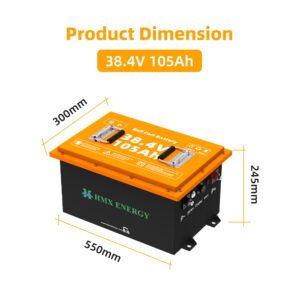
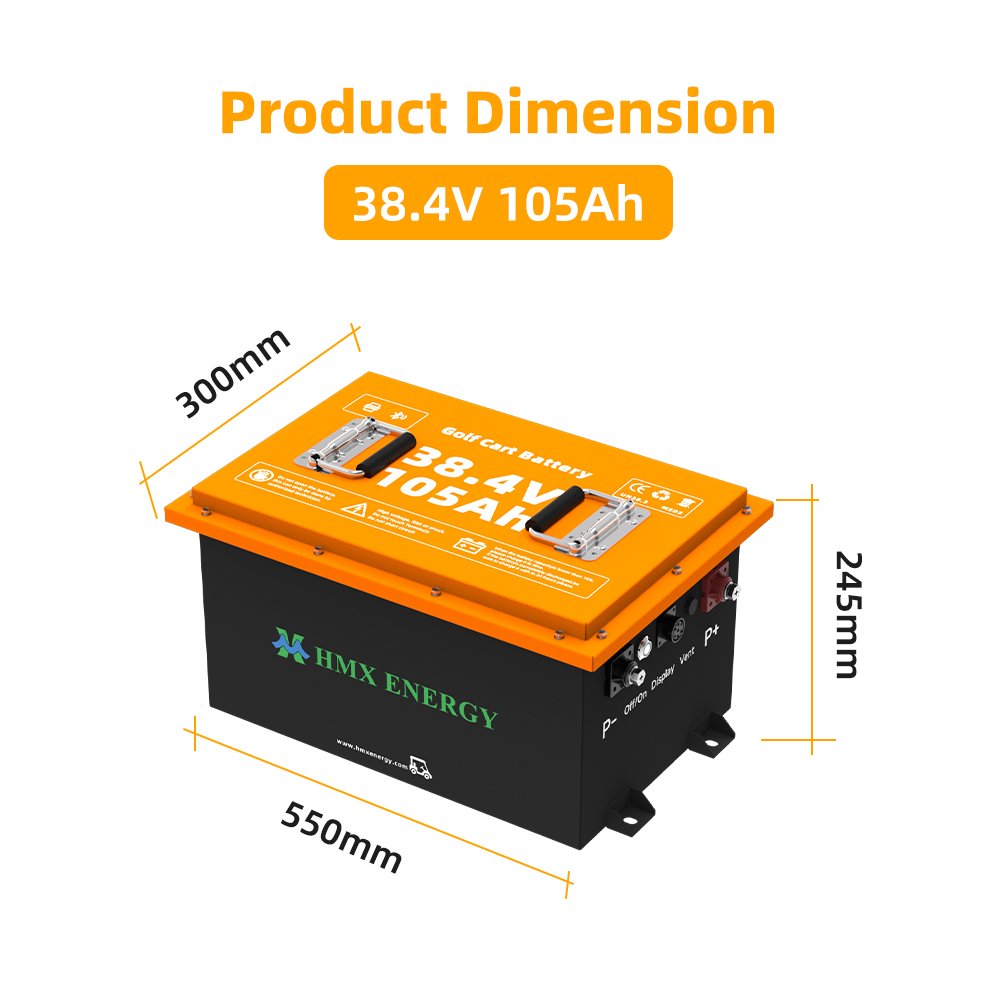
You have a simple choice to make. Golf Cart Lithium Battery options are lighter and need no maintenance. Traditional lead-acid batteries are heavier. Golf Cart Lithium Battery packs weigh only 12 to 15 kg. Lead-acid batteries with the same power are over 30 kg. This weight difference affects how your golf cart moves. With lithium, you do not need to water or clean the battery. Lead-acid batteries need lots of care. Lithium batteries cost more at first. But they save you money later. You spend less on upkeep and do not need to replace them as often.
| Battery Type | Weight (kg) |
|---|---|
| Lead-Acid (100Ah) | > 30 |
| Lithium (100Ah) | 12 – 15 |
| Battery Type | Maintenance Requirements | Costs |
|---|---|---|
| Lithium | Maintenance-free, no watering or cleaning | Lower long-term costs |
| Lead-Acid | Requires regular watering, equalising, and cleaning | Higher long-term costs |
Key Takeaways
- Lithium batteries are much lighter. They weigh only 12-15 kg. This makes your golf cart easier to drive and move.
- Lithium batteries do not need any maintenance. This saves you time and work. Lead-acid batteries need regular care.
- Lithium batteries cost more at first (£800-£1,500). But they last longer and need less care. This saves you money over time.
- Lithium batteries give steady power until they are almost empty. Lead-acid batteries get weaker as they lose charge. This can make your cart slower.
- Lithium batteries charge much faster. They take only 2-4 hours. Lead-acid batteries need 6-10 hours to charge. You can use your cart more often with lithium.
- Using lithium batteries is better for the environment. They make less waste. They do not have harmful things like lead and acid.
- Lead-acid batteries cost less at first (£200-£400). They fit most golf carts. They are a good choice if you do not use your cart a lot.
- Think about how much you use your cart and your budget. Lithium is best if you use your cart often. Lead-acid is better if you use it less.
Why battery choice matters
Performance and handling
The battery you pick changes how your golf cart works. A lighter battery makes it easier to drive and steer. Lithium batteries are much lighter than other types. Because they weigh less, you can turn corners more easily. Stopping is quicker too. You will also see your cart speed up faster. The lighter battery is kinder to the motor and tyres.
Let’s look at some main features:
| Battery Type | Advantages | Disadvantages |
|---|---|---|
| AGM | Maintenance-free, reliable, no acid spills | Limited performance compared to lithium |
| Lithium | Lightweight, fast recharge, more charge cycles | Higher initial cost |
A Golf Cart Lithium Battery gives you more power to use. It keeps giving steady energy until it is almost empty. Lead-acid batteries lose power as they run down. This can make your cart slow near the end of a game.
Here are some important numbers:
| Metric | AGM Batteries | Lithium Batteries |
|---|---|---|
| Cycle Life | 500 to 1000 cycles | 2000 to 5000 cycles |
| Charge Time | 6 to 10 hours | 2 to 4 hours |
| Weight | Approx. 30kg per 12V unit | Up to 60% lighter than AGM |
| Discharge Depth | Usable capacity 50-60% | Up to 100% usable capacity |
Cost over time
Lithium batteries cost more when you buy them. But you save money later on. They last much longer than lead-acid batteries. You do not need to buy new ones as often. They also charge faster, so you use less electricity. Over five years, lithium batteries usually cost less overall. You do not have to replace them often, and your cart is ready to use more.
Maintenance needs
You want a battery that matches your needs. Lead-acid batteries need lots of care. You must check water, clean the ends, and balance the cells. This takes time and effort. If you forget, the battery might stop working early. Lithium batteries need almost no care. You only need to check the wires and balance it sometimes.
Here is a quick look at care needs:
| Battery Type | Maintenance Frequency |
|---|---|
| Wet Cell | Check water level monthly; older batteries every 1-2 weeks |
| Lithium | Virtually maintenance free; check connections occasionally |
Picking the right battery saves you time and effort. You can enjoy your golf cart more and worry less about looking after it.
Environmental and safety impact
You need to think about how your battery affects nature and your safety. Different batteries have different effects.
Lead-acid batteries have heavy metals and acid inside. If you throw them away the wrong way, they can leak bad chemicals. These chemicals can get into the ground or water. You should recycle them at special places. You must be careful when you touch them. Acid can burn your skin or harm your golf cart. Lead is poisonous, so do not touch it.
Lithium batteries do not have lead or acid. This makes them safer for people and nature. A Golf Cart Lithium Battery is lighter, so your cart uses less energy. This means less pollution over time. Lithium batteries last longer than lead-acid ones. You throw away fewer batteries, so there is less rubbish.
But lithium batteries can still be risky. If you break them or use the wrong charger, they can get too hot. This can start a fire. Most new lithium batteries have safety systems inside. These stop the battery from getting too hot or charging too much. Always read and follow the maker’s instructions.
Here is a simple table:
| Battery Type | Environmental Impact | Safety Risks |
|---|---|---|
| Lead-Acid | Toxic lead and acid, needs recycling | Acid spills, heavy to handle |
| Lithium | Less toxic, lasts longer, less waste | Fire risk if damaged or misused |
Tip: Always take your old batteries to special recycling centres. Never put them in the bin.
You help nature by picking a battery that lasts longer and makes less rubbish. You also keep safe by using batteries with good safety parts. Always look for damage and follow safety rules.
Golf Cart Lithium Battery Pros
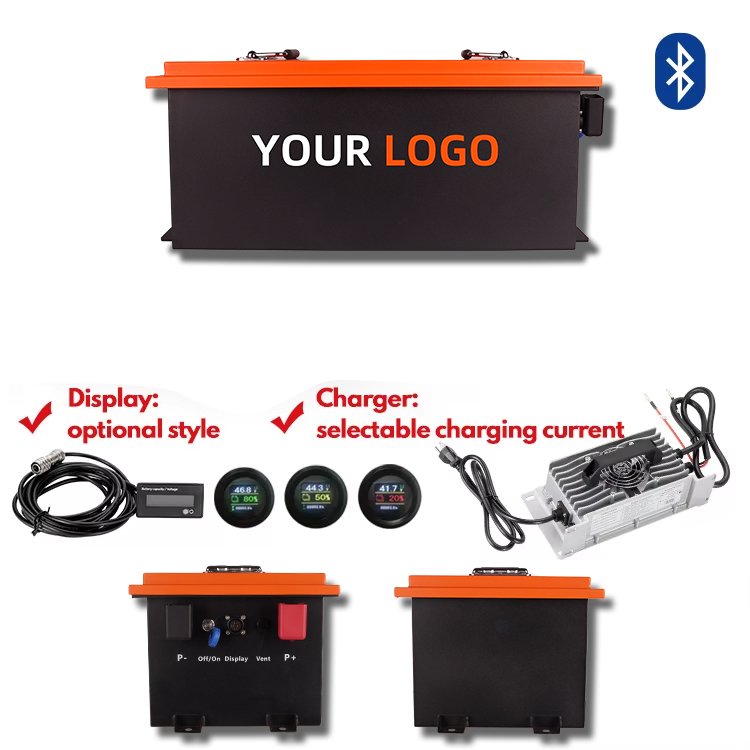
Lightweight build
You can tell the battery is light when you pick it up. It does not weigh as much as a lead-acid battery. Because it is lighter, your golf cart is easier to drive. You can steer with less effort and turn corners easily. The lighter battery does not make the motor or tyres work as hard. Your cart speeds up faster and stops more quickly. It feels easier to move around the course. Carrying and putting in the battery is simpler too. The lighter battery helps save energy and keeps your golf cart in better shape.
Long lifespan
You want a battery that will last a long time. A Golf Cart Lithium Battery works for more years than a lead-acid battery. Most lithium batteries last from 7 to 10 years. Lead-acid batteries usually last only 4 to 7 years. You do not have to buy new batteries as often. This saves you money and makes less waste.
| Battery Type | Average Lifespan |
|---|---|
| Lithium Batteries | 7 to 10 years |
| Lead-Acid Batteries | 4 to 7 years |
You do not worry about changing batteries all the time. You get good use from your battery for many years. The longer life means you get more for your money.
No maintenance
A Golf Cart Lithium Battery saves you time and work. You do not need to check water or clean the battery ends. This battery does not need watering like lead-acid ones. You do not have to do messy jobs and can just enjoy driving. The Battery Management System checks charging and keeps the battery safe. You get steady power without having to look after it all the time.
- No need to add water.
- No cleaning battery ends.
- Less time spent on care.
- Safety systems work by themselves.
Your golf cart is ready whenever you want to use it. You do not have to do extra jobs before you play.
Consistent power
You want your golf cart to perform well every time you drive it. A Golf Cart Lithium Battery gives you steady power from start to finish. You do not feel your cart slowing down as the battery runs low. This steady energy helps you drive up hills and across rough ground without losing speed. You can rely on your cart to keep moving at the same pace, even after hours of use.
- Lithium batteries deliver consistent power until they are nearly empty. You do not notice a drop in performance.
- Lead-acid batteries lose strength as they discharge. Your cart may slow down or struggle on hills.
- Lithium batteries keep their maximum capacity over time. You get reliable performance year after year.
- Steady power makes your cart safer and easier to control, especially on hilly courses.
You enjoy a smoother ride and better handling. Your cart works well in all conditions, giving you confidence every round.
Fast charging
You do not want to wait long for your battery to charge. Lithium batteries charge much faster than lead-acid batteries. You can get your cart ready in a few hours instead of overnight. This quick charging saves you time and lets you use your cart more often.
| Battery Type | Charging Time |
|---|---|
| Lead-Acid (100Ah) | ~11 hours |
| Lithium (100Ah) | ~2.5 hours |
- Lead-acid batteries usually take 6 to 8 hours to charge fully.
- Lithium batteries often charge in 2 to 4 hours, depending on size.
You spend less time waiting and more time driving. Fast charging means you can use your cart for extra rounds or quick trips without worry.
Tip: Always use the charger recommended by the manufacturer. This keeps your battery safe and helps it last longer.
Environmental benefits
You help the environment when you choose a lithium battery. Lithium batteries last longer, so you throw away fewer batteries. You do not need to replace them as often, which reduces waste. These batteries do not contain toxic lead or acid. You avoid harmful spills and protect the soil and water.
- Lithium batteries use less energy because they are lighter. Your cart needs less power to move, which lowers pollution.
- You do not have to deal with messy chemicals. This keeps you and nature safe.
- Longer battery life means less rubbish and fewer trips to recycling centres.
You make a positive impact by picking a battery that is safer and cleaner. Your choice helps keep golf courses and the planet healthy.
Built-in safety features
You want your golf cart battery to keep you safe. Lithium batteries have special safety parts inside. These parts help stop accidents and make things easier for you.
Most lithium batteries have a Battery Management System, or BMS. The BMS checks the battery’s heat, power, and how much it is used. It stops the battery from getting too hot or charging too much. You do not need to worry about the battery getting too full or too hot. The BMS also stops the battery from running out too much. This helps the battery last longer and keeps your cart working well.
Lithium batteries are safer to handle. They do not have dangerous acid or harsh chemicals. You do not have to worry about burns or spills. You do not need special air flow because lithium batteries do not let out bad gases. This makes it safer to store and use them at home.
Manufacturers make lithium batteries to strict rules. Many batteries follow Australian safety laws. You can feel calm knowing your battery meets these rules.
Here is a simple table with the main safety parts:
| Safety Feature | Description |
|---|---|
| Built-in BMS | Checks heat, power, and use |
| Prevents overcharging | Stops getting too hot and keeps battery safe |
| Prevents over-discharging | Helps battery last longer and stay safe |
| No toxic acid or corrosive materials | Safer to touch and throw away |
| No off-gassing or need for ventilation | Less chance of breathing in bad air |
| Lower risk of fire or explosion | Safer than other battery types |
| Built to Australian standards | Follows strict safety rules |
Note: Always look for damage before using your battery. Follow the maker’s instructions to stay safe.
These safety parts help you every time you use your golf cart. You can worry less and enjoy your ride more.
Golf Cart Lithium Battery Cons
High upfront cost
You see the price difference right away when shopping. Lithium golf cart batteries cost a lot more than lead-acid ones. You pay between £800 and £1,500 for a Lithium battery pack. Lead-acid batteries usually cost £200 to £400 for the same power. This big price can make you think twice, especially if you want to upgrade many carts.
| Battery Type | Average Upfront Cost (£) |
|---|---|
| Lead-Acid | 200 – 400 |
| Lithium | 800 – 1,500 |
You spend more money at first. You might need to save up or plan your spending. The high upfront cost means you must think about how long you will use your golf cart and if the savings later will cover the first expense.
Tip: If you use your golf cart often, the extra cost may be worth it. If you only use your cart a few times each year, you might want a cheaper battery.
Compatibility issues
You face some problems when putting Lithium batteries in your golf cart. Not every cart works with Lithium batteries right away. You must check that the voltage matches your cart’s controller. If the voltage does not match, your cart will not work well.
You also need a special charger for Lithium batteries. Standard chargers for lead-acid batteries do not work. Lithium batteries need chargers that handle their special charging cycles. If you use the wrong charger, you could harm the battery or make it last less time.
- You must make sure the voltage matches the controller when changing to Lithium.
- You need a special charger for Lithium batteries.
You may need to buy extra parts or ask a technician for help. Compatibility issues can make the upgrade cost more and be harder.
Note: Always check your golf cart’s manual and talk to a battery expert before switching to Lithium.
Temperature sensitivity
Lithium batteries do not like very hot or cold weather. High temperatures make the battery age faster. Your battery wears out quicker if you leave it in hot places. Cold temperatures make charging harder. You may see your battery does not charge well in winter. Low temperatures also make the battery age faster.
- High temperatures make Lithium batteries age faster.
- Low temperatures make charging harder and speed up ageing.
- Keeping the battery at the best temperature helps it last longer.
You must store your battery in a cool, dry place. If you play golf in very hot or cold weather, you need to watch your battery closely. Temperature sensitivity means you must take extra care to protect your battery.
Tip: Keep your golf cart and battery in a garage or shaded area to help keep the best temperature.
Safety risks (thermal runaway)
You should know about thermal runaway with lithium golf cart batteries. This problem is not common, but it is very serious. Thermal runaway happens if the battery gets too hot. The heat inside the battery cells keeps rising. If it gets too hot, the battery might catch fire or even explode.
Lithium-ion batteries can get very hot if left in high heat. Too much heat can cause thermal runaway, which might start a fire or explosion. These batteries work best at about 15°C. If they get hotter, bad things can happen inside the battery.
If you use your battery the right way, you may never see this problem. Most lithium batteries have a Battery Management System, called BMS. The BMS helps keep the battery safe. It stops the battery from getting too hot or charging too much. But you still need to be careful.
Here are some ways to lower the risk of thermal runaway:
- Keep your golf cart and battery in a cool, dry place.
- Do not charge the battery in the sun or on hot days.
- Only use the charger made for your lithium battery.
- Look at your battery for damage before you use it.
- Do not use the battery if it looks swollen, leaks, or smells odd.
If your battery feels hot, stop using it straight away. Let it cool down before you touch it. Never try to fix a broken battery yourself. Always ask an expert for help.
Thermal runaway does not happen often, but you should know what to look for. You keep yourself and your golf cart safe by following these easy rules. Always read the battery maker’s instructions and follow their safety advice.
Lead-Acid Battery Pros
Lower initial cost
You see the price is lower when you shop for golf cart batteries. Lead-acid batteries cost much less than lithium ones. You can get a lead-acid battery for about £800. Lithium batteries often cost more than £2,000. This cheaper price makes lead-acid batteries popular if you want to save money now.
Here is a simple table that shows the cost difference:
| Battery Type | Average Cost | Lifespan (Years) | Cost per Year |
|---|---|---|---|
| Lead-Acid | £800 | 3-5 | £160–£267 |
| Lithium | £2,000 | 10–15 | £133–£200 |
You pay less at first, which helps if you do not have much money. You can spend the money you save on other golf cart parts or extras. Lead-acid batteries are good if you do not plan to keep your cart for a long time. You get a working battery without spending lots.
Tip: If you want to upgrade many carts, lead-acid batteries help you spend less.
Wide compatibility
You find lead-acid batteries in almost every golf cart. Makers design golf carts to use these batteries. You can put lead-acid batteries in many voltage systems. You do not need special parts or adapters. This makes putting them in easy and fast.
Look at this table to see how lead-acid batteries fit different carts:
| Voltage System | Battery Configuration |
|---|---|
| 36V | 6 x 6V batteries or 3 x 12V batteries |
| 48V | 6 x 8V batteries or 4 x 12V batteries |
You can pick the right battery setup for your cart. You do not worry about matching voltages or finding rare sizes. Lead-acid batteries work with old and new golf carts. You can swap your battery without changing the cart’s wiring or controller.
- You get easy fitting.
- You find new batteries quickly.
- You do not have compatibility problems.
Note: Lead-acid batteries are good if you want a quick swap or need your cart working fast.
Proven technology
You trust lead-acid batteries because they have been used for a long time. Engineers have used this technology for over one hundred years. You know what these batteries can do. They give steady power and work well in many places. You can find guides and help for lead-acid batteries everywhere.
You do not need to worry about new or untested systems. Lead-acid batteries have clear instructions and safety tips. You can ask technicians for help, and they know how to fix or look after these batteries. You feel calm because you use a battery that many people trust.
- You rely on proven performance.
- You find help and advice easily.
- You use a battery with a strong history.
If you want reliability and a battery with proven results, lead-acid batteries give you confidence every round.
Easy recycling
You can recycle lead-acid golf cart batteries without much trouble. Recycling centres take these batteries because it is simple and quick. When you pick lead-acid batteries, you help the environment. Almost all the parts inside can be used again.
Lead-acid batteries have lead, plastic, and acid inside. You bring your old battery to a recycling centre. Workers break the battery apart and sort out the lead. The lead goes into smelting, which takes away anything bad. After this, the lead is clean and ready to use in new things. Not much gets wasted during recycling.
You might ask how much of the battery is reused. Nearly all the lead inside can be recycled. Lead-acid batteries have one of the best recycling rates in the world. Over 95% of the lead can be collected and used again. The lead stays good, so it can be melted and reused many times. More than 60% of new lead comes from old batteries. When you recycle, you help cut down on mining.
Recycling uses less energy because lead melts at a low heat. You save energy and make less pollution by recycling. The plastic parts are also recycled. Workers clean and shred the plastic to make new battery cases or other things. The acid inside gets made safe and turned into water or used in other jobs.
Here is a table that shows the recycling steps and rates:
| Process Step | Description |
|---|---|
| Breaking up lead-based products | Separates lead from other materials |
| Smelting | Removes impurities from lead |
| Reclamation | Lead is reused in new products |
| Recycling Rate | Nearly 100% of lead is recycled |
| Reuse Capability | Lead can be melted and reused infinitely |
| Energy Efficiency | Requires less energy due to low melting point |
| Overall Recycling Score | 95% of lead can be collected and reused |
| Source of New Lead Production | Over 60% comes from recycled materials |
Tip: Always take your old lead-acid batteries to a recycling centre. You protect nature and help make new batteries.
You make a good choice when you use lead-acid batteries in your golf cart. You support easy recycling and keep bad materials out of rubbish dumps. You also help save energy and important resources. Recycling lead-acid batteries is safe, works well, and is good for the planet.
Lead-Acid Battery Cons
Heavy weight
You feel how heavy lead-acid batteries are when you lift them. Each battery weighs more than 30 kilograms. This extra weight makes your golf cart harder to drive. Steering and pushing the cart takes more effort. You use more energy, especially on hills or rough ground. The motor and tyres must work harder. They can wear out faster because of the heavy batteries.
Heavy batteries make maintenance and replacement harder. You might need help to move or install them. If you transport your golf cart, the extra weight uses more fuel. This costs you more money. The heavy load changes how the cart handles and balances. You notice the difference every time you drive.
Tip: Always lift lead-acid batteries the right way. This keeps your back safe and stops injuries.
Shorter lifespan
Lead-acid batteries do not last as long as lithium batteries. You usually get three to five years from a lead-acid battery. The battery loses power each time you charge and use it. After a few years, it does not hold as much energy.
Here is a simple table showing battery lifespan:
| Battery Type | Average Lifespan |
|---|---|
| Lead-Acid | 3–5 years |
| Lithium | 7–10 years |
You must replace lead-acid batteries more often. This means you spend more money over time. You also spend more time buying new batteries. The shorter lifespan creates more waste. You need to recycle old batteries regularly.
Note: If you use your golf cart every day, the battery wears out faster. Plan to replace it often.
Regular maintenance
Lead-acid batteries need regular care to work well. You must check the water in each cell. Add distilled water when the level drops. Clean the battery ends to stop corrosion. Balance the cells so they charge evenly.
You spend time and effort doing these jobs. If you forget, the battery may stop working early. Poor care makes the battery weaker and shortens its life. You need tools and safety gear to handle the battery safely.
Here is a checklist for lead-acid battery care:
- Check water levels every month.
- Add distilled water when needed.
- Clean ends to remove corrosion.
- Look for leaks or damage.
- Balance cells while charging.
You must follow these steps to stop problems. Regular care keeps the battery safe and reliable. You invest time and attention to get the best results.
Alert: Always wear gloves and eye protection with lead-acid batteries. Acid can burn your skin and cause injuries.
You have more work and responsibility with lead-acid batteries. Maintenance is important for safety and performance. You must stay organised and careful to keep your golf cart working well.
Slow charging
You notice how long it takes to charge a lead-acid battery. This slow charging can affect your plans and limit how often you use your golf cart. Lead-acid batteries, including AGM types, need many hours to reach a full charge. You must wait before you can drive again. If you forget to charge overnight, you may miss your next round.
Charging speed matters when you want to use your golf cart often. Lithium batteries charge much faster. You spend less time waiting and more time playing. Lead-acid batteries cannot match this speed. You must plan ahead and make sure your battery is ready.
Here is a simple comparison:
- AGM batteries usually need 6 to 10 hours for a full recharge.
- Lithium batteries can reach a full charge in less than half that time with the right charger.
You see the difference every day. If you use your golf cart for work or play, slow charging can cause problems. You may need to wait longer or miss important events. Fast charging gives you more freedom and flexibility.
Lead-acid batteries also lose charging speed as they age. You notice the battery takes even longer to charge after a few years. This can make your golf cart less reliable. You must check the battery often and plan your charging schedule.
You may try to charge your battery faster, but this can damage it. Lead-acid batteries do not handle quick charging well. You risk overheating or shortening the battery’s life. You must follow the maker’s instructions and use the right charger. Slow charging protects the battery but limits your use.
Tip: Always charge your lead-acid battery overnight. This helps you avoid delays and keeps your golf cart ready for the next day.
You must think about your routine. If you need your golf cart for daily tasks, slow charging can be a big drawback. You may want to look at other battery types if you value speed and convenience.
You also use more electricity with slow charging. Lead-acid batteries waste energy as heat during charging. You pay more for power and help create more pollution. Fast charging with lithium batteries saves energy and reduces your costs.
You must weigh the pros and cons. Slow charging makes lead-acid batteries less attractive for busy users. You need patience and careful planning to get the best results.
Lithium vs Lead-Acid: Comparison Table
Cost
You notice the price difference straight away when you shop for golf cart batteries. Lithium batteries cost more at first. You pay a higher upfront price, but you save money over time. Lead-acid batteries cost less when you buy them, but you need to replace them more often. You spend more on maintenance and replacements with lead-acid batteries.
Here is a simple table showing the cost comparison:
| Feature | Lithium Batteries | Lead-Acid Batteries |
|---|---|---|
| Upfront Cost | Higher (£800–£1,500 per pack) | Lower (£200–£400 per pack) |
| Long-Term Cost | Lower, fewer replacements and less maintenance | Higher, frequent replacements and upkeep |
Tip: If you use your golf cart often, lithium batteries can save you money in the long run.
Weight
You feel the difference in weight every time you lift a battery. Lithium batteries are much lighter than lead-acid batteries. This lighter build makes your golf cart easier to drive and steer. You can carry and install lithium batteries with less effort. Lead-acid batteries are heavy and bulky. They make your cart harder to handle and put more strain on the motor and tyres.
Here is a quick comparison:
| Feature | Lithium Batteries | Lead-Acid Batteries |
|---|---|---|
| Weight | 12–15 kg (100Ah battery) | Over 30 kg (100Ah battery) |
| Handling | Easy to carry and install | Heavy, needs more effort |
- Lighter batteries mean better performance and easier maintenance.
- Heavy batteries can slow your cart and make handling harder.
Note: If you want a golf cart that is easy to move and steer, choose lithium batteries.
Lifespan
You want your battery to last as long as possible. Lithium batteries have a much longer lifespan than lead-acid batteries. You can use lithium batteries for 7 to 10 years or more. Lead-acid batteries usually last 3 to 5 years. You need to replace lead-acid batteries more often, which adds to your costs and creates more waste.
Here is a table showing the lifespan difference:
| Feature | Lithium Batteries | Lead-Acid Batteries |
|---|---|---|
| Lifespan | 7–10 years (3500 cycles) | 3–5 years (500–1000 cycles) |
- Lithium batteries last up to 10 times longer than lead-acid batteries.
- You get more use from each lithium battery and throw away fewer batteries.
Tip: A longer lifespan means less hassle and fewer trips to the shop for new batteries.
You see clear differences in cost, weight, and lifespan. Lithium batteries cost more at first, but they are lighter and last much longer. Lead-acid batteries are cheaper to buy, but you spend more on replacements and maintenance. You make a smart choice by looking at these key factors before you buy.
Maintenance
You want a battery that fits your routine. Maintenance is a big factor when you choose between lithium and lead-acid batteries. You spend less time caring for lithium batteries. Lead-acid batteries need regular attention.
Lithium Batteries:
- You do not need to check water levels.
- You do not clean terminals often.
- You do not balance cells.
- The Battery Management System (BMS) handles safety and charging.
- You only check connections sometimes.
Lead-Acid Batteries:
- You must check water levels every month.
- You add distilled water when needed.
- You clean terminals to stop corrosion.
- You balance cells during charging.
- You inspect for leaks and damage.
Here is a simple table to help you compare:
| Battery Type | Maintenance Tasks | Frequency | Tools Needed |
|---|---|---|---|
| Lithium | Check connections | Occasionally | None |
| Lead-Acid | Water top-up, cleaning, balancing | Monthly or more | Gloves, water, brush |
Tip: If you want less work, lithium batteries are the best choice. You save time and avoid messy jobs.
You spend more time and effort with lead-acid batteries. You need gloves and safety gear. Acid can burn your skin. You must follow safety steps. If you forget maintenance, your battery may fail early. You risk losing power during a game.
Lithium batteries make your life easier. You do not worry about water or acid. You do not spend weekends cleaning terminals. The BMS keeps your battery safe. You enjoy your golf cart without extra chores.
Performance
Performance changes how your golf cart feels and works. You want steady power and good handling. Lithium batteries give you consistent energy. Lead-acid batteries lose strength as they discharge.
Lithium Batteries:
- You get steady power from start to finish.
- Your cart does not slow down near the end of a round.
- You drive up hills and rough ground with ease.
- The battery stays strong for many years.
Lead-Acid Batteries:
- You notice power drop-off as the battery empties.
- Your cart may struggle on hills or rough terrain.
- Performance gets worse as the battery ages.
- You replace batteries more often.
Here is a quick comparison:
| Battery Type | Power Delivery | Handling | Reliability |
|---|---|---|---|
| Lithium | Consistent | Smooth | High |
| Lead-Acid | Drops as discharged | Heavy, sluggish | Lower |
Note: If you want reliable performance, lithium batteries are the better option. You enjoy a smoother ride and more confidence.
You feel the difference every time you drive. Lithium batteries help your cart move faster and stop quicker. Lead-acid batteries make your cart heavy and slow. You get more fun and less worry with lithium.
Charging speed
Charging speed affects how often you use your golf cart. You want a battery that charges quickly. Lithium batteries charge much faster than lead-acid batteries.
Lithium Batteries:
- You charge your battery in 2 to 4 hours.
- You use your cart for extra rounds or quick trips.
- You spend less time waiting.
Lead-Acid Batteries:
- You need 6 to 10 hours for a full charge.
- You must plan ahead and charge overnight.
- You may miss a game if you forget to charge.
Here is a table showing charging times:
| Battery Type | Charging Time (100Ah) |
|---|---|
| Lithium | 2–4 hours |
| Lead-Acid | 6–10 hours |
Tip: If you value speed and convenience, lithium batteries let you play more and wait less.
You see the benefit in your daily routine. Fast charging means more freedom. Slow charging limits your plans. You make a smart choice by picking a battery that fits your lifestyle.
Safety
You want your golf cart battery to be safe every time. Safety is very important when you pick a battery. Lithium and lead-acid batteries have different risks and features. You should know what can happen so you stay safe.
Lithium Batteries:
- These batteries have safety parts inside. Most have a Battery Management System, called BMS. The BMS checks heat, power, and charging. It stops the battery from getting too hot or too full.
- You do not touch dangerous chemicals. Lithium batteries do not have acid or lead. You do not worry about burns or poisoning.
- There is a risk of thermal runaway. If the battery breaks or you use the wrong charger, it can get too hot. This can start a fire or make the battery explode. You must use the right charger and keep the battery cool.
- You do not need special air flow. Lithium batteries do not let out bad gases.
Lead-Acid Batteries:
- You work with dangerous stuff. Lead-acid batteries have lead and sulphuric acid. If you spill or touch them, you can get burns or poisoned. They can also hurt nature.
- You must check water and clean the ends. Acid can splash when you do these jobs. You need gloves and eye protection.
- There is a risk of acid spills. If you drop or break the battery, it can leak. Acid can burn your skin and harm your golf cart.
- You need good air flow. Lead-acid batteries let out hydrogen gas when charging. This gas can blow up if too much builds up.
Here is a table to help you compare safety features:
| Feature | Lithium Batteries | Lead-Acid Batteries |
|---|---|---|
| Built-in BMS | Yes | No |
| Toxic Materials | No | Yes (lead, acid) |
| Fire/Explosion Risk | If damaged or misused | If gas builds up |
| Handling Safety | Easy, no acid | Needs gloves, eye protection |
| Ventilation Needed | No | Yes |
Tip: Always follow the maker’s instructions. Check your battery for damage before you use it. Use the right charger for your battery.
You stay safe by picking the right battery and following rules. If you want less risk and easy use, Lithium batteries protect you more. Lead-acid batteries need more care and safety gear. You must choose which safety features are best for your golf cart.
Choosing the right battery
Usage needs
You must think about how you use your golf cart. If you drive your cart every day, you need a battery that lasts longer and gives steady power. Lithium batteries work well for frequent use. You get more charge cycles and do not notice power drop-off. If you play golf once a week or only use your cart for short trips, lead-acid batteries may suit you. You spend less money at first and still get enough performance.
Consider the terrain. If you drive on hills or rough ground, you need a battery that keeps strong power. Lithium batteries help your cart climb hills and move smoothly. Lead-acid batteries lose strength as they discharge. Your cart may slow down near the end of a round.
Here is a quick checklist:
- Do you use your cart daily or weekly?
- Do you drive on flat or hilly courses?
- Do you need fast charging for back-to-back rounds?
Tip: If you want reliable performance and steady power, lithium batteries are the best choice.
Budget
You must look at your budget before buying a battery. Lithium batteries cost more at first. You pay a higher price, but you save money over time. Lead-acid batteries cost less when you buy them. You spend less now, but you pay more for replacements and maintenance.
Here is a simple table:
| Battery Type | Upfront Cost | Long-Term Cost | Replacement Frequency |
|---|---|---|---|
| Lithium | High | Low | Rare |
| Lead-Acid | Low | High | Often |
If you plan to keep your golf cart for many years, lithium batteries save you money in the long run. If you only use your cart for a short time, lead-acid batteries help you spend less now.
Note: Always think about both the upfront cost and the long-term cost before you decide.
Maintenance preference
You must decide how much time you want to spend on battery care. Lithium batteries need almost no maintenance. You only check the connections sometimes. Lead-acid batteries need regular care. You must check water levels, clean terminals, and balance cells.
Here is a comparison:
- Lithium batteries: Maintenance-free, easy to use.
- Lead-acid batteries: Regular maintenance, more work.
If you do not want to spend time on messy jobs, lithium batteries make life easier. You avoid checking water and cleaning acid spills. If you do not mind doing regular maintenance, lead-acid batteries can work for you.
Alert: If you forget to care for lead-acid batteries, you risk losing power and shortening battery life.
You must choose a battery that fits your routine. If you want less work and more convenience, lithium batteries are the best option.
Environmental priorities
You might care about how your battery affects nature. If you want to help the planet, you should look at the battery’s whole life. Think about how it is made, how long it works, and what happens when you finish with it.
Lithium batteries help you make less rubbish. They last much longer than lead-acid batteries. You do not need to get new ones as often. This means you throw away fewer batteries over time. Lithium batteries do not have dangerous lead or acid inside. You do not risk spills that can hurt the ground or water. Because lithium batteries are lighter, your golf cart uses less energy. This helps cut down on pollution every time you drive.
Lead-acid batteries are easy to recycle. Almost all the lead inside can be used again. Recycling centres know how to handle these batteries safely. Most new batteries use lead from old ones. This saves resources and keeps dangerous stuff out of rubbish dumps. But lead-acid batteries have harmful chemicals. If you do not recycle them the right way, they can leak and pollute the ground or water. You must always take them to a proper recycling centre.
Here is a table to help you compare the environmental impact:
| Feature | Lithium Batteries | Lead-Acid Batteries |
|---|---|---|
| Toxic Materials | No lead or acid | Contains lead and acid |
| Battery Lifespan | 7–10 years | 3–5 years |
| Recycling Rate | Still developing | Nearly 100% |
| Pollution Risk | Low (if handled properly) | High if not recycled |
| Energy Use (in cart) | Lower (lighter weight) | Higher (heavier weight) |
You should also think about recycling. Not all places can recycle lithium batteries yet. You may need to find a special centre for them. Lead-acid batteries are easy to recycle. Most towns have places that take them.
Tip: Always recycle your old batteries. Never put them in the bin. You protect nature and help save resources.
If you want to make the greenest choice, look at how long the battery lasts and how easy it is to recycle. Lithium batteries help you make less rubbish and avoid dangerous chemicals. Lead-acid batteries are simple to recycle, but you must be careful. You help the planet by picking the battery that matches your values.
You see clear differences between lithium and lead-acid golf cart batteries. Lithium batteries weigh less, need no maintenance, and last longer. Lead-acid batteries cost less at first but require regular care and replacement. You should think about how often you use your cart, your budget, and how much time you want to spend on maintenance.
- Choose lithium for easy handling and long-term savings.
- Pick lead-acid if you want a lower upfront cost.
Tip: Match your battery choice to your routine and priorities for the best results.
FAQ
What is the main difference between lithium and lead-acid golf cart batteries?
You get a lighter, maintenance-free battery with lithium. Lead-acid batteries weigh more and need regular care. Lithium batteries last longer and charge faster. Lead-acid batteries cost less at first.
Can I replace my lead-acid battery with a lithium battery?
You can upgrade to lithium, but you must check your golf cart’s voltage and charger. Some carts need small changes. Always ask a battery expert before you switch.
How often do I need to maintain a lithium golf cart battery?
You do not need to do regular maintenance. Just check the connections sometimes. The built-in Battery Management System keeps the battery safe and working well.
Are lithium batteries safe for golf carts?
You get built-in safety features with lithium batteries. The Battery Management System protects against overheating and overcharging. Always use the correct charger and store the battery in a cool, dry place.
How long does it take to charge each battery type?
You can charge a lithium battery in 2 to 4 hours. Lead-acid batteries need 6 to 10 hours for a full charge. Fast charging means you use your cart more often.
Which battery lasts longer?
You get 7 to 10 years from a lithium battery. Lead-acid batteries usually last 3 to 5 years. Lithium batteries give you more charge cycles and better value over time.
Can I recycle both battery types?
You can recycle both. Lead-acid batteries have a high recycling rate. Most recycling centres accept them. Lithium battery recycling is growing. You may need to find a special centre for lithium batteries.
What happens if I forget to maintain my lead-acid battery?
You risk battery failure and a shorter lifespan. The battery may lose power or stop working. Always check water levels and clean the terminals to keep it running well.