A microgrid is a small, local system. It makes and manages electricity for homes, businesses, or communities. Reliable energy is very important today. People and governments want stable and cheap power. Electricity use is going up. Fuel markets are changing. New solutions like HDX’s Microgrid Energy Systems Solutions help you. They give you tools to meet your own energy needs.
Key Takeaways
- A microgrid is a small energy system. It gives electricity to homes, businesses, or communities. People have more control over their power sources.
- Microgrids can work without the main grid. They keep power on during outages or emergencies.
- Microgrids use local energy sources like solar panels and batteries. This helps people be independent and care for the environment.
- Microgrids help save money. Users can make and store their own energy. This means they do not need expensive grid power as much.
- Flexibility is important. Microgrids can change to fit new energy needs. They can also grow bigger if needed.
- Microgrids make communities stronger. They give steady power, even in faraway or underserved places.
- Microgrids may cost more at first. But they save money and give energy safety over time.
- To start with a microgrid, check your energy needs. Talk to experts and plan for future growth.
Microgrid Basics
What Is a Microgrid
A microgrid is a small system that makes and controls electricity for one area. It is like a tiny version of the main power grid. But it only works for your home, business, or community. In the energy world, experts say a microgrid has many parts. These include distributed energy resources, storage, and controllable loads. All these parts work together as one team. A microgrid can link to the main grid or work alone. This setup lets you control your electricity better. It also helps keep your lights on if the main grid fails.
HDX’s Microgrid Energy Systems Solutions use this idea to give you steady and flexible power. With HDX, you get a system that matches your needs and helps you handle your own electricity.
Microgrid vs Traditional Grid
You may ask how a microgrid is not the same as the traditional grid. The traditional grid is a big network. It brings electricity from large power plants to homes and businesses in many places. It covers wide areas and serves millions of people.
A microgrid is much smaller. It serves just one building, a few homes, or a small group. You can use local energy, like solar panels or batteries, instead of only using faraway power plants. If the main grid stops working, your microgrid can still run. This means you have backup power and more control over your electricity.
Tip: Microgrids help you keep your power during storms or blackouts. The traditional grid might leave you without power.
Types of Microgrids
There are different types of microgrids for different needs. Here are the main kinds:
- Grid-Connected Microgrids: These stay linked to the main grid most of the time. They can share power with the big network or use their own local sources when needed.
- Islanded Microgrids: These work alone, with no link to the main grid. You might find these in far-off places or where the main grid is not steady.
- Hybrid Microgrids: These can switch between being linked to the main grid and working alone. This gives you help from the main grid and the choice to stand alone if needed.
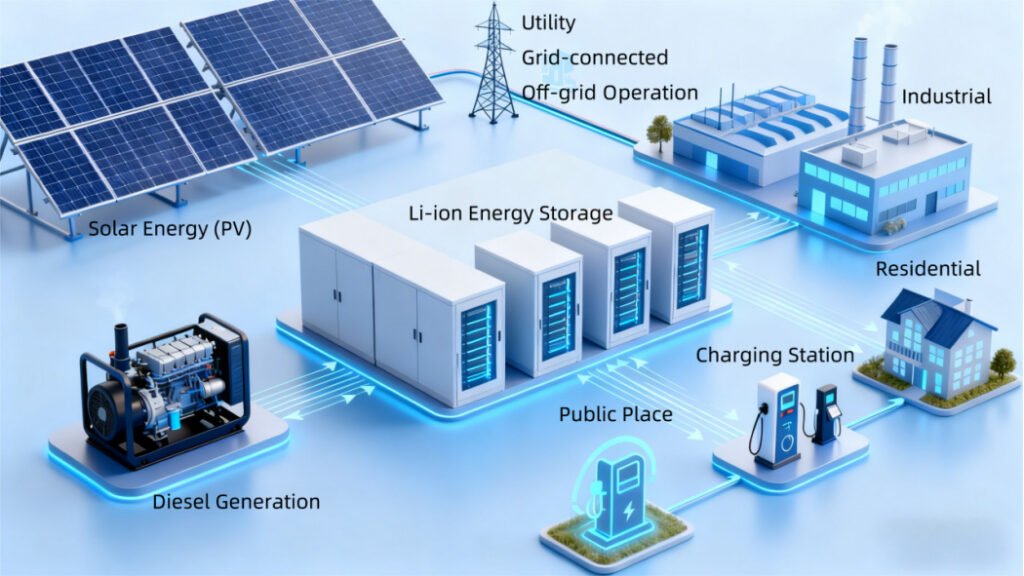
All microgrids use distributed energy resources, or DERs. These are things like solar panels, wind turbines, and batteries. DERs help you make, store, and use electricity right where you need it.
How Microgrids Work
It is important to know how a microgrid works. This helps you understand why it is helpful. Each microgrid has different parts. These parts work together to give you electricity when you need it.
Key Components
Energy Sources
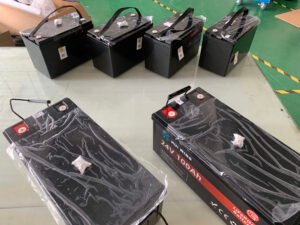
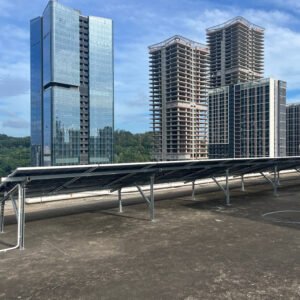
Microgrids can use many energy sources. Solar panels and wind turbines are popular choices. Some microgrids use fuel cells or small generators. These sources make electricity close to where you live or work. This lets you use clean energy. It also means you do not need big power plants as much.
Control Systems
Control systems are like the brain of your microgrid. They help all the parts work together. These systems watch how much electricity you use and make. They choose when to use stored energy. They also decide when to get more from the main grid. Good control systems keep your lights on. They also protect your devices.
Here is a table that shows what control systems do:
| Aspect | Description |
|---|---|
| Role of Control Systems | Make sure all energy sources work together for steady electricity. |
| Operation Modes | Help your microgrid switch between working with the main grid or alone. |
| Advanced Strategies | Use smart ways to keep voltage and frequency steady. |
| Power Quality Conditioning | Use special tools to protect your devices from power problems. |
| Controller Performance | Make sure the system reacts fast to changes in electricity use. |
Storage Solutions
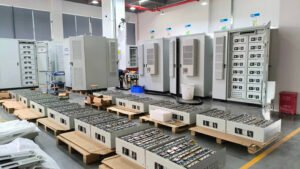
Storage solutions like batteries save extra electricity. When you make more power than you need, the system stores it. When you need more power, the system gives it back. This lets you use solar or wind energy even when the sun is not out or the wind is not blowing. In California, big batteries store solar energy during the day. They release it when people use more electricity. This keeps the system steady and stops waste.
Users
You, your family, your business, or your community are the users. You use electricity for lights, machines, and computers. The microgrid makes sure you get the power you need.
Operation Modes
A microgrid can work in two main ways. Each way helps you stay powered up in different times.
| Operation Mode | Description | Impact on Energy Reliability |
|---|---|---|
| Grid-connected | Works with the main grid to share electricity | Gives you extra support and keeps power steady |
| Islanded | Runs alone, not linked to the main grid | Keeps your power on even if the main grid fails |
Grid-Connected
In grid-connected mode, your microgrid works with the main grid. You can get extra electricity from the grid. You can also send extra power back to the grid. This mode gives you more support. It helps keep your lights on.
Islanded (Independent)
In islanded mode, your microgrid works by itself. If the main grid goes down, your system keeps running. You still have electricity for your most important needs. This mode is good during storms or blackouts.
Power Management
Power management is how your microgrid balances making, storing, and using electricity. The system uses smart tools to watch how much power you use and make. It uses batteries to save extra energy. It gives it back when you need more. The system uses special ways to make sure you always have enough electricity.
Here are some ways microgrids manage power:
- Use solar, wind, and batteries to make sure you always have energy.
- Use smart devices to control how much power goes to each part of your home or business.
- Track how full the batteries are and decide when to charge or use them.
- Keep the voltage and frequency steady so your devices work well.
Microgrids use energy management systems and math tools to keep everything balanced. These systems make sure you always have the right amount of electricity. This works no matter how much you use or how the weather changes.
Note: Good power management helps you save money, use clean energy, and keep your lights on in any situation.
Microgrid Power Benefits
Reliable Power Supply
You want your lights to stay on. Storms or grid failures can cause problems. A microgrid gives you steady power. It uses local sources like solar panels and batteries. These work together to keep things running. If the main grid stops, your microgrid still works. Hospitals, schools, and businesses trust microgrids. They protect important systems. HDX helped communities in the Philippines and Malaysia. These places kept power during outages. You can count on a microgrid. It gives you peace of mind. It keeps your daily life moving.
Tip: Microgrids help you avoid blackouts. They keep your devices safe from sudden power loss.
Energy Independence
You do not have to rely only on big power companies. A microgrid lets you make and use your own energy. You control where your power comes from. You also control how you use it. In some places, the main grid is weak or far away. A microgrid brings new hope. HDX built systems in Mali and Bangladesh. People there got their own power for the first time. This changes lives. It supports local growth.
Here is a table that shows how microgrids help you gain energy independence:
| Benefit Description | Impact on Energy Independence |
|---|---|
| Sustainable management of electricity for homeowners | Lowers utility bills and achieves energy independence |
| Self-sustaining energy source in areas with limited access to centralized power | Supports local development and improves quality of life |
| Minimization of transmission losses due to localized structure | Ensures energy is used where it is generated |
When you use a microgrid, you help your community. You become more self-reliant. You support sustainability by using clean sources like solar and wind.
Cost Control
You want to save money on your power bills. A microgrid helps you do that. You can use your own solar panels or batteries. Make power when it is cheapest. Store extra power and use it later. You do not have to buy as much from the main grid. HDX’s systems let you track your power use and costs. You can plan when to use stored power. You can sell extra power back to the grid. Smart control helps you avoid high prices. It helps you manage your budget. Many businesses and families have seen lower bills. They switched to a microgrid. You get more control over your spending. You get more value from your energy.
Flexibility and Efficiency
You want energy that fits your life. Microgrids let you pick your power source. You can use solar panels, batteries, or wind turbines. If you need more power, connect to the main grid. If you want to be independent, you can do that too. You always have choices.
Microgrids help you use energy better. Traditional grids send power far away. This wastes energy. Microgrids make and use power close to you. You get more from each unit of energy. You also lose less energy during transmission.
HDX’s Microgrid Energy Systems Solutions match your needs. You can add solar panels if your family grows. You can get bigger batteries if your business gets larger. The system grows with you. You do not need to buy too much at first. You can add more when you are ready.
Microgrids use smart technology. These systems watch your power use all the time. They change where your energy comes from to fit your needs. On sunny days, you use more solar power. At night, you use batteries or the main grid. This helps you save money and use energy wisely.
Tip: Microgrids help you save money by using the cheapest and cleanest power first.
Here is a quick look at how microgrids boost flexibility and efficiency:
| Feature | Microgrid Advantage |
|---|---|
| Energy Sources | Mix and match solar, wind, batteries, and generators |
| System Size | Start small and expand as your needs grow |
| Real-Time Control | Adjust power use and sources instantly |
| Local Generation | Reduce energy loss and improve efficiency |
| Demand Response | Shift power use to save money and avoid waste |
HDX has built flexible microgrids in the Philippines and Bangladesh. These systems change with the weather and user needs. They also handle sudden changes in demand. You get a system that works for you.
Microgrids are not just about having power. They help you use energy in smart ways. You get more control, less waste, and a system that fits your life.
Real-World Microgrid Applications
Homes and Communities
Microgrids are changing how people live in many places. Families and neighbors use local energy systems for steady power. Some communities own and run their own energy sources. This gives everyone more control. People work together for a better future.
Here is how different places use microgrids:
| Location | Description |
|---|---|
| Flores Island | People in the community run and own a micro-hydroelectric generator. |
| Kampung Sungai Delam | Rural groups use pico hydro technology to be self-sufficient. |
| Kenya | More than 150,000 homes use microgrids. At least 65 projects are running or being built. |
| Entesopia, Kenya | A solar microgrid powers over 60 homes and businesses. |
| Lucingweni, South Africa | A solar mini-grid is owned by Shell Solar. The community does not own it. |
Microgrids help people in cities and country areas. They bring steady power to places that had none before. You get lights, can charge your phone, and use the internet. These systems help your community grow and become stronger.
Businesses and Campuses
Businesses and schools want to work well every day. Microgrids help them do this. Many companies and campuses use microgrids to save money and get steady power. You can help the environment too.
- Many businesses save more than 60% on electricity.
- You can use only solar energy for your work.
- Microgrids give steady power and lower pollution.
- You can charge electric vehicles for your group.
- These systems help you spend less and use less fossil fuel.
With a microgrid, you control your energy better. You can plan for the future and support green ideas. Your business or school becomes smart about energy.
Hospitals and Critical Facilities
Hospitals and important places need power they can trust. Microgrids make sure they never lose electricity, even in storms or blackouts. Hospitals and schools keep working when the main grid stops. Patients, students, and staff stay safe from sudden power loss.
Microgrids help you keep important services running all the time. You do not have to worry about losing power. Your building stays safe and ready to help the community.
Off-Grid and Remote Areas
Some people live far from the main power grid. Many face this problem every day. Villages, islands, and mountain towns often use diesel generators. Some places do not have electricity at all. Microgrids give you a new way to get steady and clean power. You can have electricity even if you are far from big cities.
Microgrids use local energy like solar panels or wind turbines. Some use small hydro systems too. These work well where long power lines are hard to build. You can use the sun, wind, or water near your home. This makes electricity for your needs. You do not need fuel deliveries. You do not have to worry about running out of power.
Here are some ways microgrids help off-grid and remote areas:
- Microgrids use renewable energy to bring power to places without basic infrastructure.
- You can replace costly diesel generators with solar panels and batteries.
- Microgrids help break the cycle of high energy costs and low income in rural communities.
- Local energy means you do not lose power during storms or fuel shortages.
- You can improve your quality of life with steady electricity for lights, phones, and tools.
HDX has brought microgrid solutions to many remote places. In the Philippines, HDX put in a solar-storage system for an island. People there now have power for homes, schools, and shops. In Mali, HDX set up an off-grid battery system. Families there got their first steady electricity. In Malaysia, HDX helped villages stop using diesel and switch to solar. In Bangladesh, HDX’s microgrids help farms and small businesses. This helps people earn more money.
Note: Microgrids do more than just provide power. They help kids study at night. Families can use clean water pumps. Local businesses get support. You can see real change in your community with steady electricity.
You can trust microgrids to fit your needs. These systems can grow as your village grows. You can start small and add more solar panels or batteries later. Microgrids give you control over your energy future, no matter where you live.
Microgrid Challenges
Upfront Costs
You may notice that starting with a microgrid can cost more than just plugging into the main grid. You need to buy equipment like solar panels, batteries, and control systems. You also pay for installation and setup. These costs can seem high at first. Many people and businesses feel unsure about spending so much money right away.
You might wonder why the price is higher. Microgrids use advanced technology. They need special parts to work well together. You pay for quality and reliability. Over time, you can save money on your energy bills. You also gain more control over your power. Some places offer grants or loans to help with these costs. You can look for programs in your area.
💡 Tip: Think of a microgrid as an investment. You pay more at the start, but you get steady power and lower bills in the future.
Technical Complexity
Microgrids use many different parts. You have solar panels, batteries, control systems, and sometimes wind turbines or generators. Each part must work with the others. The control system acts like the brain. It decides when to use stored energy, when to make more, and when to connect to the main grid.
You need experts to design and install your microgrid. They make sure everything works safely. You may need to learn new things about how your system runs. Sometimes, you need to update software or check your equipment. This can feel hard if you are used to simple power from the main grid.
A microgrid gives you more choices, but it also asks you to pay attention. You can ask your provider for training or support. Many companies, like HDX, offer help so you can use your system with confidence.
Scalability Issues
You may want your microgrid to grow as your needs change. Maybe your family gets bigger, or your business expands. Scalability means you can add more solar panels, batteries, or other parts without starting over. Some microgrids make this easy, but others can be harder to expand.
Here are some things to know about scalability:
- Microgrids give you flexibility, autonomy, and reliable power.
- You can add renewable energy sources, like solar or wind, to handle more energy needs.
- Smart control systems help manage energy as your needs grow.
- Microgrids work well for rural areas, schools, factories, and electric vehicle charging stations.
You should plan for the future when you set up your microgrid. Ask about how easy it is to add more parts later. Some systems, like those from HDX, let you start small and grow over time. This helps you match your energy system to your life or business.
📈 Note: A scalable microgrid helps you stay ready for new challenges. You can meet growing energy needs without big changes or high costs.
Policy and Regulation
You may want to set up a microgrid, but rules and laws can make it hard. Policy and regulation shape how you use and share your energy. These rules come from local, state, and national governments. You need to know them before you start your microgrid project.
Some places have clear rules for microgrids. Others do not. This can slow down your plans. You may need special permits. You might have to follow safety codes. Sometimes, you need to work with your local utility company. Each step can take time.
Here are some common policy and regulation challenges you may face:
- Permitting: You need approval from local offices. This can take weeks or months.
- Grid Connection Rules: Some areas have strict rules for connecting your microgrid to the main grid.
- Ownership Limits: Some places only let certain groups own or run microgrids.
- Energy Sales: You may want to sell extra power back to the grid. Some rules make this hard or limit how much you can sell.
- Safety Standards: You must follow rules to keep your system safe for you and your neighbors.
Tip: Always check your local rules before you start building a microgrid. This saves you time and money.
You may also see changes in rules as more people use microgrids. Governments want to support clean energy. They may offer grants or tax breaks. Some places now have new laws to help microgrids grow. You can look for these programs to help with your project.
Here is a quick look at how policy and regulation can affect your microgrid:
| Policy Area | Impact on You |
|---|---|
| Permitting | May slow down your project |
| Grid Connection | Can limit how you use your microgrid |
| Energy Sales | Affects your chance to earn money |
| Safety Standards | Keeps your system safe and legal |
| Incentives | Can lower your costs |
You can talk to local officials or energy experts. They can help you understand the rules. You can also join community groups that support microgrids. These groups often work to change rules and make it easier for you.
Policy and regulation may seem hard to follow. You can learn the basics and ask for help. This way, you can enjoy the benefits of your microgrid and follow the law.
Who Benefits from Microgrids
Homeowners
You want your home to have safe power. A microgrid lets you control your electricity. You can use solar panels and batteries at home. These help you make and store your own energy. You do not need to worry about blackouts. Your lights and devices keep working if the main grid fails.
Astravolt calls this the “home energy brain“. It is a household microgrid with three big benefits. You get safety from backup power. You save money with smart scheduling. You help the environment by using more renewable energy. Families pay less for electricity. They also get more energy independence.
You save money by using your own energy first. You help the planet by using clean sources like solar. Your family does not depend on big utility companies. In some places, you can sell extra electricity back to the grid. With a microgrid, you make smart choices for your home and your wallet.
Businesses
You run a business and need steady power every day. A microgrid helps you avoid losing money from outages. Your machines and computers keep working during storms. Many businesses use microgrids to lower bills and protect their work.
Here is how a microgrid helps your business:
| Advantage | Description |
|---|---|
| Enhanced Stability | Microgrids keep voltage and frequency steady for reliable power. |
| Adaptability to Business Models | The ESS solution fits many business types and can change as you grow. |
| 100% Renewable Energy Operation | Microgrids can use only renewable energy, on-grid or off-grid. |
| Proven Reliability | The Red Sea microgrid works 99.9% of the time and gives over one billion kWh of green electricity. |
You can use more renewable energy and show customers you care about the planet. You can plan for growth. If your business gets bigger, add more solar panels or batteries. A microgrid gives you tools to manage energy and costs.
Communities
Your community can use a microgrid too. Neighbors work together for steady power. Microgrids help towns and villages keep lights on in emergencies. You can use local energy like solar or wind for everyone.
Microgrids help communities save money and become more independent. You do not need faraway power plants. Schools, stores, and clinics keep working if the main grid fails. People feel safer and more connected. Microgrids help your community use clean energy and protect the environment for the future.
Tip: When your community uses a microgrid, you build a safer and stronger place to live.
Institutions
You might ask how microgrids help places like schools and government buildings. These places need power every day. Microgrids give you more control over your energy. You can use solar panels and batteries nearby. This helps you save money and protect the earth.
Many schools use microgrids to pay less for electricity. For example, a solar battery system gives you power when prices are high. You do not have to pay extra when everyone uses electricity. Over time, you can save more money than you spent at first. Some school districts hope to save over $70 million in 25 years. You can use this money for books, computers, or sports gear. Your school can offer better things for students.
Universities get big benefits too. In Malaysia, 14 universities used a microgrid and saved about RM 7 million each year. This extra money helps you buy new tools and make classrooms better. You can give students more ways to learn. Microgrids also help you reach green goals. The same project in Malaysia cut 54,700 metric tonnes of CO2 each year. That is like planting 900,000 trees. You help the planet and your school at the same time.
Government buildings use microgrids too. You can keep services running during storms or blackouts. Police, fire stations, and city halls need power all the time. Microgrids make sure you do not lose electricity when it matters most. You can also use clean energy to show you care about the earth.
Here are some ways microgrids help institutions:
- Pay less for electricity with solar and batteries.
- Use savings to help schools, research, or public services.
- Cut pollution and support clean energy.
- Keep important services working during emergencies.
- Show you care about new technology and the planet.
When you use a microgrid, your school or building gets stronger and more independent. You save money, help the earth, and give better service to your community. Microgrids help you build a better future for everyone.
The Future of Microgrid Power
Trends and Innovation
Many new ideas are changing microgrids. Technology is getting better every year. Smart renewable energy generators can now help make the grid. They keep voltage and frequency steady. These systems let you use more power from new sources. Some projects use lots of solar panels and batteries. For example, the world’s first GWh-level microgrid project uses 400 MW of solar power and 1.3 GWh of energy storage. You can set up these systems fast because they come in modular, pre-integrated units.
Here is a table with some of the newest features:
| Feature | Description |
|---|---|
| Solution | Grid-Forming Smart Renewable Energy Generator |
| Innovations | Increases new energy access by 40%, redefines voltage and frequency control |
| Project Size | 400 MW solar, 1.3 GWh energy storage (world’s first GWh-level project) |
| Deployment | Modular, pre-integrated for fast setup |
Cities like Changzhou use microgrids for tourism and green factories. Some parks have solar canopies, batteries, and charging stations for electric cars. You can see microgrids at cultural sites and industrial parks. In some places, you can get extra power in just 15 minutes with local control.
Role in Energy Transition
You are part of the world’s move to cleaner energy. Microgrids help you use local power and cut pollution. They make it easier to use solar, wind, and batteries. You can help your town or business be safer and use less fossil fuel.
Microgrids are now seen as very important for clean energy. They give local energy solutions that boost energy security, lower greenhouse gas emissions, and support renewable energy.
When you pick a microgrid, you support sustainability. You help the planet by using less coal and oil. You also make your community stronger and safer.
Getting Started
You can begin with a few easy steps. First, look at how much energy you use now. Think about your daily power needs. Next, talk to experts who know about microgrids. They can help you plan a system for your home, business, or community.
Here are some steps to help you:
- Write down your main energy needs.
- See if you have space for solar panels or batteries.
- Ask about local rules and support programs.
- Pick a trusted provider like HDX for advice and solutions.
- Plan ahead so your system can grow with you.
You do not have to do everything right away. Start small and add more as your needs change. With a good plan, you can get reliable power and help build a better future.
A microgrid lets you control your own electricity nearby. You can use clean energy like solar or wind. This helps you save money on your bills. Your power stays on even if the main grid goes out. Microgrids help homes, businesses, and communities be stronger. They also help you become more independent. HDX’s Microgrid Energy Systems Solutions make starting easy for you.
Want to control your energy? Check out microgrid solutions today. See how you can get smarter and more reliable power.
FAQ
What is a microgrid in simple terms?
A microgrid is a small energy system. It makes and manages electricity for your home, business, or community. You can use it with the main grid or on its own.
Can a microgrid work without the main power grid?
Yes! Your microgrid can run alone. If the main grid fails, your microgrid keeps your lights and devices on. This is called “islanded mode.”
What energy sources can I use in a microgrid?
You can use solar panels, wind turbines, batteries, or small generators. Many people choose solar and batteries for clean, reliable power.
How does a microgrid help me save money?
A microgrid lets you use your own energy first. You can store extra power and use it later. This helps you lower your bills and avoid high prices.
Who should consider using a microgrid?
You should think about a microgrid if you want reliable power, lower bills, or more control. Homes, businesses, schools, and remote areas all benefit.
Is it hard to add more solar panels or batteries later?
No. Many microgrids, like HDX’s, let you start small and grow. You can add more panels or batteries as your needs change.
How do I get started with a microgrid?
Start by checking your energy needs. Talk to a trusted provider like HDX. Plan your system and ask about local rules. You can begin small and expand later.