The first thing that actually matters is where and how the battery will be used. Lithium iron phosphate batteries are flexible, but they are not one-size-fits-all. A battery that works well in a residential solar system may perform poorly in an electric vehicle or a server rack environment.
Start with the load profile. Ask yourself how much power your system draws, how often it cycles, and whether the load is continuous or intermittent. Solar energy storage, for example, usually involves daily deep cycling. Golf carts, forklifts, and traction applications demand high discharge rates and frequent acceleration. Backup power systems may sit idle for long periods and then suddenly need to deliver stable output.
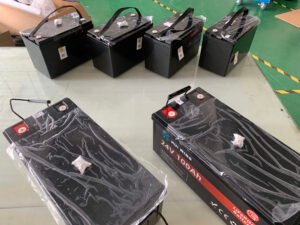
Next is system voltage. LiFePO4 cells have a nominal voltage of 3.2V. From there, battery packs are built into common system voltages such as 12V, 24V, 48V, 51.2V, and 72V. Choosing the wrong voltage can lead to inefficient operation or even damage to inverters and controllers. For home energy storage and server racks, 48V or 51.2V systems dominate the market because they balance efficiency and safety. For mobility applications, 24V, 48V, and 72V are more common depending on motor requirements.
Environmental conditions also matter more than many buyers expect. LiFePO4 chemistry is stable, but temperature still affects performance. In cold climates, charging below 0°C without proper battery management can reduce lifespan. In high-temperature environments, thermal design and cell quality become critical. If your application involves outdoor installation, marine use, or industrial settings, enclosure rating and thermal management are not optional.
Finally, think about compliance and export requirements. For energy projects, especially cross-border ones, certifications like UN38.3, IEC, CE, and UL are often mandatory. As an energy export service provider, HDX Energy typically evaluates these standards early to avoid project delays later.
Key Technical Specifications That Actually Affect Performance
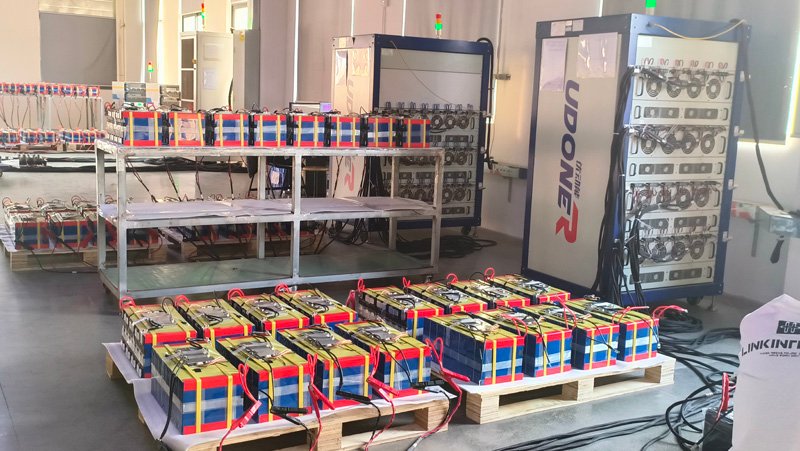
Capacity numbers get most of the attention, but they are only part of the story. Rated capacity in amp-hours or kilowatt-hours tells you how much energy the battery can store under standard test conditions, not how it behaves in your system.
Cycle life is one of the strongest reasons people choose LiFePO4. Quality cells commonly deliver 4,000 to 6,000 cycles at 80% depth of discharge, with some industrial-grade cells exceeding that under controlled conditions. However, cycle life depends heavily on charge and discharge rates, operating temperature, and BMS strategy.
Discharge rate is usually expressed as a C-rate. A 1C discharge means the battery can discharge its full capacity in one hour. Energy storage batteries typically operate at 0.5C or lower, while traction and mobility applications often require 1C to 3C continuous discharge with higher peak capability. Choosing a battery with insufficient discharge capability leads to voltage sag, heat buildup, and shortened life.
Battery management system design is not optional. A proper BMS handles cell balancing, over-voltage, under-voltage, over-current, and temperature protection. For larger battery packs, especially 48V and above, communication protocols such as CAN or RS485 become important for integration with inverters, EMS, or monitoring platforms.
Below is a simplified comparison of typical LiFePO4 battery configurations and their common use cases:
| Battery Type | Nominal Voltage | Typical Capacity | Common Applications |
|---|---|---|---|
| 12V LiFePO4 | 12.8V | 50–300Ah | RVs, marine, backup power |
| 24V LiFePO4 | 25.6V | 50–200Ah | Light EVs, telecom |
| 48V / 51.2V | 48–51.2V | 50–200Ah (2.5–10kWh) | Solar ESS, server racks |
| 72V LiFePO4 | 76.8V | 50–150Ah | Electric vehicles, traction |
Energy density is another consideration, but with LiFePO4 it is usually a trade-off against safety and longevity. If compact size is critical, prismatic cells with higher energy density may be preferable. If longevity and thermal stability are priorities, slightly lower energy density is often worth it.
Cell Format and Battery Pack Design Choices
LiFePO4 batteries come in several cell formats, but prismatic cells dominate energy storage and industrial applications. Cylindrical cells are common in smaller electronics, while pouch cells are used in weight-sensitive designs.
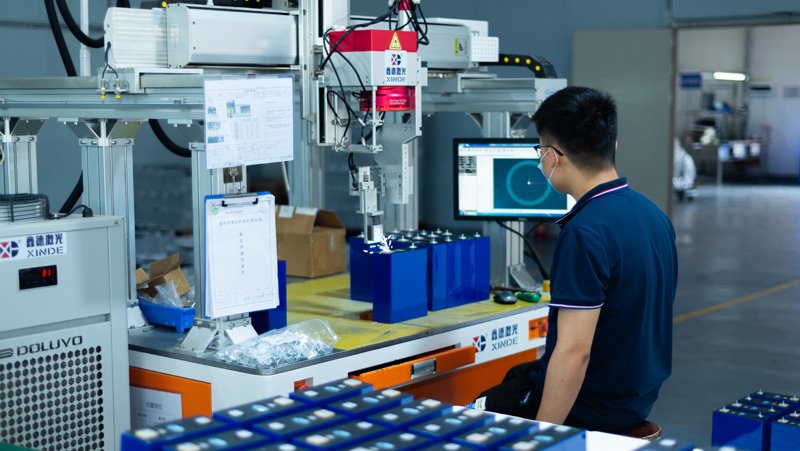
Prismatic LiFePO4 cells are popular because they simplify pack assembly, improve space utilization, and offer consistent thermal behavior. They are widely used in 48V and 51.2V rack-mounted batteries, solar storage systems, and commercial energy projects. High-quality prismatic cells typically range from 50Ah to over 300Ah per cell.
Battery pack design goes beyond simply connecting cells in series and parallel. Mechanical structure, busbar design, insulation, and cooling all affect reliability. Poor mechanical support can cause internal stress over time, especially in mobile or vibration-prone applications. Proper insulation spacing is essential to meet safety standards and reduce the risk of short circuits.
Another critical design decision is modular versus integrated systems. Modular designs allow easier maintenance and scalability, which is why server rack batteries around 5kWh per module are so common in data centers and commercial ESS. Integrated batteries may reduce upfront cost and simplify installation but can be harder to service.
For export projects, pack consistency matters. Variations in internal resistance or cell matching can lead to imbalance over time. Reputable suppliers sort and match cells before assembly, which improves long-term stability. This is an area where experienced energy exporters like HDX Energy tend to focus, especially for large-volume deployments.
Matching the Battery to Real-World Use Cases
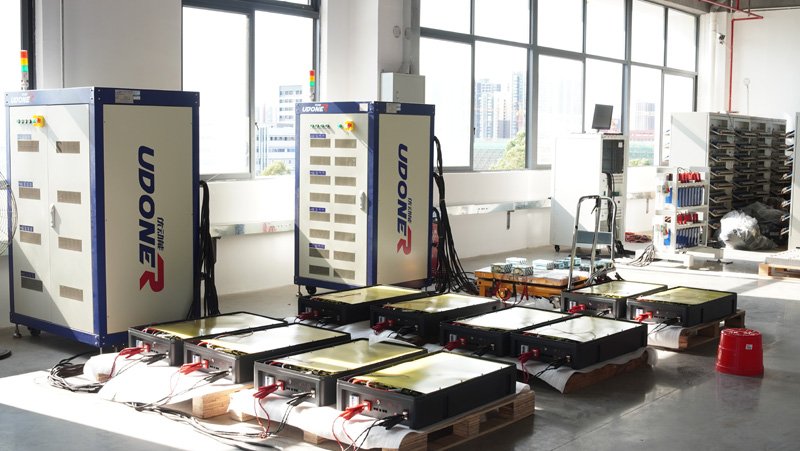
Different applications stress batteries in different ways, and matching the chemistry alone is not enough.
For solar energy storage, deep cycle capability and compatibility with inverters are key. Most residential and commercial solar systems now prefer 48V or 51.2V LiFePO4 batteries with CAN or RS485 communication. Daily cycling at 80% depth of discharge is common, so cycle life and BMS reliability directly affect system economics.
In RV and marine applications, vibration resistance, compact size, and low maintenance are priorities. LiFePO4 batteries are favored because they are maintenance-free and significantly lighter than lead-acid alternatives. However, marine environments require better sealing and corrosion-resistant terminals.
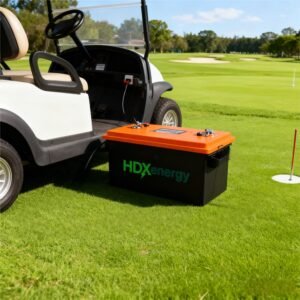
Golf carts and traction batteries demand high discharge current and frequent charge cycles. A traction-rated LiFePO4 battery must handle sustained high loads without excessive heat. This is where cell quality and internal design separate industrial-grade batteries from entry-level ones.
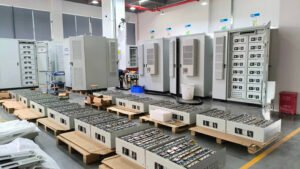
Server rack batteries, typically around 5kWh per module, are designed for scalability and monitoring. They are widely used in data centers and commercial energy storage systems. Standard rack dimensions, front-access terminals, and remote monitoring are practical requirements, not optional features.
Choosing the wrong battery type for the use case often results in underperformance rather than immediate failure. That’s why experienced suppliers focus on application-first selection instead of capacity-first marketing.
Cost, Lifespan, and Total Ownership Considerations
Upfront price is only one part of the decision. LiFePO4 batteries generally cost more initially than lead-acid, but the total cost of ownership is usually lower over the system’s lifetime.
A typical LiFePO4 battery can last 8 to 15 years depending on usage, compared to 3 to 5 years for lead-acid in similar conditions. Maintenance-free operation also reduces labor and downtime costs. When calculated on a cost-per-cycle basis, LiFePO4 often comes out ahead even with higher initial pricing.
Warranty terms provide insight into manufacturer confidence. Look at both years and cycle count. A battery with a 10-year warranty but limited cycle coverage may not perform as expected in high-cycle applications.
Logistics and after-sales support are often overlooked, especially in international projects. Replacement availability, technical documentation, and response time matter when systems scale up. This is particularly relevant for energy export projects, where local service networks may be limited.
Common Questions from Buyers and Project Developers
Q1: Is a 51.2V LiFePO4 battery better than a 48V battery?
In practice, they serve the same systems. 51.2V reflects the nominal voltage of 16 LiFePO4 cells in series. Many modern inverters are designed around this voltage, which can improve efficiency and communication compatibility.
Q2: Can LiFePO4 batteries be used in cold climates?
Yes, but charging below 0°C requires either controlled charging or integrated heating. Discharging at low temperatures is generally acceptable, though capacity may temporarily decrease.
Q3: How important is BMS communication for solar and ESS projects?
Very important. Communication allows the inverter and battery to coordinate charge limits, fault protection, and monitoring. Lack of proper communication can reduce usable capacity and system stability.
Q4: Are prismatic cells always better than cylindrical cells?
Not always. Prismatic cells are better for large-capacity systems and ease of assembly, while cylindrical cells can be advantageous in high-vibration or compact designs.
Q5: What certifications should I look for when importing LiFePO4 batteries?
UN38.3 is mandatory for transport. IEC, CE, and UL certifications depend on the destination market and application. For commercial and utility-scale projects, these are often required for grid connection and insurance approval.