
A hybrid solar power system makes energy with solar panels. It keeps extra energy in batteries. You get power from the sun and the electric grid. This system gives you more choices than other solar systems. You can have power all the time, even if there is an outage. Many people pay less for electricity and help the environment. Hybrid solar systems use clean energy. Some people get more money back and their homes are worth more.
- You get power even if the grid stops working
- You pay less for electricity because you use solar energy
- It is good for the planet and lowers pollution
- You get more money back and your home is worth more
Key Takeaways
- Hybrid solar systems give steady power when the lights go out because they use battery backup.
- You can spend less on your electric bills by using solar energy and keeping extra power.
- These systems are good for the environment. They help cut down on pollution and using fossil fuels.
- Hybrid systems are flexible. You can pick solar, battery, or grid power when you need it.
- You can make your house worth more and maybe get credits if you send extra energy back to the grid.
- Taking care of solar panels and batteries often helps them work well and last longer.
- Hybrid solar systems mix the good things from both on-grid and off-grid setups. This gives you better energy safety.
- Think about how much energy you use and how much money you have before picking a hybrid solar system for your home.
What Is a Hybrid Solar Power System
Simple Definition
A hybrid solar power system is a smart way to get energy. It connects to the electric grid and uses batteries to save extra power. This system mixes grid-tied and off-grid setups. You get more choices and energy safety. Special inverters keep your home safe if the power goes out. You still have power when the grid stops working. This setup uses the good parts of both on-grid and off-grid systems.
Key Features
A hybrid solar system has many important parts. Solar panels sit on your roof and collect sunlight. They turn sunlight into electricity for your home. Extra energy goes into batteries for later use. If it is cloudy or dark, you can use the stored power. The system also connects to the electric grid. If your batteries are empty, you can use grid power. Some systems even have wind turbines to make more energy.
Here is a table that shows the main parts of a standard hybrid solar system:
| Component | Description |
|---|---|
| Wind Turbine (Airdolphin Z-1000-24) | Supplements solar power by generating electricity from wind energy. |
| Solar Power Modules (Orga OSP200EX) | Explosion-proof solar modules designed for hazardous environments, part of the solar array. |
| Controllers and Regulators | Manage the output from solar and wind systems, ensuring efficient operation and safety. |
| Battery Storage | Stores energy generated, providing a stable power supply during low generation periods. |
| Safety and Monitoring | Includes circuit breakers and anemometers to protect the system and monitor wind conditions. |
| Expansion Considerations | Aims to maximize power generation by combining solar and wind energy for efficiency. |
You can use both solar and wind energy with a hybrid system. Controllers and regulators help everything work well. Safety tools protect your home and let you check the system.
How It Differs from Other Systems
A hybrid solar system is different from other solar setups. It gives you the benefits of both on-grid and off-grid systems. You stay connected to the grid and have batteries for backup. You use solar energy in the day. At night, you can use grid power or battery power.
Here is a table that compares hybrid solar systems with off-grid solar systems:
| Feature | Off-Grid Solar Systems | Hybrid Solar Systems |
|---|---|---|
| Connection to Grid | Not connected; operates independently | Connected to the grid with battery backup |
| Energy Source | Relies solely on solar panels and batteries | Uses solar energy during the day and grid at night |
| Independence | Fully independent from the grid | Partially independent; still connected to the grid |
| Upfront Costs | Higher due to more equipment needed | Lower due to fewer solar panels and batteries required |
| Monthly Bills | No monthly bills | Monthly bills still exist, but typically lower |
| Maintenance | Requires more maintenance | Less maintenance compared to off-grid systems |
| Environmental Impact | Environmentally friendly, reduces carbon footprint | More eco-friendly than traditional systems, but still relies on grid for backup energy |
Hybrid pv systems give you more choices. You do not lose power during an outage. You can save money on your bills. Solar plus storage lets you use clean energy and keep your home working. If you want to install solar, a hybrid system has many good points.
Tip: If you want energy that is reliable and flexible, try a hybrid solar system. You get solar energy and grid backup together.
How a Hybrid Solar Power System Works
Step-by-Step Process
Solar Energy Generation
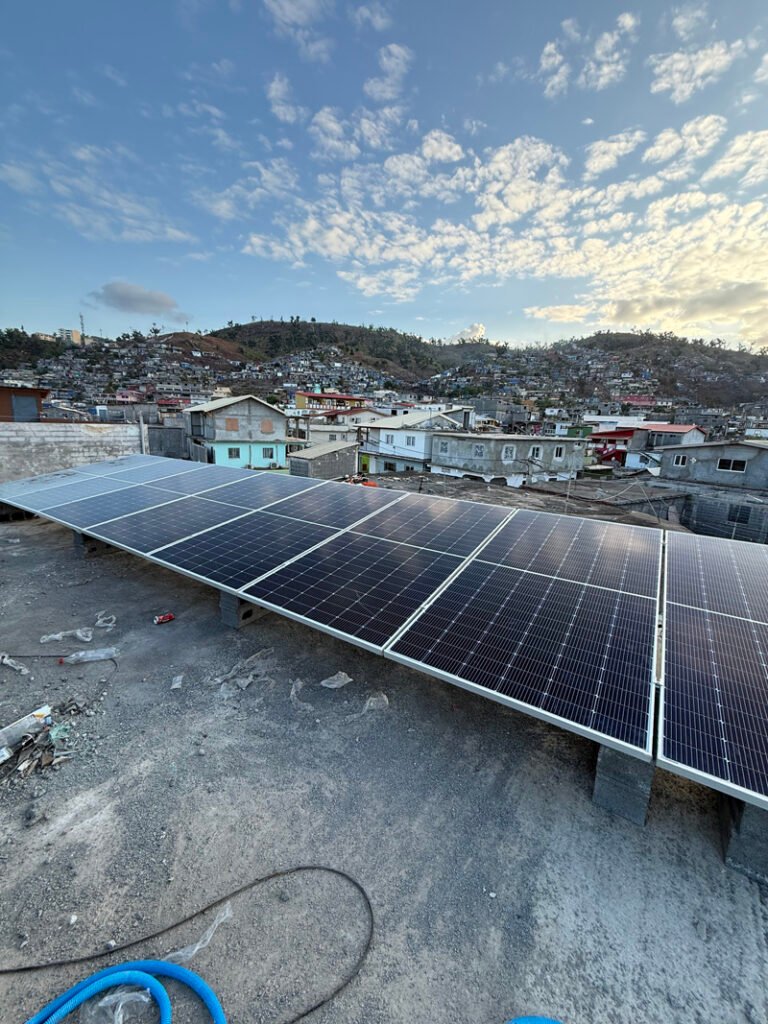
Solar panels sit on your roof. They catch sunlight and make electricity. This electricity goes to your house. You use it for lights and appliances. When the sun is strong, panels make extra energy. You do not waste this extra power.
Battery Storage
Batteries store extra energy from your solar panels. You use stored power at night or when it is cloudy. The battery management system keeps batteries healthy. It controls how batteries charge and discharge. It also guesses when you will need more power. This helps you always have energy when you need it.
Grid Interaction
Hybrid pv systems connect to the electric grid. You use grid power if your batteries are low or panels do not make enough energy. If batteries are full, extra energy goes to the grid. You get credit for sending energy to the grid. During busy hours, the system uses stored power to lower your grid use. This saves you money on your bill.
Here is a table that shows how each part manages energy during busy and quiet hours:
| Component | Role in Energy Distribution |
|---|---|
| Battery Energy Storage | Stores extra energy during quiet hours for use when demand is high. |
| Battery Management System | Controls charging, discharging, predicts demand, and keeps batteries healthy. |
| Grid Interaction | Uses less grid power during busy times, lowering your bill. |
Daily Operation Example
You wake up in the morning. The sun comes up and panels start making power. You use this energy for breakfast and chores. Panels keep making electricity all day. You use some power for your home. Extra energy goes to batteries. At night, the sun goes down. Panels stop making energy. You use stored power for lights and dinner. If batteries run out, the system uses grid power. You always have electricity. The system keeps your home working well.
Tip: You can use a monitoring app to check your system. The app shows how much solar energy you use, how much power you store, and how much you send to the grid.
Solar panels give you clean energy. You save money by using stored power. You stay connected to the grid for backup. Your hybrid solar power system gives you energy all day and night.
Hybrid Solar Power System Components
Solar Panels
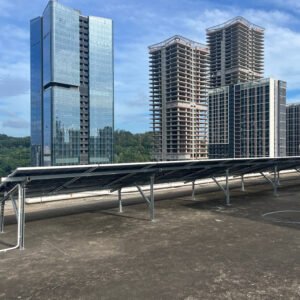
Solar panels are very important in hybrid pv systems. You put them on your roof or in your yard. They catch sunlight and make electricity for your house. You use this power for lights and other things. Solar panels work best when the sun is bright. There are different kinds of solar panels you can pick. Each kind has its own efficiency rate. This rate shows how much sunlight turns into power you can use.
Here is a table that lists common solar panel types and their average efficiency rates:
| Type of Solar Panel | Average Efficiency Rate |
|---|---|
| Monocrystalline | 17 to 23 percent |
| Polycrystalline | 13 to 17 percent |
| Thin-film | 10 to 13 percent |
| Bifacial | Up to 15 percent more output |
| PERC | 19 to 21 percent |
| Perovskite (lab) | Over 25 percent |
You can choose solar panels based on your money and space. Monocrystalline panels are very efficient. Polycrystalline panels cost less but make less power. Thin-film panels fit in small spaces. Bifacial panels use sunlight from both sides for more power. PERC and perovskite panels use new technology and are more efficient.
Tip: Clean your solar panels often. Dirt and dust make them less efficient and lower the power you get.
Hybrid Inverter
A hybrid inverter is a smart part of hybrid pv systems. It helps control power from solar panels, batteries, and the grid. The hybrid inverter changes solar electricity so your house can use it. It sends extra power to batteries or back to the grid. You get backup power if there is an outage because the hybrid inverter switches to battery backup.
Here is a table that shows important features of hybrid inverters:
| Feature | Description |
|---|---|
| Multiple Outputs | Supports both 120V and 240V outputs for different appliances. |
| Grid Interaction | Sends extra solar energy to the grid or gives backup power during outages. |
| Energy Efficiency | Manages energy flow for best use between solar, battery storage, and grid export. |
| Smart Load Management | Keeps important appliances running during outages or low battery levels. |
| Battery Management System | Watches battery health to prevent overcharging and extend battery life. |
You can control your hybrid inverter with easy settings. It helps you use solar power first, then battery power, and then grid power if needed. You get more control over how you use energy.
Battery Storage
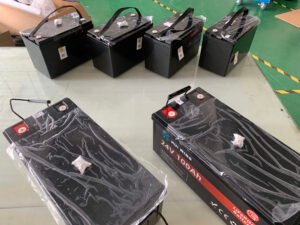
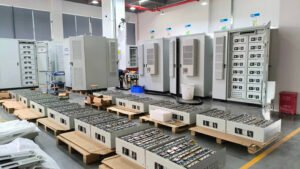
Battery storage lets you keep extra power from your solar panels. You use batteries to save energy for later. When the sun is gone or clouds cover the sky, you use stored power. Battery backup keeps your house running during outages. You can pick from different kinds of batteries for your hybrid pv systems.
Here is a table that shows common battery types and how long they last:
| Battery Type | Lifespan |
|---|---|
| Lithium-ion | 10-15 years |
| Lead-acid | 5-7 years |
| Flow | 25+ years |
| Nickel-Cadmium | Up to 20 years |
Lithium-ion batteries last longer and need less care. Lead-acid batteries cost less but do not last as long. Flow batteries are good for big systems and last many years. Nickel-cadmium batteries are strong and dependable.
Note: Check your batteries often. Healthy batteries give steady power and keep your hybrid pv systems working well.
You get more energy independence with battery storage. You use solar panels to charge batteries and need the grid less. You save money and keep your house safe during outages.
Grid Connection
The grid connection is a key part of your hybrid solar power system. It links your home to the main electric grid. This connection gives you more energy options and helps you stay powered up.
You use the grid connection to get electricity when your solar panels and batteries do not have enough energy. You can also send extra solar power back to the grid. This process is called “net metering.” Your electric company may give you credits or money for the energy you share.
Here are some main reasons why the grid connection is important:
- You always have backup power. If your batteries run out, the grid supplies your home.
- You can earn credits by sending extra solar energy to the grid.
- You help balance energy use in your community.
The grid connection uses a special device called a “grid-tied inverter.” This inverter matches the power from your solar panels to the grid’s voltage and frequency. It keeps your system safe and stable.
You can see how the grid connection works in this simple table:
| Situation | What Happens in Your System |
|---|---|
| Sunny day, low home use | Extra solar power goes to the grid |
| Cloudy day or night | You use power from the grid or batteries |
| Power outage | Batteries supply your home (not the grid) |
| High energy demand | System uses solar, battery, and grid power |
Tip: Ask your electric company about net metering. Some companies pay you for the extra energy you send to the grid.
You need a safe and approved connection to the grid. Your installer will help you get the right permits and follow local rules. The grid connection uses safety switches and meters to protect your home and the grid.
You can check your grid connection with your system’s monitoring app. The app shows how much energy you use, store, and send to the grid. This helps you make smart choices about your energy use.
A strong grid connection makes your hybrid solar system flexible. You get the best of both worlds—clean solar power and reliable grid backup. You save money and help your community use energy wisely.
Hybrid Solar System Advantages
Energy Independence
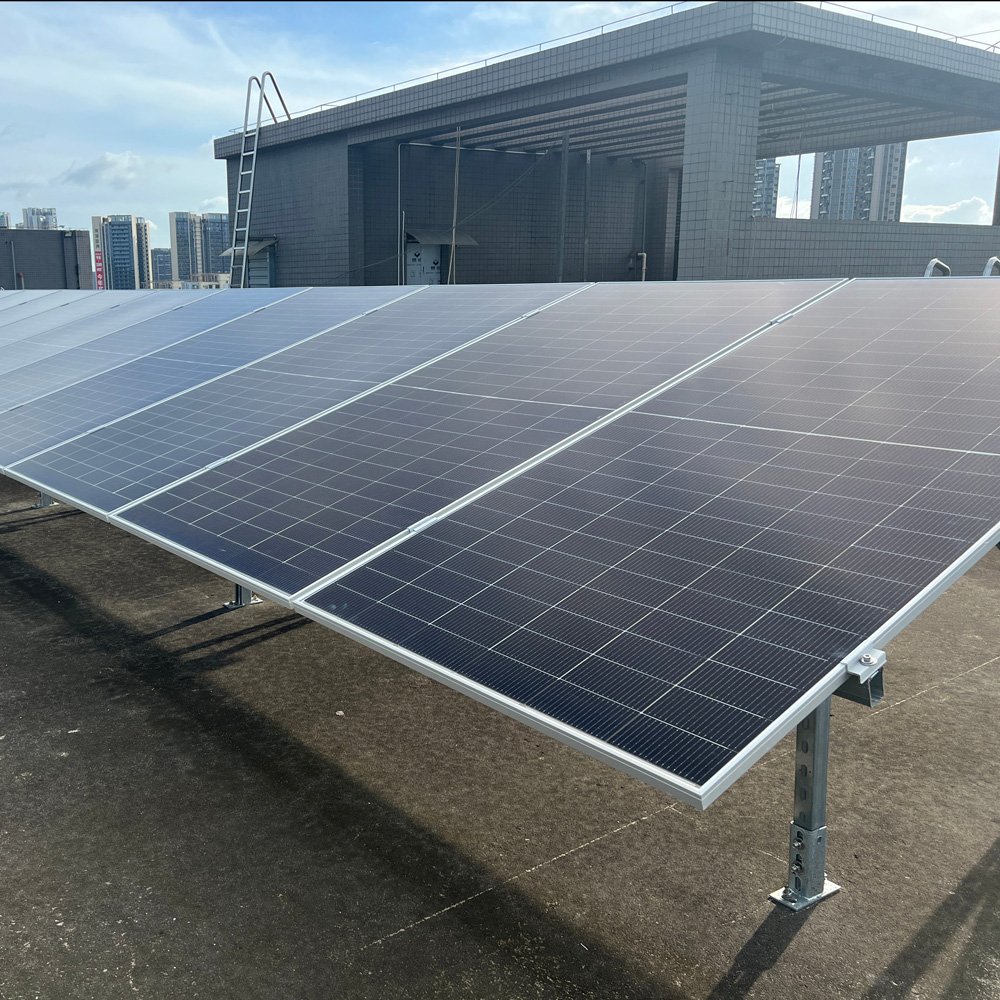
You get more control over your energy with a hybrid solar system. Solar panels on your roof make electricity from sunlight. You use this solar power for lights and appliances during the day. If your panels make extra energy, it goes into battery storage. You can use stored energy at night or when it is cloudy. This setup means you do not rely only on the electric grid. You use your own solar energy first, so you depend less on outside sources. Many people like feeling independent because it gives peace of mind and more control.
Backup Power
A hybrid solar system gives you backup power you can trust. If the grid goes down, your system switches to battery backup. You keep your lights and fridge running during a blackout. The system uses solar panels, batteries, and the grid to make sure you have electricity. Battery storage helps you avoid interruptions. This is important if you work from home or need medical equipment. The battery management system reacts quickly to outages. It keeps your home safe and protects devices from sudden power loss. You also get steady power quality, which keeps electronics safe.
- Battery energy storage systems give power when the grid fails.
- The system reacts fast to outages and keeps your home running.
- Battery backup protects your equipment from power surges and drops.
Tip: You can check your system’s app to see when your home uses battery backup. This helps you plan for emergencies and know your system works.
Cost Savings
You can save money with a hybrid solar system. Solar panels make free electricity from the sun. You use this energy first, so you buy less from the grid. If your panels make extra power, you store it in batteries for later. This means you use less grid power at night or during peak hours. Many people see lower electricity bills each month. Some electric companies let you send extra solar power back to the grid. You may get credits or payments for this, which adds to your savings. Over time, these savings help pay for your system.
Here is a table that shows how you can manage your energy for the best savings:
| Operation Mode | Description |
|---|---|
| Self-Consumption Mode | You use solar energy for your home first, then use grid power if needed. |
| Economical Mode | You use battery storage during expensive peak hours to lower your electricity bill. |
| Backup Mode | You keep power during blackouts, so you avoid losses from spoiled food or lost work time. |
You get many benefits from a hybrid solar system. You use clean solar energy, enjoy backup power, and see real savings on your electricity bill. Your solar panels, battery storage, and smart controls work together to give you more freedom and lower costs.
Flexibility
You get more flexibility with a hybrid solar power system. This means you can use energy in different ways. You can choose how to use solar power, battery storage, and grid electricity. You decide what works best for your home and your needs.
Hybrid systems let you adjust your energy use. You can set your system to use solar power first. If you need more energy, you can use battery storage. When batteries run low, you can switch to grid power. You control how your system works. You can change settings with a simple app or control panel.
Here are some ways you can use flexibility in your hybrid solar system:
- Use solar power during the day for lights and appliances.
- Store extra energy in batteries for use at night.
- Send extra energy to the grid and earn credits.
- Switch to battery backup during outages.
- Change settings to save money or get more backup power.
Tip: You can use a monitoring app to check your energy use. The app helps you see how much solar power you use, how much you store, and how much you send to the grid.
Hybrid systems work well in many places. You can use them in cities, suburbs, or rural areas. You can add more solar panels or batteries if your needs change. You can upgrade your system as your family grows or as you use more devices.
Here is a table that shows how hybrid systems give you flexibility:
| Situation | How Hybrid System Helps |
|---|---|
| High energy demand | Uses solar, battery, and grid power |
| Power outage | Switches to battery backup |
| Extra solar energy | Sends power to grid or stores in battery |
| Changing needs | Lets you add panels or batteries |
You can use your hybrid system for many purposes. You can power your home, charge electric cars, or run small businesses. You can change how your system works as your needs change.
Hybrid solar systems give you choices. You can use clean energy, save money, and stay powered up. You get control over your energy use. You can make smart decisions for your home and your future.
Note: You can talk to your installer about ways to make your system more flexible. You can ask about adding more batteries or panels. You can ask about smart controls that help you use energy better.
Hybrid solar systems help you adapt to new situations. You can use more energy when you need it. You can save energy when you want. You get a system that grows with you. You get flexibility for today and tomorrow.
Hybrid Solar System Drawbacks
Higher Cost
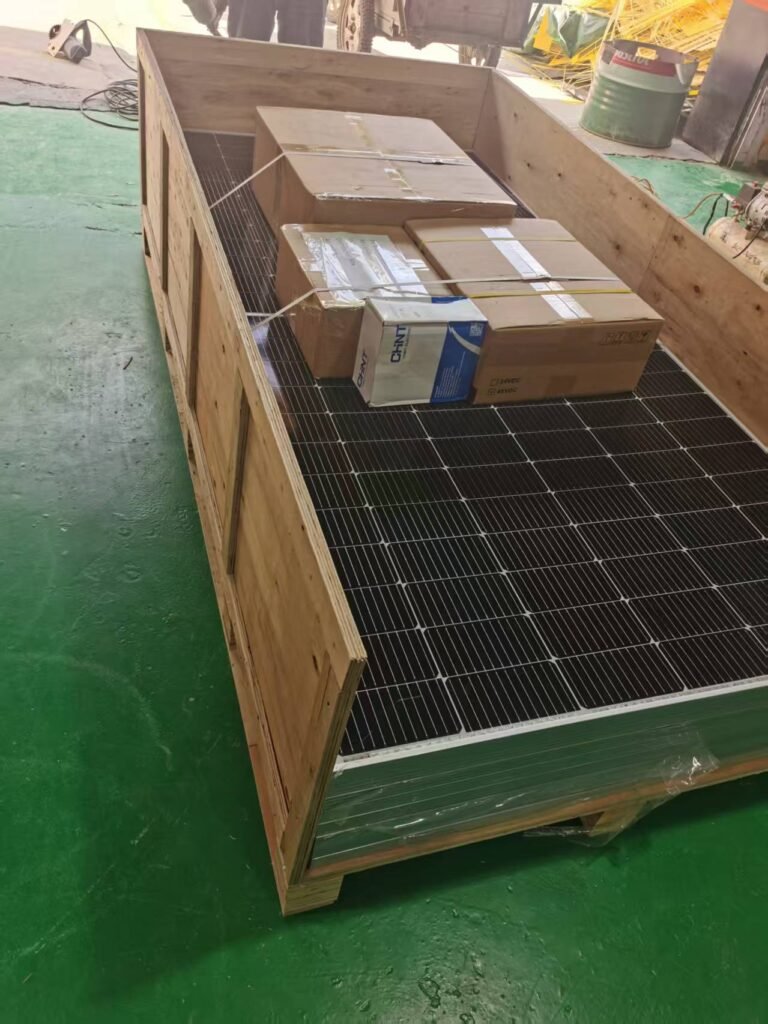
Hybrid solar systems usually cost more than basic solar setups. You pay for solar panels, batteries, and a hybrid inverter. You also need a grid connection and smart controls. All these parts make the price go up. The starting cost can seem high compared to simple grid-tied systems. You spend more money at first, but you get backup power and energy storage.
Here is a table that shows the cost differences:
| System Type | Typical Upfront Cost | Backup Power | Battery Storage |
|---|---|---|---|
| Grid-Tied Solar | Lower | No | No |
| Off-Grid Solar | Highest | Yes | Yes |
| Hybrid PV Systems | Medium-High | Yes | Yes |
You pay more at the start, but you might save later. You use less grid electricity and can get credits for extra solar energy. You also keep your home safe during outages.
Note: Ask your installer about payment plans or rebates. Some states give money back for solar and battery systems.
Maintenance
Hybrid solar systems need regular care to work well. You should check solar panels for dirt and damage. Clean them so they make more power. Batteries need checks to make sure they work safely. Look at the inverter and controls to find problems early. If you skip maintenance, your system may not work as well.
You can follow these steps for easy care:
- Clean solar panels every few months.
- Check battery health and connections.
- Look at the inverter for warning lights.
- Use the app to watch how your system works.
If you do regular care, you get steady power and fewer repairs. Your system will last longer too.
Tip: Set reminders to check your system. Regular care helps your solar power work better.
System Complexity
Hybrid solar systems have many different parts. You use solar panels, batteries, inverters, and a grid connection. You also use smart controls and apps to watch your system. This setup can seem hard if you are new to solar. You need to learn how each part works together. You may need help from a pro for setup and repairs.
Here is a list of what makes hybrid systems complex:
- Many energy sources (solar, grid, battery)
- Smart controls and apps
- Safety switches and meters
- Special wiring and setup
You get more features, but you must learn how to use them. You may spend time learning about your system. If you want something simple, a basic solar setup may be better.
Callout: Ask your installer for training. Many companies have guides and support to help you use your hybrid solar system.
Hybrid solar systems give you strong power and flexibility, but you must think about the higher cost, regular care, and system complexity. You should weigh these drawbacks against the good points to decide what is best for your home.
System Comparisons
On-Grid Overview
You use an on-grid solar system when your house connects to the utility grid. Solar panels on your roof make electricity from sunlight. You use this power for lights and appliances. If your solar panels do not make enough, you get power from the grid. When your panels make extra energy, you send it back to the grid. The electric company might give you credits for sharing extra power.
On-grid systems cost less to set up. You do not need batteries, so you save money. You do not worry about running out of power because the grid gives backup. You need less maintenance since there are fewer parts. You rely on the grid, so you lose power if there is an outage.
Tip: On-grid solar systems are good for places with steady utility service and lots of sunlight.
Off-Grid Overview
You use an off-grid power solution if you want to be fully independent from the utility grid. Solar panels make all your electricity. You store extra energy in batteries for night or cloudy days. You do not connect to the grid, so you depend on your solar panels and batteries.
Off-grid systems cost more to install. You need bigger solar arrays and more batteries. You do not pay monthly bills to the electric company. You do not lose power during blackouts because you do not use the grid. You size your system to fit your needs. You must check your batteries and panels often to keep them working.
Note: Off-grid power solutions are best for faraway places or areas with weak grid service.
Key Differences
There are big differences between on-grid, off-grid, and hybrid solar systems. Each system has its own features, costs, and how reliable it is.
Here is a table that shows the main differences:
| System Type | Cost Characteristics | Reliability Features | Scalability Aspects |
|---|---|---|---|
| Off-Grid | High cost for batteries and large solar arrays | No grid dependency; blackout immunity | Custom sizing for your needs |
| Grid-Tied | Lower equipment costs; government incentives | Power balancing; less storage needed | Easy management with grid sync |
| Hybrid | Grid access with battery backup | Enhanced stability with battery storage | Flexible integration of storage and grid support |
You can also compare on-grid and hybrid systems in this table:
| Feature | On-Grid Solar Power Systems | Hybrid Systems |
|---|---|---|
| Connection | Connected to the utility power grid | Connected to the grid with battery backup |
| Power Availability | Relies on sunlight; no power during cloudy days | Can switch between grid and battery power |
| Initial Setup Cost | Lowest among available options | Higher due to battery integration |
| Maintenance | Requires less maintenance | More equipment may require additional maintenance |
| Energy Storage | Cannot store energy for later use | Can store energy in batteries for later use |
On-grid systems cost less and are easy to care for. Off-grid systems give you full independence and no blackouts. Hybrid systems give you backup power and more choices. You pick the best system for your needs, budget, and where you live.
Callout: Think about your energy needs, how strong your local grid is, and your budget before you choose a solar power system.
Pros and Cons
You have many choices when you pick a solar system for your home. Each system has good points and bad points. You can use this guide to help you decide which system fits your needs.
Here is a table that shows the main pros and cons for on-grid, off-grid, and hybrid solar systems:
| System Type | Pros | Cons |
|---|---|---|
| On-Grid | Lower cost, easy setup, net metering credits | No backup during outages, relies on grid |
| Off-Grid | Full independence, no monthly bills | High cost, needs lots of batteries, more maintenance |
| Hybrid | Backup power, flexible energy use, cost savings | Higher upfront cost, more complex, needs regular care |
You can see that on-grid systems cost less and are simple to install. You get credits for extra solar energy. You do not have backup power if the grid fails. Off-grid systems give you full independence. You do not pay monthly bills. You need more batteries and spend more money at first. You must check your system often.
Hybrid solar systems give you backup power and flexibility. You use solar energy during the day. You store extra energy in batteries. You switch to grid power when you need it. You save money and keep your home safe during outages. You pay more at the start and must learn how to use the system.
Tip: Think about your energy needs and your budget. You can ask your installer about the best system for your home.
Here are some simple lists to help you compare:
On-Grid Pros:
- Easy to install
- Lower cost
- Net metering credits
On-Grid Cons:
- No backup power
- Depends on the grid
Off-Grid Pros:
- Full independence
- No monthly bills
Off-Grid Cons:
- High cost
- Needs lots of batteries
- More maintenance
Hybrid Pros:
- Backup power during outages
- Flexible energy use
- Cost savings
Hybrid Cons:
- Higher upfront cost
- More complex system
- Needs regular care
You can use solar power to lower your bills and help the planet. You get more choices with hybrid systems. You can use solar energy, store extra power, and stay connected to the grid. You must think about the pros and cons before you choose.
Note: You can talk to your installer about rebates or payment plans. Some states give money back for solar and battery systems.
Is a Hybrid Solar System Right for You
Common Scenarios
You might ask if a hybrid solar system is good for you. Many people pick this system to have power all the time. It helps during blackouts or when the grid is not steady. If your area has lots of outages, battery backup can help you. Some people want to use more clean energy but still need the grid for safety. Others want to pay less for electricity and control their energy use. If you want to add battery storage now or later, a hybrid solar system lets you do that.
Here are some times when a hybrid solar system is a good idea:
- You lose power and want backup energy.
- You want to keep extra solar energy for night or busy times.
- You plan to add more batteries in the future.
- You want to send extra energy to the grid and get credits.
Tip: If you want choices and peace of mind, a hybrid solar system can help you.
User Needs
Your needs are important when picking a system. Many people want to save money on their bills. Using solar energy can help you save over time. If you care about the planet, you can lower pollution by using clean energy. Some people want to avoid higher electricity prices. A hybrid solar system helps you use less from the utility company. You also help the earth by using less fossil fuel.
Here are some reasons people pick a hybrid solar system:
- Saving money each month with energy savings
- Helping the environment by lowering pollution
- Getting more energy independence from the grid
- Supporting a cleaner and greener future
Decision Factors
You should think about a few things before you choose. The inverter you pick changes how your system works and grows. Your inverter must work with net metering if you want to send energy to the grid and get credits. Battery storage is important if you want backup power or want to add batteries later. System efficiency matters because it shows how much energy you can use or save.
The table below shows what to think about:
| Factor | Description |
|---|---|
| Battery Storage | Pick a hybrid inverter if you want to add batteries now or later. |
| Net Metering Compatibility | Make sure your inverter works with the grid for sending energy. |
| System Efficiency | Choose an inverter that gives high efficiency and lets you upgrade later. |
You should also think about your budget, your local rules, and how much energy you use each day. If you want a system that can grow and gives you backup power, a hybrid solar system is a smart pick.
Note: Talk to a trusted installer to help you find the best system for your needs.
You now know that hybrid solar power systems use solar panels, batteries, and the grid together. This setup gives you steady energy for your home. Before you choose a system, think about how much energy you need and how much money you can spend. If you want to learn more or get ready to install a system, you can use these resources:
- Guides to help you find good solar installers
- Tools to help you pick the right size for your hybrid solar system
- Lessons that teach you how to use and care for your system
You can start using clean and flexible energy in your home soon.
FAQ
What is the main benefit of a hybrid solar system?
You get reliable power day and night. The system uses solar energy, batteries, and the grid. You do not lose power during outages. You also save money on your electricity bill.
Can I add more batteries to my hybrid system later?
Yes, you can add more batteries if your inverter supports it. This lets you store more energy for backup or nighttime use. Ask your installer about battery expansion options.
How long do hybrid solar batteries last?
Most hybrid solar batteries last 10 to 15 years. Lithium-ion batteries last longer than lead-acid batteries. You should check your battery health often to keep your system working well.
Will my hybrid system work during a power outage?
Yes, your hybrid system uses battery backup during outages. You keep your lights and important devices running. The system switches to batteries automatically when the grid goes down.
Do I need to clean my solar panels?
Yes, you should clean your solar panels every few months. Dust and dirt lower their efficiency. Use water and a soft brush. Clean panels make more power for your home.
Can I monitor my hybrid solar system from my phone?
You can use a monitoring app to check your system. The app shows how much energy you use, store, and send to the grid. Many hybrid systems include this feature.
Is a hybrid solar system good for all homes?
Hybrid systems work well in most homes. They help if you want backup power, lower bills, or more energy independence. You should check your roof space and budget before you decide.
What happens to extra solar energy I do not use?
Your system sends extra energy to the grid if your batteries are full. You may get credits or payments from your electric company. This process is called net metering.