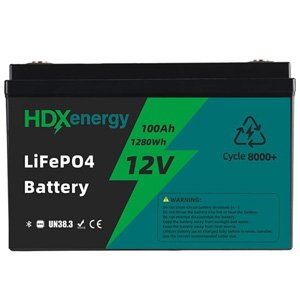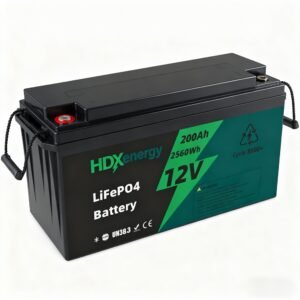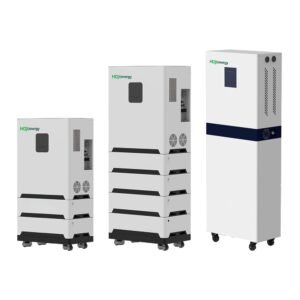
As the global energy transition accelerates, microgrids have shifted from niche experiments to mainstream infrastructure. Organizations across manufacturing, data centers, commercial real estate, campuses, remote communities, and industrial sites are all asking a similar question:
“How can we get more resilient, low‑carbon, and cost‑efficient power—without losing control or reliability?”
HDX Microgrid Energy Systems (we’ll call them HDX microgrids for short) answer this question by combining advanced control software, modular hardware, and integrated analytics into a single, orchestrated energy solution. They’re not just “a battery and some solar panels”; they’re software‑defined, data‑driven, and grid‑interactive power systems designed for the next decade of energy challenges.
In this guide, you’ll learn:
- What an HDX microgrid is and how it differs from traditional microgrids
- The key technical features that make HDX microgrid systems unique
- How HDX microgrids optimize cost, resilience, and sustainability simultaneously
- Real‑world use cases and design patterns
- How HDX microgrids compare with conventional microgrids (with tables)
- Strategic considerations for businesses evaluating microgrid investments
- Professional FAQ about HDX microgrids, integration, ROI, and scalability
1. Understanding HDX Microgrid Energy Systems
1.1 What is an HDX Microgrid?
A microgrid is a localized energy system capable of operating connected to the main grid or in “islanded” mode. It typically includes:
- Local generation (solar PV, wind, CHP, fuel cells, diesel/gas gensets, etc.)
- Energy storage (usually batteries, sometimes thermal storage)
- Loads (buildings, industrial processes, EV chargers, etc.)
- A central controller that balances supply and demand in real time
An HDX Microgrid Energy System refers to a next‑generation microgrid architecture characterized by:
- High‑Density eXchange (HDX) of energy and data
- Software‑defined control, where intelligence sits in a digital “brain” rather than only in fixed hardware logic
- Modular, vendor‑agnostic integration of generation, storage, and flexible loads
- AI‑enhanced forecasting and optimization for both cost and carbon
- Grid‑interactive capabilities, enabling participation in demand response, ancillary services, and other grid services
While different vendors may brand HDX systems differently, the underlying concept is consistent: an HDX microgrid is a digitally orchestrated, multi‑asset energy platform, not just a backup generator with solar.
1.2 Why Microgrids Are Growing – and Where HDX Fits
Several overlapping trends are driving the adoption of microgrids globally:
- Rising grid instability and extreme weather
- Tightening carbon and ESG requirements
- Volatile electricity prices, especially in regions with complex time‑of‑use tariffs
- Rapid EV adoption and high‑density electrification (heat pumps, data centers, etc.)
- Corporate net‑zero and resilience strategies
HDX microgrid systems fit into this landscape as a multi‑role energy platform that can:
- Maintain critical operations during outages
- Reduce long‑term energy costs through optimization
- Enable decarbonization via renewables and storage
- Monetize flexibility by interacting with the wider grid
Where traditional microgrids often solve one primary problem (e.g., backup power), HDX microgrids are designed to solve multiple problems at once—and adjust priorities dynamically over time.
2. Core Design Principles of HDX Microgrid Systems
What makes HDX microgrid energy systems unique isn’t just the hardware; it’s the design philosophy behind them. Five core principles typically define an HDX‑class microgrid:
- Software‑Defined Energy Orchestration
- Modular and Vendor‑Agnostic Architecture
- Data‑Driven Optimization with AI/ML
- Grid‑Interactive and Market‑Responsive Design
- Security, Compliance, and Lifecycle Manageability
Let’s explore each.
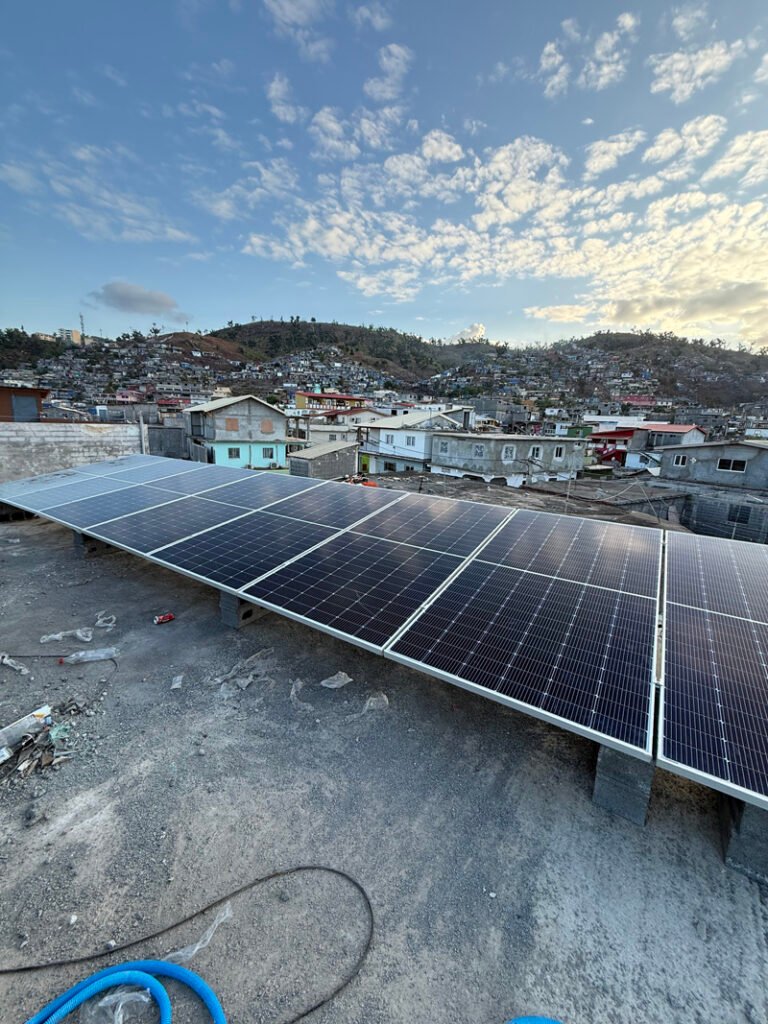
2.1 Software‑Defined Energy Orchestration
Traditional microgrids often rely on fixed control logic in hardware PLCs, with limited adaptability. HDX microgrids, by contrast, are typically software‑first:
- The central controller functions more like an energy orchestration platform than a simple relay logic system.
- Control strategies can be updated via software: firmware updates, new optimization modules, or revised tariff models.
- Rules can be “stacked,” so the system can simultaneously optimize for reliability, cost, carbon, or specific operational constraints.
This software‑defined approach enables:
- Faster commissioning and tuning
- Easier integration of new assets (e.g., adding EV chargers later)
- Continuous performance improvement via software updates
2.2 Modular, Vendor‑Agnostic Architecture
One major barrier to microgrid adoption has been vendor lock‑in. HDX microgrid systems often solve this with:
- Open, standardized communication protocols (e.g., Modbus, IEC 61850, OPC UA, SunSpec)
- A modular architecture, where new generation, storage, or loads can be added as “modules”
- Support for multi‑vendor assets, so you’re not tied to a single battery or inverter provider
This modularity means businesses can:
- Start with a smaller system and scale capacity later
- Replace under‑performing assets without rewriting the entire control scheme
- Integrate legacy assets (existing gensets, PV, BMS, SCADA) into a unified control layer
2.3 Data‑Driven Optimization with AI/ML
HDX microgrids are often described as data‑native systems. Typical capabilities include:
- Short‑term and long‑term load forecasting using machine learning
- Solar or renewable generation forecasting using weather and irradiance data
- Optimization engines that consider tariffs, demand charges, fuel costs, carbon factors, and equipment constraints
This yields several unique advantages:
- Dynamic optimization: The microgrid can decide every 5–15 minutes whether to draw from the grid, discharge batteries, curtail non‑critical loads, or use on‑site generation.
- Predictive maintenance: Analytic models detect anomalies in inverter, battery, or generator performance early.
- Scenario planning: Operators can simulate “what‑if” scenarios across different tariff structures or outage risks.
2.4 Grid‑Interactive and Market‑Responsive Design
In many regions, grid operators and utilities are transitioning from centralized to more distributed, flexible systems. HDX microgrids are built to act as active grid participants:
- Providing demand response (reducing or shifting load during grid stress)
- Offering ancillary services (frequency regulation, voltage support) where allowed
- Participating in capacity markets or local flexibility markets (in some jurisdictions)
Instead of being closed islands, HDX microgrids can become bidirectional partners with the grid, creating both:
- Resilience benefits for the host site
- System‑level flexibility and reliability benefits for the broader grid
2.5 Security, Compliance, and Lifecycle Management
As critical infrastructure, microgrids must meet cybersecurity and regulatory standards. HDX systems typically emphasize:
- Secure communications (e.g., TLS, VPN, role‑based access control)
- Segmentation between IT and OT networks
- Compliance with relevant standards (e.g., IEC 62443 for industrial cybersecurity, local grid interconnection codes)
- Lifecycle management: patching, version control, audit logs, and multi‑year support roadmaps
This is especially crucial for industrial facilities, healthcare, data centers, and campuses where uptime and compliance are non‑negotiable.
3. Technical Architecture: What’s Inside an HDX Microgrid?
While every project is customized, most HDX microgrid energy systems share a common architectural pattern.
3.1 Main Components
1. Energy Sources
- Solar PV (rooftop, ground‑mount, carport)
- Wind (where viable)
- Combined Heat and Power (CHP) or cogeneration
- Fuel cells (hydrogen or natural gas)
- Diesel or natural gas generators (for backup or peak support)
2. Energy Storage
- Lithium‑ion batteries (most common)
- LFP (lithium iron phosphate) chemistries for high cycle life and safety
- Possible integration of flow batteries or other chemistries where long‑duration storage is needed
- Optional thermal storage (ice storage, hot water tanks, phase‑change materials)
3. Loads
- Critical loads (mission‑critical processes, data center racks, hospital equipment)
- Priority loads (HVAC, core building systems)
- Flexible / non‑critical loads (EV chargers, some industrial processes, non‑essential lighting)
4. Power Conversion and Switchgear
- Inverters and converters (DC/AC, AC/DC)
- Switchgear and transfer switches
- Protection relays and breakers
- Power quality equipment (filters, harmonic mitigation, voltage regulation)
5. Control and Communication
- Central HDX controller (microgrid controller / EMS – Energy Management System)
- Local controllers for specific assets (e.g., battery EMS, genset controls, BMS)
- Network infrastructure: industrial Ethernet, fiber, cellular/IoT for remote sites
6. Data and Analytics
- Real‑time SCADA / HMI dashboards
- Historical data logging and analytics platform
- Cloud‑hosted or hybrid analytics for forecasting and optimization
4. What Truly Makes HDX Microgrid Systems Unique?
Many microgrids share the same physical elements. The uniqueness of HDX microgrid energy systems lies in how those elements are combined and orchestrated.
4.1 Multi‑Objective Optimization: Cost, Carbon, and Reliability
A key differentiator is the ability to optimize for multiple objectives at once, instead of a single fixed goal.
HDX systems can prioritize:
- Cost savings during normal operation
- Resilience and uptime during extreme weather or grid stress
- Carbon reduction to align with ESG and sustainability targets
For example, on a typical day, the system might:
- Charge batteries when tariff rates are low or solar production is high
- Discharge batteries during peak periods to avoid demand charges
- Ensure enough reserve is kept to maintain critical loads during possible grid disruptions
On a day with severe weather forecast, the system might:
- Shift strategy to maximize resilience, fully charging storage ahead of the event
- Pre‑cool or pre‑heat buildings to ride through potential outages
- Coordinate with gensets as a last resort to maintain uptime
4.2 Intelligent Load Flexibility and Prioritization
HDX microgrids often implement granular load prioritization:
- Tier 1: Critical loads (0 downtime target)
- Tier 2: Important but flexible loads (can be curtailed or shifted)
- Tier 3: Non‑essential loads (shed first during islanding or grid events)
The system can shed or reduce Tier 3 loads during peak events or outages, preserving power for Tier 1 and Tier 2. This is done automatically through:
- Smart building controls (BMS integration)
- Automated setpoint changes (HVAC, ventilation)
- EV charging management (slowing or pausing charging dynamically)
This load flexibility is central to HDX systems’ ability to reduce both cost and outage impacts.
4.3 Advanced Forecasting and Scenario Simulation
HDX microgrids typically leverage forecasting in three main areas:
- Load – using historical consumption patterns, occupancy, production schedules, and weather
- Renewables – solar irradiance, temperature, weather forecasts, historical PV performance
- Tariffs and markets – time‑of‑use rates, real‑time pricing (where applicable), demand charges, and sometimes future price curves
The controller uses these forecasts to:
- Optimize battery charging/discharging
- Schedule generator or CHP runtime
- Decide when to island or reconnect
- Evaluate the impact of participating in grid services programs
Scenario engines allow operators to ask questions like:
- “What if we add an extra 1 MWh of storage next year?”
- “What if electricity prices increase by 25%?”
- “What if we commit 1 MW to a demand response program?”
4.4 Seamless Islanding and Reconnection
Another unique aspect is the emphasis on seamless transition between grid‑connected and islanded modes:
- Automatic detection of grid anomalies (voltage/frequency deviations, outages)
- Fast, standards‑compliant disconnection (to protect utility workers and equipment)
- Smooth internal reconfiguration to maintain local voltage and frequency
- Resynchronization and reconnection once the grid is stable again
HDX systems aim to minimize:
- Flicker or voltage dips
- Unplanned blackouts during transitions
- Manual intervention needed by on‑site staff
5. HDX Microgrid vs Traditional Microgrids: Key Differences
To make the uniqueness of HDX microgrid energy systems clearer, let’s compare them against traditional or first‑generation microgrids.
5.1 Feature Comparison Table
Table 1 – HDX Microgrid vs Traditional Microgrid
| Feature / Capability | Traditional Microgrid | HDX Microgrid Energy System |
|---|---|---|
| Control Logic | Fixed, rule‑based PLCs | Software‑defined, adaptable EMS / microgrid controller |
| Optimization Objectives | Usually 1 (backup or cost) | Multi‑objective (cost, carbon, resilience) |
| Data & Analytics | Basic monitoring | Deep analytics, AI/ML forecasting, KPI dashboards |
| Integration Flexibility | Often vendor‑locked, custom integrations | Modular, vendor‑agnostic, standard protocols |
| Grid Interaction | Mainly island/parallel modes | Full grid services: DR, capacity, ancillary services |
| Load Flexibility | Limited or manual load shedding | Automated, granular load prioritization and control |
| Scalability | Hard to scale or expand | Designed for staged expansion and asset upgrades |
| Software Updates | Rare, expensive re‑engineering | Regular updates, new features via software |
| Cybersecurity & Compliance | Basic, often ad‑hoc | Structured security model and compliance focus |
| Business Model Support | Capex‑driven projects only | Supports Capex, Opex, and hybrid models (e.g., ESaaS) |
6. Performance Metrics: How HDX Microgrids Deliver Value
The value of HDX microgrid energy systems can be measured across three main dimensions:
- Economic performance
- Resilience and reliability
- Environmental impact and ESG alignment
6.1 Economic Performance
HDX microgrids typically improve the economics of on‑site power via:
- Peak shaving and demand charge reduction
- Optimized time‑of‑use arbitrage (buy low, avoid buying high)
- Reduced fuel usage for gensets through smarter dispatch
- Enhanced self‑consumption of on‑site renewables
- Participation in demand response and other incentive programs (where available)
Illustrative Economic Impact
While exact figures depend on location, tariffs, and load profile, many commercial and industrial sites see:
- 10–30% reduction in overall grid electricity costs over time
- Significant mitigation of demand charges, which can represent 30–60% of a large commercial bill in some markets
- Payback periods that are often 5–10 years, with some accelerated via incentives and tax supports (where available)
6.2 Resilience and Reliability
Resilience benefits are often harder to quantify but strategically critical. HDX microgrids provide:
- Autonomous islanding during grid failures
- Prioritized power to critical infrastructure
- Reduced outage risk for production lines, data centers, and hospitals
Typical resilience metrics include:
- Reduction in outage minutes per year
- Critical load coverage duration in island mode
- Reduced lost revenue or product spoilage compared to sites without microgrids
6.3 Environmental and ESG Performance
HDX systems contribute directly to decarbonization and ESG reporting:
- Higher renewable energy utilization rate (self‑consumption)
- Lower grid imports from high‑carbon sources (depending on region)
- Ability to track scope 2 emissions reductions and provide auditable data
Even when fossil backup generators are present, the focus is often on:
- Minimizing run hours
- Using cleaner fuels (e.g., natural gas, renewable fuels, or hydrogen blends where possible)
- Transitioning to more sustainable generation over time
7. Sample Configurations and Use Cases
HDX microgrid energy systems can be tailored to many sectors. Here are some common patterns.
7.1 Commercial Campus with EV Charging
Profile:
- Office campus or mixed‑use commercial site
- Large existing grid connection, complex tariff with demand charges
- Growing EV charging demand and corporate net‑zero goals
HDX Microgrid Solution:
- 1–5 MW rooftop/ground‑mount solar PV
- 1–4 MWh battery storage
- HDX controller integrated with BMS and EV charging management
- Automated, time‑of‑use and demand‑charge optimization
Outcomes:
- Reduced peak demand due to controlled EV charging and battery discharge
- Higher solar self‑consumption and lower grid imports at peak times
- Backup power for critical IT and building systems
7.2 Industrial Manufacturing Plant
Profile:
- High energy‑intensive processes
- Significant cost from brief outages (production losses)
- Possibly remote or grid‑constrained location
HDX Microgrid Solution:
- Combination of solar, CHP, and battery storage
- Integration with process controls to shed non‑critical loads before critical processes
- Scenario modeling to align production schedules with optimal energy availability
Outcomes:
- Reduced energy cost per unit of product
- Much lower production loss due to grid disturbances
- Clear data for sustainability reporting and process optimization
7.3 Remote Community or Off‑Grid Site
Profile:
- Limited or no grid access
- Historically reliant on diesel gensets
- High fuel logistics costs and carbon intensity
HDX Microgrid Solution:
- Solar + wind (where available) + battery storage
- Diesel generators as backup, run minimally
- HDX controller optimizing for fuel reduction and uptime
Outcomes:
- Significant diesel savings (often 30–70% reduction in fuel use)
- More stable and cleaner power
- Better quality of life and lower long‑term energy costs
8. Example Performance Snapshot (Illustrative Data)
To give you a sense of how HDX microgrid systems might perform in practice, consider the following simplified example of a commercial facility before and after HDX deployment.
Table 2 – Illustrative Pre‑ and Post‑HDX Microgrid Performance
| Metric | Before HDX Microgrid | After HDX Microgrid (Year 2) |
|---|---|---|
| Annual Grid Energy Consumption (MWh) | 10,000 | 7,000 |
| On‑Site Renewable Generation Utilization | ~40% self‑consumed | ~80% self‑consumed |
| Peak Demand (kW) | 3,000 | 2,100 |
| Annual Demand Charges (local currency) | 100% baseline | ~55–70% of baseline |
| Number of Outage Events Impacting Operations | 4 per year | 0–1 per year (with islanding) |
| Estimated CO₂ Emissions (Scope 2) | 100% baseline | ~60–75% of baseline |
| Estimated Payback Period | Not applicable | ~7–9 years (depending on tariffs) |
These numbers are illustrative, not universal. Actual performance depends on tariffs, system sizing, asset costs, and incentive frameworks.
9. Scalability and Future‑Proofing
One of the distinctive benefits of HDX microgrid energy systems is built‑in scalability.
9.1 Capacity Expansion
Because of the modular, vendor‑agnostic design:
- Additional solar can be added as rooftops or land become available.
- Battery capacity can be expanded (e.g., adding more racks or containers).
- New loads like EV fleets or production lines can be integrated into the control logic.
9.2 Software Upgrades and New Features
As regulations, market structures, and technologies evolve, HDX microgrids can:
- Receive new optimization modules (e.g., updated DR program participation logic)
- Adjust to new tariffs or real‑time pricing models
- Integrate with future DERs such as hydrogen storage or long‑duration batteries
9.3 Regulatory and Market Evolution
Regulatory frameworks for microgrids and DERs are still evolving in many countries. HDX systems are built to adapt to:
- Changes in interconnection standards
- New incentive programs or tariffs (e.g., dynamic pricing pilots)
- Emerging local flexibility markets and grid services opportunities
This future‑proofing helps ensure the system remains strategically valuable over a 10‑ to 20‑year horizon.
10. Implementation Considerations: Is an HDX Microgrid Right for You?
Before investing in an HDX microgrid energy system, organizations should evaluate several key questions.
10.1 Load Profile and Criticality
- How critical is your load?
- What is the financial and operational impact of outages?
- Does your load profile have clear peaks that can be shaved?
Facilities with high demand charges, critical operations, or frequent outages are often strong candidates.
10.2 Tariff Structures and Regulatory Environment
- Are there time‑of‑use tariffs or demand charges?
- Are renewables and storage incentives available?
- Can you participate in demand response or grid services programs?
Favorable tariff structures and supportive regulations can significantly improve ROI.
10.3 Existing Infrastructure and Assets
- Do you have existing gensets, solar, or other DERs?
- Is there an existing BMS or SCADA system?
- What is the state of your electrical distribution and switchgear?
HDX microgrids typically integrate with existing assets, but a site technical assessment is essential.
10.4 Investment Model and Financing
Common approaches include:
- Direct capital purchase (Capex)
- Energy‑as‑a‑Service (EaaS) or Power‑as‑a‑Service (Opex)
- Hybrid models (e.g., some assets owned, others contracted)
Align the microgrid project with your financial strategy, balance sheet considerations, and ESG commitments.
11. Risk Management and Cybersecurity
Because HDX microgrids sit at the intersection of IT, OT, and energy infrastructure, risk management is central.
Key risk domains:
- Technical risk – system integration, interoperability, control logic tuning
- Operational risk – staff training, procedures for islanding and reconnection
- Cybersecurity risk – protecting both control systems and data
- Regulatory risk – ensuring compliance with evolving codes and rules
HDX microgrid vendors and integrators typically provide:
- Formal cybersecurity architecture and network segmentation plans
- Role‑based access, secure remote access policies, and logging
- Redundant controllers and failover designs for critical systems
This is particularly important in sectors like healthcare, data centers, and critical manufacturing, where energy infrastructure is part of the core business continuity plan.
12. Measuring Success: KPIs for HDX Microgrid Systems
To manage an HDX microgrid like a strategic asset, you should track clear Key Performance Indicators (KPIs).
12.1 Economic KPIs
- Total energy cost savings vs baseline
- Peak demand reductions and avoided demand charges
- Revenue/credits from grid services or DR programs
12.2 Resilience KPIs
- Outage minutes avoided
- Critical load coverage during islanding events
- Number of successful islanding and reconnection events
12.3 Sustainability KPIs
- Annual CO₂ emissions reduction (Scope 2 and, where applicable, Scope 1)
- Renewable energy share of total consumption
- Fuel consumption reduction for backup generators
12.4 System Health KPIs
- Asset availability (battery, inverters, gensets)
- Number of faults or alarms per period
- Degradation metrics for batteries and other key equipment
A well‑designed HDX microgrid platform typically includes dashboards and reports for these KPIs, enabling continuous improvement.
13. Summary: Why HDX Microgrid Energy Systems Stand Out
Putting it all together, HDX microgrid energy systems are unique because they:
- Turn a microgrid into a software‑defined energy platform, not just a static backup system.
- Orchestrate multiple assets and objectives—cost, carbon, resilience—simultaneously.
- Use advanced data analytics and forecasting to optimize real‑time decisions.
- Are modular, scalable, and vendor‑agnostic, reducing lock‑in and enabling staged investments.
- Support grid‑interactive operation, unlocking additional value streams where allowed.
- Provide a secure, compliant, and future‑ready infrastructure for the next decade of energy transition.
For organizations facing volatile energy costs, rising resilience expectations, and ambitious net‑zero targets, HDX microgrid energy systems offer a robust and flexible path forward.
Professional FAQ: HDX Microgrid Energy Systems
Q1. How is an HDX microgrid different from a standard solar‑plus‑storage system?
An HDX microgrid is more than just solar plus a battery. It is a coordinated energy platform that can:
- Control and optimize multiple DERs (solar, wind, CHP, gensets, batteries)
- Prioritize and shed loads intelligently
- Island from the grid autonomously and resynchronize safely
- Participate in grid programs (demand response, ancillary services)
A simple solar‑plus‑storage system may reduce bills and offer some backup power, but it usually lacks the multi‑asset orchestration, forecasting, and grid‑interactive capabilities of an HDX microgrid.
Q2. What kind of facilities benefit most from HDX microgrid systems?
HDX microgrids are especially beneficial for:
- Industrial and manufacturing plants with high outage costs
- Commercial campuses and mixed‑use developments with complex tariffs
- Hospitals and healthcare facilities needing guaranteed power quality
- Data centers and mission‑critical IT infrastructure
- Remote or off‑grid communities and industrial operations (mines, remote campuses)
- Sites with large or growing EV charging loads
Any facility facing a combination of high energy costs, reliability concerns, and sustainability goals is a strong candidate.
Q3. How do HDX microgrids handle grid outages in practice?
When grid voltage or frequency deviates beyond defined limits or an outage is detected:
- The HDX controller disconnects the site from the grid via protective relays.
- It stabilizes internal voltage and frequency using batteries, generation, or both.
- Non‑critical loads may be automatically shed to preserve critical loads.
- The microgrid operates in island mode as long as resources allow.
- Once the grid is stable, the system resynchronizes and reconnects according to local interconnection standards.
All of this is designed to happen automatically, with minimal manual intervention.
Q4. Can HDX microgrids integrate with my existing generators and solar?
In most cases, yes. HDX microgrid architectures are intentionally vendor‑agnostic and designed to integrate with:
- Existing solar PV inverters (if compatible)
- Existing diesel or gas generators with modern controls
- Existing BMS, SCADA, and building automation systems
However, a technical assessment is required to confirm compatibility, needed upgrades, and optimal integration pathways.
Q5. How do I estimate the ROI for an HDX microgrid project?
A proper ROI analysis typically includes:
- Baseline electricity bills (energy and demand components)
- Historical outage data and estimated outage costs
- Site load profiles (ideally 15‑minute interval data)
- Local tariffs, incentives, and projected price trends
- Estimated CAPEX/OPEX for the proposed configuration
- Modeled savings from peak shaving, arbitrage, and DR participation
Most serious HDX microgrid providers will perform a detailed techno‑economic feasibility study to produce an ROI estimate and sensitivity analysis.
Q6. What is the typical implementation timeline for an HDX microgrid?
Timelines vary by complexity, but a rough range is:
- 3–6 months for smaller commercial projects (with straightforward integration)
- 6–18 months for larger or more complex industrial, campus, or multi‑site deployments
This includes design, permitting, procurement, construction, commissioning, and tuning.
Q7. How does cybersecurity work in an HDX microgrid?
HDX microgrid designs typically include:
- Network segmentation between IT and OT layers
- Encrypted communication channels and VPNs for remote access
- Role‑based access control and multi‑factor authentication
- Regular patching and firmware updates
- Logging, monitoring, and incident response processes
Cybersecurity should be addressed from the initial design stage, not as an afterthought.
Q8. Can an HDX microgrid help me reach net‑zero goals?
Yes. While not a complete solution by itself, an HDX microgrid:
- Maximizes the use of on‑site renewables
- Reduces dependence on high‑carbon grid imports (depending on region)
- Provides granular data needed for ESG reporting
- Creates the infrastructure backbone to integrate additional low‑carbon technologies over time (EVs, heat pumps, hydrogen, etc.)
When combined with broader efficiency measures and green procurement, it can be a central pillar of a net‑zero strategy.