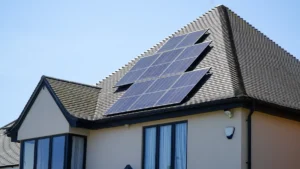
If you want the best way to keep your lights on during an outage, save money, and help the planet, you should check out Heim-Batteriespeicher. You might notice customer reviews that talk about how these systems give peace of mind. People look for honest reviews before buying, so you can do the same. Think about your energy needs and local deals to find the right fit.
Wichtigste Erkenntnisse
- Home battery storage lets you use energy from solar panels. You can use this stored energy when the power goes out. This helps you be more independent with your energy.
- A backup power system keeps important appliances working in blackouts. This gives you peace of mind.
- Battery storage can help you save money on electricity bills. You use stored energy when prices are high.
- Home battery systems help the environment. They let you use clean energy and use less fossil fuels.
- When picking a battery, think about capacity and power output. Check for safety certifications to make sure it fits your needs.
- Smart monitoring features help you watch energy use and battery health. This helps you get the best performance.
- Look for local incentives and rebates to lower installation costs.
- Talk to a certified installer for proper setup. This helps you get the most from your battery storage system.
Why Home Battery Storage Is Important
Benefits for Homeowners
Energieunabhängigkeit
You want to control your electricity use. Home battery storage helps you do this. If you have solar panels, you can save extra energy. You use this stored energy when it gets dark. This means you use less power from the grid. You can add a power generator to your system. This gives you more freedom and helps the environment. You also spend less money on electricity.
Reservestrom
Do you worry about losing power? A battery backup system keeps your lights on. It also keeps your fridge working during outages. These systems save energy for emergencies. You do not need to worry during storms or blackouts. Your backup system starts working right away. You stay safe and comfortable.
Kosteneinsparungen
Solar battery backup helps you save money. You use stored energy when prices are high. You can keep extra solar power for later. This helps you pay less for electricity. You get more from your solar panels. Many people see lower bills after installing battery storage.
Tip: If your area charges more at certain times, use your battery then to save money.
Auswirkungen auf die Umwelt
Home battery storage helps the planet. These systems make it easier to use clean energy. You can store solar, biomass, or hydropower. You use clean energy when you need it. This means you use less fossil fuel and lower your carbon footprint. More people are getting battery storage. This makes clean energy cheaper for everyone.
- Battery energy storage systems help you use more renewables and cut pollution.
- These systems let you use more solar energy, which helps the environment.
Energy Storage Trends
Energy storage is growing quickly. The market could reach $1,200 billion by 2031. New batteries last longer and are easier to recycle. More people want backup systems for their homes. These systems help with renewable energy and electric cars. Governments give tax credits to help you buy these upgrades. You get more choices and better products every year.
- Battery chemistry keeps getting better.
- Batteries last longer.
- Recycling is easier.
- Incentives and rules help you invest.
How Home Battery Storage Works
Technology Overview
You might wonder how home battery storage works. These systems have a few main parts that work together. They help keep your lights on and your bills low. Here are the important parts:
| Komponente | Beschreibung |
|---|---|
| Batteries | Store electrical energy for later use. |
| Wechselrichter | Changes direct current (DC) to alternating current (AC) for your home. |
| Control System | Makes sure the battery storage system works well and safely. |
The batteries keep energy until you need it. The inverter changes the stored power so your home can use it. The control system is like the brain. It makes sure everything works right and safely.
Types of Systems
Lithium-Ion vs. Lead-Acid
You can pick between lithium-ion and lead-acid batteries. Lithium-ion batteries are newer and more popular. They last longer and charge faster. They also take up less space. You can put them in small places, and they do not need much care. Lead-acid batteries cost less at first. But they are heavier and do not last as long. You might see them in older systems or where price is most important.
Tip: If you want a battery that lasts longer and needs less care, lithium-ion is usually best.
AC-Coupled vs. DC-Coupled
You also need to choose how your battery connects to your home and solar panels. AC-coupled systems use an inverter to change the battery’s power to AC. This matches what your home needs. These systems are good if you add a battery to a solar setup you already have. DC-coupled systems connect right to your solar panels before the power changes to AC. This setup can be more efficient. It may save you money if you install everything at once.
Integration with Solar and Grid
Your home battery works with solar panels and the electric grid. This gives you the most benefits. Here is how the main parts work together:
| Komponente | Function |
|---|---|
| Solar Module | Collects sunlight and turns it into DC electricity. |
| Microinverter | Changes DC into AC electricity your home can use. |
| Data Transfer Unit | Sends system data to the cloud so you can check it. |
| Hybrid Storage Inverter | Lets power flow both ways for charging and using the battery. |
| Battery | Stores extra solar energy or cheap grid power for later. |
| Online Monitoring System | Lets you check your solar system anytime, anywhere. |
You can save extra solar power during the day and use it at night. If your battery gets low, you can use power from the grid. Many systems let you check your energy use on your phone or computer. This helps you see how much you save and when you use the most power.
Note: A good energy storage system gives you more control, saves money, and helps you use clean energy.
Choosing a Home Battery
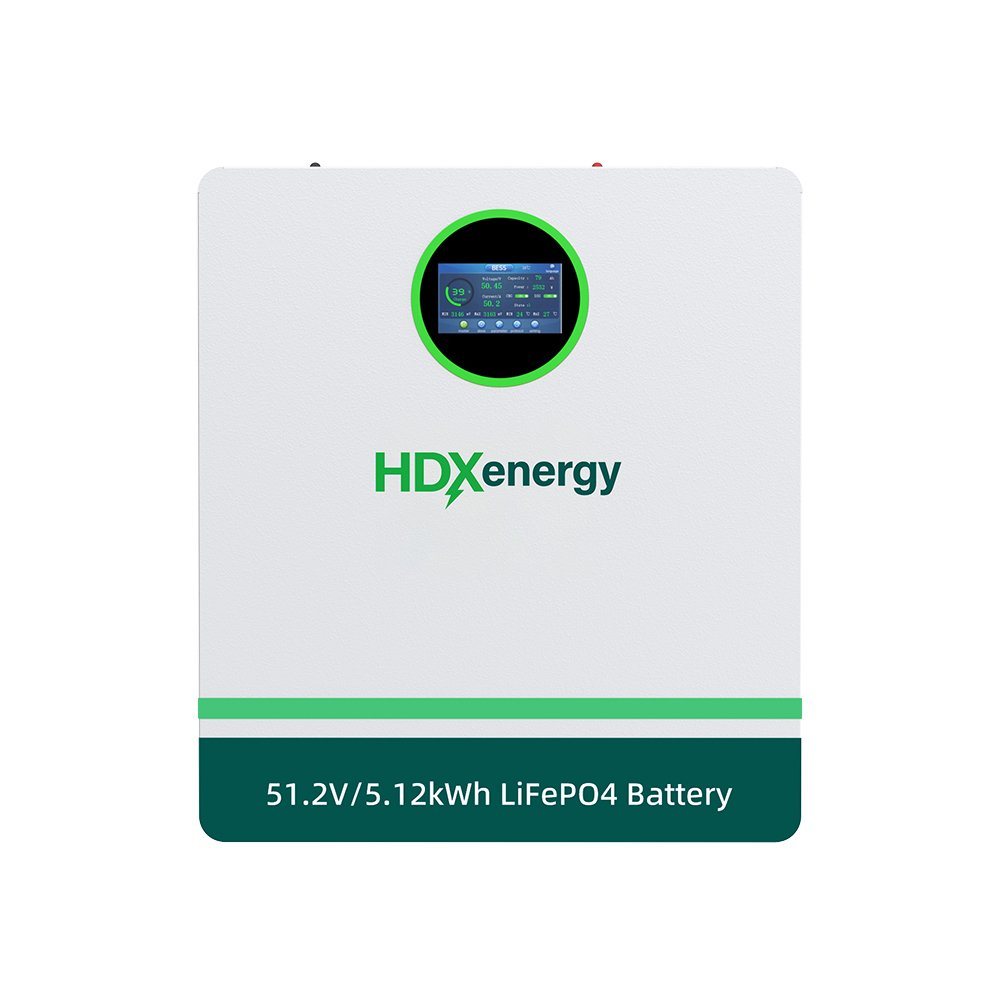
When you pick a home battery, make sure it fits your needs. There are a few things to check before you buy one. Let’s look at the most important features and what they mean for you.
Key Features
Capacity & Power Output
Battery capacity shows how much energy your battery can hold. If you want to power your whole house during an outage, you need a bigger battery. Power output tells you how many things you can use at once. Think about what you want to keep on, like your fridge, lights, and Wi-Fi. If you have a backup system, check if the battery can run your most important items.
Cycle Life & Warranty
You want your battery to last a long time. Cycle life means how many times you can charge and use the battery before it gets old. A good battery will last for thousands of cycles. Warranties show how much the company trusts their product. Look for a long warranty so you feel safe with your choice.
Safety & Certifications
Safety is very important. Check for certifications that show the battery meets safety rules. These include fire and electrical safety tests. A safe battery keeps your home and family safe. Some batteries have special features to stop overheating or fires.
Smart Monitoring
Smart monitoring lets you see how your battery is working. You can use your phone or computer to check energy use and battery health. This helps you save money and find problems early. Many home battery systems have apps that make this easy.
Here are some features that make top battery storage systems stand out:
- Works well during outages
- Lasts a long time
- Works with solar panels
- Switches between power sources easily
- Saves energy
- Smart energy controls
- Small size
- Easy to add more batteries later
- Helps the environment
- Good help after you buy
Installation Needs
Think about where you will put your battery. Some batteries are big, but others are small. Make sure you have enough space. Ask your installer if your home’s wiring can handle the new battery. If you want to add more batteries later, pick a system that is easy to grow. Always check local rules before you install a battery.
Tip: Work with a certified installer. They will help you follow safety rules and get the best from your battery.
Maintenance & Support
Taking care of your battery helps it last longer. Most batteries do not need much care, but you should check them sometimes. Good support means you get help fast if something goes wrong. Here’s what you should expect:
| Service Type | Beschreibung |
|---|---|
| Preventive & Corrective Maintenance | Regular checks, fixing parts, and quick repairs to keep things running. |
| State-of-Health (SoH) Monitoring | Always checking battery health so you know when to fix things. |
| Battery Cell Balancing & Capacity Testing | Making sure all cells work the same and testing how much energy they hold. |
| Thermal Management System Checks | Checking cooling and heating systems to stop overheating. |
| Fire Safety & Suppression System Maintenance | Testing fire alarms and safety systems for battery safety. |
| BMS (Battery Management System) Calibration | Making sure settings are right for safety and good use. |
| Integration with SCADA & EMS Platforms | Connecting battery data to other systems for easy watching. |
If you want your battery to last, ask about support and service plans. A good company will help with regular checks and answer your questions. This keeps your battery working well for many years.
Best Solar Batteries for 2025
Tesla Powerwall 3
Eigenschaften
You probably hear about the Tesla Powerwall 3 when you look for the best solar batteries. This model stands out because it packs a lot of power in a small box. You get a 13.5 kWh capacity, which means you can run your lights, fridge, and even your air conditioner for hours. The Powerwall 3 has a built-in inverter, so you do not need extra equipment. You can stack up to 10 units if you want more energy. The system works with most solar panels and lets you check your energy use on your phone.
| Merkmal | Einzelheiten |
|---|---|
| Usable Capacity | 13.5 kWh |
| Power Output | 11.5 kW peak, 5 kW steady |
| Wechselrichter | Built-in |
| Expandable | Up to 10 units |
| Monitoring | Tesla app |
Pros & Cons
Pros:
- High capacity for most homes
- Easy to add more batteries
- Simple app for monitoring
- Works well with solar panels
Cons:
- You need a certified installer
- Not the cheapest option
- May have wait times for delivery
Best Use
If you want a home solar battery that just works, the Powerwall 3 is a top pick. It fits best if you want backup power for your whole house or want to save money during peak hours. Many customer reviews say it gives peace of mind during outages. You get the most value if you already have solar panels or plan to add them soon.
Bluetti EP900
Eigenschaften
The Bluetti EP900 is a new name in the world of solar storage battery systems, but it is making waves. You get a modular design, so you can start small and add more power later. Each unit gives you up to 9.9 kWh, and you can stack them for more. The EP900 works with both new and old solar setups. It also has a smart app for tracking your energy.
| Merkmal | Einzelheiten |
|---|---|
| Usable Capacity | 9.9 kWh per unit |
| Power Output | 9 kW max |
| Modular | Yes, expandable |
| Compatibility | AC and DC-coupled |
| Monitoring | Bluetti app |
Pros & Cons
Pros:
- Modular, so you can grow your system
- Works with many solar setups
- Good power output for most homes
- User-friendly app
Cons:
- Not as well-known as other brands
- May need more space for extra units
- Fewer customer reviews than older brands
Best Use
You should consider the Bluetti EP900 if you want flexibility. It is great for growing families or if you want to start small and add more later. This system works well for homes with changing energy needs. It is also a good choice if you want to try something new in the best solar batteries market.
Enphase IQ Battery
Eigenschaften
The Enphase IQ Battery is one of the best solar batteries for homes that already use Enphase microinverters. You get a compact design and easy stacking. The IQ Battery comes in different sizes, so you can pick what fits your needs. It uses lithium iron phosphate, which is safer and lasts longer. The system gives you real-time monitoring with the Enphase app.
| Merkmal | Einzelheiten |
|---|---|
| Usable Capacity | 3.36 kWh or 10.08 kWh |
| Power Output | 1.28 kW or 3.84 kW |
| Batterietyp | Lithium iron phosphate |
| Expandable | Ja |
| Monitoring | Enphase app |
Pros & Cons
Pros:
- Safe and long-lasting battery chemistry
- Easy to add more batteries
- Works well with Enphase solar systems
- Real-time monitoring
Cons:
- Lower capacity per unit than some rivals
- Best for homes with Enphase systems
- May cost more if you need lots of storage
Best Use
If you already use Enphase solar panels, this battery is a smart pick. It is one of the best solar batteries for people who want safety and easy upgrades. You get the most from this system if you want to track your energy closely and keep your setup simple.
Tip: Always check reviews and talk to your installer before you choose. The best solar batteries for you depend on your home, your budget, and your energy goals.
Panasonic EverVolt
Eigenschaften
You might want a battery that works with almost any solar system. Panasonic EverVolt gives you that flexibility. This battery comes in different sizes, so you can pick what fits your home. You get a system that stores up to 17.1 kWh per unit. The EverVolt uses lithium-ion technology, which means it lasts a long time and needs little care. You can install it inside or outside because it handles tough weather. The EverVolt also has a smart app. You can check your energy use and see how much power you have left.
| Merkmal | Einzelheiten |
|---|---|
| Usable Capacity | 11.4 kWh or 17.1 kWh |
| Power Output | Up to 7.6 kW |
| Batterietyp | Lithium-ion |
| Installation | Indoor or outdoor |
| Expandable | Yes, stackable |
| Monitoring | Panasonic EverVolt app |
Pros & Cons
Pros:
- Works with many solar systems
- Handles hot and cold weather
- Easy to add more batteries
- Long-lasting lithium-ion cells
Cons:
- Higher price than some brands
- Needs a pro for installation
- App can feel basic compared to others
Best Use
You should look at the EverVolt if you want a reliable battery for your home. It fits well if you want backup power for storms or want to save money on your bills. The EverVolt works best for people who want a strong, flexible battery that can grow with their needs.
Canadian Solar EP Cube
Eigenschaften
You might want a battery that fits your home perfectly. The Canadian Solar EP Cube lets you build the system you need. You can start with 9.9 kWh and go up to 19.9 kWh. The EP Cube uses a thin, stackable design. Each module weighs less than 70 pounds, so you can move and install it easily. The all-in-one design includes a hybrid inverter and smart gateway. You can use it with new or old solar setups, and it works with both AC and DC-coupled systems. The EP Cube handles high-surge appliances, like air conditioners, with up to 45.6 kW output. You can check your battery and solar use with a real-time app.
| Merkmal | Beschreibung |
|---|---|
| Skalierbarkeit | 9.9 kWh to 19.9 kWh, stackable modules |
| Design | All-in-one, thin (6.25 inches), indoor/outdoor (NEMA 4X rated) |
| Installation | Lightweight, easy to install, fast setup |
| Compatibility | Works with new/retrofit, AC/DC-coupled PV systems |
| Output | Up to 119.9 kWh storage, 45.6 kW output |
| Intelligente Funktionen | Smart Gateway, real-time monitoring app |
| Personalisierung | Highly customizable for different needs |
Pros & Cons
Pros:
- Easy to customize for your home
- Simple and fast to install
- Works with many types of solar setups
- Handles big appliances with high power output
- Real-time app for easy monitoring
Cons:
- Newer product, so fewer long-term reviews
- May cost more if you want maximum capacity
- Needs a pro for setup
Best Use
The EP Cube is a great choice if you want a battery that grows with your needs. It works well for homes with big energy use or if you want to add more storage later. You get the most from this system if you want a smart, flexible battery that fits almost any solar setup.
Tip: If you want a battery that is easy to install and can power large appliances, the EP Cube stands out among solar batteries.
Anker SOLIX X1
Eigenschaften
You may know Anker for phone chargers, but they also make solar batteries for your home. The SOLIX X1 gives you a compact and modern design. You get a battery that stores up to 6 kWh per unit, and you can stack more units for extra power. The X1 uses lithium iron phosphate cells, which last longer and stay safer. You can install it inside or outside. The SOLIX X1 comes with a smart app, so you can track your energy use and battery health. It works with most solar panel systems.
| Merkmal | Einzelheiten |
|---|---|
| Usable Capacity | 6 kWh per unit |
| Power Output | Up to 6 kW |
| Batterietyp | Lithium iron phosphate |
| Installation | Indoor or outdoor |
| Expandable | Yes, modular |
| Monitoring | Anker SOLIX app |
Pros & Cons
Pros:
- Compact and stylish design
- Safe and long-lasting battery cells
- Easy to add more units
- User-friendly app
Cons:
- Lower capacity per unit than some rivals
- New to the home solar battery market
- May need more units for large homes
Best Use
The SOLIX X1 works best if you want a small, safe battery for your home. It fits well in apartments or smaller houses. You should consider it if you want a modern look and easy app controls. The SOLIX X1 is a good pick if you want to start with a small system and add more later.
Note: Anker’s SOLIX X1 brings a fresh option to the best solar batteries for 2025, especially if you want a simple and safe home solar battery.
EcoFlow Pro Delta Ultra
Eigenschaften
Do you want a battery that can do almost anything? The EcoFlow Pro Delta Ultra gives you lots of power and is very flexible. You can start with one unit and add up to five units for more storage. This system is good for big homes or if you have many appliances. You can charge it with solar panels, the grid, a gas generator, or an EV charging pile. The Delta Ultra is quiet, so you will not hear it running.
Here’s a quick look at what you get:
| Spezifikation | Einzelheiten |
|---|---|
| Maximum Battery Capacity | 6 kWh (6144 Wh) |
| Maximum Expandable | 30 kWh (up to 5 units) |
| Wechselstromausgang | 230V 50Hz, 6900W total |
| DC Output | 12.6V⎓30A, 378W max |
| USB Ports | USB-C: 100W (×2), USB-A: 12W (×2) |
| Temperature Range | -4°F to 113°F (-20°C to 45°C) |
| Noise Level | ≤30dB |
| Garantie | 5 Years |
- You can charge it with solar, grid, gas generator, or EV charging pile.
- It has high output and can run big appliances with 6900W total.
- The UPS feature keeps your home powered during outages.
Pros & Cons
Pros:
- You can add more units as your needs grow.
- It can run large appliances and back up your whole home.
- It is quiet, so it will not bother you.
- There are many ways to charge the battery.
Cons:
- It takes up more space if you use the maximum size.
- It costs more if you want a bigger setup.
- It might be too much for a small home.
Best Use
The EcoFlow Pro Delta Ultra is best if you want a strong home solar battery that can grow with your family or energy needs. It is a good choice for people who want to run big appliances or need backup for the whole house. If you want one of the best solar batteries for power and flexibility, this system is a great pick.
Alpha ESS
Eigenschaften
Alpha ESS gives you a smart way to store solar energy at home. The system is modular, so you can start small and add more batteries later. It works with most solar panels and lets you use both AC and DC coupling. Alpha ESS batteries use lithium iron phosphate cells, which last longer and are safer. You can check everything with a simple app on your phone.
- You can add more batteries if you need more storage.
- It works with new or old solar setups.
- The batteries are safe and last a long time.
- You can see real-time info with an easy app.
- It supports both AC and DC-coupled systems.
Pros & Cons
Pros:
- It is easy to add more batteries if you need them.
- The battery chemistry is safe and lasts a long time.
- The app is simple for checking your battery.
- It works with many types of solar panels.
Cons:
- You may need a pro to install it.
- It is not as famous as some other brands.
- The setup can be harder if you want advanced features.
Best Use
Alpha ESS is a good pick if you want a solar battery system that can grow with you. It is great for families who plan to add more solar panels or batteries later. If you want a safe, reliable battery you can check from your phone, Alpha ESS is a strong choice.
Sigenergy
Eigenschaften
Sigenergy uses some of the most advanced technology for home energy storage. You can pick from different options, like SigenMicro or SigenStor, each with special features. The SigenStack gives you 12 kWh per module, and you can stack up to 250 kWh if you need a lot of storage. The SigenStor is a 5-in-1 system with a PV inverter, battery, EV charger, energy management system, and power conversion system. You can set up the system fast, sometimes in just five minutes. The hybrid inverter is quiet and works in very hot or cold weather.
| Product | Key Features |
|---|---|
| SigenMicro | Patented DAB design, built-in EMS, IP67 protection, self-healing, quick setup |
| SigenStack | 12 kWh per module, up to 250 kWh, modular, high efficiency |
| SigenStor | 5-in-1 system: PV inverter, battery, EV charger, EMS, PCS, scalable to 54 kWh |
| Hybrid Inverter | Up to 99% efficiency, 200% peak output off-grid, fanless, very quiet, works -22°F to 140°F |
- SigenMicro lets you set up the system in just five minutes.
- SigenStack helps you save money and use more solar energy.
- SigenStor is the world’s first 5-in-1 energy system for homes.
- The hybrid inverter is quiet and works well in tough weather.
Sigenergy makes its products in a smart, eco-friendly factory. The company uses digital tools to check quality and lower its carbon footprint.
Pros & Cons
Pros:
- It is fast and easy to install.
- The modular design makes it easy to add more storage.
- It has advanced features like built-in energy management and EV charging.
- It is quiet and works well even in extreme weather.
Cons:
- It is a newer brand, so there are fewer long-term reviews.
- The advanced features may cost more.
- It can be more complex than basic solar batteries.
Best Use
Sigenergy is a great choice if you want the newest technology and lots of features in your home solar battery. It is good for people who like tech and want to control everything from solar panels to EV charging in one system. If you want a battery that is easy to expand and can handle almost any situation, Sigenergy is worth checking out.
Tip: If you want a system that combines solar, battery, and EV charging in one, Sigenergy gives you something special among solar batteries.
VoltX Energy
Eigenschaften
If you want a battery that is easy to use and packs a punch, VoltX Energy might catch your eye. This brand focuses on making solar batteries that are simple to install and manage. You get a modular system, so you can start small and add more storage as your needs grow. Each battery uses lithium iron phosphate cells. These cells last a long time and stay safe, even in tough weather.
Here’s a quick look at what VoltX Energy offers:
| Merkmal | Einzelheiten |
|---|---|
| Batterietyp | Lithium iron phosphate |
| Usable Capacity | 5 kWh to 20 kWh (expandable) |
| Power Output | Up to 7 kW per unit |
| Installation | Indoor or outdoor |
| Monitoring | Smart app for real-time tracking |
| Compatibility | Works with most solar panel systems |
| Sicherheit | Advanced thermal and electrical controls |
You can check your battery’s health and energy use with a simple app. The system works with most solar setups, so you do not have to worry about changing your panels. You can install VoltX Energy batteries inside your garage or outside your house. The weatherproof design keeps your system safe from rain or heat.
Pros & Cons
Let’s break down what you might like and what you should watch out for:
Pros:
- You can expand your system as your energy needs change.
- The batteries use safe, long-lasting cells.
- The app makes it easy to track your energy use.
- You can install the system indoors or outdoors.
- It works with many types of solar panels.
Cons:
- You may need a professional for installation.
- The brand is newer, so there are fewer long-term reviews.
- The price can go up if you want a lot of storage.
Tip: Always ask your installer about warranty and support. Good help can make a big difference if you ever have a problem.
Best Use
VoltX Energy fits best if you want a flexible and easy-to-manage battery for your home. You might like this system if you plan to start with a small setup and add more solar batteries later. It works well for families who want backup power during outages or want to save money by using stored solar energy at night. If you want to try one of the best solar batteries for 2025, VoltX Energy gives you a smart and simple choice.
Note: If you want a battery that grows with your needs and keeps things simple, VoltX Energy stands out in the world of solar batteries.
Home Battery Storage Comparison
Feature Comparison
You want to see how the top battery storage systems stack up. Here’s a quick table to help you compare the most important features side by side. This makes it easier to spot which one fits your needs.
| Modell | Capacity (kWh) | Power Output (kW) | Expandable | Batterietyp | App Monitoring | Indoor/Outdoor |
|---|---|---|---|---|---|---|
| Tesla Powerwall 3 | 13.5 | 11.5 / 5 | Ja | Lithium-ion | Ja | Both |
| Bluetti EP900 | 9.9+ | 9 | Ja | Lithium-ion | Ja | Both |
| Enphase IQ Battery | 3.36 / 10.08 | 1.28 / 3.84 | Ja | Lithium iron phosphate | Ja | Both |
| Panasonic EverVolt | 11.4 / 17.1 | Up to 7.6 | Ja | Lithium-ion | Ja | Both |
| Canadian Solar EP Cube | 9.9–19.9 | Up to 45.6 | Ja | Lithium-ion | Ja | Both |
| Anker SOLIX X1 | 6+ | Up to 6 | Ja | Lithium iron phosphate | Ja | Both |
| EcoFlow Delta Ultra | 6–30 | Up to 6.9 | Ja | Lithium iron phosphate | Ja | Both |
| Alpha ESS | 5+ | Varies | Ja | Lithium iron phosphate | Ja | Both |
| Sigenergy | 12–250 | High | Ja | Lithium iron phosphate | Ja | Both |
| VoltX Energy | 5–20 | Up to 7 | Ja | Lithium iron phosphate | Ja | Both |
Tip: If you want a system that grows with your family, look for one that is expandable and easy to monitor.
Price & Value
You probably wonder which battery gives you the best deal. Prices change based on size, features, and brand. Here’s what you can expect:
- Tesla Powerwall 3: Around $9,000–$11,000 installed. You get high capacity and a trusted name.
- Bluetti EP900: Starts near $7,000. Good for flexible setups.
- Enphase IQ Battery: $6,000–$12,000 depending on size. Works best with Enphase solar.
- Panasonic EverVolt: $10,000–$15,000. You pay more for reliability.
- Canadian Solar EP Cube: $8,000–$14,000. Great for custom setups.
- Anker SOLIX X1: Starts at $5,000. Good value for small homes.
- EcoFlow Delta Ultra: $6,000–$13,000. Flexible and quiet.
- Alpha ESS: $6,000–$12,000. Modular and safe.
- Sigenergy: $10,000 and up. Packed with features.
- VoltX Energy: $5,000–$10,000. Simple and easy to expand.
You get the most value for money when you match your battery storage system to your real needs. Don’t just pick the cheapest or the biggest. Think about what you want to power and how often you need backup.
Real-World Performance
You want a battery that works well every day, not just on paper. Many reviews say Tesla Powerwall 3 and Enphase IQ Battery perform well during outages and save money on bills. Panasonic EverVolt and Canadian Solar EP Cube also get high marks for reliability and easy use. If you want the best for home energy storage, look for systems with strong warranties and good customer support. Real-world performance often depends on your installer and how you use your battery. Always check local service and ask neighbors about their experience.
Note: The right home battery storage can give you peace of mind, lower bills, and more control over your power.
Costs and Financing
Incentives & Rebates
You might want to know if you can save money with a home battery backup. There is good news! Many places give you rebates and incentives to help lower the cost. These programs help you start using clean energy and keep your home safe during blackouts.
One well-known program is the Solar for Rakyat Incentive Scheme, or SolaRIS. If you sign up for Net Energy Metering from April 2024 to April 2025, you can get a rebate one time. You could get up to RM4,000 for your solar setup. The rebate gives you RM1,000 for each kWac you install, but only up to RM4,000. This helps you save more money when you add solar panels and a battery backup.
Here’s what SolaRIS gives you:
- You get a one-time rebate up to RM4,000 for home solar.
- You get RM1,000 for each kWac, up to RM4,000 for each person.
- You must apply for Net Energy Metering and finish your system by April 30, 2025.
SolaRIS wants more people to use solar power at home. The goal is to make 70% of Malaysia’s electricity come from renewables by 2050. You help the earth by cutting carbon and using clean energy. If you add a home battery backup, you can store extra solar power and use it when the lights go out. This backup keeps your lights and fridge on when the grid fails.
Rebates and incentives can change every year. You should ask your local installer or check government websites to see what deals you can get. Some programs give you tax credits. Others give you cash back or discounts on equipment. These offers help you start using solar and battery storage at home.
Tip: Ask your installer about rebates and incentives before you buy. You could save thousands and make your system cost less.
Finanzielle Optionen
You might feel excited about getting a home battery backup, but the price can seem high. The good news is you have many ways to pay for your battery backup system. You do not have to pay everything at once. Many homeowners use financing to make the cost easier to handle.
Here is a table to help you see the most common financing options for a home battery backup:
| Financing Option | Beschreibung |
|---|---|
| Outright Purchase | You pay the full price upfront. You own the system right away and do not have monthly bills. |
| Credit Card 0% Instalment | You use a credit card that lets you pay in small amounts over time, often with no interest. |
| Personal Loan | You borrow money from a bank or lender. You pay it back in monthly payments with interest. |
| Rent-to-Own | You lease the system. After a set time, you own it. This spreads out the cost and gives you ownership. |
| Home Financing | You use a loan tied to your home, like a home equity loan. This can offer lower rates. |
| Credit Card | You pay with a regular credit card. This gives you flexible payments, but watch for interest. |
You can pick the option that fits your budget and comfort level. Some people like to pay everything at once to avoid extra fees. Others want to spread out payments so they can keep more cash for other needs. If you choose a personal loan or home financing, you often get better rates than a regular credit card. Some banks even offer special loans just for solar and battery storage.
Rent-to-own plans work well if you want a backup system but do not want to commit to a big payment right away. You make monthly payments, and after a few years, the system is yours. This can help you get started with clean energy without waiting.
Credit card 0% instalment plans are popular for smaller systems. You pay a set amount each month, and you do not pay interest if you finish payments on time. This makes it easy to manage your money.
Tip: Always check the terms before you sign up for any financing. Look for hidden fees or early payment penalties. Ask your installer if they work with banks or lenders who offer deals for home battery backup.
When you look at value for money, think about more than just the monthly payment. A good financing plan can help you get a battery backup system that protects you during power outages and saves you money over time. You get peace of mind and more control over your energy use.
If you want to make the most of your investment, talk to your installer about all your options. They can help you find a plan that fits your needs and helps you start using clean energy sooner.
Practical Selection Advice
Assessing Needs
You want a home battery backup that fits your life. Start by thinking about what you need most. Do you want to keep your lights on during a storm? Maybe you want to save money on your electric bill. Some people want both. Make a list of the things you want to power if the grid goes down. This could be your fridge, Wi-Fi, or medical devices. Add up how much energy these things use in a day. This helps you pick the right size for your battery backup system.
Ask yourself a few questions:
- How often do you lose power?
- Do you have solar panels or plan to get them?
- How much space do you have for a battery?
- Do you want to add more batteries later?
If you use a lot of power or want to run big appliances, you need a bigger battery. If you only want to keep a few things running, a smaller system works fine.
Matching Features
Now, match your needs to the features of each energy storage system. Look at the type of battery, how long it lasts, and how safe it is. Here’s a table to help you compare the main types:
| Factor | Lead-Acid Battery | Lithium-Ion Battery | Flow Battery |
|---|---|---|---|
| Technology | Flooded or sealed; AGM, Gel | Lithium iron phosphate, nickel manganese cobalt | Redox, hybrid, and membraneless; saltwater, iron |
| About | Oldest and cheapest storage technology | Most common with superior energy density | Eco-friendly technology with liquid solution |
| Anwendungen | Backup power, vehicles, small DIY solar | EVs, residential & commercial solar | Large-scale energy storage |
| Sicherheit | Generally safe, but hazardous if mishandled | Safest with built-in management features | Safe performance with low fire-risk |
| Lifespan | Short | 3–7 years depending on technology | 8–20+ years depending on usage |
If you want a battery that lasts longer and stays safe, lithium-ion is a smart pick for most homes. Lead-acid batteries cost less but do not last as long. Flow batteries work best for big buildings, not homes.
Check if the system has smart monitoring. This lets you see how much power you use. Look for a warranty that covers many years. Make sure the battery works with your solar panels or can connect to the grid.
Tip: Always choose a battery backup system that matches your daily needs and fits your home.
Working with Installers
You do not have to figure everything out alone. A good installer helps you pick the best home battery backup for your house. They check your wiring, measure your space, and answer your questions. Ask for their license and see if they have done jobs like yours before.
Here’s how you can work well with your installer:
- Share your list of must-have devices.
- Ask about local rules and permits.
- Get a clear price quote.
- Ask about support after the install.
A trusted installer makes sure your backup system works safely and gives you peace of mind. They also help you use rebates or incentives in your area.
Note: Take your time to find an installer you trust. Good help makes your energy storage system last longer and work better.
Mistakes to Avoid
You want your home battery backup to be worth the money. You can stop problems if you know what to look for. Many people buy a battery backup system too fast. They do not think about what they really need. You do not have to make these mistakes.
Here are some mistakes you should not make:
- Ignoring Your Actual Power Needs
You might want to buy the biggest battery. Bigger is not always better. If you only need lights and your fridge, you do not need a huge battery. Think about what you want to use during a power outage. Make a list and check how much energy each thing uses. - Skipping Professional Advice
You may think you can set up the battery yourself. Home battery backup systems need an expert to install them. A certified installer checks your wiring and follows local rules. They make sure your system is safe. If you skip this, you could have problems later. - Overlooking Incentives and Rebates
You could lose money if you do not ask about rebates or incentives. Many places give deals for solar and battery backup systems. Always check with your installer or local government before you buy. - Choosing the Wrong Location
You need to pick a safe place for your battery. Some people put their battery in a wet basement or outside with no cover. Batteries need a dry and cool spot. Ask your installer where to put it. - Forgetting About Maintenance
You might think your battery will work forever with no care. Every system needs regular checks. If you forget maintenance, you could lose power when you need it most. Set reminders to check your battery and plan service visits. - Not Reading the Warranty
You should always read the warranty before you buy. Some warranties only pay for parts, not labor. Others have rules about who can fix your battery. If you do not understand your warranty, you might pay more for repairs.
Tip: Ask your installer to explain the warranty and service plan. This helps you avoid surprises.
Here’s a quick table to help you remember what not to do:
| Mistake | Why It Matters | How to Avoid |
|---|---|---|
| Buying too big/small | Wastes money or leaves you unprepared | Match battery to your needs |
| DIY installation | Safety risks, may void warranty | Hire a certified installer |
| Ignoring incentives | Misses savings | Ask about rebates |
| Poor placement | Damages battery, lowers performance | Choose safe location |
| Skipping maintenance | Shortens battery life | Schedule regular checks |
| Not reading warranty | Unexpected costs | Review warranty details |
If you do not make these mistakes, your battery backup will work well and last longer. You save money, stay safe, and feel calm during power outages.
You have seen how home battery storage can keep your home safe and save you money. The best systems offer strong backup, easy controls, and room to grow. Before you buy, check reviews and think about your needs, budget, and local deals. My top recommendation? Talk with a trusted installer and learn about your options. You will enjoy peace of mind for years to come.
FAQ
How long does a home battery last during a power outage?
Most home batteries keep your lights and fridge on for 8 to 24 hours. The exact time depends on your battery size and what you power. You can add more batteries if you want longer backup.
Can I use a home battery without solar panels?
Yes, you can. Home batteries store energy from the grid, not just solar panels. You can use stored power during outages or when electricity costs more.
Do home batteries need a lot of maintenance?
You do not need to do much. Most modern batteries need only simple checks. Use the app to watch battery health. Ask your installer about yearly service for best results.
Will a home battery lower my electric bill?
Yes, it can. You use stored energy when rates are high. This helps you save money. If you have solar panels, you use more of your own power and buy less from the grid.
Is it safe to install a battery in my garage?
Most home batteries work safely in garages. Make sure the area stays dry and cool. Always follow the installer’s advice. Some batteries work outside, too.
How do I know what size battery I need?
List what you want to power during an outage. Add up their energy use. Your installer can help you pick the right size. Bigger homes or more devices need larger batteries.
What happens if my battery runs out during a blackout?
If your battery runs out, your home switches back to the grid—if it is working. If the grid is down, you wait until your battery recharges from solar panels or the grid returns.
Can I add more batteries later?
Yes, most systems let you add more batteries. This helps if your energy needs grow. Ask your installer about expandable options before you buy.