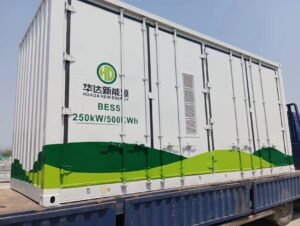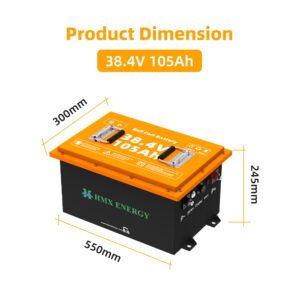
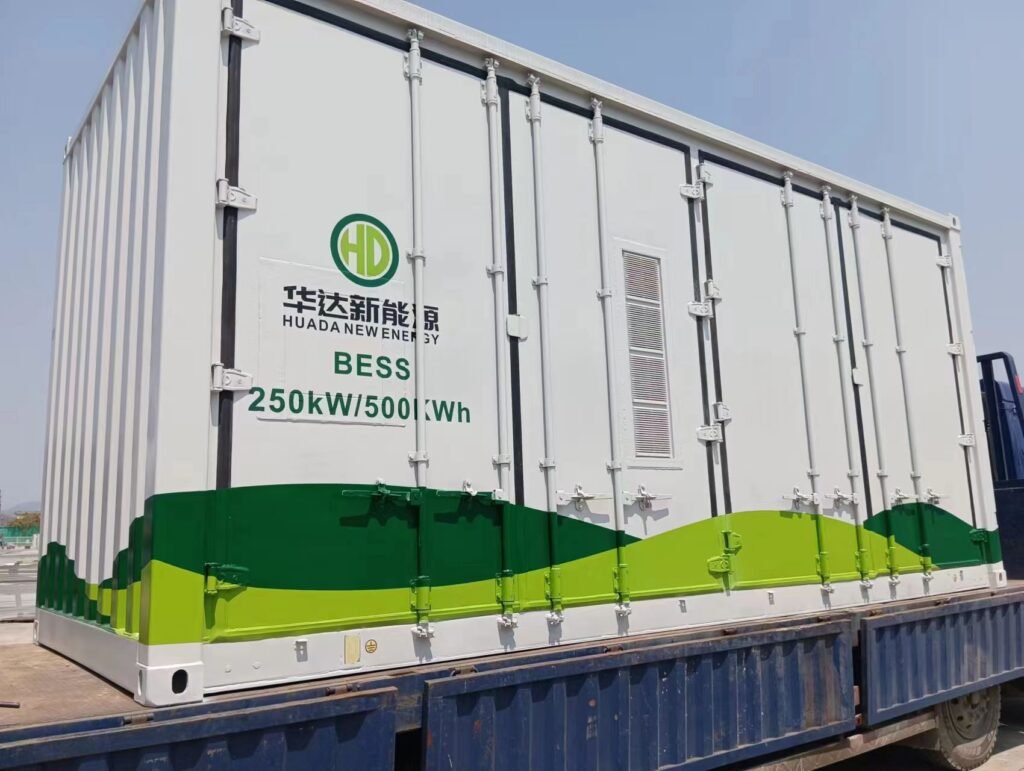
When you pick a Microgrid UPS, you get more than backup power. Each choice has different strengths for your needs. Some systems, like Virtual Utility®, give steady power and store energy. They help you use energy better and support renewable sources. Other options, like the R3Di System, work with or without the main grid. They help you set clear ESG goals. The table below shows how these UPS types meet operational, economic, and sustainability goals for your microgrid:
| UPS Type | Operational Benefits | Economic Benefits | Sustainability Benefits |
|---|---|---|---|
| Virtual Utility® | Gives steady power and stores energy | Helps you use energy without losing power | Supports renewable energy without losing reliability |
| R3Di System | Works with or without the main grid | Lets you make flexible power deals | Helps you set and track ESG goals |
Wichtigste Erkenntnisse
- Pick a UPS that fits your microgrid’s size and power needs. This helps it work well.
- Think about the total cost, not just the first price. Include maintenance and how efficient it is.
- Choose systems that use renewable energy sources. This makes your microgrid greener and saves money.
- Make sure your UPS follows safety rules and local laws. This keeps you safe and avoids legal trouble.
- Plan for growth by picking UPS solutions that can grow with you. They can handle more energy if needed.
- Use battery recycling programs to help the environment. This supports your sustainability goals.
- Add smart features for monitoring and managing your system. This keeps your UPS reliable and efficient.
- Look at different battery types to find the best one. Pick what fits your microgrid’s energy storage needs.
Key Features for Microgrid UPS
When picking a microgrid UPS, you should check if it fits your needs. These systems must handle loads that change. They must work with or without the main grid. They must keep power steady all the time.
Microgrid Demands
Load Profiles
Microgrids support many kinds of equipment. Some devices use lots of power at once. Others use less power. Your UPS must match the highest power demand. This keeps all your equipment safe during busy times. Batteries are important. They store energy and give it when your microgrid needs more help.
Interaktion im Netz
Microgrids can connect to the main grid or run alone. You need a UPS that switches fast between these ways. This is called islanding. A good microgrid UPS keeps power on if the main grid stops. Batteries help smooth changes when you connect or disconnect from the grid. They also let you use more renewable energy. This makes your system greener.
UPS Performance Criteria
Response Time
Fast response time is very important for microgrid UPS. When power goes out, your UPS should react in seconds. This keeps your equipment safe and your work going. Batteries give backup power right away. That is why they are used in microgrid UPS systems.
Power Quality
You want your microgrid to give clean, steady power. Power quality means your devices get the right voltage and frequency. A good UPS keeps power quality high even if the grid has problems. This protects sensitive equipment and lowers downtime.
Tip: Choose UPS solutions with high efficiency. Some models, like Eaton 93PS, reach up to 97% efficiency in double-conversion mode and up to 99% in eco mode. High efficiency cuts your energy costs and helps your microgrid work better.
Scalability and Redundancy
Your microgrid may get bigger over time. You need a UPS that can grow as you add more loads or batteries. Modular UPS lets you add more units as your needs change. Redundancy matters too. If one part fails, another can take over. This keeps your microgrid reliable and lowers the risk of outages.
When picking a microgrid UPS, look for smart features like SNMP protocol support. These features help you watch and manage your system from anywhere. You can find problems early and keep your microgrid running well.
Microgrid UPS Solutions Compared
Battery-Based UPS
Battery-based UPS gives backup power to your microgrid. These systems use batteries to store energy. They give you power when you need it most. You can use them with renewable energy sources. They work with the main grid or alone.
Lithium-Ionen vs. Blei-Säure
You often pick lithium-ion or lead-acid batteries. Each battery has good and bad points. The table below shows how they compare:
| Attribute | Lithium-Ion Batteries | Lead-Acid Batteries |
|---|---|---|
| Lebenserwartung | 2,000 to 5,000 cycles | Fewer cycles |
| Effizienz | 90-95% | 70-80% |
| Kosten | Higher upfront cost, but more cost-effective over time | Geringere Anfangskosten |
Lithium-ion batteries last longer than lead-acid batteries. You can use them for many charge cycles. They are more efficient, up to 95%. Lead-acid batteries cost less at first. They do not last as long. They waste more energy when charging and discharging. If you want to save money over time, lithium-ion batteries are best. They work well for microgrids that cycle often.
Flow Batteries
Flow batteries are another choice for microgrid UPS. These batteries store energy in liquids. You can make them bigger by adding tanks. Flow batteries last a long time. They handle many charge cycles without losing much power. They are good for large microgrids. You can use them to store energy for hours. Flow batteries help support renewable energy. They keep your microgrid stable during long outages.
Flywheel UPS
Flywheel UPS uses spinning wheels to store energy. You get power right away if the grid fails. Flywheel systems do not use chemicals. You do not worry about fire or explosion. You can cycle them many times without wearing them out. Flywheel UPS helps keep the grid stable. It supports renewable energy in your microgrid. You need to pay more at first. You must check if the system fits your equipment.
| Vorteile | Challenges |
|---|---|
| Unlimited cycling capability | Initial investment required |
| No fire or explosion risk | Integration with existing systems |
| No hazardous materials needing special disposal | |
| Improves grid stability | |
| Supports renewable energy integration |
Line-Interactive UPS
Line-interactive UPS gives a balance of cost and performance. These systems adjust voltage. They keep your microgrid running during short outages. You can use them for small microgrids or less important loads. They use batteries for backup power. They switch quickly when the grid has problems.
Drooping Control Methods
Drooping control helps line-interactive UPS share loads. This method balances power from different sources. Drooping control keeps voltage and frequency steady. It works even if you add more batteries or energy sources. You get better reliability and smoother operation.
Note: Some high-density UPS, like IntelliShield Series, use advanced controls. These controls manage power flow and improve performance in microgrids.
You can pick from many UPS solutions for your microgrid. Each type fits different needs. Think about your load size and how often you cycle batteries. Also, think about how much you want to spend. The right UPS helps your microgrid use renewable energy. It keeps your system reliable and saves money over time.
Generator-Integrated UPS
Generator-integrated UPS gives your microgrid strong backup power. You can use these systems for long outages. They work well where the grid is not stable. You can mix them with other solutions to make your microgrid more reliable.
Diesel and Gas Integration
You can choose diesel or gas generators for your UPS. Diesel generators start quickly and give steady power. Gas generators use natural gas or biogas. They make less pollution than diesel generators. Gas generators help you lower your carbon footprint.
Here is a table to compare diesel and gas generators:
| Merkmal | Diesel Generators | Gas Generators |
|---|---|---|
| Startup Time | Schnell | Schnell |
| Fuel Type | Diesel | Natural Gas/Biogas |
| Emissionen | Höher | Unter |
| Wartung | Regular | Regular |
| Use with Renewables | Ja | Ja |
You can use generator-integrated UPS with batteries. Batteries give you power right away. The generator starts if the outage lasts longer. You get power during short and long outages. You can use renewable energy sources with this setup.
Tip: Check local rules before you install diesel or gas generators. Some places have strict rules about emissions and noise.
Hybrid UPS Solutions
Hybrid UPS solutions mix different power sources. You can use batteries, generators, and supercapacitors. These systems give you more choices for your microgrid. You can switch between sources to save money and energy.
Multi-Source Integration
Multi-source integration means using more than one power source at once. Batteries help during short outages. Generators help during long outages. You can add solar or wind energy. This setup helps you use less fuel and lower costs.
Here are some benefits of hybrid UPS solutions for microgrids:
- You get high reliability. If one source fails, another takes over.
- You can use more renewable energy sources.
- You can lower your energy bills by picking the best source.
- You can grow your microgrid by adding new sources.
Hybrid UPS solutions use smart controls. These controls pick the best power source for your needs. Some systems use fuzzy logic to make fast decisions. You get smooth power and less downtime.
Note: Hybrid UPS solutions work well with advanced battery technologies. You can use lithium-ion, lead-acid, or flow batteries. Each type gives your microgrid different benefits.
Think about your needs before you pick a hybrid UPS. Look at your load size, how often you use batteries, and your budget. You can build a strong and flexible microgrid with the right mix of solutions.
Energy Storage Systems in Microgrids
Energiespeichersysteme are very important for every microgrid. You need the right system to keep power steady and reliable. These systems save energy and give it back when needed. You can pick from different batteries and supercapacitors. Each choice works best for certain microgrid needs.
Battery Technologies
Lithium-Ion
Lithium-Ionen-Batterien hold a lot of energy and last long. They fit in small spaces, so they are good for tight areas. These batteries work well with solar panels and other renewables. They help you use energy better and reach green goals. You can use lithium-ion batteries many times before they wear out. They are also very efficient, so you lose less energy when charging or using them.
Blei-Säure
Lead-acid batteries cost less at first. People use them for simple microgrid UPS setups. They do not last as long as lithium-ion batteries. They are less efficient, so you lose more energy each time you use them. If your microgrid uses batteries a lot, you may need to replace them more often.
Flow Batteries
Flow batteries store energy in liquid. You can make them bigger by adding tanks. These batteries last a long time and can be used many times. Flow batteries are good for big microgrids that need to store energy for hours. They help keep your microgrid working during long outages.
Here is a table that compares common energy storage systems:
| Energy Storage System | Round-Trip Efficiency | Lifespan (Charge Cycles) |
|---|---|---|
| Lithium-Ion | 90-95% | 2,000 – 5,000 |
| Blei-Säure | 70-80% | N/A |
| Flow Batteries | N/A | Up to 10,000 |
Supercapacitors in DC Microgrids
Supercapacitors store energy and release it very fast. You can use them in DC microgrids to make UPS work better. Supercapacitors react quickly to sudden changes in power. They help your microgrid handle short bursts or drops in energy use. You can use supercapacitors with batteries for both quick and long-term energy storage. This mix makes your microgrid more reliable and flexible.
Tip: Supercapacitors last longer than batteries. You can use them many times without losing strength.
Comparative Suitability
You should think about a few things when picking energy storage for your microgrid UPS:
- Fast response is important when you need quick power during busy times or when renewables change.
- Lithium-ion batteries hold a lot of energy, which helps if you have little space.
- Longer battery life means you do not have to replace them as much and helps the environment.
- Good cooling keeps your system safe and working well, especially with more renewables.
You can use new battery types and supercapacitors together for the best results. This gives your microgrid strong, flexible, and efficient energy storage. You get steady power for all your microgrid needs and help the planet by using cleaner energy.
Economic and Performance Factors
Cost and ROI
Initial Investment
When you pick energy storage for your microgrid, think about the first cost. Lithium-ion batteries usually cost more at the start than lead-acid batteries. Flow batteries can also be expensive when you buy them. Flywheel systems and hybrid solutions need more money up front because they use new technology. You should check how much money you can save over time with these systems. Using renewable energy can help lower your bills and help you get your money back faster.
Wartung
You also need to think about how much it costs to keep these systems working. Lead-acid batteries need more checks and water refills. Lithium-ion batteries need less care, so you spend less on maintenance. Flow batteries last longer and do not need as much work. Flywheel systems have few moving parts, so you do not need to fix them often. Good maintenance helps you avoid big repairs and keeps your microgrid running well.
Tip: Regular checks and smart monitoring tools help you find problems early. This keeps your energy storage safe and saves you money.
Efficiency and Lifespan
Energy efficiency means how much power you can use after storing it. Lithium-ion batteries are very efficient, so you lose less power. Flow batteries and supercapacitors also work well. Lead-acid batteries lose more energy each time you charge and use them. If you want to save energy and money, pick systems with high efficiency.
How long your energy storage lasts is important too. Lithium-ion batteries can last for thousands of cycles. Flow batteries can last even longer. Supercapacitors can work for many years without losing strength. If you pick systems that last a long time, you do not need to replace them often. This helps you save money and supports clean energy.
Reliability and Downtime
Power reliability is very important for your microgrid. If your Energiespeicherung fails, you can lose power and have big problems. In data centers, UPS systems try for almost no downtime each year. Hospitals need power all the time because even a short loss can be dangerous. Some outages can cost a lot of money every hour. You need strong energy storage to keep your microgrid safe and your costs low.
- High reliability means your microgrid has less downtime.
- Good energy storage protects your equipment and data.
- You avoid high costs from outages and repairs.
If you use strong energy storage, you can trust your microgrid to work when you need it. This helps you use more renewable energy and reach your energy goals.
Note: Reliable energy storage helps keep power steady and your community safe.
Integration and Regulatory Issues
Microgrid Control Compatibility
You need your microgrid to work with many control systems. These systems help you manage power and switch sources. They keep everything running smoothly. When you add energy storage, check if it connects to your control system. Some systems use open protocols like Modbus or SNMP. These let you connect batteries, generators, and solar panels easily. If your controls do not match, you might have problems with power flow or safety.
Tip: Always ask your supplier if their energy storage systems support your control platform. This step saves you time and money later.
Standards and Certification
You must follow rules when you build or upgrade a microgrid. These rules keep your system safe and legal. Standards and certifications help you pick the right equipment and avoid fines.
IEEE, UL, Local Codes
- IEEE Standards: These rules guide how you connect energy storage systems and other devices. IEEE 1547 is important. It tells you how to link your system to the grid.
- UL Certification: UL checks products for safety. You should use energy storage systems with UL 9540 or UL 1973 labels. These labels show the system passed safety checks.
- Local Codes: Your city or state may have extra rules. Some places want fire safety plans. Others limit where you can put batteries or generators.
Make a checklist for all standards before you start your project. This helps you avoid delays and extra cost.
| Standard/Code | What It Covers | Warum es wichtig ist |
|---|---|---|
| IEEE 1547 | Grid connection rules | Safe, stable operation |
| UL 9540 | Energy storage safety | Protects people/property |
| Local Codes | Site-specific requirements | Legal compliance |
DER Interoperability
DER means Distributed Energy Resources. These include solar panels, wind turbines, and energy storage systems. You want all these parts to work together. This is called interoperability. Good integration lets you add new energy storage without changing your whole setup. You save money and get more value from your microgrid.
Look for systems that use open communication standards. These make it easy to add or replace parts. If you plan for interoperability, you can grow your microgrid as your needs change.
Note: Interoperable energy storage systems help you use more renewable energy and keep your power reliable.
Cybersecurity
You need to protect your microgrid from cyber threats. Hackers can target energy storage systems and cause big problems. If someone gets into your system, they can turn off your power or damage your equipment. You must keep your energy storage systems safe to make sure your microgrid works well.
Start by using strong passwords for all your devices. Change these passwords often. Do not use easy words or numbers. You should also update your software when new versions come out. Updates fix bugs and close security holes. If you skip updates, hackers can find ways to break in.
Many energy storage systems connect to the internet. This makes it easy for you to check your system from anywhere. It also means hackers can try to get in from far away. You should use firewalls to block unwanted traffic. Firewalls act like guards at the door. Only trusted users can get through.
Tip: Train your team to spot fake emails and scams. Many attacks start with a simple email. If your team knows what to look for, you can stop problems before they start.
You should also use encryption. Encryption scrambles your data so only people with the right key can read it. This keeps your energy storage systems safe even if someone steals your data. You can ask your supplier if their products use encryption.
Here is a table to help you remember key steps for cybersecurity in energy storage systems:
| Step | Warum es wichtig ist |
|---|---|
| Strong Passwords | Stops easy break-ins |
| Software Updates | Fixes bugs and closes security holes |
| Firewalls | Blocks unwanted traffic |
| Encryption | Protects your data |
| Staff Training | Stops scams and fake emails |
You should plan for the future. Cyber threats change all the time. You need to check your energy storage systems often. If you find a problem, fix it right away. This helps you avoid high cost from downtime or damage. Good cybersecurity also helps with integration. When you add new devices, you want them to be safe from the start.
If you follow these steps, you can keep your microgrid safe. You protect your energy storage systems, lower your risk, and control your cost. Strong cybersecurity makes your integration smoother and keeps your power on.
Sustainability and ESG for Microgrid UPS
Auswirkungen auf die Umwelt
Battery Recycling
You should think about what happens to batteries when they are used up. Many energy storage systems use batteries that can be recycled. Recycling batteries keeps dangerous materials out of landfills. It also saves important metals like lithium and lead. Some companies take old batteries and make new ones from them. This process helps the environment and cuts down on waste.
Tip: Ask your supplier if they have battery recycling programs. This helps you reach your sustainability goals and keeps your microgrid safe for the planet.
Generator Emissions
Generators give backup power, but they also make pollution. Diesel generators release more pollution than gas generators. These emissions can hurt air quality and add to climate change. You can lower emissions by using generators that run on natural gas or biogas. Energy storage systems can help you use generators less often. This protects the environment and makes power more reliable.
| Generator Typ | Emissions Level | Best Use Case |
|---|---|---|
| Diesel | Hoch | Long outages |
| Gas/Biogas | Unter | Cleaner backup power |
Integration erneuerbarer Energien
You can make your microgrid greener by adding renewable energy. Solar panels and wind turbines work well with energy storage systems. These systems store extra energy when the sun shines or the wind blows. You can use this stored energy when you need it most. This helps you use less fuel and lowers your energy bills. You also help keep the air clean and make the planet healthier.
- Verwenden Sie Energiespeichersysteme to balance renewable energy.
- Add solar or wind to your microgrid for better power quality.
- Meet your sustainable energy goals with smart integration.
Gemeinschaftliche Resilienz
Energy storage systems help your community stay strong during storms or blackouts. Reliable backup power keeps schools, hospitals, and homes running. You can share stored energy with neighbors if the main grid fails. This builds trust and safety in your community.
Note: Strong energy storage systems make your microgrid ready for emergencies. You protect people and keep life moving, even when the grid goes down.
You can help build a greener and safer future. Pick the right energy storage systems for your microgrid to boost sustainability, improve power reliability, and support your community.
When you choose a UPS for your microgrid, focus on these key points:
- Match the UPS to your load size and power needs.
- Check the total cost, not just the price at the start.
- Pick systems that support renewable energy and recycling.
- Make sure your UPS meets safety and local rules.
Tip: Plan for future growth and new technology. This keeps your microgrid reliable and ready for change.
FAQ
What is a microgrid UPS?
A microgrid UPS gives backup power to your microgrid. It keeps your lights and equipment on if the main grid stops. You stay safe and avoid losing power.
How do batteries help in microgrid UPS systems?
Batteries store energy for your microgrid. You use them when you need extra power or during outages. They help you use renewable energy and keep your system reliable.
Can I use solar panels with my microgrid UPS?
Yes, you can connect solar panels to your microgrid UPS. Solar energy goes into batteries. You use clean power and pay less for energy.
What is grid optimization in microgrid UPS?
Grid optimization means your UPS balances power and makes things work better. You get steady power, save money, and use more renewable energy.
How often should I check my microgrid UPS?
You should check your microgrid UPS every month. Look for signs of wear or damage. Regular checks help you find problems early and keep your system working well.
Are supercapacitors good for microgrid UPS?
Supercapacitors work well for quick power needs. You use them with batteries to handle fast changes in energy use. They last longer and help your microgrid stay reliable.
What rules must I follow for microgrid UPS?
You must follow safety standards like IEEE and UL. Local codes may also apply. These rules keep your microgrid safe and legal.
How does a hybrid UPS improve reliability?
A hybrid UPS uses batteries, generators, and other sources. You get backup power from different places. If one source fails, another takes over. This keeps your microgrid running.