1. Einleitung
Lithiumbatterien sind allgegenwärtig - von Smartphones und Laptops bis hin zu Elektrofahrzeugen und Energiespeichern für den Hausgebrauch. Aber nicht alle Lithiumchemien sind gleich. Eine Chemie im Besonderen, LiFePO4 (Lithium-Eisen-Phosphat), hat sich zu einer führenden Wahl für Anwendungen entwickelt, die eine lange Lebensdauer, hohe Sicherheit und stabile Leistung.
Wenn Sie sich über Batterien für Solarsysteme, Wohnmobile, Gabelstapler, Notstromversorgung oder industrielle Anwendungen, sind Sie mit Sicherheit schon einmal auf LiFePO4-Akkupacks.
In diesem Artikel wird dies in praktischer Hinsicht erläutert:
- Was für ein LiFePO4-Akkupack ist
- Wie sie sich von anderen Lithiumbatterien unterscheidet
- Ihre wichtigsten Merkmale (Lebensdauer, Sicherheit, Leistung)
- Die häufigste Anwendungsfälle im Jahr 2024
- Auswahl und Größe von LiFePO4-Akkus für Ihr Projekt
Wir werden auch Vergleichstabellen, reale Trends und Fragen und Antworten von Fachleuten einbeziehen, damit Sie fundierte Entscheidungen treffen können.
2. Was ist ein LiFePO4-Akkupack?
2.1 Definition
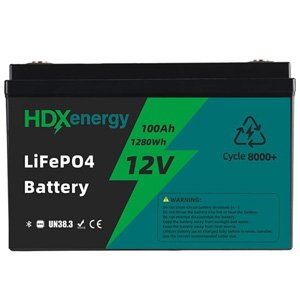
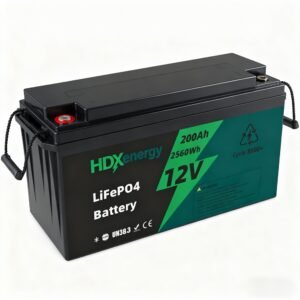
A LiFePO4-Akkupack ist ein wiederaufladbares Batteriesystem, das auf Lithium-Eisen-Phosphat (chemische Formel: LiFePO₄) als die Kathodenmaterial.
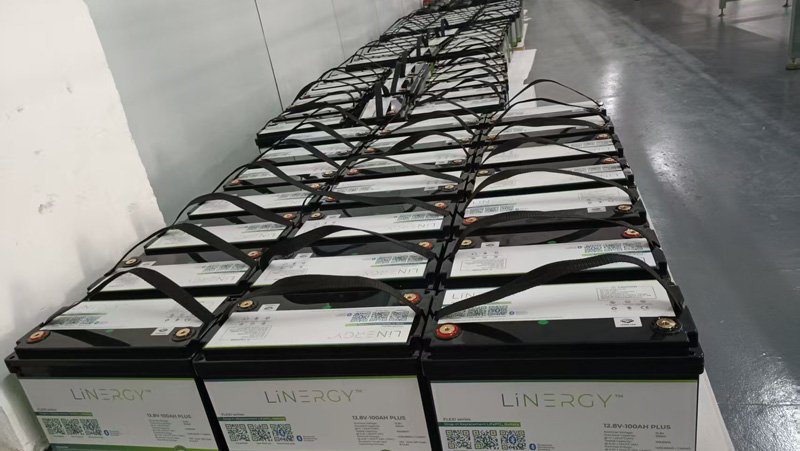
Ein komplettes Paket umfasst in der Regel:
- Mehrere LiFePO4-Zellen in Reihe und/oder parallel geschaltet
- A Batterie-Management-System (BMS)
- Mechanisches Gehäuse und Klemmen/Anschlüsse
- Manchmal integriert Kommunikation und Überwachung (CAN, RS485, Bluetooth, usw.)
2.2 Warum es manchmal LFP genannt wird
Häufig wird LiFePO4 abgekürzt als LFP (aus der chemischen Schreibweise LiFePO₄). Also:
- LiFePO4 = LFP = Lithium-Eisen-Phosphat
In den Unterlagen der Industrie verwenden die Verpackungshersteller häufig LFP in Produktcodes und technischen Datenblättern.
2.3 Typische Packungsspannungen
Übliche LiFePO4-Pack-Konfigurationen (für 1 Zelle ≈ 3,2 V nominal):
- 12,8 V nominal → 4 Zellen in Reihe (4S)
- 25,6 V nominal → 8 Zellen in Reihe (8S)
- 48 V nominal → 15 oder 16 Zellen in Reihe (15S/16S)
- Größere Akkus für Elektrofahrzeuge und industrielle Systeme können aus vielen Reihen-/Parallelkombinationen aufgebaut werden.
3. LiFePO4 im Vergleich zu anderen Lithium-Chemien
LiFePO4 ist nicht die einzige Lithiumchemie. Zu den gängigsten Alternativen gehören:
- NMC (Lithium-Nickel-Mangan-Kobalt-Oxid)
- NCA (Lithium-Nickel-Kobalt-Aluminium-Oxid)
- LCO (Lithium-Kobalt-Oxid)
- LTO (Lithiumtitanat, weniger häufig, Spezialität)
Jede Chemie bringt Kompromisse mit sich in Bezug auf Energiedichte, Sicherheit, Lebensdauer des Zyklus, und Kosten.
3.1 Der wichtigste Vergleich: LiFePO4 vs. NMC vs. Blei-Säure
Tabelle 1 - LiFePO4 vs. NMC vs. Blei-Säure (Vergleich auf hohem Niveau)
| Parameter | LiFePO4 (LFP) | NMC (Li-Ion) | Blei-Säure (AGM/FLA) |
|---|---|---|---|
| Nennspannung der Zelle | ~3.2 V | ~3.6-3.7 V | 2,0 V pro Zelle |
| Energiedichte | Mittel (90-160 Wh/kg) | Hoch (150-250+ Wh/kg) | Niedrig (30-50 Wh/kg) |
| Lebensdauer (80% DoD) | ~2.000-6.000+ Zyklen | ~1.000-3.000 Zyklen | ~500-1.000 Zyklen |
| Sicherheit (thermisches Durchgehen) | Sehr hohe Sicherheit, stabil | Gut, aber etwas empfindlicher | Hoch (aber anderer Ausfallmodus) |
| Betriebstemperaturbereich | Breit, stabil | Breit, aber hitzeempfindlicher | Begrenzt; Leistung fällt schnell ab |
| Wartung | Niedrig | Niedrig-mittel | Mittel-hoch (besonders überschwemmt) |
| Typische Anwendungen | ESS, netzunabhängig, Wohnmobil, Gabelstapler, EVs | Elektrofahrzeuge, Laptops, Telefone, Elektrowerkzeuge | USV, Backup, Starterbatterien |
LiFePO4 tauscht einige Energiedichte für wesentlich höhere Sicherheit und Lebensdauer, und ist damit ideal für stationäre und Deep-Cycle-Anwendungen.
4. Interner Aufbau eines LiFePO4-Akkupacks
4.1 Die Zellebene
Jeder LiFePO4-Pack wird aus einzelne Zellen, in der Regel:
- Prismatische Zellen (flach, rechteckig)
- Zylindrische Zellen (z. B. 26650, 32700)
- Gelegentlich Pouch-Zellen
Jede Zelle enthält:
- Kathode: LiFePO₄-Material
- Anode: typischerweise Graphit
- ElektrolytLithiumsalz in organischem Lösungsmittel
- Abscheider, Stromabnehmer und Gehäuse
4.2 Reihen- und Parallelschaltungen
- Baureihe (S) Anschlüsse erhöhen die Spannung
- Parallel (P) Anschlüsse erhöhen die Kapazität (Ah)
Beispiel: A 48 V 100 Ah LiFePO4-Packung gebaut werden könnte:
- 16 Zellen in Reihe (16S) bei 3,2 V → 51,2 V nominal
- Einzelner String mit 100-Ah-Zellen (1P)
- Gesamtenergie ≈ 51,2 V × 100 Ah ≈ 5,12 kWh
4.3 Batterie-Management-System (BMS)
Die BMS ist entscheidend für einen sicheren und langfristigen Betrieb. Das ist typisch:
- Überwacht Zellspannung und Packspannung
- Überwacht Strom und Temperatur
- Steuert die Abschaltung der Ladung/Entladung
- Bietet Schutz für:
- Überladung
- Überentladung
- Überstrom
- Übertemperatur / Untertemperatur
- Kurzschluss
- Balanciert Zellen (passives oder aktives Balancieren)
Moderne LiFePO4-Akkus enthalten oft Kommunikationsprotokolle (CAN, RS485, Modbus usw.), um eine Schnittstelle mit Wechselrichter, Ladegeräte und Fahrzeugsysteme.
5. Hauptmerkmale von LiFePO4-Akkupacks
5.1 Zyklusdauer
Einer der größten Vorteile von LiFePO4 ist lange Lebensdauer.
- Typische LFP-Pakete erreichen:
- 2.000-4.000 Zyklen bei ~80% Entladungstiefe (DoD)
- Hochwertige Zellen und optimierte Bedingungen: 5.000-6.000+ Zyklen
In der Praxis bedeutet dies, dass bei ein voller Zyklus pro Tag, 3.000 Zyklen ≈ 8+ Jahre, und 6.000 Zyklen ≈ 16+ Jahre der Nutzung.
5.2 Sicherheit und thermische Stabilität
LiFePO4 hat:
- Hohe thermische Stabilität
- Höhere Anfangstemperatur für thermisches Durchgehen im Vergleich zu NMC/NCA
- Gute Leistung unter missbräuchlichen Bedingungen (kurzzeitige Überladung, mechanische Stöße usw., aber dennoch nicht empfohlen)
Das macht LiFePO4 sehr attraktiv für Anwendungen, bei denen Brandsicherheit und Robustheit sind entscheidend:
- Energiespeicherung zu Hause
- Systeme für Schiffe und Wohnmobile
- Telekommunikationssicherung
- Industrielle Geräte, die in der Nähe von Menschen betrieben werden
5.3 Spannungsprofil
LiFePO4 weist eine flache Entladungsspannungskurve, in der Regel:
- Volle Ladung: ~3,65 V/Zelle
- Nennwert: ~3,2 V/Zelle
- Grenzwert: ~2,5-2,8 V/Zelle (je nach BMS)
Durch dieses flache Profil bleibt die Ladespannung über einen Großteil der Entladung relativ konstant, was sich positiv auswirkt:
- Wechselrichter
- DC-Ausrüstung
- Motorsteuerungen
5.4 Fähigkeit zur Ermittlung der Entladungstiefe (DoD)
LiFePO4 kann regelmäßig auf 80-90% DoD entladen werden, während Blei-Säure-Batterien in der Regel auf 50% DoD begrenzt sind, um die Lebensdauer zu erhalten.
Dies bedeutet mehr nutzbare Energie pro Nennleistung:
- 100Ah LiFePO4 bei 80% DoD → 80Ah nutzbar
- 100Ah Blei-Säure bei 50% DoD → 50Ah nutzbar
6. Hauptverwendungszwecke von LiFePO4-Akkupacks
LiFePO4 wird in vielen Bereichen eingesetzt. Nachstehend sind die wichtigsten Anwendungen bis 2024 aufgeführt.
6.1 Solarenergiespeicher und netzunabhängige Systeme
LiFePO4 hat sich zum dominante Chemie in kleinen bis mittleren Solarenergiespeichersystemen:
- Solarenergie + Speicherung für Wohngebäude (PV auf dem Dach)
- Netzunabhängige Hütten und Gehöfte
- Sicherung des Fernmeldeturms
- Ländliche Elektrifizierungsmikronetze
Die Gründe:
- Lange Lebensdauer (tägliches Radfahren)
- Hohe Effizienz bei der Hin- und Rückfahrt
- Sichere Chemie, geeignet für die Installation in Innenräumen/Nähe des Hauses
- Schnelle Lade-/Entladefähigkeit
6.2 Wohnmobil, Wohnwagen und Marine (Boote, Yachten)
Nutzer von Wohnmobilen und Schiffen wechseln schnell von Blei-Säure-Akkus zu LiFePO4-Akkus:
- Hausbatterien (12-V- oder 24-V-Systeme)
- Kühlschränke, Beleuchtung, Wechselrichter und Elektronik
Die wichtigsten Vorteile:
- Geringeres Gewicht bei gleicher Nutzkapazität
- Schnelleres Aufladen über Lichtmaschinen, Solar- oder Landstrom
- Fähigkeit, den größten Teil der Nennkapazität ohne Schaden zu nutzen
6.3 Elektrofahrzeuge (EVs) und E-Mobilität
LiFePO4 wird in zunehmendem Maße eingesetzt:
- Einsteigerklasse und Mittelklasse Elektroautos (insbesondere von chinesischen OEMs)
- Elektrische Busse und Lastwagen
- Elektrostapler und Flurförderzeuge
- Zweiräder (E-Scooter, E-Bikes, Motorräder)
Viele Hersteller von Elektrofahrzeugen haben deshalb LFP-Linien eingeführt oder erweitert:
- Niedrigere Kosten pro kWh (insbesondere bei großen Mengen)
- Sichereres thermisches Verhalten
- Hervorragende Haltbarkeit beim täglichen Radfahren
6.4 Industrielle und kommerzielle Anwendungen
Beispiele:
- Gabelstapler und Lagerfahrzeuge (Blei-Säure-Ersatz)
- Scheuersaugmaschinen und Reinigungsmaschinen
- AGVs (Automated Guided Vehicles) und AMRs (Autonomous Mobile Robots)
- Backup-Stromversorgungssysteme für Rechenzentren und industrielle Steuerungen
Hier bietet LiFePO4:
- Minimale Wartung im Vergleich zu Blei-Säure
- Stabile Leistung bei hohen Zykluszahlen
- Schnellladung in den Pausen (Opportunitätsladung)
6.5 Sicherung von Telekommunikation und kritischen Infrastrukturen
Telekommunikationsbetreiber und Infrastrukturanbieter verwenden LiFePO4 für:
- Sicherung der Basisstation (BTS)
- Netzwerkknoten und Edge-Rechenzentren
Im Vergleich zu VRLA (Valve-regulated lead-acid) bietet LiFePO4:
- Niedrigere Lebenszykluskosten
- Geringerer Platzbedarf bei gleicher Sicherungszeit
- Bessere Leistung in Umgebungen mit hohen Temperaturen
6.6 USV-Systeme für Haus und Büro
LiFePO4 wird jetzt in folgenden Bereichen eingesetzt:
- Hochwertige USV-Systeme
- Modulare Backup-Systeme für Heimbüros
- Hybride AC/DC-Notstromaggregate
Dank seiner stabilen Leistung und langen Lebensdauer eignet er sich für häufige Teilentladungszyklen, wie sie in instabile Netzgebiete.
7. Vorteile und Nachteile von LiFePO4-Akkupacks
7.1 Die wichtigsten Vorteile
- Lange Zyklusdauer
- Deutlich mehr Zyklen als Blei-Säure-Akkus und viele NMC-Akkus bei gleicher Nutzung.
- Hohe Sicherheit
- Geringes Risiko des thermischen Durchgehens, robust bei Missbrauch im Vergleich zu anderen Li-Ionen-Chemiesystemen.
- Hohe nutzbare Kapazität
- Kann täglich 80-90% der Nennkapazität sicher nutzen.
- Geringe Wartung
- Keine Elektrolytauffüllung, kein Ausgleich, keine Entlüftung (im Gegensatz zu gefluteten Blei-Säure-Akkus).
- Gute Temperaturtoleranz
- Gute Leistung bei mäßigen bis hohen Umgebungstemperaturen (beim Laden unter 0 °C ist jedoch Vorsicht geboten oder es sind spezielle BMS-Strategien erforderlich).
- Hoher Wirkungsgrad
- Der Wirkungsgrad der Hin- und Rückfahrt ist in vielen gut konzipierten Systemen typischerweise >95%.
7.2 Mögliche Nachteile
- Geringere Energiedichte als NMC/NCA
- Für weltraumkritische, ultraleichte Anwendungen (z. B. Premium-EVs) könnten andere Lithiumchemien weiterhin dominieren.
- Höhere Anschaffungskosten als Blei-Säure
- Allerdings sind die Gesamtbetriebskosten (TCO) über die gesamte Lebensdauer des Systems in der Regel niedriger.
- Beschränkungen beim Laden bei kaltem Wetter
- Das Aufladen unter ~0°C muss kontrolliert werden, oder es müssen Akkus mit Einbauheizungen / Kälte-BMS-Merkmale.
- BMS-Abhängigkeit
- Das Akkupaket ist nur so gut wie sein BMS; ein schlechtes BMS-Design kann die Vorteile zunichte machen.
8. Typische Spezifikationen von LiFePO4-Akkupacks
Im Folgenden finden Sie ein Beispiel für typische Spezifikationen für 12V- und 48V-LiFePO4-Akkupacks die ab 2024 in Solar- und Backup-Systemen eingesetzt werden.
Tabelle 2 - Typische Spezifikationsbereiche für LiFePO4-Packs (2024)
| Spezifikation | 12V 100Ah Pack | 48V 100Ah Pack |
|---|---|---|
| Nennspannung | 12,8 V (4S) | 51,2 V (16S) |
| Nennkapazität | 100 Ah | 100 Ah |
| Energie | ~1,28 kWh | ~5,12 kWh |
| Maximale kontinuierliche Entladung | 50-100 A | 100-150 A |
| Effizienz der Hin- und Rückfahrt | 95-98% | 95-98% |
| Zyklus Lebensdauer (80% DoD) | 3.000-6.000 Zyklen | 3.000-6.000 Zyklen |
| Betriebstemperatur (Entladung) | -20°C bis ~60°C | -20°C bis ~60°C |
| Ladetemperatur | 0°C bis ~45°C (typisch) | 0°C bis ~45°C (typisch) |
| Gewicht | ~10-15 kg | ~40-55 kg |
Die Werte variieren je nach Hersteller; prüfen Sie immer das aktuelle Datenblatt.
9. LiFePO4 vs. Blei-Säure im realen Einsatz
Um die praktischen Unterschiede zu verdeutlichen, vergleichen wir eine 100Ah Blei-Säure-Akku mit einer 100Ah LiFePO4-Packung in einem Solar-/Wohnmobil-Kontext.
Tabelle 3 - Blei-Säure vs. LiFePO4 (100Ah Beispiel, praktische Anwendung)
| Parameter | Blei-Säure 100Ah | LiFePO4 100Ah |
|---|---|---|
| Nutzbare Kapazität (täglich) | ≈ 50 Ah (50% DoD empfohlen) | ≈ 80-90 Ah (80-90% DoD) |
| Cycle Life @ tägliches Radfahren | 500-800 Zyklen | 3.000-5.000+ Zyklen |
| Gewicht | 25-30 kg | 10-15 kg |
| Wartung | Möglich (vor allem bei Überschwemmungen) | Minimal |
| Effizienz der Ladung | 80-85% | 95-98% |
| Kosten pro Zyklus (langfristig) | Höher | Unter |
| Spannungsabfall unter Last | Bedeutend | Sehr niedrig |
LiFePO4 ist zwar anfangs teurer, bietet aber über mehrere Jahre und Tausende von Zyklen eine deutlich niedrigere Kosten pro gelieferter kWh.
10. Wie man einen LiFePO4-Akku auswählt
10.1 Definieren Sie Ihre Anwendung
Machen Sie sich zunächst klar, wo und wie das Paket verwendet werden soll:
- Solarspeicher / Netzunabhängigkeit?
- Wohnmobil / Camper / Vanlife?
- Marine?
- Gabelstapler oder FTS?
- Sicherung/UPS?
Für jede Anwendung können unterschiedliche Anforderungen gelten:
- Spannung, Kapazität, Entladegeschwindigkeit
- Formfaktor, Kommunikation, Zertifizierungen
10.2 Wichtige Auswahlkriterien
- Spannung (12V, 24V, 48V oder höhere kundenspezifische Pakete)
- Kapazität (Ah) und Energie (kWh) benötigt
- Dauer- und Spitzenentladestrom
- Zykluslebensdauer bei dem vorgesehenen DoD
- BMS-Merkmale (Schutzmaßnahmen, Ausgleich, Kommunikation)
- Zertifizierungen (CE, UL, IEC, usw., je nach Region und Anwendung)
- Garantie (Jahre und Zyklen)
- Betriebstemperaturbereich und jede Niedertemperatur-Ladevorschriften
- Körperliche Größe und Gewicht Zwänge
10.3 Integration mit Wechselrichtern und Ladegeräten
- Stellen Sie sicher, dass der Wechselrichter/das Ladegerät LiFePO4-kompatibel.
- Prüfen Sie die empfohlenen Ladespannungen und Profile:
- Bulk-/Absorptionsspannung
- Erhaltungsspannung (oft niedriger, manchmal nicht erforderlich)
- Viele moderne Wechselrichter enthalten heute voreingestellte LiFePO4-Profile oder die direkte Kommunikation mit dem Batterie-BMS unterstützen.
11. Gestaltungsüberlegungen und bewährte Praktiken
11.1 Größenbestimmung des Packs
Bedenken Sie:
- Täglicher Stromverbrauch (kWh)
- Gewünschte Autonomie (Anzahl der Tage der Sicherung)
- Maximal zulässige Entladungstiefe für Langlebigkeit
- Systemspannung
Beispiel für ein netzunabhängiges Haus:
- Täglicher Verbrauch: 10 kWh
- Gewünschte Autonomie: 2 Tage
- Ziel DoD: 80%
Erforderliche Batterieenergie ≈ 10 kWh × 2 / 0,8 ≈ 25 kWh
Bei 48 V, 25 kWh → insgesamt etwa 480-520 Ah (je nach genauer Spannung und nutzbarem Zeitfenster).
11.2 Parallel- und Reihenschaltung
- Viele Akkus können parallel geschaltet werden (z. B. bis zu 4-16 bei einigen Marken).
- Befolgen Sie stets die Anweisungen des Herstellers:
- Maximale Serien-/Parallelkonfigurationen
- Vorladung oder Ausgleich vor der Parallelschaltung
- Kommunikation zwischen BMS-Einheiten in größeren Systemen
11.3 Wärmemanagement
LiFePO4 läuft zwar kühler als viele andere chemische Stoffe:
- Vermeiden Sie es, die Packungen in unbelüfteten, extrem heißen Räumen unterzubringen.
- Für kalte Klimazonen:
- Erwägen Sie Packungen mit integrierte Heizungen oder
- Verwenden Sie externe Heizlösungen und BMS-Strategien, um das Laden unter die zulässigen Temperaturen zu verhindern.
11.4 Sicherheit und Installation
- Verwenden Sie geeignete Sicherungen und Unterbrecher.
- Stellen Sie sicher, dass die Kabel für Spitzenströme ausgelegt sind.
- Befestigen Sie die Pakete sicher (insbesondere in Fahrzeugen oder auf mobilen Plattformen).
- Befolgen Sie die einschlägigen elektrischen Vorschriften und Normen.
12. Markttrends für LiFePO4 (2023-2024 Kontext)
Ohne auf proprietäre oder Echtzeit-Datenbanken zuzugreifen, zeigen die öffentlichen Branchenberichte bis 2024 klare Trends:
- Kosten pro kWh für LFP-Zellen sinken weiter, und verbessert die Wettbewerbsfähigkeit gegenüber Blei-Säure-Akkus in vielen Anwendungen.
- Viele EV-OEMs haben Fahrzeuge auf LFP-Basis eingeführt, insbesondere bei Modellen der Standardklasse.
- Produkte zur Energiespeicherung in Privathaushalten auf der Grundlage von LiFePO4 (z. B. modulare Wandbatterien, Regalsysteme) verbreiten sich rasch.
- Die Märkte für Gabelstapler und Industriefahrzeuge bewegen sich aufgrund von Produktivitätssteigerungen und niedrigeren Lebenszykluskosten weg von Blei-Säure-Batterien hin zu LiFePO4.
Diese Trends deuten darauf hin, dass LiFePO4 wahrscheinlich auch in Zukunft ein Kernchemie sowohl für stationäre als auch für bestimmte mobile Anwendungen mittelfristig.
13. Zusammenfassung: Warum LiFePO4 wichtig ist
A LiFePO4-Akkupack ist ein wiederaufladbares Batteriesystem auf der Basis von Lithium-Eisen-Phosphat-Chemie, das für eine hohe Leistung ausgelegt ist:
- Langer Lebenszyklus
- Hohe Sicherheit und Stabilität
- Ausgezeichnete Deep-Cycle-Leistung
- Geringer Wartungsaufwand und hohe Effizienz
Seine Hauptverwendungszwecke umfassen:
- Solare und netzunabhängige Energiespeicherung
- Wohnmobil, Marine und mobiles Wohnen
- Elektrofahrzeuge, Gabelstapler und Industrieanlagen
- Sicherung von Telekommunikation und kritischen Infrastrukturen
- USV-Systeme für Haushalte und Unternehmen
Für viele moderne Anwendungen, bei denen langfristige Zuverlässigkeit und Sicherheit eine größere Rolle spielen als die absolute Energiedichte, ist LiFePO4 oft die beste praktische Wahl.
Professionelle Q&A: LiFePO4-Akkupacks
Q1: Wie lange hält ein LiFePO4-Akkupack normalerweise?
Ein gut durchdachter LiFePO4-Akku kann das leisten:
- 3.000-6.000+ Zyklen bei 80% DoD
- In der täglichen Praxis bedeutet dies oft, dass 10-15+ Jahre Lebensdauer bei ordnungsgemäßer Ladung, Entladung und thermischen Bedingungen.
Q2: Kann ich meine Blei-Säure-Batterie direkt durch LiFePO4 ersetzen?
In vielen Fällen ja, aber mit wichtigen Überlegungen:
- Die Spannung ist kompatibel (z. B. 12V LiFePO4 für 12V Blei-Säure).
- Das Ladegerät/der Wechselrichter muss Folgendes unterstützen LiFePO4-Ladeparameter.
- Die für Blei-Säure-Batterien verwendeten Erhaltungslade- und Ausgleichsmodi sollten deaktiviert oder angepasst werden.
- Stellen Sie sicher, dass der Platz, die Kabeldimensionierung und die Absicherung angemessen sind.
Q3: Ist LiFePO4 sicher für die Verwendung in Innenräumen?
In der Regel ja, wenn:
- Das Paket ist zertifiziert und verfügt über ein zuverlässiges BMS.
- Es wird nach den Richtlinien des Herstellers installiert.
- Ausreichende Belüftung und Abstände sind gewährleistet.
LiFePO4 gilt als eine der die sicherste Lithium-Chemie aufgrund seiner stabilen Kathode und des geringen thermischen Durchgehensrisikos im Vergleich zu anderen Li-Ionen-Typen.
Q4: Können LiFePO4-Batterien bei Minusgraden geladen werden?
Aufladen von LiFePO4 unter 0°C ist begrenzt:
- Die meisten Spezifikationen beschränken die Aufladung auf unter 0°C, um ein Plattieren und langfristige Schäden zu vermeiden.
- Einige Pakete enthalten integrierte Heizungen oder eine spezielle BMS-Logik, um einen sicheren Einsatz in kalten Klimazonen zu ermöglichen.
- Das Entladen bei Minusgraden ist in der Regel zulässiger als das Aufladen, aber die Leistung ist dann geringer.
Beachten Sie immer den vom Hersteller angegebenen Temperaturbereich.
F5: Sind LiFePO4-Akkus für das Starten von Motoren (Starterbatterien) geeignet?
LiFePO4 kann für Startbatterien verwendet werden, wenn:
- Das Paket ist speziell für folgende Zwecke konzipiert hohe Kurbeltriebströme (CCA).
- Das BMS unterstützt hohe Stoßströme.
Allerdings, Deep-Cycle-LiFePO4-Akkus für Solar- und netzunabhängige Anwendungen sind in der Regel für eine dauerhafte Entladung optimiert und nicht für kurze, sehr hohe Stromstöße. Verwenden Sie den richtigen Typ für die jeweilige Aufgabe.
F6: Wie schneiden LiFePO4-Akkus im Vergleich zu NMC in Elektrofahrzeugen ab?
- LiFePO4:
- Geringere Energiedichte → etwas schwerere/größere Packung
- Höhere Sicherheit und lange Lebensdauer
- Häufig in Standard-Reichweiten- oder kostenoptimierten EV-Modellen verwendet
- NMC/NCA:
- Höhere Energiedichte → größere Reichweite bei gleichem Gewicht
- Empfindlicher gegenüber thermischen Bedingungen
- Häufiger bei leistungsstarken E-Fahrzeugen oder solchen mit großer Reichweite
Die Wahl hängt von den Kostenzielen, den Reichweitenanforderungen und der Herstellerstrategie ab.
F7: Müssen LiFePO4-Akkus ausgeglichen werden?
Ja, der Zellausgleich ist wichtig. Die meisten Packungen enthalten:
- Passives Auswuchten (kleine Widerstände leiten überschüssige Ladung von höheren Zellen ab)
- Oder aktive Auswuchtung in fortgeschritteneren Systemen
Ein gutes BMS sorgt dafür, dass die Zellen eng aufeinander abgestimmt sind, was die Lebensdauer und Leistung der Akkus erhöht.