Sie sollten Ihr Batteriespeichersystem nach den Anforderungen Ihres Projekts und der Funktionsweise des Netzes auswählen. Wenn Ihr Projekt stark sein muss oder das Netz nicht stabil ist, ist ein netzbildendes BESS die beste Wahl. Dieses System kann Änderungen bei den erneuerbaren Energien ausgleichen und bietet eine Notstromversorgung, wenn das Licht ausgeht. Für Projekte, die Geld sparen und ein stabiles Netz haben müssen, sind netzgeführte Systeme eine gute Wahl. Sie können die Hauptoptionen in der Tabelle unten:
| Projektziele / Netzbedingungen | Bevorzugter BESS-Typ |
|---|---|
| Hohe Widerstandsfähigkeit | Gitternetzbildung |
| Instabile Netzbedingungen | Gitternetzbildung |
| Kostengünstige Anwendungen | Grid-Following |
| Stabile Netzbedingungen | Grid-Following |
Denken Sie darüber nach, was Sie wollen, wie zuverlässig Ihr Stromnetz ist und welche Energie Sie später brauchen könnten, bevor Sie sich entscheiden.
Wichtigste Erkenntnisse
- Entscheiden Sie sich für netzbildende BESS, wenn Sie eine starke Unterstützung und Reserveleistung bei Stromausfällen benötigen.
- Verwenden Sie Grid-Following BESS, wenn Sie Geld sparen wollen und Ihr Netz stabil ist und gut funktioniert.
- Denken Sie über Ihre Energieziele nach, bevor Sie sich für einen BESS-Typ entscheiden; dies hilft Ihnen das Richtige wählen.
- Prüfen Sie, wie stabil Ihr Netz ist; wenn es nicht stabil ist, benötigen Sie ein gitterförmiges BESS, um bessere Ergebnisse zu erzielen.
- Informieren Sie sich über die Anfangskosten und wie viel jedes System im Laufe der Zeit wert ist, damit Sie eine kluge Entscheidung treffen können.
- Prüfen Sie, wie Ihr neues BESS mit dem bereits vorhandenen System zusammenarbeitet, um Probleme zu vermeiden.
- Sprechen Sie mit Experten, um sicherzustellen, dass Ihr System den Regeln entspricht und den Anforderungen Ihres Projekts gerecht wird.
- Bleiben Sie auf dem Laufenden über neue Technologien und Netzänderungen, damit Sie gute Energieentscheidungen treffen für Ihr Projekt.
Leitfaden für schnelle Entscheidungen
Die Wahl des richtigen Batteriespeichersystems (BESS) kann sich überwältigend anfühlen. Sie wollen ein System, das den Anforderungen Ihres Projekts entspricht und gut mit Ihrem Netz zusammenarbeitet. Diese Kurzanleitung hilft Ihnen, eine kluge Wahl zu treffen, ohne sich in technischen Details zu verlieren.
Schlüsselfaktoren für die BESS-Auswahl
Bei der Wahl zwischen rasterbildendem und rasterfolgendem BESS sollten Sie auf einige wichtige Punkte achten:
- Ihr Energieziele das beste System für Ihr Projekt zu finden. Wenn Sie eine Notstromversorgung wünschen oder planen, weitere erneuerbare Energien einzusetzen, müssen Sie sorgfältig überlegen.
- Der Typ und die Größe der Batterie sind wichtig. Zum Beispiel, Lithium-Eisenphosphat (LiFePO4) Batterien funktionieren gut mit beiden Wechselrichtertypen, aber für größere Systeme sind möglicherweise spezielle Konfigurationen erforderlich.
- Die Installation kann komplex werden. Netzbildende Wechselrichter benötigen oft mehr Planungs- und Einrichtungszeit.
- Die Kosten spielen eine große Rolle. Gitterförmige Systeme sind zwar anfangs teurer, können aber mit der Zeit Geld sparen.
- Die Stabilität Ihres Gitters beeinflusst Ihre Wahl. Instabile Netze brauchen eine stärkere Unterstützung.
Tipp: Schreiben Sie Ihre wichtigsten Projektziele auf, bevor Sie mit dem Systemvergleich beginnen. So können Sie sich besser konzentrieren.
Wann sollte ein gitterförmiges BESS verwendet werden?
Das gitterförmige BESS eignet sich am besten für Projekte, die eine starke Unterstützung und Flexibilität benötigen. Sie sollten sich für die Rasterformung entscheiden, wenn Ihr Projekt einem dieser Szenarien entspricht:
| Szenario | Beschreibung |
|---|---|
| Systemausfallsicherheit und -zuverlässigkeit | Sie haben häufig mit Netzausfällen oder Spannungsschwankungen zu kämpfen. Das netzbildende BESS hält Ihren Strom konstant. |
| Zukünftige Netzanforderungen | Sie wollen sich auf mehr erneuerbare Energien oder veränderte Netzregeln vorbereiten. |
| Microgrid und Hybridbetrieb | Ihr Projekt kann sowohl mit als auch ohne das Hauptraster laufen. |
| ROI und Lebenszykluswert | Sie wollen langfristig einen besseren Wert, auch wenn die Kosten im Vorfeld höher sind. |
Das rasterbildende BESS gibt Ihnen mehr Kontrolle. Es kann bei Bedarf sein eigenes Netz aufbauen. Das macht sie zu einer guten Lösung für abgelegene Gebiete, Microgrids oder Orte mit viel Solar- und Windenergie.
Wann wird das Grid-Following BESS verwendet?
Das netzgeführte BESS eignet sich für Projekte, bei denen das Netz bereits stark und stabil ist. Sie sollten sich für ein netzgekoppeltes System entscheiden, wenn Sie eine einfache, kostengünstige Lösung wünschen. Diese Systeme funktionieren gut, wenn das BESS das Netz nicht allein betreiben muss.
- Verwenden Sie das BESS für Projekte, bei denen das Sparen im Vordergrund steht.
- Wählen Sie diesen Typ, wenn es in Ihrem Netz selten zu Ausfällen oder großen Spannungsschwankungen kommt.
- Die Netznachführung eignet sich gut, um zusätzliche Leistung hinzuzufügen oder kleine Änderungen im Energieverbrauch auszugleichen.
Anmerkung: Wenn Sie erwarten, dass Ihr Stromnetz stabil bleibt und Ihr Projekt nicht allein laufen muss, ist ein netzgekoppeltes BESS eine kluge und kostengünstige Wahl.
Diese Kurzanleitung gibt Ihnen einen klaren Weg vor. Denken Sie über Ihre Ziele, Ihr Netz und Ihr Budget nach. Jetzt können Sie mit Zuversicht vorwärts gehen.
Grid-Forming BESS Erklärt
Was ist ein netzbildender Wechselrichter?
Sie fragen sich vielleicht, wodurch sich ein netzbildender Wechselrichter von anderen Wechselrichtern unterscheidet. Ein netzbildender Wechselrichter ist das Herzstück eines netzbildenden BESS. Er wartet nicht darauf, dass das Netz ihm sagt, was er zu tun hat. Stattdessen erzeugt er seine eigene stabile Spannung und Frequenz. Das bedeutet, dass Sie einen netzbildenden Wechselrichter verwenden können, um die Regeln für den Stromfluss in Ihrem Projekt festzulegen. Sie brauchen kein starkes Netz, um ihn zu steuern. Der netzbildende Wechselrichter kann allein oder zusammen mit anderen Stromquellen arbeiten. Er gibt Ihrem System die Kraft, auf eigenen Füßen zu stehen.
So funktioniert das netzbildende BESS
Ein netzbildendes BESS verwendet einen netzbildenden Wechselrichter zur Steuerung des Stromflusses. Sie erhalten ein System, das wie eine Spannungsquelle funktioniert. Das bedeutet, dass der Wechselrichter die Spannung und Frequenz für Ihr Netz festlegt. Wenn das Hauptnetz ausfällt, läuft Ihr netzbildender BESS weiter. Es braucht keine Hilfe von außen, um das Licht am Laufen zu halten. Sie können sich darauf verlassen, dass er Spannung und Frequenz bereitstellt, wenn das Netz schwach ist oder fehlt. Der netzbildende Wechselrichter reagiert schnell auf Veränderungen. Er sorgt für eine gleichmäßige Stromversorgung, auch wenn Sie mehr Solar- oder Windenergie hinzufügen. Sie können dieses System an Orten einsetzen, an denen das Stromnetz nicht stark genug ist. Es hilft Ihnen, Ihr Projekt am Laufen zu halten, egal was draußen passiert.
Tipp: Sie können ein netzbildendes BESS verwenden, um Ihr Projekt flexibler und zuverlässiger zu machen. Damit haben Sie die Kontrolle über die Spannungs- und Frequenzunterstützung, selbst in schwierigen Situationen.
Anwendungen von netzbildenden BESS
Sie können netzbildende BESS in vielen wichtigen Bereichen einsetzen. Mit diesen Systemen können Sie Probleme lösen, die andere Batteriesysteme nicht bewältigen können. Hier sind einige gängige Anwendungen:
- Microgrids: Sie können das gitterförmige BESS in Microgrids die zwischen der Zusammenarbeit mit dem Hauptnetz und dem Alleinbetrieb wechseln. Der netzbildende Wechselrichter sorgt dafür, dass Ihr Microgrid in beiden Fällen stabil bleibt.
- Unterstützung von dezentralen Grids: Sie können Ihr Projekt ohne das Hauptnetz betreiben. Die netzbildenden BESS geben Ihnen lokale Energiesicherheit und Unabhängigkeit.
- Erhöhung der Netzresistenz: Sie können Krankenhäuser, Schulen und andere wichtige Einrichtungen auch bei Netzausfällen mit Strom versorgen. Der netzbildende Wechselrichter liefert genau dann Strom, wenn Sie ihn am meisten brauchen.
- Erleichterung des Einsatzes erneuerbarer Energien: Sie können mehr Solar- und Windenergie zu Ihrem Projekt hinzufügen. Netzbildende BESS unterstützen Spannung und Frequenz, so dass Ihr Netz auch mit vielen erneuerbaren Energien stabil bleibt.
Sie können sehen, dass netzbildende BESS am besten dort funktionieren, wo das Netz schwach ist oder sich verändert. Sie erhalten mehr Kontrolle, bessere Unterstützung und die Möglichkeit, mehr saubere Energie zu nutzen.
Überblick über netzgekoppelte BESS
Wie Grid-Following funktioniert
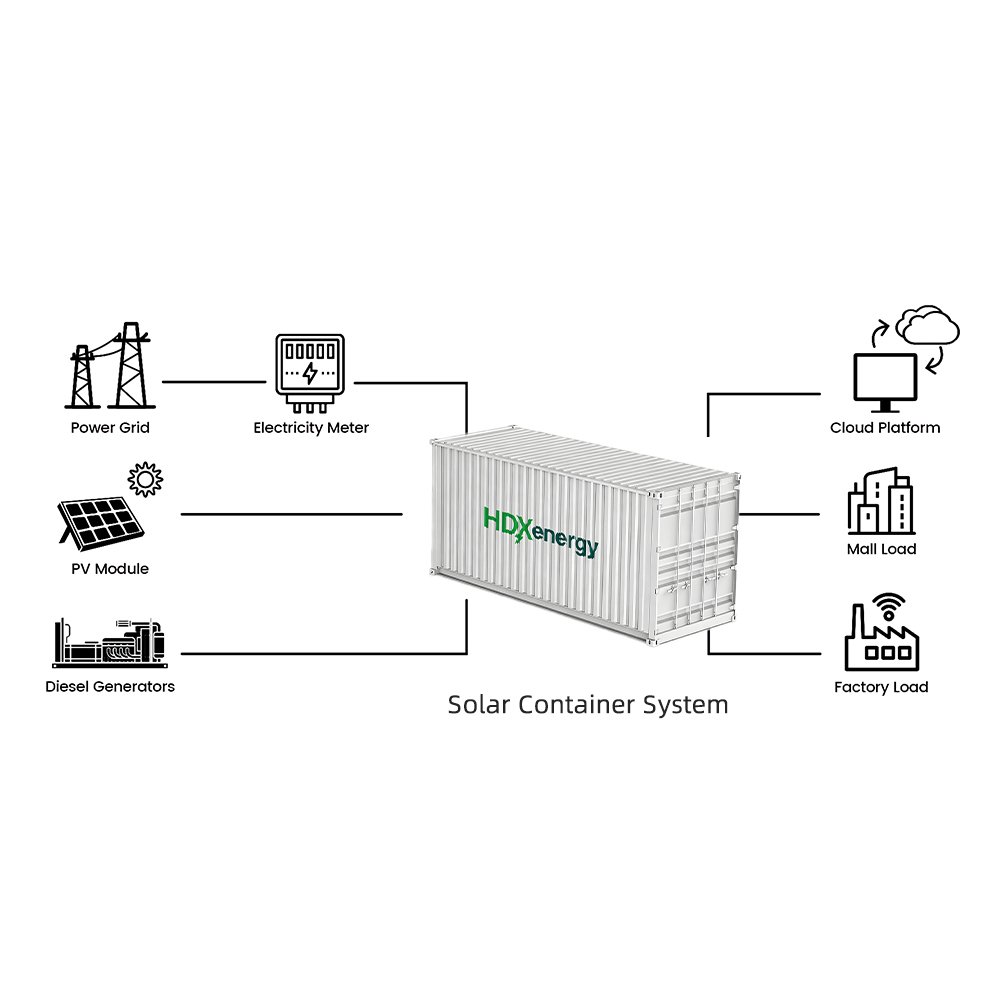
Ein netzgekoppeltes Batteriespeichersystem unterstützt das Hauptnetz. Er wirkt wie ein Stromquelle. Es stellt nicht selbst die Spannung oder Frequenz ein. Es folgt dem, was das Netz tut. Sie schließen es an das Netz an. Das System verwendet spezielle Werkzeuge, um die Spannung und Frequenz des Netzes anzupassen. Ein Hilfsmittel ist die so genannte PLL (Phase-Locked-Loop). Dieses Werkzeug prüft die Signale des Netzes. Es hilft dem System, mit dem Netz synchron zu bleiben.
So funktioniert ein netzgekoppeltes BESS:
- Er fungiert als Stromquelle und benötigt die Spannung und Frequenz des Netzes.
- Es verwendet eine Phasenverriegelungsschleife, um die Signale des Netzes zu überprüfen und abzugleichen.
- Er kann nicht allein arbeiten oder seine eigene Spannung und Frequenz erzeugen.
- Damit es funktioniert, muss das Netz vorhanden sein.
- Es hilft dem Netz, indem es bei Bedarf schnell Strom hinzufügt oder entnimmt.
Sie verwenden netzgekoppelte BESS, um das Netz stabiler und zuverlässiger zu machen. Das System reagiert auf Änderungen im Stromverbrauch. Es funktioniert am besten, wenn das Netz stark und konstant ist.
Hinweis: Sie können das rasterfolgende BESS nicht verwenden, wenn Sie möchten, dass Ihr Projekt ohne das Hauptraster läuft. Es braucht immer das Raster, um es zu führen.
Typische Grid-Following-Anwendungen
Netzgekoppelte BESS sind in vielen Geschäfts- und Fabrikprojekten zu sehen. Diese Systeme funktionieren gut, wenn das Netz immer vorhanden und stabil ist. Sie helfen Ihnen, Geld zu sparen und Energie besser zu nutzen. Hier sind einige gängige Möglichkeiten, netzgekoppelte BESS zu verwenden:
| Art der Anwendung | Beschreibung |
|---|---|
| Netzgekoppelte Energiespeichersysteme für C&I | Systeme zur Speicherung von Energie für den Einsatz in Unternehmen und Fabriken. |
| Projekte zur Spitzenlastreduzierung und Energiearbitrage | Möglichkeiten zur Senkung des Spitzenbedarfs und zur Einsparung von Energiekosten. |
| Solar- und Speichersysteme, die an ein starkes Versorgungsnetz angeschlossen sind | Bessere Ergebnisse durch Nutzung der Solarenergie mit Speicherung. |
| Anwendungen, bei denen das Netz immer vorhanden ist | Systeme, die mit einem stabilen Netz arbeiten. |
Sie können netzgekoppelte BESS verwenden, um Ihre Energierechnungen zu senken. Sie können sie auch nutzen, um Ihr Gebäude mit Solarstrom zu versorgen, ohne sich Gedanken über Netzprobleme machen zu müssen. Viele Unternehmen entscheiden sich für netzgekoppelte Systeme, weil sie einfach sind und Geld sparen. Sie brauchen keine zusätzliche Ausrüstung und keine aufwändige Planung. Sie schließen das System einfach an das Stromnetz an und lassen es arbeiten.
Tipp: Wenn Ihr Projektstandort über ein starkes und stabiles Stromnetz verfügt, ist ein netzgekoppeltes BESS ein intelligenter Weg, um Geld zu sparen und Energie besser zu nutzen.
Vergleich von Grid-Forming und Grid-Following
Technische Unterschiede
Spannung/Stromquelle
Es ist wichtig zu wissen, wie jedes System mit Strom funktioniert. Das netzbildende BESS fungiert als Spannungsquelle. Das bedeutet, dass es die Spannung und Frequenz für Ihr Projekt erzeugt und kontrolliert. Sie können sich darauf verlassen, dass die Anlage stabil bleibt, auch wenn das Hauptnetz schwach ist oder nicht funktioniert. So kann Ihr System auch bei Stromschwankungen oder Stromausfällen stabil bleiben.
Ein netzgekoppeltes BESS fungiert als Stromquelle. Es legt weder die Spannung noch die Frequenz fest. Es folgt dem, was das Hauptnetz hergibt. Wenn das Netz stark ist, funktioniert Ihr System gut. Wenn das Netz schwach oder nicht stabil ist, funktioniert Ihr System möglicherweise nicht so gut. Sie brauchen das Netz, damit alles zusammen funktioniert.
Kontrollmethoden
Es gibt große Unterschiede in der Art und Weise, wie jedes System den Strom steuert. Bei netzgekoppelten BESS werden fortschrittliche Steuerungsmethoden eingesetzt. Dazu gehören der virtuelle Synchrongenerator (VSG), die Pufferregelung und die virtuelle Trägheitsregelung. Diese Werkzeuge helfen Ihrem System, schnell auf Veränderungen zu reagieren und das Netz stabil zu halten. Sie können netzbildende BESS verwenden, um das Netz nach einem Stromausfall wieder in Gang zu bringen.
Grid-Following BESS verwendet einfache Steuerungsmethoden. Es verfügt nicht über fortschrittliche Algorithmen. Es hängt davon ab, dass das Netz ihm sagt, was es zu tun hat. Wenn sich das Netz ändert, folgt Ihr System. Es kann das Netz nicht selbst in Gang setzen oder bei großen Änderungen die Dinge stabil halten.
In der folgenden Tabelle sind die wichtigsten technischen Unterschiede aufgeführt:
| Merkmal | Rasterbildende PCS | Rasterfolgende PCS |
|---|---|---|
| Spannungs- und Frequenzregelung | Stellt aktiv Spannung und Frequenz ein und reguliert sie | Abhängig vom bestehenden Netz für Spannung und Frequenz |
| Systemstabilität | Behält die Stabilität auch ohne Gitter bei | Leistung in Abhängigkeit von Netzstärke und -qualität |
| Black-Start-Fähigkeit | Unterstützt Schwarzstart und Inselbetrieb | Unterstützt keinen Schwarzstartbetrieb |
| Kontroll-Algorithmen | Verwendet VSG, Droop-Regelung, virtuelle Trägheitsregelung | Keine fortgeschrittenen Kontrollalgorithmen |
| Reaktion auf Laständerungen | Behält die Stabilität bei plötzlichen Laständerungen bei | Leistung kann in schwachen Netzen abnehmen |
Vorteile von netzgekoppelten BESS
Sie haben viele Vorteile, wenn Sie sich für das gitterbildende BESS entscheiden. Sie können damit Ihr eigenes Netz aufbauen. Sie brauchen das Hauptnetz für Spannung oder Frequenz nicht. Das macht Ihr Projekt flexibler und stabiler. Sie können die Stromversorgung auch bei Stromausfällen aufrechterhalten. Sie können mehr erneuerbare Energie, wie Solar- oder Windenergie, hinzufügen, ohne sich um Netzprobleme zu kümmern. Netzbildende BESS helfen Ihnen auch, sich auf künftige Netzveränderungen vorzubereiten. Sie können dazu beitragen, das Netz wieder in Betrieb zu nehmen, und Mikronetze problemlos betreiben. Ihr System bleibt stark, auch wenn es schwierig wird.
Tipp: Wenn Sie ein Höchstmaß an Kontrolle und Zuverlässigkeit wünschen, bietet Ihnen das gitterförmige BESS, was Sie brauchen.
Vorteile von netzgekoppelten BESS
Sie können Geld sparen und die Dinge einfach halten mit netzgekoppeltes BESS. Dieses System funktioniert am besten, wenn Ihr Netz stark und stabil ist. Sie brauchen keine besondere Planung oder zusätzliche Ausrüstung. Sie schließen Ihr System einfach an das Stromnetz an und lassen es folgen. Ein netzgekoppeltes BESS hilft Ihnen, Ihre Energierechnungen zu senken und den Stromverbrauch zu steuern. Sie können das System zur Spitzenlastreduzierung, zur Energiearbitrage und zur Ergänzung Ihres Projekts durch Solarenergie einsetzen. Viele Unternehmen entscheiden sich für ein netzgekoppeltes BESS, weil es einfach einzurichten und zu warten ist.
Anmerkung: Wenn Ihr Projekt nicht allein laufen oder große Netzänderungen bewältigen muss, ist ein netzgekoppeltes BESS eine intelligente und kostengünstige Wahl.
Beschränkungen der einzelnen Systeme
Bevor Sie sich für ein System entscheiden, müssen Sie die Grenzen des rasterbildenden und des rasterfolgenden Systems kennen. Jedes System hat seine Stärken, aber auch Probleme, die sich auf Ihr Projekt auswirken können.
Gitterförmige BESS Beschränkungen:
- Sie müssen möglicherweise mit höheren Vorlaufkosten rechnen. Die Technologie und die Einrichtung von Gitternetzsystemen sind oft teurer als andere Optionen.
- Sie brauchen mehr Planung und Technik. Diese Systeme müssen sorgfältig geplant werden, damit sie gut mit Ihrem Netz zusammenarbeiten.
- Möglicherweise benötigen Sie eine spezielle Schulung für Ihr Team. Nicht jeder weiß, wie man Netzbildungssysteme betreibt oder repariert.
- Bei sehr großen Projekten kann man die Grenzen erkennen. Manchmal brauchen netzbildende Systeme zusätzliche Unterstützung, wenn Sie viele Batterien oder viele erneuerbare Energien anschließen.
Anmerkung: Gitterförmige Systeme geben Ihnen mehr Kontrolle, aber Sie müssen zu Beginn mehr Zeit und Geld investieren.
Netzgeführte BESS Beschränkungen:
- Sie können keinen netzgekoppelten Wechselrichter verwenden, wenn Ihr Projekt ohne das Hauptnetz laufen muss. Dieses System benötigt immer das Netz, um Spannung und Frequenz einzustellen.
- In schwachen oder instabilen Netzen können Probleme auftreten. Ein netzgekoppelter Wechselrichter hilft nicht, wenn das Netz viele Ausfälle oder große Spannungsschwankungen aufweist.
- Sie können keinen netzgekoppelten Wechselrichter für den Schwarzstart verwenden. Wenn das Netz ausfällt, kann Ihr System die Stromversorgung nicht selbständig wieder aufnehmen.
- Sie stoßen möglicherweise auf Grenzen, wenn Sie weitere erneuerbare Energien hinzufügen möchten. Ein netzgekoppelter Wechselrichter unterstützt keine hohen Solar- oder Windenergiemengen wie netzgekoppelte Systeme.
Tipp: Wenn Ihr Netz stark und stabil ist, funktioniert ein netzgekoppelter Wechselrichter gut. Wenn Sie Veränderungen im Netz oder ein Wachstum erwarten, benötigen Sie möglicherweise mehr Unterstützung.
Vergleichstabelle
In der nachstehenden Tabelle finden Sie die wichtigsten Unterschiede und Grenzen der einzelnen Systeme. Anhand dieser Tabelle können Sie die Funktionen nebeneinander vergleichen.
| Merkmal / Einschränkung | Gitterförmiges BESS | Netzgekoppeltes BESS |
|---|---|---|
| Arbeitet ohne Hauptnetz | Ja | Nein |
| Stellt Spannung und Frequenz ein | Ja | Nein |
| Braucht ein starkes Netz | Nein | Ja |
| Schwarzstartfähigkeit | Ja | Nein |
| Behandelt schwache Netze | Ja | Nein |
| Vorabkosten | Höher | Unter |
| Komplexität der Einrichtung | Komplexer | Einfach |
| Unterstützt einen hohen Anteil erneuerbarer Energien | Ja | Begrenzt |
| Benötigt einen netzgekoppelten Wechselrichter | Nein | Ja |
| Benötigt netzbildenden Wechselrichter | Ja | Nein |
| Am besten für Microgrids | Ja | Nein |
| Das Beste für Kosteneinsparungen | Manchmal | Ja |
| Benötigt netzgeführte Wechselrichter für Parallelbetrieb | Manchmal | Immer |
| Netzgekoppelte Wechselrichter können nicht allein arbeiten | K.A. | Wahr |
Sie sehen, dass ein netzgekoppelter Wechselrichter am besten funktioniert, wenn das Netz immer vorhanden und stark ist. Sie müssen Ihr System an die Bedürfnisse Ihres Projekts und die Netzbedingungen anpassen.
Überlegungen zum Projekt
Netzstabilität und Widerstandsfähigkeit
Bevor Sie sich für ein Batteriesystem entscheiden, sollten Sie überlegen, wie stabil Ihr Stromnetz ist. Wenn es in Ihrem Stromnetz viele Schwankungen oder Stromausfälle gibt, brauchen Sie ein System, das Ihren Strom konstant hält. Netzgekoppelte Batteriesysteme können ihre eigene Spannung und Frequenz erzeugen. Sie können sich auf sie verlassen, wenn es Notfälle gibt oder das Netz schwach ist. Diese Systeme geben Ihnen mehr Kontrolle und helfen Ihrem Projekt, stabil zu bleiben. Netzgekoppelte Systeme funktionieren am besten, wenn das Netz immer stark ist und sich nur wenig ändert. Sie können die Beleuchtung nicht aufrechterhalten, wenn das Stromnetz nicht funktioniert. Sie müssen entscheiden, wie stark Ihr Projekt sein muss. Wenn Sie mit Stürmen oder plötzlichen Veränderungen rechnen, bieten gitterförmige Systeme eine bessere Unterstützung.
Wenn Sie wollen, dass Ihr Projekt auch in schwierigen Zeiten erfolgreich ist, sollten Sie sich für ein System entscheiden, das das Stromnetz stärkt und Ihre Energieversorgung sicher macht.
Kompatibilität der Infrastruktur
Sie müssen prüfen, ob Ihr neues Batteriesystem mit Ihrer derzeitigen Stromversorgungsausrüstung und -einrichtung funktioniert. Es kann zu Problemen kommen, wenn Sie alte Systeme mit neuer Technologie ergänzen. Netzbildende Energiespeichersysteme können Frequenz und Spannung steuern. Dies hilft bei der Behebung von Problemen, die entstehen durch Nutzung von Solar- oder Windenergie. Sie benötigen dies, wenn Ihr Projekt erneuerbare Energien nutzt. Netzgekoppelte Systeme brauchen ein stabiles Netz. Sie können Spannung und Frequenz nicht selbst einstellen. Das bedeutet, dass sie nicht so gut für Projekte geeignet sind, die stark sein müssen oder alleine arbeiten.
Hier sind einige allgemeine Dinge, an die Sie denken sollten:
- Es es kann schwierig sein, neue Systeme hinzuzufügen aufgrund der technologischen Grenzen zu den alten.
- Der von Ihnen gewählte Wechselrichtertyp hat Einfluss darauf, wie gut Ihr System mit dem bereits vorhandenen System funktioniert.
- Netzbildende Systeme tragen dazu bei, die Stromversorgung zu stabilisieren, was wichtig ist, wenn man erneuerbare Energien hinzufügt.
- Netzgeführte Systeme funktionieren möglicherweise nicht gut, wenn Ihr Netz nicht stabil ist.
Sie sollten mit Ihrem Anbieter darüber sprechen, wie Ihr neues Batteriesystem zu dem passt, was Sie jetzt haben. Vergewissern Sie sich, dass Sie die guten und schlechten Seiten kennen, bevor Sie sich entscheiden.
Kosten und Wirtschaftlichkeit
Sie müssen Blick auf die Kosten bevor Sie sich für ein Batteriesystem entscheiden. Netzgekoppelte Systeme sind in der Regel anfangs teurer. Sie zahlen extra für spezielle Steuerungen und Geräte. Im Laufe der Zeit können diese Systeme jedoch Geld sparen, da sie das Stromnetz stabil halten und Stromausfälle verhindern. Netzgeführte Systeme sind in der Anschaffung günstiger. Sie eignen sich gut für Projekte, die nicht sehr stark sein müssen. Mit ihnen können Sie Energiekosten sparen und Ihren Stromverbrauch kontrollieren. Denken Sie an Ihr Budget und daran, wie viel Wert Sie für die Lebensdauer Ihres Projekts erwarten.
| System Typ | Vorabkosten | Langfristiger Wert | Bester Anwendungsfall |
|---|---|---|---|
| Gitternetzbildung | Höher | Größere | Hohe Ausfallsicherheit, Microgrids |
| Grid-Following | Unter | Mäßig | Kosteneinsparungen, stabile Netze |
Tipp: Schreiben Sie Ihr Budget und Ihre Ziele auf. Dies wird Ihnen helfen, das beste System für Ihre Bedürfnisse auszuwählen.
Verlässlichkeit und Leistung
Sie möchten, dass Ihr Batteriespeichersystem jeden Tag gut funktioniert. Zuverlässigkeit bedeutet, dass Ihr System immer funktioniert, wenn Sie es brauchen. Leistung bedeutet, dass Ihr System seine Aufgabe schnell und korrekt erfüllt. Bei der Wahl zwischen netzbildenden und netzgekoppelten BESS sollten Sie beides berücksichtigen.
Gitterförmiges BESS bietet Ihnen hohe Zuverlässigkeit. Es kann Ihre Stromversorgung auch dann aufrechterhalten, wenn das Hauptnetz ausfällt. Sie können sich darauf verlassen, dass er Spannung und Frequenz selbständig einstellt. So bleibt Ihr Projekt auch bei Stürmen oder Stromausfällen sicher. Netzbildende Systeme reagieren auch schnell auf Änderungen des Stromverbrauchs. Sie erhalten gleichbleibenden Strom, auch wenn Sie mehr Solar- oder Windenergie hinzufügen.
Ein netzgekoppeltes BESS funktioniert am besten, wenn das Netz immer stark ist. Es folgt den Signalen des Netzes und kann nicht allein arbeiten. Wenn das Netz ausfällt, funktioniert auch Ihr System nicht mehr. Sie können netzgekoppelte BESS verwenden, um Geld zu sparen und den Stromverbrauch zu steuern. Es eignet sich gut für Spitzenlastreduzierung und Energieverschiebung. Sie erzielen gute Ergebnisse, wenn Ihr Netz nicht viele Probleme aufweist.
Hier ist eine Tabelle, die Ihnen den Vergleich erleichtert:
| Merkmal | Gitterförmiges BESS | Netzgekoppeltes BESS |
|---|---|---|
| Läuft bei Stromausfall | Ja | Nein |
| Behandelt schwache Netze | Ja | Nein |
| Schnelle Reaktion | Ja | Ja |
| Braucht ein starkes Netz | Nein | Ja |
| Unterstützt erneuerbare Energien | Ja | Begrenzt |
Tipp: Wenn Sie möchten, dass Ihr Projekt auch in Notfällen weiterläuft, sollten Sie sich für ein gitterförmiges BESS entscheiden. Wenn Sie nur Geld sparen wollen und Ihr Netz stark ist, funktioniert das netzgeführte BESS gut.
Sie sollten auch darüber nachdenken, wie viel Pflege Ihr System benötigt. Ein gitterförmiges BESS erfordert möglicherweise mehr Kontrollen und eine spezielle Schulung Ihres Teams. Ein gitterförmiges BESS ist einfacher einzurichten und zu pflegen. Sie können mit Ihrem Anbieter darüber sprechen, was für Ihr Team am besten geeignet ist.
Sie wollen ein System, das den Anforderungen Ihres Projekts entspricht. Überlegen Sie, wie oft Sie Reservestrom benötigen und wie stabil Ihr Netz ist. Dies hilft Ihnen bei der Auswahl des richtigen BESS für hohe Zuverlässigkeit und Spitzenleistung.
Die Wahl des richtigen BESS
Bewertung von Projektzielen
Sie müssen sich zunächst überlegen, was Sie mit Ihrem Projekt erreichen wollen. Jede Energiespeichersystem hat Stärken, die unterschiedlichen Zielen entsprechen. Wenn Sie eine Notstromversorgung bei Stromausfällen wünschen, sollten Sie sich nach einem System umsehen, das ohne das Hauptnetz betrieben werden kann. Wenn Sie vorhaben, mehr erneuerbare Energiequellen zu nutzen, brauchen Sie ein System, das mit Veränderungen bei der Sonnen- oder Windenergie umgehen kann. Einige Projekte zielen darauf ab, Geld zu sparen, indem sie die Energierechnungen senken. Andere wollen das Stromnetz unterstützen oder der Gemeinde helfen. Schreiben Sie Ihre Hauptziele auf. Dieser Schritt hilft Ihnen, beim Vergleich der Optionen den Überblick zu behalten.
Tipp: Fragen Sie sich, ob Sie Ihr Energiespeichersystem als Backup, zur Unterstützung erneuerbarer Energien oder zum Sparen einsetzen wollen. Ihre Antwort bestimmt Ihre Wahl.
Bewertung der Netzbedingungen
Sie müssen prüfen, wie stark und stabil Ihr lokales Stromnetz ist. Wenn Ihr Netz häufig ausfällt oder starke Spannungsschwankungen aufweist, brauchen Sie ein System, das die Stromversorgung stabil halten kann. Netzbildende Systeme funktionieren gut an Orten mit schwachen Netzen. Sie können Spannung und Frequenz selbständig regeln. Wenn Ihr Netz stark und stabil ist, eignen sich netzgeführte Systeme besser. Diese Systeme folgen dem Netz und helfen bei der Spitzenlastreduzierung oder Energieverschiebung. Sie sollten auch an zukünftige Veränderungen denken. Wenn Sie planen, mehr erneuerbare Energiequellen einzusetzen, braucht Ihr Netz möglicherweise zusätzliche Unterstützung. Vergewissern Sie sich, dass Ihr Energiespeichersystem diese Änderungen bewältigen kann.
Hier ist eine einfache Checkliste:
- Kommt es in Ihrem Netz häufig zu Ausfällen?
- Planen Sie, weitere erneuerbare Energiequellen hinzuzufügen?
- Ist Ihr Netz die meiste Zeit über stabil?
- Muss Ihr Projekt manchmal alleine laufen?
Hinweis: Erkundigen Sie sich bei Ihrem Energieversorger nach der Netzstärke und den Zukunftsplänen. Diese Informationen helfen Ihnen bei der Auswahl des richtigen Energiespeichersystems.
Budget und Lebenszykluskosten
Sie müssen sowohl die Anfangskosten als auch den langfristigen Wert Ihres Energiespeichersystems berücksichtigen. Netzbildende Systeme kosten anfangs oft mehr. Sie bieten Ihnen mehr Kontrolle und Unterstützung für erneuerbare Energiequellen. Netzgekoppelte Systeme sind in der Installation kostengünstiger. Sie eignen sich gut für Projekte mit stabilen Netzen und einfachen Zielen. Sie sollten auch über Wartung und Aufrüstung nachdenken. Manche Systeme erfordern mehr Pflege und Schulung. Andere sind einfacher zu verwalten. Erstellen Sie eine Tabelle, um Kosten und Nutzen zu vergleichen.
| System Typ | Vorabkosten | Wartung | Langfristiger Wert | Bester Anwendungsfall |
|---|---|---|---|---|
| Gitternetzbildung | Höher | Mehr | Größere | Backup, erneuerbare Energien, schwaches Netz |
| Grid-Following | Unter | Weniger | Mäßig | Kosteneinsparungen, starkes Netz |
Tipp: Schreiben Sie Ihr Budget und die erwarteten Einsparungen auf. So können Sie ein Energiespeichersystem auswählen, das Ihren Bedürfnissen und Zielen entspricht.
Regulatorische Faktoren
Sie müssen die Regeln kennen, bevor Sie sich für ein Batteriespeichersystem entscheiden. Jedes Gebiet hat seine eigenen Gesetze und Normen für Energieprojekte. Diese Vorschriften können sich darauf auswirken, welche Art von BESS Sie verwenden können. Einige Orte erfordern besondere Sicherheitsmerkmale. In anderen Ländern gibt es Vorschriften darüber, wie Ihr System an das Stromnetz angeschlossen wird. Sie sollten prüfen, ob Ihr Staat oder Land Vorschriften für netzbildende oder netzgeführte Systeme hat.
Möglicherweise müssen Sie Genehmigungen von lokalen oder nationalen Behörden einholen. Für manche Projekte ist eine Genehmigung des Versorgungsunternehmens erforderlich. Sie sollten sich erkundigen, ob Ihr Projekt Normen wie IEEE 1547 oder UL 9540 entsprechen muss. Diese Normen tragen dazu bei, dass Ihr System sicher und zuverlässig ist. Sie müssen auch prüfen, ob es Vorschriften darüber gibt, wie viel erneuerbare Energie Sie hinzufügen können.
Tipp: Erstellen Sie eine Checkliste mit allen Genehmigungen und Normen, die Sie beachten müssen. So können Sie Verzögerungen und zusätzliche Kosten vermeiden.
Sie sollten auch nach Anreizen oder Rabatten Ausschau halten. Einige Regierungen geben Geld zurück, wenn Sie saubere Energie nutzen oder Ihr Stromnetz stärken. Diese Programme können dazu beitragen, Ihre Kosten zu senken. Erkundigen Sie sich bei Ihrem Energieversorger oder Ihrem örtlichen Energiebüro nach diesen Möglichkeiten.
Vorschriften können sich mit der Zeit ändern. Sie sollten sich über neue Gesetze und Normen auf dem Laufenden halten. Dies hilft Ihnen, Ihr Projekt sicher und legal zu halten. Wenn Sie sich nicht an die Regeln halten, können Sie mit Geldstrafen rechnen oder müssen Ihr System später ändern.
Zusammenarbeit mit Anbietern
Sie müssen den richtigen Partner für Ihr Batterieprojekt auswählen. Ein guter Anbieter hilft Ihnen, die besten Ergebnisse zu erzielen. Sie sollten Fragen stellen und die Erfahrung des Anbieters prüfen. Hier sind einige bewährte Verfahren für die Zusammenarbeit mit BESS-Anbietern:
- Fragen Sie, ob die Power Conversion System (PCS) kann netzbildenden Betrieb unterstützen. Dies ist wichtig, wenn Sie Ihr System allein betreiben oder schwache Netze unterstützen wollen.
- Prüfen Sie, ob das System reibungslos zwischen Netz- und Inselbetrieb wechseln kann. So kann Ihr Projekt auch bei Stromausfällen am Netz bleiben.
- Testen Sie, wie das PCS funktioniert, wenn das Netz schwach ist. Sie wollen ein System, das auch dann stabil bleibt, wenn das Netz Probleme hat.
- Informieren Sie sich über die vom Anbieter verwendeten Steuerungsmethoden. Erkundigen Sie sich, ob er fortschrittliche Steuerungen wie virtuelle Synchrongeneratoren (VSG), P-Bereich oder Trägheitssteuerung verwendet.
- Finden Sie heraus, wie sich die Wahl des PCS auf die Sicherheit und die Investitionsrentabilität auswirkt. Ein gutes System macht Ihr Projekt sicher und hilft Ihnen, langfristig Geld zu sparen.
Sie sollten auch nach Referenzen aus anderen Projekten fragen. So können Sie feststellen, ob der Anbieter eine gute Erfolgsbilanz hat. Sie können andere Websites besuchen oder mit anderen Kunden sprechen. Fragen Sie auch nach Schulung und Support. Ein guter Anbieter schult Ihr Team in der Nutzung und Pflege des Systems.
Anmerkung: Arbeiten Sie von Beginn Ihres Projekts an mit Ihrem Anbieter zusammen. Gute Teamarbeit hilft Ihnen, Fehler zu vermeiden und das beste Ergebnis zu erzielen.
Sie sollten so lange Fragen stellen, bis Sie sich bei Ihrer Wahl sicher fühlen. Der richtige Anbieter hilft Ihnen, Vorschriften einzuhalten, Geld zu sparen und Ihre Projektziele zu erreichen.
Beispiele aus der Praxis
Netzbildende BESS in der Praxis
Netzbildende Batteriespeicher können an vielen Orten eingesetzt werden. Auf einer abgelegenen Insel könnten zum Beispiel Sonnenkollektoren und Windturbinen zum Einsatz kommen. Das netzbildende Batteriesystem hilft der Insel, die Stromversorgung aufrechtzuerhalten. Es funktioniert auch dann, wenn es keine Sonne oder keinen Wind gibt. Sie finden diese Systeme auch in Microgrids für Krankenhäuser und Notfallzentren. Diese Einrichtungen müssen bei Stürmen oder Stromausfällen in Betrieb bleiben. Der Batteriespeicher erzeugt seine eigene Spannung und Frequenz. Diese Batterien brauchen kein starkes Stromnetz, um zu funktionieren. In Australien nutzen einige Städte netzbildende Batteriespeicher für ihren Strombedarf. Diese Batterien tragen dazu bei, dass die Menschen in Sicherheit sind und das Licht anbleibt.
Sie können sich auf den netzbildenden Batteriespeicher verlassen, der Ihnen Notstrom und zusätzliche Leistung liefert, wenn Sie ihn am meisten brauchen.
Netzgekoppelte BESS in der Praxis
Netzgekoppelte Batteriespeicher sind in Städten und großen Fabriken zu finden. Diese Systeme funktionieren am besten, wenn das Netz stark und stabil ist. Ein Einkaufszentrum könnte beispielsweise einen netzgekoppelten Batteriespeicher verwenden, um Geld bei den Stromrechnungen zu sparen. Die Batterie wird aufgeladen, wenn der Strom billig ist. Sie gibt Strom ab, wenn die Preise steigen. Diese Batterien werden auch in Solarparks eingesetzt, die an große Versorgungsnetze angeschlossen sind. Der Batteriespeicher hilft, kleine Schwankungen im Energieverbrauch auszugleichen. Die Batterie muss nicht von selbst laufen. Netzgekoppelte Batterien helfen Ihnen, Geld zu sparen und Energie besser zu nutzen. In vielen Schulen und Bürogebäuden werden diese Systeme zur Spitzenlastreduzierung und Energieverschiebung eingesetzt.
Die netzgekoppelte Batteriespeicherung bietet Ihnen eine einfache Möglichkeit, Energie zu verwalten und Kosten zu senken, wenn Ihr Netz zuverlässig ist.
Gelernte Lektionen
Sie können viel von realen Projekten lernen. Zunächst sollten Sie Ihr Batteriespeichersystem an Ihr Netz anpassen. Wenn Sie zusätzliche Leistung benötigen, wählen Sie einen netzbildenden Batteriespeicher. Mit diesen Batterien haben Sie die Kontrolle und die Möglichkeit, Strom zu sparen. Wenn Ihr Netz stark ist, funktioniert die netzgekoppelte Batteriespeicherung gut. So können Sie Geld sparen und die Dinge einfach halten. Prüfen Sie immer Ihre Projektziele, bevor Sie sich entscheiden. Sie können mit Experten sprechen und andere Standorte besuchen, um Batteriespeicher in Aktion zu sehen. Sie werden sehen, dass das richtige Batteriesystem Ihnen hilft, Ihre Ziele zu erreichen und Ihren Strom sicher zu halten.
Denken Sie daran, dass Sie die besten Ergebnisse erzielen, wenn Sie das Batteriespeichersystem wählen, das Ihren Bedürfnissen und Ihrem Netz entspricht.
Sie wissen jetzt, welcher BESS-Typ für Ihr Projekt geeignet ist. Das netzbildende BESS eignet sich am besten für schwache Netze und Notstromversorgung. Das netzgeführte BESS eignet sich für stabile Netze und Kosteneinsparungen. Stimmen Sie Ihre Wahl auf Ihre Ziele und die örtlichen Netzbedingungen ab.
- Lassen Sie sich von Experten ausführlich beraten.
- Führen Sie eine Projektbewertung durch, bevor Sie sich entscheiden.
Bleiben Sie über neue BESS-Technologien und sich ändernde Netzanforderungen informiert. So können Sie intelligente Energieentscheidungen treffen.
FAQ
Was ist der Hauptunterschied zwischen dem gitterförmigen und dem gitterfolgenden BESS?
Sie steuern Spannung und Frequenz mit netzbildendes BESS. Netzgeführte BESS folgen der Spannung und Frequenz des Netzes. Die Netzformung funktioniert allein. Grid-following benötigt ein starkes Netz.
Kann man netzbildende BESS mit erneuerbaren Energien nutzen?
Ja, Sie können Ihr Projekt mit Solar- oder Windenergie ergänzen. Netzbildende BESS tragen dazu bei, Ihr Netz stabil zu halten, wenn Sie mehr erneuerbare Energien einsetzen.
Ist netzgeführte BESS billiger als netzbildende BESS?
Sie zahlen in der Regel weniger für netzgekoppelte BESS. Sie kosten weniger für Installation und Wartung. Ein netzgekoppeltes BESS kostet mehr, bietet Ihnen aber mehr Kontrolle.
Braucht man eine spezielle Ausbildung, um das gitterförmige BESS zu benutzen?
Sie benötigen möglicherweise eine zusätzliche Schulung. Das netzbildende BESS verwendet fortschrittliche Steuerungen. Ihr Team sollte lernen, wie man das System bedient und wartet.
Können netzgekoppelte BESS eine Notstromversorgung bei Stromausfällen bieten?
Nein. Ein netzgekoppeltes BESS kann nicht allein betrieben werden. Es funktioniert nicht mehr, wenn das Hauptnetz ausfällt.
Welcher BESS-Typ ist für Microgrids besser geeignet?
Sie sollten sich für netzbildende BESS für Microgrids entscheiden. Es kann seine eigene Spannung und Frequenz erzeugen. Ihr Mikronetz bleibt auch dann in Betrieb, wenn das Hauptnetz ausfällt.
Wie entscheiden Sie, welches BESS das richtige für Ihr Projekt ist?
Sie sollten die Stärken Ihres Netzes, Ihre Projektziele und Ihr Budget berücksichtigen. Schreiben Sie Ihren Bedarf auf. Lassen Sie sich von Experten beraten.
Können Sie später von der Rasterfolgebildung zur Rasterbildung wechseln?
Sie können aufrüsten, aber das kann kompliziert sein. Sie müssen Ihre Geräte überprüfen und mit Ihrem Anbieter zusammenarbeiten.