1. مقدمة
لقد انتقلت الشبكات الكهربائية الصغيرة من مشاريع تجريبية متخصصة إلى عنصر أساسي في التحول العالمي للطاقة. ومع سعي المرافق العامة والمدن والحرم الجامعي والمواقع الصناعية إلى تحقيق ما يلي المرونة وإزالة الكربون والتحكم في التكاليف, فإن الشبكات الكهربائية الصغيرة تبرز بسرعة كحل عملي.
في السنوات القليلة الماضية، اجتمعت عدة قوى في السنوات القليلة الماضية:
- التغلغل المتزايد لـ الطاقة المتجددة وموارد الطاقة الموزعة (DERs)
- زيادة تواتر وشدة الظواهر الجوية القاسية
- انخفاض تكاليف انخفاض الطاقة الشمسية الكهروضوئية والبطاريات وإلكترونيات الطاقة
- الحوافز السياسية لـ الطاقة النظيفة وتحديث الشبكة
تستكشف هذه المقالة أهم اتجاهات الشبكات الصغيرة في صناعة الطاقة العالمية, بما في ذلك:
- نمو السوق والتطورات الإقليمية
- تطور التكنولوجيا والهندسة المعمارية
- نماذج الأعمال التجارية وتمويل الابتكار
- تطبيقات خاصة بقطاعات محددة (تجارية، وصناعية، ونائية، وعسكرية، وغيرها)
- التغييرات التنظيمية والسياسات
ستجد أيضاً جداول مقارنة ورؤى عملية للمخططين والمستثمرين، وقسم للأسئلة والأجوبة مخصص لصناع القرار والقراء التقنيين.
2. ما هي الشبكة الصغيرة؟ تنشيط سريع
قبل الغوص في الاتجاهات السائدة، من المفيد مواءمة التعريفات.
2.1 التعريف الأساسي
A الشبكة المصغرة هو نظام طاقة محلي قادر على تعمل بالتوازي مع أو بشكل مستقل عن الشبكة الرئيسية. وتشمل عادةً:
- التوليد:: على سبيل المثال، الطاقة الشمسية الكهروضوئية، وطاقة الرياح الصغيرة، ومولدات الديزل/الغاز، وخلايا الوقود، وتوليد الطاقة الكهربائية الحرارية الكهربائية
- التخزين:: الأكثر شيوعا أنظمة تخزين الطاقة بالبطاريات (BESS)
- الأحمال:: الأحمال الحرجة وغير الحرجة والمرنة
- نظام التحكم:: وحدة تحكم الشبكة المصغرة/نظام إدارة الشبكة الكهربائية لإدارة تدفقات الطاقة وأنماطها
الإمكانيات الرئيسية:
- وضع التوصيل بالشبكة: استيراد/تصدير الطاقة، وتوفير خدمات الشبكة
- وضع الجزيرة: تعمل بشكل مستقل أثناء انقطاع الشبكة
2.2 أنواع الشبكات المصغرة
الأنماط الشائعة:
- الشبكات الصغيرة المربوطة بالشبكة/الشبكات الصغيرة المربوطة بالشبكة
- الشبكات الصغيرة خارج الشبكة / الشبكات الصغيرة النائية (لا يوجد اتصال بشبكة مركزية)
- الشبكات المجتمعية الصغيرة (خدمة الأحياء أو القرى أو المجتمعات المحلية)
- الشبكات الكهربائية الصغيرة التجارية والصناعية (C&I) (المرافق، والحرم الجامعي، ومراكز البيانات)
- الشبكات الكهربائية الصغيرة في الحرم الجامعي (الجامعات والمستشفيات والقواعد العسكرية)
3. نظرة عامة على سوق الشبكات الصغيرة العالمية
3.1 نمو السوق وحجم السوق
تشير العديد من شركات الأبحاث المتعددة إلى نمو مطرد في سوق الشبكات الصغيرة. وبينما تختلف الأرقام حسب المنهجية، فإن الاتجاهات ثابتة:
- إن سوق الشبكات الصغيرة العالمية تُقدَّر عادةً في عشرات المليارات من الدولارات الأمريكية بحلول منتصف عام 2020.
- غالبًا ما يتم إسقاط معدلات النمو السنوي المركب (CAGR) في من رقم واحد مرتفع إلى رقمين منخفضين نطاق (على سبيل المثال، 8-15% في العديد من التحليلات) حتى أواخر عشرينيات القرن الحالي.
- تشمل السائقين:
- التوسع في الطاقة المتجددة
- تفويضات المرونة
- كهربة الصناعة والنقل
3.2 المعالم الإقليمية البارزة
- أمريكا الشمالية:
- تركيز قوي على المرونة (على سبيل المثال، بسبب حرائق الغابات والأعاصير والعواصف الجليدية).
- اعتماد الشبكات المصغرة بشكل كبير في الحرم الجامعي والقواعد العسكرية والبنية التحتية الحيوية.
- الحوافز واللوائح التنظيمية على مستوى الولاية (على سبيل المثال، في كاليفورنيا ونيويورك) تدفع الاستثمار.
- أوروبا:
- التركيز على إزالة الكربون وإدماج مصادر الطاقة المتجددة.
- تُعد الشبكات الكهربائية الصغيرة جزءًا من الشبكة الذكية ومجتمع الطاقة المحلي المبادرات.
- تشهد المواقع الصناعية والمجتمعات النائية في شمال أوروبا زيادة في الاستخدام.
- آسيا والمحيط الهادئ:
- إمكانات نشر كبيرة في الجزر والمناطق النائية والمجمعات الصناعية.
- دول مثل اليابان (مرونة ما بعد فوكوشيما), الهند (كهربة الريف)، و استراليا (الموارد النائية، والمناطق المعرضة لحرائق الغابات) تعمل بنشاط على تطوير شبكات صغيرة.
- أفريقيا وأمريكا اللاتينية:
- الاهتمام المتزايد بـ حلول الشبكات غير المتصلة بالشبكة والشبكات الصغيرة لكهربة الريف.
- تساعد الشبكات الكهربائية الصغيرة في تقليل الاعتماد على توليد الطاقة بالديزل وتحسين الوصول إلى طاقة موثوقة.
4. اتجاهات التكنولوجيا الرئيسية في الشبكات المصغرة
4.1 ظهور شبكات الطاقة الشمسية الكهروضوئية + البطاريات الصغيرة
أحد أقوى الاتجاهات هو هيمنة اتجاهات الطاقة الشمسية الكهروضوئية بالإضافة إلى بطارية تخزين الطاقة كبنية أساسية.
السائقين:
- انخفاض أسعار الطاقة الكهروضوئية وتحسين الكفاءة
- تخفيضات كبيرة في التكاليف في بطاريات الليثيوم أيون على مدار العقد الماضي
- الحوافز السياسية لـ المتجددة والتخزين التبني
في العديد من الحالات، يتم الاحتفاظ بمولدات الديزل أو الغاز:
- كما النسخ الاحتياطي للانقطاعات الطويلة
- لتوفير احتياطي الغزل في المرافق الحرجة
لكن مزيج الطاقة يتحول نحو تكوينات أنظف ومختلطة.
4.2 أجهزة التحكم في الشبكات المصغرة المتقدمة ونظم الإدارة البيئية
تعتمد الشبكات الصغيرة اليوم على أنظمة تحكم متطورة:
- التحكم الهرمي (المستوى الابتدائي والثانوي والثالث)
- التحكم التنبؤي بالنموذج (MPC) وخوارزميات التحسين
- متكامل أنظمة إدارة الطاقة (EMS) و DERMS (أنظمة إدارة موارد الطاقة الموزعة)
الاتجاهات الرئيسية:
- الإرسال المعزز بالذكاء الاصطناعي/التعلم الآلي لتحسين التكلفة والانبعاثات والمرونة
- الوقت الحقيقي التنبؤ ناتج الطاقة الشمسية/الرياح والأحمال
- التكامل مع الاستجابة للطلب و أحمال مرنة (التدفئة والتهوية وتكييف الهواء، وشحن السيارات الكهربائية، والعمليات الصناعية)
4.3 التوحيد القياسي وقابلية التشغيل البيني
مع اتساع نطاق الشبكات الكهربائية الصغيرة، تتزايد الحاجة إلى توحيد المعايير:
- معايير الاتصال (على سبيل المثال، البروتوكولات القائمة على IEC، مودبوس، DNP3)
- أطر عمل الأمن السيبراني
- البنى القابلة للتشغيل البيني التي تسمح لمكونات البائعين المختلفة بالعمل معاً
5. الاتجاه 1: المرونة كقيمة أساسية مقترحة
5.1 المناخ والطقس المتطرف
شهدت السنوات الأخيرة المزيد من التكرار:
- حرائق الغابات
- الأعاصير والأعاصير
- الفيضانات
- العواصف الجليدية وموجات الحر
تتسبب هذه الأحداث في انقطاع التيار الكهربائي لفترات طويلة وتسلط الضوء على نقاط الضعف في الشبكات المركزية.
توفر الشبكات المصغرة:
- التشغيل الجزري للأحمال الحرجة (المستشفيات، ومراكز البيانات، وملاجئ الطوارئ)
- التوليد المحلي والتخزين المحلي لتجاوز حالات انقطاع التيار الكهربائي
- القدرة على بداية سوداء أجزاء من الشبكة
5.2 الشبكات المصغرة للبنية التحتية الحرجة
القطاعات الرئيسية التي تعطي الأولوية للشبكات الصغيرة من أجل المرونة:
- الرعاية الصحية:: المستشفيات والعيادات
- السلامة العامة:: الشرطة ومراكز الإطفاء ومراكز عمليات الطوارئ
- النقل والمواصلات:: المطارات والموانئ البحرية ومحاور السكك الحديدية
- الاتصالات السلكية واللاسلكية ومراكز البيانات
نظرًا لأن الهيئات الرقابية وشركات التأمين تمثل بشكل متزايد المرونة والاستمرارية, ، أصبحت الشبكات الصغيرة جزءًا من استراتيجية التخفيف من المخاطر.
6. الاتجاه 2: استراتيجيات إزالة الكربون والاستراتيجيات الصافية الصفرية
6.1 الشبكات الصغيرة كأدوات لإزالة الكربون
المنظمات التي تسعى صافي الصفر أو الأهداف المستندة إلى العلم انظر إلى الشبكات الكهربائية الصغيرة كـ
- طريقة لزيادة توليد الطاقة المتجددة في الموقع
- منصة ل إرسال مرن ومنخفض الكربون
- حل لتقليل كل من التعرض لانبعاثات الشبكة و استخدام الديزل الاحتياطي للديزل
6.2 التكامل مع المركبات الكهربائية والكهربة
- شحن السيارات الكهربائية (EV) الأحمال يمكن دمجها كأحمال مرنة يمكن التحكم فيها.
- دعم الشبكات الكهربائية الصغيرة مستودعات الأسطول والموانئ والمراكز اللوجستية حيث ترتفع الكهرباء.
- يمكن للمركبات الكهربائية أن تشارك في نهاية المطاف في تحويل المركبة إلى شبكة (V2G) أو من مركبة إلى شبكة متناهية الصغر (V2M) المخططات، على الرغم من أن هذا الأمر لا يزال في طور النشوء.
7. الاتجاه 3: الشبكات الصغيرة الهجينة والمتعددة المصادر
تتزايد الشبكات الكهربائية الصغيرة بشكل متزايد متعدد الموارد الأنظمة.
مجموعات الموارد النموذجية:
- الطاقة الشمسية الكهروضوئية + البطارية + الديزل/الغاز
- طاقة شمسية كهروضوئية + رياح + بطارية
- الطاقة الحرارية المشتركة (CHP) + الطاقة الكهروضوئية + البطارية
7.1 دور توليد الطاقة الحرارية الكهربائية والتكامل الحراري
في بعض التطبيقات الصناعية والحرم الجامعي:
- وحدات توليد الطاقة الحرارية الكهربائية توفير كل من الكهرباء والتدفئة/التبريد.
- تنسق الشبكات المصغرة بين الأحمال الكهربائية والحرارية لتحقيق أقصى قدر من الكفاءة.
- وهذا يدعم إزالة الكربون عندما يقترن بالوقود منخفض الكربون أو الغاز المتجدد.
7.2 الهيدروجين وخلايا الوقود (الناشئة)
- تستكشف الشبكات الكهربائية الصغيرة التجريبية خلايا الوقود و الهيدروجين الأخضر كاحتياطي طويل الأمد أو بدون انبعاثات.
- لا تزال التكاليف ونضج النظام البيئي من العوامل المقيدة، لكنها اتجاهات تتم مراقبتها عن كثب.
8. الاتجاه 4: الرقمنة والذكاء الاصطناعي والتحسين القائم على البيانات
8.1 التحليلات والتنبؤات المتقدمة
تولد الشبكات المصغرة كميات كبيرة من البيانات:
- ملفات تعريف الجيل
- أنماط التحميل
- توقعات الطقس والأسعار
- حالة المعدات وتدهورها
تستخدم منصات الشبكات الصغيرة الحديثة:
- التعلّم الآلي للتنبؤ واكتشاف الشذوذ
- خوارزميات التحسين لـ
- تقليل تكاليف التشغيل إلى الحد الأدنى
- تعظيم الاستفادة من الطاقة المتجددة
- الحفاظ على القيود مثل حدود دورة حياة البطارية
8.2 مخاوف الأمن السيبراني
عندما تصبح الشبكات الكهربائية الصغيرة متصل رقميًا وغالبًا ما يتم تشغيلها عن بُعد، يصبح الأمن السيبراني أمرًا بالغ الأهمية:
- بروتوكولات الاتصال الآمن
- المصادقة والتحكم في الوصول
- الكشف عن الأحداث السيبرانية والاستجابة لها
يتزايد طلب الجهات التنظيمية والمرافق العامة على نحو متزايد التصاميم الآمنة إلكترونياً للشبكات الصغيرة المتصلة بالشبكة.
9. الاتجاه 5: نماذج الأعمال وهياكل التمويل الجديدة
9.1 الطاقة كخدمة (EaaS)
من العوائق الرئيسية التي تواجه العديد من عملاء الشبكات المصغرة ما يلي النفقات الرأسمالية المقدمة. تعالج نماذج EaaS هذا الأمر:
- يقوم مطور من طرف ثالث بتمويل الشبكة المصغرة وبنائها وتشغيلها
- يدفع العميل رسوم الخدمة أو معدل لكل كيلووات/ساعة
- قد تشمل العقود:
- ضمانات الأداء
- مقاييس المرونة
- ضمانات الانبعاثات أو المحتوى المتجدد
9.2 اتفاقيات شراء الطاقة (PPAs) والعقود طويلة الأجل
غالبًا ما تستفيد الشبكات الصغيرة جدًا من:
- اتفاقيات شراء المنتج في الموقع للطاقة الشمسية و/أو التخزين
- عقود متعددة السنوات لإمدادات الطاقة ومرونتها
- نماذج الوفورات المشتركة أو النماذج القائمة على الأداء، خاصة في قطاعات C&I
9.3 ملكية المجتمع المحلي والنماذج التعاونية
في بعض المناطق، يتم تطوير الشبكات المصغرة على النحو التالي:
- مشاريع الطاقة المجتمعية
- التعاونيات حيث يمتلك السكان أو الشركات أصول الطاقة ويديرونها بشكل مشترك
- المشاريع ذات الأهداف الاجتماعية (الوصول إلى الطاقة، والقدرة على تحمل التكاليف، والتنمية الاقتصادية المحلية)
10. الاتجاه 6: التطور التنظيمي والسياساتي
10.1 الأطر التمكينية
تقوم الحكومات والهيئات التنظيمية بالتكيف تدريجياً:
- التوضيح معايير الربط البيني والمتطلبات الفنية
- تعريف المشاركة في السوق القواعد (على سبيل المثال، الشبكات الصغيرة التي تقدم خدمات إضافية)
- إنشاء حوافز مستهدفة لـ
- تحديث الشبكة
- تعزيز المرونة
- التكامل المتجدد
10.2 التحديات والعوائق
لا يزال من الممكن أن تواجه الشبكات المصغرة:
- التصاريح والموافقات المعقدة
- عمليات الربط البيني المكلفة أو المستهلكة للوقت
- هياكل التعريفة التي لا تقدّر القيمة الكاملة:
- المرونة
- المرونة
- خدمات الشبكة
بعض الولايات القضائية أكثر تقدماً من غيرها، مما يؤدي إلى التبني المتفاوت في جميع أنحاء العالم.

11. اتجاهات الشبكات الصغيرة الخاصة بقطاعات محددة
11.1 التجاري والصناعي (C&I)
تتبنى مرافق C&I الشبكات الصغيرة من أجل:
- المرونة (تجنب تكاليف التوقف عن العمل)
- تحسين تكلفة الطاقة (حلاقة الذروة، المراجحة)
- العلامة التجارية للاستدامة
أمثلة على ذلك:
- مصانع التصنيع
- مراكز البيانات
- المراكز اللوجستية والتخزين البارد
- سلاسل البيع بالتجزئة ومراكز التسوق
11.2 الحرم الجامعي والمؤسسات
غالباً ما يعمل الحرم الجامعي مثل المدن الصغيرة:
- الجامعات
- المستشفيات وأنظمة الرعاية الصحية
- المنشآت العسكرية
الشبكات الصغيرة هنا:
- دمج الأحمال وأصول التوليد المتنوعة
- العمل كـ مختبرات المعيشة للبحث والابتكار
- ادمج الأكاديمية، والتشغيلية، والمرونة الأهداف
11.3 كهربة المناطق النائية والريفية
في الأسواق الناشئة والمناطق النائية:
- توفر الشبكات الصغيرة (والشبكات الصغيرة) ما يلي الحصول على الكهرباء لأول مرة
- استبدال أو تقليل الاعتماد على التوليد بالديزل فقط
- الاستخدام طاقة شمسية + بطارية كعمود فقري، وغالبًا ما يكون ذلك مع وجود عدد محدود من المولدات الاحتياطية
هذه الأنظمة ضرورية لتحقيق أهداف الوصول إلى الطاقة والأهداف المناخية في آن واحد.
12. عرض مقارن: الشبكات المصغرة حسب المنطقة والتطبيق
لتلخيص الفروق العالمية الرئيسية، يقارن الجدول أدناه بين اتجاهات الشبكات المصغرة حسب المنطقة والتركيز النموذجي للتطبيق.
الجدول 1 - نظرة عامة على الاتجاهات الإقليمية للشبكات المصغرة الإقليمية
| المنطقة | السائقون المهيمنون | التطبيقات الشائعة | التقنيات الرئيسية |
|---|---|---|---|
| أمريكا الشمالية | القدرة على الصمود وحرائق الغابات والعواصف والسياسة | C&I، والحرم الجامعي، والحرم الجامعي، والعسكري، والمرافق الداخلية الحرجة | الطاقة الكهروضوئية + الطاقة الشمسية الكهروضوئية + الطاقة الكهربائية المركزة ووحدات التحكم المتقدمة |
| أوروبا | إزالة الكربون، سياسة الاتحاد الأوروبي، الطاقة المحلية | الشبكات المجتمعية الصغيرة، والصناعية، والحرم الجامعي | الطاقة الكهروضوئية، وطاقة الرياح، والطاقة الكهربائية المزدوجة، والرقمنة |
| آسيا والمحيط الهادئ | الموثوقية والجزر والنمو الصناعي | الجزر والجزر النائية والجزر النائية والجامعات | الألواح الكهروضوئية + بيسس (BESS)، والهجينة التي تعمل بالديزل، وشبكة نظم إدارة الطاقة الكهربائية الصغيرة |
| أفريقيا | الوصول، واستبدال الديزل، والقدرة على تحمل التكاليف | كهربة الريف، والشبكات الكهربائية الصغيرة النائية | الطاقة الشمسية الكهروضوئية + بيسس، الشبكات الكهربائية الكهروضوئية الهجينة |
| أمريكا اللاتينية | المرونة وتقلب الأسعار والوصول إلى الأسواق | المجتمعات النائية والمواقع الصناعية | الألواح الكهروضوئية + بيسس، السيارات الهجينة التي تعمل بالديزل/الغاز |
13. هندسة الشبكات الصغيرة واتجاهات التصميم
13.1 شبكات التيار المتردد مقابل شبكات التيار المستمر مقابل الشبكات الصغيرة الهجينة
- شبكات التيار المتردد الصغيرة:: الأكثر شيوعًا اليوم، متوافقة مع المعدات السائدة.
- الشبكات المصغرة للتيار المستمر:: غالبًا ما تستخدم في مراكز البيانات أو أبراج الاتصالات حيث تهيمن أحمال التيار المستمر الأصلية.
- تيار متردد/تيار متردد هجين:: الجمع بين ناقل التيار المتردد وناقل التيار المستمر، المحسّن لملفات تعريفية محددة للحمل/التوليد.
13.2 تحجيم الشبكة المصغرة والنمطية
- تسمح التصاميم المعيارية للشبكات المصغرة بما يلي البدء على نطاق صغير ثم التوسع.
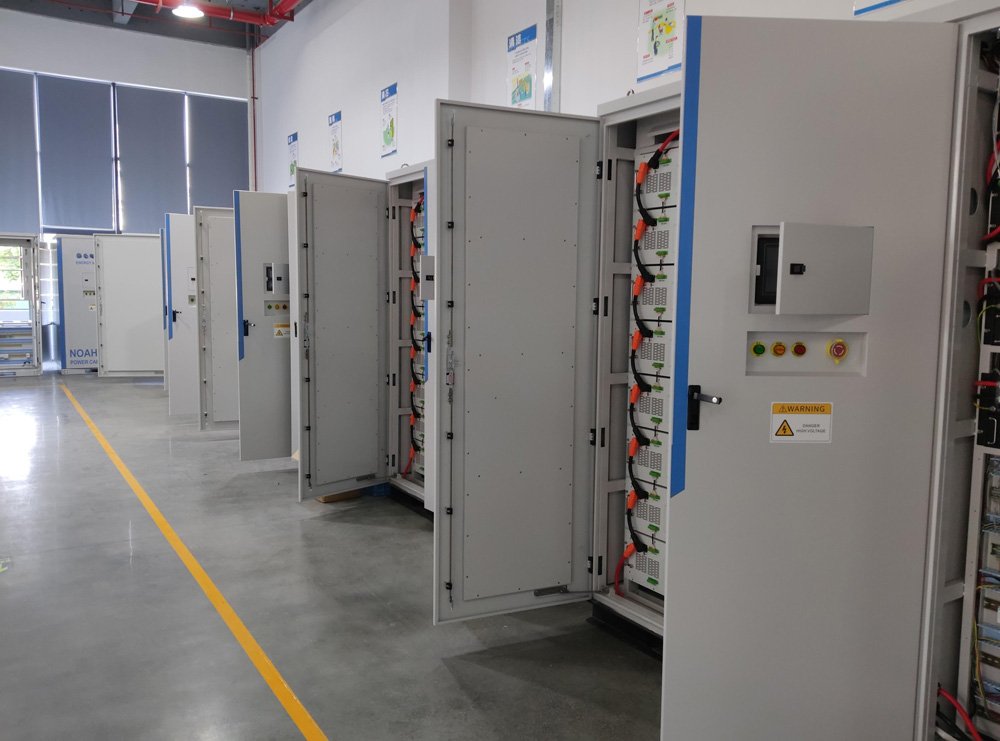
- حزمة الحلول المعبأة في حاويات:
- العاكسات الكهروضوئية
- بيس
- وحدات التحكم
- يقلل التصنيع المسبق من وقت وتكلفة البناء في الموقع.
14. اقتصاديات الشبكات الكهربائية الصغيرة: التكلفة والقيمة والحالات التجارية
14.1 اعتبارات النفقات الرأسمالية مقابل اعتبارات النفقات التشغيلية
عناصر التكلفة الرئيسية:
- المصفوفات الكهروضوئية وهياكل التركيب
- بيس (أنظمة البطاريات والعاكسات والحاويات)
- المولدات أو وحدات توليد الطاقة الحرارية الكهربائية
- ميزان المحطة (مجموعة المفاتيح الكهربائية، والمحولات، والحماية)
- أنظمة التحكم والمراقبة
الوفورات وتدفقات الإيرادات:
- مخفضة تكلفة طاقة الشبكة (حلاقة أوقات الذروة، وتعريفات وقت الذروة)
- قيمة المرونة (تجنب خسائر وقت التوقف عن العمل)
- المشاركة في أسواق خدمات الشبكة (حيثما كان ذلك مسموحًا)
- تجنب تكاليف وقود الديزل في الأماكن النائية أو غير المتصلة بالشبكة
14.2 مثال على تدفقات القيمة حسب التطبيق
الجدول 2 - تدفقات القيمة لقطاعات الشبكات المصغرة المختلفة
| الجزء | تدفقات القيمة الأساسية | المزايا الثانوية |
|---|---|---|
| C&I | توفير الطاقة في أوقات الذروة، والمرونة، وتوفير تكاليف الطاقة | العلامة التجارية للاستدامة وخفض الانبعاثات |
| الحرم الجامعي | المرونة وتحسين التكاليف والأبحاث | التدريس والابتكار والمشاركة المجتمعية |
| عن بُعد/خارج الشبكة | تقليل الديزل، والموثوقية، والوصول | تحسين الصحة والتعليم والنشاط الاقتصادي |
| العسكرية | أمن الطاقة ومرونتها واستقلاليتها | التدريب واختبار التكنولوجيا |
| سكني/مجتمعي | المرونة والتحكم في الطاقة المحلية | وفورات التعريفة الجمركية، والعدالة الاجتماعية، والوظائف المحلية |
15. مكونات التكنولوجيا: البطاريات والألواح الكهروضوئية وأجهزة التحكم
15.1 اتجاهات البطارية
- ليثيوم أيون لا تزال مهيمنة، خاصةً فوسفات الحديد الليثيوم (LFP) في التطبيقات الثابتة.
- التقنيات الناشئة:
- بطاريات التدفق (لمدة أطول)
- البطاريات القائمة على الصوديوم
- ركز على:
- السلامة (الإدارة الحرارية والوقاية من الحرائق)
- نماذج التدهور وتحسين دورة الحياة
15.2 تكامل الطاقة الشمسية الكهروضوئية
الاعتبارات الرئيسية:
- تحليل التوجه والتظليل
- اختيار العاكس (العاكس الخيطي مقابل العاكس المركزي مقابل العاكس الهجين)
- استراتيجيات التقليص خلال فترة الجزر
15.3 أجهزة التحكم بالشبكات الصغيرة
الوظائف الأساسية:
- إدارة الوضع (الاتصال بالشبكة مقابل الاتصال بالجزر)
- النقل الآلي وإعادة الإغلاق
- التحسين الأمثل لـ:
- إرسال المولدات
- شحن/تفريغ الشحن/التخزين
- تحديد أولويات التحميل
تتضمن بعض وحدات التحكم الآن الجدولة المستندة إلى التوقعات ومؤشرات الأداء الرئيسية المحددة من قبل المستخدم (على سبيل المثال، كثافة انبعاثات ثاني أكسيد الكربون).
16. المخاطر والتحديات
على الرغم من الزخم القوي، إلا أن الشبكات الصغيرة تواجه العديد من التحديات:
16.1 التعقيد التقني
- تنسيق الحماية في الأنظمة متعددة المصادر
- ضمان الاستقرار وجودة الطاقة في الوضع الجزري
- دمج المعدات القديمة
16.2 عدم اليقين التنظيمي
- قواعد متفاوتة على:
- التجزئة وإعادة الاتصال
- بيع فائض التوليد
- التعريفات ورسوم الشبكة
16.3 التمويل وتطوير المشاريع
- يمكن أن تكون مشاريع الشبكات الصغيرة مخصّصة ومحددة حسب الطلب والموقع, رفع تكاليف المعاملات.
- قد تواجه المشاريع الصغيرة صعوبة في جذب هياكل تمويل المشاريع التقليدية.
17. التوقعات المستقبلية: إلى أين تتجه الشبكات المصغرة
التوجهات الرئيسية للسنوات الخمس إلى العشر القادمة:
- النشر الأوسع نطاقاً في جميع القارات، بما في ذلك المناطق الريفية والحضرية.
- المزيد حلول موحدة ومعيارية لتقليل تعقيد التصميم والتكامل.
- تكامل أعمق مع:
- شحن السيارات الكهربائية والأساطيل
- أسواق الطاقة المحلية والتداول من نظير إلى نظير (عندما تسمح اللوائح بذلك)
- صعود الشبكات الصغيرة المتصلة بالشبكة و العاكسات المكوِّنة للشبكة التي تدعم الاستقرار على مستوى النظام.
18. لمحة مقارنة: المنشآت التقليدية مقابل المنشآت التي تعمل بالشبكات الصغيرة جداً
الجدول 3 - مرفق الشبكة التقليدية مقابل مرفق الشبكة الصغيرة (مقارنة عالية المستوى)
| الميزة | المرفق التقليدي (بدون شبكة صغيرة) | منشأة مزودة بشبكة متناهية الصغر |
|---|---|---|
| مرونة الانقطاع | محدودة (تعتمد على الشبكة + الديزل الاحتياطي) | مرتفع (وضع الجزيرة مع التوليد/التخزين المحلي) |
| التكامل المتجدد | عادةً ما تكون محدودة | عالية (الطاقة الشمسية، وطاقة الرياح، ومصادر الطاقة الشمسية والرياح، وتوليد الطاقة الكهربائية المختلطة) |
| التحكم في تكلفة الطاقة | محدودة؛ تعتمد على هيكل التعريفة الجمركية | تم التحسين من خلال تقليل الذروة والتحسين |
| ملف الانبعاثات | يتبع مزيج الشبكة؛ الديزل أثناء انقطاع التيار الكهربائي | يمكن أن تكون أقل بكثير مع مصادر الطاقة المتجددة |
| خدمات الشبكة | عدم المشاركة عادةً | يمكن تقديم خدمات إضافية (حيثما كان ذلك مسموحًا به) |
| رؤية البيانات | القياس الأساسي | مراقبة عالية الدقة في الوقت الحقيقي |
19. خاتمة ملائمة لتحسين محركات البحث
لقد تطورت الشبكات الكهربائية الصغيرة من تجريبية تجريبية إلى الأدوات السائدة للمرونة وإزالة الكربون وإدارة تكاليف الطاقة في صناعة الطاقة العالمية. وتشمل أقوى الاتجاهات ما يلي:
- اعتماد واسع النطاق لـ شبكات الطاقة الشمسية الكهروضوئية + البطاريات الصغيرة
- زيادة التركيز على المرونة للمرافق والمجتمعات الحرجة
- التكامل مع شحن السيارات الكهربائية والكهربة الاستراتيجيات
- ظهور نماذج الأعمال الجديدة, مثل الطاقة كخدمة
- التطور التدريجي لـ التنظيم والسياسات لاستيعاب الأنظمة اللامركزية
بالنسبة للمرافق العامة وصانعي السياسات والمطورين ومديري الطاقة في الشركات، توفر الشبكات الكهربائية الصغيرة منصة مرنة ومستقبلية تتماشى مع إزالة الكربون والرقمنة واللامركزية.
20. أسئلة وأجوبة احترافية: اتجاهات الشبكات الصغيرة في صناعة الطاقة العالمية
السؤال 1: ما هي أهم الدوافع وراء اعتماد الشبكات المصغرة الحالية في جميع أنحاء العالم؟
الإجابة:
الدوافع الرئيسية هي:
- المرونة: حماية الأحمال الحرجة من الانقطاعات المتكررة والشديدة المتزايدة في الشبكة.
- إزالة الكربون: الوفاء بالتزامات صافي الصفر من خلال دمج مصادر الطاقة المتجددة والتخزين في الموقع.
- تحسين التكلفة: تخفيض رسوم الطلب، والاستفادة من تعريفات وقت الاستخدام، وتقليل استخدام الديزل.
- السياسات والحوافز: البرامج الحكومية لتحديث الشبكة والطاقة النظيفة وكهربة الريف.
تركز المناطق المختلفة على محركات مختلفة، لكن المرونة وإزالة الكربون تهيمن على الروايات العالمية.
س2: ما هي القطاعات الأكثر استثماراً حالياً في الشبكات المصغرة؟
الإجابة:
يأتي الاستثمار الكبير من:
- التجارية والصناعية (C&I):: الشركات المصنعة، ومراكز البيانات، والخدمات اللوجستية، وكبار تجار التجزئة.
- الحرم الجامعي والمؤسسات:: الجامعات، والمستشفيات، والقواعد العسكرية، والحرم الجامعي التكنولوجي.
- المجتمعات النائية وغير المتصلة بالشبكة:: خاصة في أفريقيا وآسيا والمحيط الهادئ وأمريكا اللاتينية.
- المرافق و DSOs:: تصميم الشبكات الصغيرة وأنظمة الطاقة المحلية كجزء من تحديث الشبكة.
لكل قطاع أولوياته الخاصة: تركز C&I على المرونة والتكلفة؛ وتركز الجامعات على المرونة والبحث؛ والمناطق النائية على الوصول والحد من الديزل.
س3: كيف تقلل الشبكات الكهربائية الصغيرة عادةً من تكاليف الطاقة لعملاء C&I؟
الإجابة:
تعمل الشبكات الصغيرة على تقليل التكاليف من خلال:
- ذروة الحلاقة:: استخدام التخزين بالبطاريات لتقليل الطلب الأقصى وتجنب رسوم الطلب المرتفعة.
- المناوبة والمراجحة:: شحن التخزين عندما تكون الطاقة رخيصة وتفريغها خلال فترات ارتفاع الأسعار.
- التوليد في الموقع:: إنتاج جزء من الطاقة محلياً بالطاقة الشمسية أو الطاقة الحرارية الكهربائية بتكلفة هامشية أقل.
- الحد من الخسائر المرتبطة بانقطاع التيار الكهربائي:: تجنب تعطل الإنتاج أو تلف المخزون أو انقطاع الخدمة.
تعتمد الوفورات الدقيقة على هياكل التعريفة وملامح الأحمال ومزيج التوليد والتخزين.
س4: ما مدى أهمية تكنولوجيا البطاريات في مشاريع الشبكات الصغيرة اليوم؟
الإجابة:
أنظمة تخزين الطاقة بالبطاريات (BESS) هي مركزي للشبكات المصغرة الحديثة:
- توفير استجابة سريعة للموازنة وجودة الطاقة.
- التمكين التجزئة عن طريق تثبيت الجهد والتردد.
- الدعم التكامل المتجدد عن طريق تنعيم التباين.
- السماح بالاستراتيجيات المتقدمة مثل خفض الذروة، والموازنة، والاستجابة للطلب.
بينما يمكن للشبكات الكهربائية الصغيرة أن تعمل من الناحية الفنية باستخدام المولدات وحدها، فإن الجمع بين كهروضوئية + بيس هو الآن معيار فعلي للمنشآت الجديدة التي تركز على إزالة الكربون والمرونة.
السؤال 5: ما هي التحديات التنظيمية الرئيسية التي تواجهها الشبكات الصغيرة اليوم؟
الإجابة:
تشمل التحديات التنظيمية الشائعة ما يلي:
- قواعد الربط البيني: المتطلبات والعمليات التقنية لربط الشبكات الكهربائية الصغيرة بالشبكة الرئيسية.
- تصميم التعريفة: ضمان أن تأخذ التعريفات في الحسبان بشكل صحيح التوليد الذاتي والتصدير وتوفير خدمات الشبكة.
- المشاركة في السوق: السماح للشبكات الصغيرة بتحقيق الدخل من المرونة والخدمات الإضافية في أسواق الجملة أو الأسواق المحلية.
- نماذج الملكية والتشغيل: توضيح الأدوار والمسؤوليات بين المرافق والمطورين من القطاع الخاص والعملاء.
في العديد من الولايات القضائية، صُممت اللوائح التنظيمية لأنظمة الطاقة المركزية أحادية الاتجاه، ولا تزال اللوائح مصممة لأنظمة الطاقة الموزعة ثنائية الاتجاه.
السؤال 6: كيف تدعم الشبكات الصغيرة أهداف صافي الصفر الصافي على المستوى الوطني ومستوى الشركات؟
الإجابة:
تدعم الشبكات الصغيرة أهداف صافي الصفر الصافي من خلال:
- التمكين حصص عالية من مصادر الطاقة المتجددة في الموقع دون المساس بالموثوقية.
- تقليل الحاجة إلى الوقود الأحفوري الاحتياطي (خاصة الديزل).
- التحسين انبعاثات كل ساعة, على سبيل المثال، تحويل الأحمال إلى ساعات أنظف أو استخدام التخزين لتجنب فترات الانبعاثات العالية.
- توفير بيانات شفافة بشأن إنتاج الطاقة واستهلاكها وانبعاثاتها، ودعم إعداد التقارير والتحقق منها.
بالنسبة للشركات والمؤسسات، توفر الشبكات الصغيرة أيضاً دليلاً مرئياً وملموساً على التزاماتها الصافية الصفرية.
السؤال 7: ما هي التقنيات الناشئة التي يمكن أن تؤثر بشكل كبير على اتجاهات الشبكات المصغرة المستقبلية؟
الإجابة:
تشمل التقنيات الناشئة الرئيسية ما يلي:
- عاكسات تشكيل الشبكة:: تحسين استقرار الشبكة الصغيرة وتمكين المزيد من التشغيل المتجدد فقط.
- تخزين طويل الأمد (على سبيل المثال، بطاريات التدفق، والهيدروجين): تقليل الاعتماد على الوقود الأحفوري الاحتياطي في حالات الانقطاع المطول.
- نظام الإدارة البيئية المتقدم مع الذكاء الاصطناعي/التشغيل الآلي:: تحسين التنبؤ، وتحسين الإرسال، وإدارة الأنظمة المعقدة متعددة الأصول.
- تكامل المركبة إلى الشبكة (V2G):: الاستفادة من أساطيل المركبات الكهربائية كموارد مرنة للتخزين والنسخ الاحتياطي.
ومع نضوج هذه التقنيات وانخفاض تكاليفها، من المرجح أن توسع نطاق القيمة المقترحة ونطاق نشر الشبكات الصغيرة في جميع أنحاء العالم.