Introduction: The 2026 Energy Storage Landscape
The global shift toward energy independence has accelerated dramatically in 2026. As electricity costs continue to rise and grid reliability becomes increasingly uncertain, homeowners, businesses, and industrial operators are turning to solar energy storage as a strategic investment. At the heart of this transition lies one critical decision: choosing the right battery for your solar system.
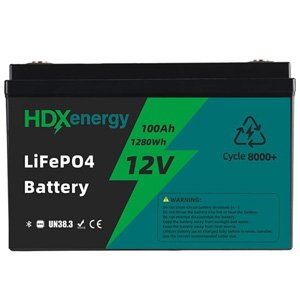
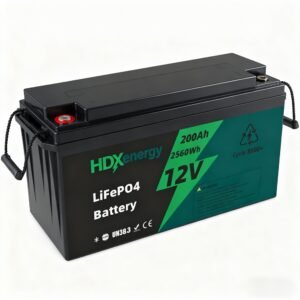
Among the available energy storage technologies, Lithium Iron Phosphate Battery (LiFePO₄) has emerged as the undisputed market leader. Unlike the generic lithium solutions of the past decade, today’s LiFePO₄ batteries are engineered to withstand rigorous daily cycling while delivering 15 to 22 years of reliable service . But with dozens of brands, capacity options, and technical specifications flooding the market, how do you make the right choice?
This comprehensive guide will walk you through everything you need to know about selecting the ideal LiFePO₄ battery for your solar system. We’ll cover capacity sizing, key performance metrics, safety certifications, cost analysis, and real-world application considerations—all backed by 2026 market data and industry standards.
Chapter 1: Why LiFePO₄ Dominates Solar Storage in 2026
Before diving into selection criteria, it’s essential to understand why LiFePO₄ chemistry has become the gold standard for solar applications.
The Chemistry Advantage
LiFePO₄ batteries belong to the lithium-ion family but offer distinct advantages over other lithium chemistries like NMC (Nickel Manganese Cobalt) or LCO (Lithium Cobalt Oxide). The fundamental difference lies in their crystalline structure, which provides exceptional thermal and chemical stability.
Performance Comparison: LiFePO₄ vs. Alternative Technologies
| Battery Type | Energy Density (Wh/kg) | Cycle Life | Max Temp Tolerance | Safety Level | Best Use Case |
|---|---|---|---|---|---|
| LiFePO₄ | 90–120 | 5,000–7,000+ | 65°C | Excellent | Off-grid, backup, high-temp environments |
| NMC | 150–220 | 1,500–2,000 | 55°C | Good | Residential & commercial solar |
| Lead-Acid | 30–50 | 300–500 | 40°C | Fair | Budget-limited, short-term use |
| AGM | 40–60 | 400–800 | 45°C | Good | Backup with low cycle requirements |
Data compiled from industry standards
Why Cycle Life Matters Most
For solar applications, cycle life is arguably the most critical metric. A typical off-grid home cycles its battery daily—charging during daylight hours and discharging overnight. With 365 cycles per year, a battery rated for 3,000 cycles would last approximately 8 years. In contrast, modern LiFePO₄ batteries rated for 6,000 to 8,000 cycles can deliver 16 to 22 years of service .
According to recent accelerated aging research published in Applied Energy (February 2026), high-quality LiFePO₄ cells maintain mechanistic consistency even under high-temperature and high-rate conditions, with degradation primarily dominated by loss of lithium inventory rather than structural failure . This research confirms that premium LiFePO₄ batteries can reliably achieve their rated cycle life when properly operated.
Chapter 2: Calculating Your Battery Capacity Needs
The most common mistake when selecting a solar battery is miscalculating capacity requirements. Too small, and you’ll face frequent outages; too large, and you’ll waste capital on unused capacity.
Step 1: Determine Daily Energy Consumption
Start by calculating your average daily energy usage in kilowatt-hours (kWh). Review your utility bills or use a power meter to measure consumption.
| Application Type | Typical Daily Consumption |
|---|---|
| Small home (2-3 people, energy-efficient) | 8–12 kWh/day |
| Medium home (3-4 people, standard appliances) | 15–20 kWh/day |
| Large home (central AC, pool, EV charging) | 25–40 kWh/day |
| Small business / retail | 20–30 kWh/day |
| Off-grid cabin / remote site | 5–15 kWh/day |
Data source: Industry averages
Step 2: Define Your Backup Duration
How many days of autonomy do you need? This depends on your location’s solar resource and your tolerance for grid dependence.
- Grid-tied with backup: 1–2 days of autonomy
- Off-grid in sunny regions: 2–3 days
- Off-grid in cloudy regions: 4–7 days
Step 3: Apply the Capacity Formula
The required battery capacity calculation must account for two critical factors:
- Depth of Discharge (DoD) – Unlike lead-acid batteries limited to 50% DoD, LiFePO₴ batteries safely deliver 80–90% of their rated capacity .
- System losses – Inverter and wiring losses typically consume 5–10% of stored energy.
Formula:
text
Required Capacity (kWh) = (Daily Load × Autonomy Days) ÷ (DoD × System Efficiency)
Example: A medium home with 15 kWh daily load needing 3 days of backup:
text
(15 × 3) = 45 kWh ÷ (0.85 × 0.92) = 45 ÷ 0.782 ≈ 57.5 kWh
Step 4: Translate to Battery Modules
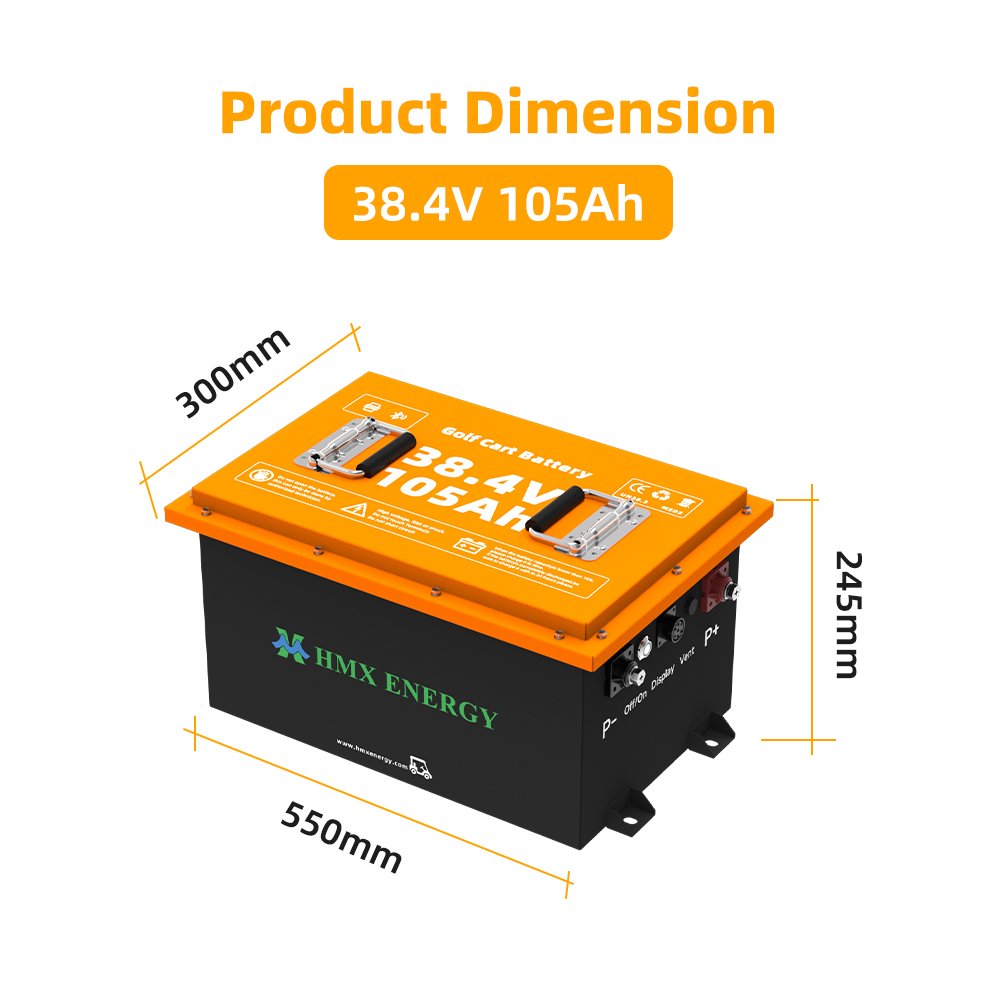
Most modern LiFePO₄ systems use standardized modules. The 51.2V 300Ah battery has become a popular choice, offering 15.36 kWh per module .
| Number of 51.2V 300Ah Units | Total Nominal Capacity | Usable Energy (at 85% DoD) |
|---|---|---|
| 4 units | 61.4 kWh | ~52 kWh |
| 5 units | 76.8 kWh | ~65 kWh |
| 6 units | 92.2 kWh | ~78 kWh |
For the example above (57.5 kWh required), 4 modules would suffice for most needs, while 5 units provide additional redundancy for critical loads or cloudier regions.
Chapter 3: Understanding Key Performance Metrics
When comparing LiFePO₄ batteries, you’ll encounter several technical specifications. Here’s what each means and why it matters.
Cycle Life and Calendar Life
Cycle life refers to the number of complete charge-discharge cycles a battery can deliver before its capacity degrades to 80% of its original rating. In 2026, premium LiFePO₄ modules are rated for 8,000 to 10,000+ cycles at 80% DoD .
Calendar life—the total time a battery remains functional regardless of cycles—is equally important. Advanced electrolyte stabilizers and precision thermal management now enable 15–20+ years of calendar life .
Depth of Discharge (DoD)
DoD indicates how much of the battery’s capacity can be used without causing accelerated degradation. LiFePO₄ batteries typically support 80–90% DoD, compared to 50% for lead-acid. Higher DoD means you get more usable energy from the same rated capacity .
Round-Trip Efficiency
This metric measures energy loss during charging and discharging. LiFePO₄ systems achieve 90–95% round-trip efficiency, meaning only 5–10% of the energy put into storage is lost .
C-Rate and Power Delivery
C-rate describes how quickly a battery can be charged or discharged relative to its capacity. A 1C rate means fully charging or discharging in one hour. For solar applications, look for batteries that support at least 0.5C continuous discharge (sufficient for most homes) and 1C for short-duration high-power needs like air conditioner startup .
Temperature Operating Range
LiFePO₄ batteries operate reliably from -20°C to 65°C, though extreme temperatures affect performance and longevity. Premium systems incorporate thermal management to maintain cell temperature variance within ±2°C, extending life by up to 30% .
Chapter 4: Safety Certifications and Quality Indicators
Safety should never be compromised when selecting a battery for your home or business. In 2026, the regulatory landscape has become more rigorous, with mandatory certifications ensuring product quality.
Essential Certifications
| Certification | Scope | Why It Matters |
|---|---|---|
| UL 1973 | Stationary battery safety | Validates thermal stability and electrical safety for energy storage systems |
| IEC 62619 | Industrial battery safety | International standard for safe operation of secondary lithium cells |
| UN38.3 | Transportation safety | Ensures batteries can be safely shipped without fire risk |
| TUV Mark | Product safety and performance | Independent third-party verification of quality standards |
| CCC (China) | Mandatory market access | Required for certain applications; indicates compliance with national safety standards |
In March 2026, several manufacturers achieved TUV Mark certification, confirming their LiFePO₄ batteries meet strict international safety, performance, and reliability standards . When evaluating batteries, prioritize those carrying these recognized certifications—they represent verified quality rather than marketing claims.
What to Look for in a Battery Management System (BMS)
The BMS is the brain of your battery, protecting cells from overcharge, over-discharge, over-current, and temperature extremes. In 2026, advanced BMS features include:
- AI-predictive health analytics – Forecasts remaining useful life and detects anomalies before they cause failures
- Bluetooth/WiFi connectivity – Enables real-time monitoring via smartphone apps
- CAN/RS485 communication – Allows seamless integration with inverters and energy management systems
- Automatic cell balancing – Maintains uniform voltage across all cells for maximum cycle life
- Self-heating functionality – Protects batteries in cold climates by warming cells before charging
Chapter 5: Cost Analysis – Upfront Price vs. Long-Term Value
The initial purchase price often dominates buyer attention, but the true measure of battery value is the Levelized Cost of Storage (LCOS)—the cost per kilowatt-hour stored over the system’s lifetime.
2026 LiFePO₄ Pricing Overview
| Battery Type / Use Case | Price per kWh (USD) |
|---|---|
| Bulk cells (B2B) | $120–$160 |
| DIY or unbranded packs | $150–$220 |
| Branded complete packs | $200–$280 |
| Residential storage systems (5–20 kWh) | $800–$1,300/kWh (installed) |
| Commercial storage (50–500 kWh) | $700–$1,000/kWh (installed) |
Cost Per Cycle Comparison
When you calculate cost per usable cycle, LiFePO₄ consistently outperforms alternatives:
| Battery Type | Upfront Cost (10 kWh usable) | Usable Cycles | Cost per Cycle |
|---|---|---|---|
| LiFePO₄ | $2,500 | 6,000 | $0.42 |
| AGM | $1,200 | 500 | $2.40 |
| Lead-Acid | $900 | 400 | $2.25 |
Factors Affecting LiFePO₄ Price
Several factors influence the final price you’ll pay:
- Raw material costs – Lithium iron phosphate costs $15–20/kg, significantly lower than NMC materials ($25–35/kg)
- Manufacturing scale – Gigafactory expansion continues to drive down per-unit costs
- BMS sophistication – Advanced monitoring and connectivity features add $50–$200 per module
- Brand and warranty – Premium brands with 10-year warranties command higher prices but offer better long-term protection
- Certification costs – UL, TUV, and other certifications increase manufacturing costs but ensure quality
Chapter 6: High-Capacity vs. Standard-Capacity Configurations
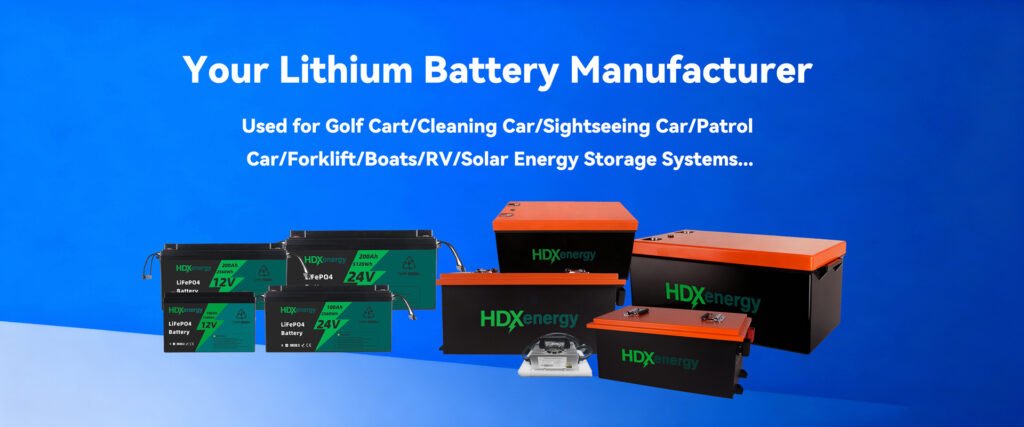
One of the most significant procurement decisions in 2026 is whether to choose high-capacity packs (200Ah–300Ah+) or standard-capacity configurations (50Ah–100Ah). Each serves distinct applications .
Comparison Summary
| Feature | High-Capacity Packs | Standard-Capacity Packs |
|---|---|---|
| Typical Capacity | 200–300+ Ah (up to 15 kWh) | 50–100 Ah (up to 2 kWh) |
| Best Applications | Whole-house ESS, commercial solar, grid backup | RVs, boats, small cabins, portable power |
| BMS Features | Advanced (Bluetooth, self-heating, parallel balancing) | Basic to intermediate |
| Installation | Professional mounting required; heavy | DIY-friendly; lightweight |
| Cost per kWh (2026) | $230–$320 (bulk) | $270–$410 (retail) |
| Cold Weather Management | Internal heaters, advanced protection | Manual mitigation required |
| Typical Warranty | 5–10 years | 3–5 years |
Data compiled from market analysis
When to Choose High-Capacity
High-capacity packs excel in:
- Whole-home backup – Single packs or small parallel configurations provide sufficient power for HVAC, well pumps, and multiple appliances
- Commercial and industrial systems – Reduced complexity with fewer parallel strings
- Off-grid communities – Village-scale microgrids requiring 10kWh+ daily storage
- Time-of-use optimization – Storing sufficient energy to avoid peak utility rates
When to Choose Standard-Capacity
Standard-capacity packs are ideal for:
- Mobile applications – RVs, boats, and campers where weight and space are constraints
- Entry-level solar systems – Smaller homes or starter systems with expansion potential
- Portable power stations – Job sites, events, and remote work locations
- Single-appliance backup – Refrigerators, medical equipment, or home offices
Chapter 7: Sizing Your Solar Array for Battery Charging
A common oversight is focusing solely on battery capacity without considering whether your solar array can adequately recharge the battery bank.
The Solar-to-Battery Ratio
Industry guidelines recommend a solar array sized to produce 60–80% of your battery capacity daily under average conditions .
Rule of thumb: Solar array size (kW) = Battery capacity (kWh) × 0.6–0.8
For a 60 kWh battery bank: 60 × 0.7 = 42 kWh/day of solar production, requiring approximately 8–12 kW of solar panels depending on your location’s peak sun hours.
Recharge Time Considerations
Your system’s recharge capability directly affects how quickly you can recover from consecutive cloudy days. For true 3-day backup functionality, the solar array must be sized to fully recharge batteries within 1–2 days of good sunlight.
Chapter 8: Installation and Integration Considerations
Compatibility with Inverters
Not all LiFePO₄ batteries work seamlessly with all inverters. When selecting a battery, verify:
- Voltage compatibility – Most residential systems use 48V nominal (51.2V LiFePO₄)
- Communication protocol – CAN bus, RS485, or dry contact compatibility with your inverter brand
- Closed-loop vs. open-loop operation – Closed-loop communication between BMS and inverter optimizes charging parameters and extends battery life
Physical Installation Requirements
Consider these practical factors:
- Mounting location – Indoor vs. outdoor; temperature-controlled environments extend life
- Ventilation – While LiFePO₄ doesn’t off-gas like lead-acid, proper airflow supports thermal management
- Weight loading – High-capacity packs can weigh 100–200 lbs each; verify floor or wall mounting capability
- Expansion space – Plan for additional modules if you anticipate future capacity needs
Modularity and Scalability
One of the greatest advantages of modern LiFePO₄ systems is modular design. Starting with a smaller system and adding modules as needs or budgets grow provides flexibility without requiring a complete system replacement .
Chapter 9: Real-World Applications and Case Examples
Residential Whole-Home Backup
Scenario: A 2,500 sq. ft. home in California with central AC, EV charging, and typical appliances. Daily consumption: 25 kWh. Goal: 24-hour backup plus time-of-use optimization.
Recommended configuration:
- 5 × 51.2V 300Ah LiFePO₄ modules (76.8 kWh total, 65 kWh usable)
- 10 kW solar array
- 8 kW hybrid inverter with 10-year warranty
Outcome: Provides full home backup for 2–3 days; EV charging during peak solar hours reduces utility bills by 70%.
Off-Grid Cabin
Scenario: Remote mountain cabin with no grid access, occupied weekends and holidays. Daily consumption: 8 kWh (lights, refrigerator, water pump, small appliances).
Recommended configuration:
- 2 × 51.2V 300Ah LiFePO₄ modules (30.7 kWh total, 26 kWh usable)
- 3 kW solar array
- 5 kW off-grid inverter with generator input for backup
Outcome: Provides 3 days of autonomy; batteries maintain charge during weekdays through minimal solar trickle.
Small Business Peak Shaving
Scenario: Retail store with 15 kW solar array, daily consumption 40 kWh. High utility demand charges from 4-9 PM.
Recommended configuration:
- 4 × 51.2V 300Ah LiFePO₄ modules (61.4 kWh total)
- Closed-loop BMS communicating with inverter
- Energy management software for automated peak shaving
Outcome: Stores excess solar production during midday, powers store during peak rate periods, reducing demand charges by 30–40% .
Chapter 10: 2026 Market Trends and Future Outlook
Price Trends
Industry analysts predict gradual price declines over the next 5–10 years as manufacturing scales and supply chains mature . The cost per kWh for LiFePO₄ systems is expected to decrease 10–15% by 2028, making solar storage increasingly accessible.
Technology Advancements
Emerging trends to watch:
- AI-optimized energy management – Systems that learn usage patterns and predict solar generation for optimal charging
- Liquid-cooling technology – Maintaining cell temperature variance within ±2°C, extending life by up to 30%
- Higher voltage systems – 800V+ architectures for reduced cable losses in commercial installations
- Second-life applications – Growing markets for repurposing EV batteries for stationary storage
Regulatory Developments
The inclusion of lithium batteries in mandatory certification programs (such as CCC in China) signals increasing regulatory oversight . Buyers should expect stricter quality requirements and should prioritize certified products to ensure compliance and safety.
Conclusion: Making Your Selection
Choosing the right LiFePO₄ battery for your solar system requires balancing multiple factors: capacity requirements, performance specifications, safety certifications, and budget. The optimal choice depends on your unique application, but following these guidelines will help ensure success:
- Calculate accurately – Base capacity requirements on measured consumption, not estimates
- Plan for the long term – Factor in future expansion and 10+ year system life
- Prioritize safety – Select batteries with recognized certifications (UL, IEC, TUV)
- Consider total cost – Focus on cost per cycle rather than upfront price alone
- Verify compatibility – Ensure battery and inverter communication protocols match
- Choose reputable brands – Established manufacturers with strong warranties reduce long-term risk
LiFePO₄ technology has matured significantly, and 2026 offers more reliable, affordable options than ever before. By making an informed choice today, you’re investing in energy independence that will serve you well for the next two decades.
Frequently Asked Questions
Q1: How long do LiFePO₄ solar batteries actually last in real-world use?
A: Under normal operating conditions with proper thermal management and appropriate depth of discharge (80–90%), premium LiFePO₄ batteries deliver 8,000–10,000 cycles, translating to 15–22 years of daily cycling. Calendar life is equally important—advanced electrolyte formulations now enable 20+ years of service even with moderate cycling . The 2026 research from Beijing Institute of Technology confirms that high-quality cells maintain mechanistic stability throughout their lifespan when operated within specified parameters .
Q2: Can I add more batteries to my existing system later?
A: Yes, most modern LiFePO₄ systems are designed for modular expansion. However, there are important considerations: add batteries within 1–2 years of initial installation to avoid significant cell mismatch; verify your inverter supports the expanded capacity; and ensure the BMS can manage parallel strings effectively. Some manufacturers recommend using batteries from the same production batch for optimal performance .
Q3: What is the actual usable capacity difference between LiFePO₄ and lead-acid?
A: A LiFePO₄ battery rated at 10 kWh delivers 8–9 kWh of usable energy (80–90% DoD), while a lead-acid battery with the same nominal rating delivers only 4–5 kWh (50% DoD). This means you effectively need twice the lead-acid capacity to achieve the same usable storage—making LiFePO₄’s higher upfront cost significantly more economical in practice .
Q4: Do LiFePO₄ batteries require special ventilation or cooling?
A: Unlike lead-acid batteries, LiFePO₄ does not emit explosive gases during normal operation, so dedicated venting is not required. However, operating temperatures significantly affect lifespan. For best results, install batteries in locations maintaining 15–25°C year-round. Premium systems incorporate liquid cooling or forced air thermal management to maintain optimal temperatures .
Q5: What certifications should I look for when buying a LiFePO₄ battery?
A: For stationary solar applications, prioritize UL 1973 (safety for energy storage systems) or IEC 62619 (international safety standard). For products sold in markets requiring mandatory certification (such as China’s CCC for certain applications), ensure compliance. Transportation safety is verified by UN38.3. Third-party marks like TUV provide additional quality assurance .
Q6: How do I know if my inverter is compatible with a specific LiFePO₄ battery?
A: Check three compatibility factors: voltage (48V systems typically use 51.2V LiFePO₄), communication protocol (CAN bus, RS485, or simple dry contact), and charge/discharge parameters. Many manufacturers publish compatibility lists. Closed-loop communication—where the battery BMS directly controls inverter charging—is strongly recommended for optimal performance and longevity .
Q7: What happens to LiFePO₄ batteries at the end of their useful life?
A: LiFePO₄ batteries are highly recyclable. The materials—lithium, iron, phosphate, copper, and aluminum—can be recovered and reused. Unlike lead-acid, which contains toxic lead, LiFePO₄ chemistry presents fewer environmental hazards. Many manufacturers now offer take-back programs, and second-life applications (repurposing for less demanding stationary storage) are increasingly common .
Q8: How does cold weather affect LiFePO₄ performance?
A: Charging LiFePO₄ batteries below 0°C (32°F) without protection can cause permanent damage due to lithium plating. However, many 2026 models include self-heating functionality that warms cells before accepting charge. Discharging in cold temperatures is safe but reduces available capacity temporarily. For cold climates, select batteries with built-in heaters or install in temperature-controlled enclosures .
References
- SolarEast BESS. (2026). Long-cycle LiFePO₄ Module & ESS Lithium Ion Battery Guide.
- Whetenergy. (2026). *Solar Battery Sizing for 3-Day Backup Using 51.2V LiFePO₄ Systems*.
- Ufine Battery. (2026). LiFePO₄ Battery Price: Cost per kWh Explained.
- Nan, D., Wang, P., Jia, Y., Shen, W., & Xiong, R. (2026). Multi-stress accelerated aging for cycle life evaluation of high-capacity, long-life Lithium Iron phosphate batteries. Applied Energy, 404, 127126.
- Godson Technology. (2026). TUV Mark Certification for LiFePO₄ Battery Series.
- SunGarner. (2026). Top Solar Battery Solutions in 2026: Features, Price & Performance.
- Alibaba. (2026). *High-Capacity vs. Standard-Capacity LiFePO₄ Battery Packs: 2026 Buyer Intelligence Guide*.
- Chinahuaniu. (2026). Phosphate Iron Lithium Photovoltaic Energy Storage Battery Price.
- ZRKL Laboratory. (2026). CCC Certification for Lithium Iron Phosphate Batteries: Regulatory Requirements.
- Alibaba. (2026). Lithium Battery for Solar Power: Detailed Standards, Properties, and Performance Analysis.