You can see microgrids changing many communities worldwide. These systems give steady energy and make places stronger. This is very helpful where normal power cannot go. You learn from real examples. Microgrids help people save money and grow in a better way.
Microgrids help rural places save money and give steady power.
| Application Segment | Key Benefits | Cost Considerations |
|---|---|---|
| Rural Electrification | Steady energy, saves money with PV/batteries over diesel | Saves a lot of money |
| Off-grid Telecom Towers | Good energy supply, can save money | Up-front costs vs. running costs |
Key Takeaways
- Microgrids give steady energy. They work well when normal power stops. Using solar and wind energy saves money. It also helps the planet. Microgrids help people by keeping important things working in emergencies. When people help with microgrid projects, they feel proud. They also learn to work together. Hybrid systems use many energy sources. This means there is power even in bad weather. Smart energy systems let people check their energy use right away. This helps them use energy better. Good rules and ways to pay are needed for microgrid projects to work. Seeing other microgrids work well can give ideas. It can help people make their own clean energy plans.
Microgrid Basics and Global Importance
What Is a Microgrid
You can think of a microgrid as a small power system that works for a local area. It can supply electricity to a village, a school, or even a group of homes. This system can connect to the main power grid, or it can work on its own. When you use a microgrid, you get more control over your energy. You can use solar panels, batteries, or other sources to make sure you always have power, even if the main grid goes down.
Key Benefits
You will find many reasons why people choose microgrids. They help you save money and protect the environment. Here are some main benefits:
- You can use renewable energy, like solar or wind, in a cost-effective way.
- You lose less energy because the power does not travel far.
- You get higher energy efficiency, which means you use less power to do the same work.
- You help lower carbon emissions, which is good for the planet.
- You support a cleaner and more sustainable future.
When you use a microgrid, you also help your community. You can keep schools, hospitals, and homes running during storms or blackouts. This makes your area stronger and safer.
Global Adoption Trends
Many places around the world now use microgrids. You see them in cities, islands, and remote villages. In the United States, schools and hospitals use microgrids to keep the lights on during emergencies. In Africa and Asia, microgrids bring power to places that never had it before. Countries want to use more clean energy, so they build more microgrids every year. You can see this trend growing as people look for better ways to get reliable and green power.
Rural Microgrid Success Stories
India Solar Villages
Project Goals
Many villages in India did not have power before. The main goal was to bring light and electricity to these places. Leaders wanted people to live better, learn more, and feel safer at home. They also wanted everyone to use clean energy from the sun.
Implementation
Solar panels are on rooftops and fields in these villages. Workers put in batteries to save energy for nighttime. Local people learned how to care for the system. Women and young people joined the project teams. This made everyone feel proud and part of the work.
Tip: Solar panels and batteries give you power even after sunset.
Outcomes
Big changes happened in these villages. Children can study at night now. Shops stay open longer. Health clinics use fans and lights. There is less smoke because people use fewer kerosene lamps. Families save money since they buy less fuel. The whole community feels safer and happier.
| Benefit | Before Solar Microgrid | After Solar Microgrid |
|---|---|---|
| Lighting | Kerosene lamps | Clean electric light |
| Study Time | Limited | More hours |
| Health & Safety | Poor air, dark roads | Clean air, safe roads |
| Income | Low | Higher |
Africa Mini-Grids
Tanzania Hybrid Systems
Small towns in Tanzania use hybrid systems. These mix solar panels, batteries, and sometimes diesel generators. You get steady power even when weather changes. Local teams help run and fix the system. This makes sure you always have electricity.
Community Impact
New jobs are in these towns. People open small businesses like phone charging shops and cold drink stands. Schools and clinics work better with steady power. Women and children spend less time getting firewood. More children go to school and families earn more money.
Note: A Microgrid can change your whole community. You get better health, more learning, and new ways to earn money.
These projects in India and Africa show the power of local energy solutions. They help you build a brighter future for your community.
Urban and Campus Microgrid Innovations
Brooklyn Microgrid, USA
Peer-to-Peer Trading
You can see how new ideas change the way people use energy in Brooklyn, New York. The Brooklyn Microgrid lets neighbors buy and sell electricity with each other. People who have solar panels on their roofs can share extra power with others nearby. You do not need a big company to control this. You use a special platform that tracks how much energy you make and use. This system helps you save money and use more clean energy.
Tip: When you trade energy with your neighbors, you help your community and the planet.
Community Engagement
You play a big part in the Brooklyn Microgrid. People join meetings and share ideas about energy. You can vote on rules and help decide how the system works. This makes you feel like you own the project. Many people in Brooklyn now care more about where their power comes from. You see more trust and teamwork in the neighborhood. When you work together, you make your city stronger and greener.
Monash University, Australia
Smart Energy City
You can visit Monash University in Melbourne to see a smart energy city in action. The campus uses solar panels, batteries, and smart controls to manage power. You get clean energy from the sun during the day. At night, you use stored energy from batteries. The system can switch between using the main grid and running on its own. This keeps the lights on even if there is a problem with the city’s power.
| Feature | How It Works at Monash University |
|---|---|
| Solar Panels | Make clean energy for the campus |
| Battery Storage | Save extra power for later use |
| Smart Controls | Balance energy use and supply automatically |
| Grid Connection | Switch between grid and island mode |
Research and Education Impact
You learn a lot from the Monash University project. Students and teachers use the Microgrid for research. They test new ideas and find better ways to use energy. You can join classes that teach about clean power and smart systems. The campus also shares what it learns with other schools and cities. This helps more people build better energy systems in the future.
Note: When you study real projects, you get skills that help you lead in clean energy.
Industrial Microgrid Applications
Agnew Gold Mine, Australia
Mining Operations
The Agnew Gold Mine is far from big cities in Western Australia. The mine needs strong power all the time to run machines. It uses solar panels, wind turbines, batteries, and diesel generators. This mix helps the mine work even when weather changes. Workers use this system for drills, lights, and safety tools. The mine can keep running without stopping. This keeps workers safe and helps make more gold.
Fact: The Agnew Gold Mine has one of the biggest hybrid renewable systems in mining.
Diesel vs. Renewable
Diesel generators cost a lot and make more pollution. Solar and wind save money on fuel and help the environment. Batteries store extra energy for night or when wind stops. Diesel only turns on when more power is needed. This mix gives steady power and saves money.
| Power Source | Cost to Run | Pollution | Reliability |
|---|---|---|---|
| Diesel Only | High | High | Good |
| Hybrid System | Lower | Low | Very Good |
Russia Far-East Portfolio
Remote Power Generation
In the far east of Russia, many towns and factories are remote. They cannot connect to the main grid. Companies build special Microgrid systems for these places. They use small power plants with local fuels like natural gas or small hydro. Some sites add wind turbines or solar panels. These systems give power even in bad weather and far from cities.
Scale and Impact
The Russia Far-East Portfolio has many Microgrid sites. Each one helps a different town or factory. This lets people live and work where there was no power before. Schools, hospitals, and homes get steady electricity. Businesses can grow without worrying about blackouts. These projects show Microgrids help both industry and community life, even in hard places.
Note: Microgrids in remote areas help people stay safe and keep businesses working.
Microgrid Disaster Resilience
Puerto Rico Community Grids
Post-Hurricane Recovery
Big storms can change life in Puerto Rico. Hurricane Maria made many people lose power for months. People needed a way to keep lights on during disasters. Community grids started in towns and villages. These small systems use solar panels and batteries. They work even if the main grid stops. Homes, schools, and clinics get power. People feel safer because they know they will have electricity during storms.
Tip: Solar and battery systems help you stay ready for emergencies.
Community Involvement
You help make these grids work. Local groups plan and build the systems. Neighbors learn how to care for the equipment. You can join meetings and share ideas. Teamwork makes the project stronger. When you help, the system fits your needs. You also learn new skills that help your community grow.
| Benefit | Before Microgrid | After Microgrid |
|---|---|---|
| Power Outages | Very common | Much less often |
| Community Control | Low | High |
| Safety | Low | High |
Japan Smart Microgrids
Renewable Integration
Japan uses smart energy systems after a big earthquake and tsunami in 2011. Cities use smart grids with solar panels, wind turbines, and batteries. These systems can switch between the main grid and local power. You get steady electricity even if there is a disaster. You also use more clean energy, which helps the planet.
Lessons Learned
You learn many things from Japan’s experience. Planning is important. You need to think about what your community needs most. Training helps everyone use the system well. Sharing information makes the project better. Using a Microgrid builds a safer and greener future for your town.
Note: Working together and using smart technology helps you stay strong during hard times.
Microgrid Technologies and Approaches
PV/Battery vs. Diesel
You can choose between solar panels with batteries or diesel generators for your energy needs. Solar panels, also called PV, use sunlight to make electricity. Batteries store extra energy for use at night or on cloudy days. Diesel generators burn fuel to make power. Each system has different costs and effects on the environment.
| Technology | Fuel Needed | Pollution | Cost Over Time | Maintenance |
|---|---|---|---|---|
| PV/Battery | Sunlight | Low | Lower | Low |
| Diesel | Diesel | High | Higher | High |
Solar and battery systems help you save money in the long run. You do not need to buy fuel every day. Diesel generators cost less at first, but you spend more on fuel and repairs. Solar and battery systems make less noise and keep the air cleaner.
Tip: If you want to lower pollution and save money, solar and battery systems are a smart choice.
Hybrid Systems
You can use a mix of energy sources in a hybrid system. This means you combine solar panels, batteries, and sometimes diesel generators. Hybrid systems give you steady power, even when the sun does not shine. You can switch between sources based on what you need.
Hybrid systems work well in places with changing weather. You get the benefits of clean energy and backup power. You can also control costs by using less diesel fuel. Many communities use hybrid systems to keep schools, clinics, and homes running all day.
- Solar panels make power during the day.
- Batteries store extra energy.
- Diesel generators turn on when needed.
Note: Hybrid systems help you stay ready for anything. You always have power, even if one source stops working.
Grid-Connected vs. Islanded
You can connect your Microgrid to the main power grid or run it alone. A grid-connected system shares power with the big grid. You can sell extra energy or buy power when you need more. An islanded system works by itself. It does not need the main grid.
| Mode | Main Grid Needed | Sell Extra Power | Good for Emergencies |
|---|---|---|---|
| Grid-Connected | Yes | Yes | Sometimes |
| Islanded | No | No | Yes |
Grid-connected systems help you earn money and use less backup power. Islanded systems give you more control. You can keep the lights on during storms or blackouts. You choose the best mode for your needs and location.
Callout: You can build a Microgrid that fits your community. Think about your weather, costs, and how much control you want.
Philippines Case: HDX Energy Solar-Storage Microgrid
Project Overview
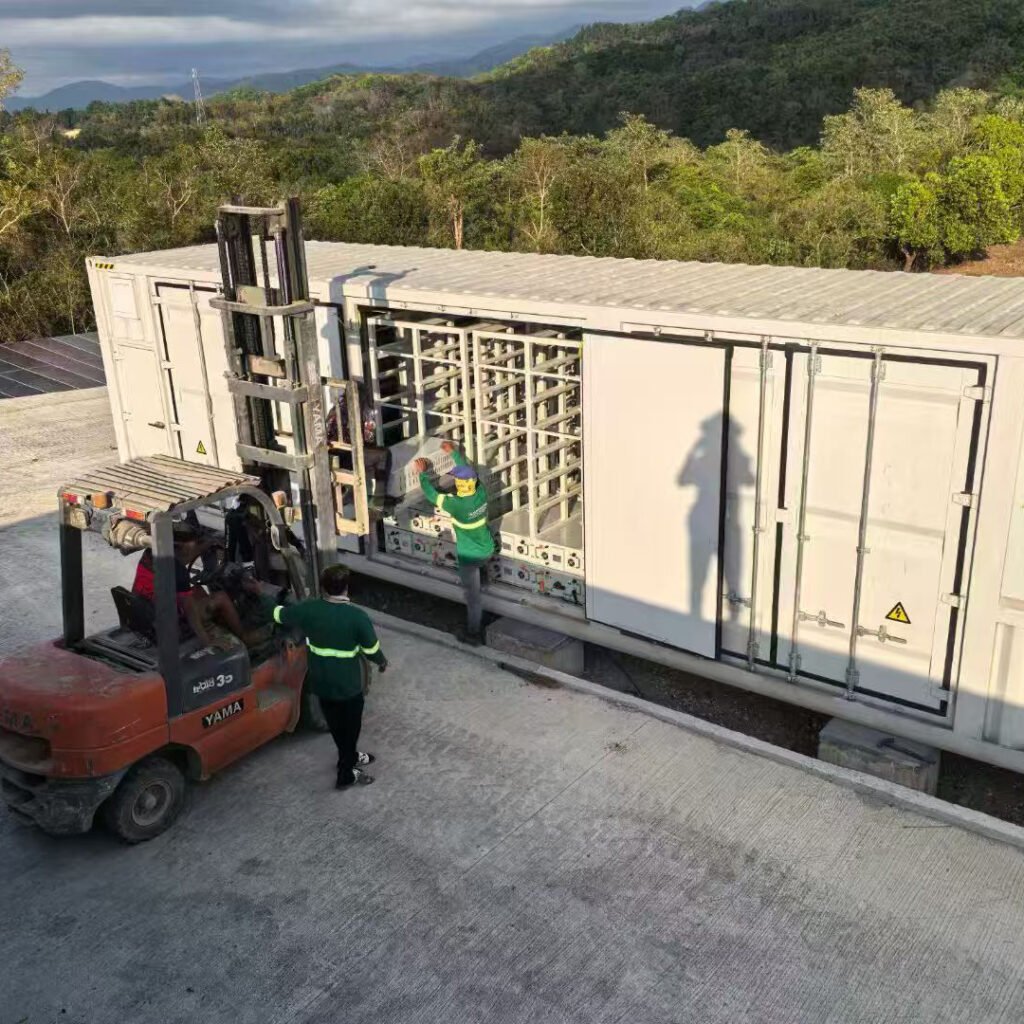
The Philippines has many energy problems. Some islands and far places need steady power. HDX Energy made a special Solar-Storage Integrated Solution for these needs. This project uses solar panels, a big battery, and smart controls. You get electricity even if the weather changes or the main grid stops. The system works well in the local climate. It helps homes and businesses. You can use it in cities, factories, or remote villages. HDX Energy helps from the first plan to the final setup. They make sure the system fits your community.
Callout: This solution keeps your lights on during storms or blackouts.
Technical Highlights
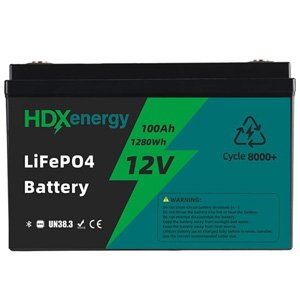
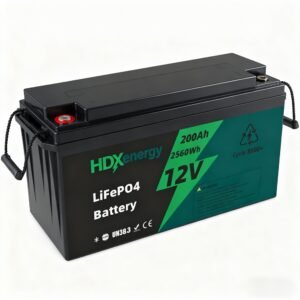
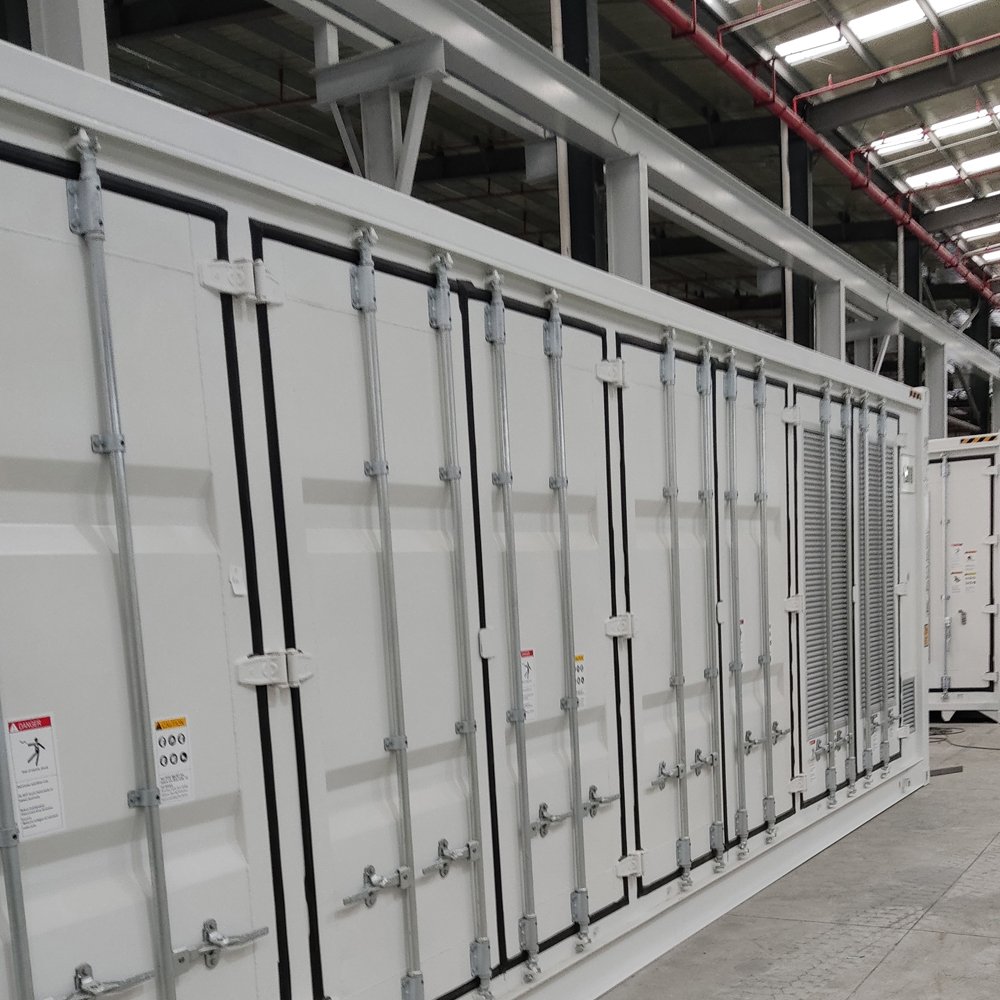
This system uses advanced technology. The main part is a 4.3MWh energy storage battery. The battery saves extra solar power during the day. You can use this energy at night or when it is cloudy. The battery works well in the hot and humid Philippines. It can handle temperatures from -20℃ to 60℃. It stands strong against typhoons and high humidity.
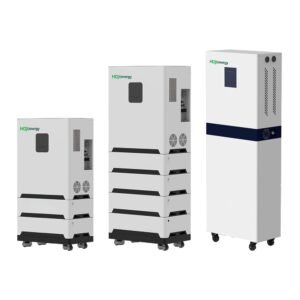
The 35kVA Power Conversion System connects the battery to the grid. It is small and powerful. It supports both 3-phase and split-phase grids. The PCS makes installation simple and keeps power steady. It follows local grid rules. It can switch between grid-tied and off-grid modes. You can add more units if you need more power.
Safety is very important. The battery uses lithium iron phosphate cells with many layers of protection. You do not have to worry about overcharging or overheating. The system can last over 10 years. This gives you peace of mind.
| Feature | Benefit for You |
|---|---|
| 4.3MWh Battery | Stores lots of energy for later use |
| 35kVA PCS | Easy grid connection and stable power |
| Climate Resilience | Works in heat, humidity, and storms |
| Safety Features | Protects against common battery risks |
| Grid Integration | Fits local rules and supports expansion |
Implementation and Outcomes
You see real results with this solution. HDX Energy helps you at every step. You get a system made for your site. Expert engineers give on-site support. The team helps you connect to the grid. They teach you how to use the system. You do not worry about setup or maintenance.
The Power Studio monitoring platform gives real-time data. You can check how much energy you make and use. If there is a problem, you get alerts right away. This helps you fix issues fast and keep costs low. You can manage your energy better and make smart choices.
You also save money. The system lets you use more solar power and less diesel fuel. You can sell extra energy to the grid during peak hours. This means more income for your business or community. The solution supports local jobs. It helps the environment by lowering pollution.
Tip: With HDX Energy’s full-lifecycle services, you get support from start to finish. You can focus on your goals while experts handle the technical details.
You can trust this Microgrid to give reliable, safe, and clean energy. The project shows how smart technology and local adaptation can change the way you power your world.
Future Opportunities and Lessons
You have seen how Microgrid projects change lives around the world. Now, you can look at what comes next. You can learn from these stories and use the lessons for your own community. Here are some important things to think about for the future.
Policy and Regulation
You need good rules to help Microgrid projects grow. Clear policies make it easier for you to start new projects. Governments can help by making simple steps for permits and grid connections. You can work with local leaders to make sure the rules fit your needs. When you have strong support, you can build safer and more reliable energy systems.
Tip: Ask your local leaders about energy policies. You can help shape the rules for your area.
Financing Models
Money is a big part of every project. You can use different ways to pay for Microgrid systems. Some people use loans from banks. Others get help from the government or from groups that want to support clean energy. You can also join with your neighbors to share the costs. When you have more choices, you can find the best way to pay for your project.
| Financing Option | What It Means for You |
|---|---|
| Bank Loans | Borrow money and pay back later |
| Government Grants | Get help with no payback needed |
| Community Funding | Share costs with others nearby |
| Private Investment | Get support from companies |
Note: You can talk to experts to learn which option fits your needs best.
Scaling Microgrids
You can start small and grow bigger over time. Many projects begin with just a few homes or a school. Later, you can add more solar panels, batteries, or even wind turbines. You can connect more buildings as your needs change. When you plan for growth, you make sure your system stays strong and useful for many years.
- Start with what you need now.
- Add more parts as your community grows.
- Use smart controls to manage new energy sources.
Callout: You can build a better future by learning from others and planning for change.
You can use these lessons to make your own Microgrid project a success. Good rules, smart financing, and careful planning help you bring clean energy to more people. The future looks bright when you work together and keep learning.
You know microgrids help people in cities and villages. They also help industries. Microgrids give steady power and save money. They protect the planet too. You can use these ideas for your own energy plans. Try new technology and ask about local energy rules.
Tip: If you learn from real stories, you can make your community stronger and greener.
Microgrids will help you bring clean and reliable energy.
FAQ
What is a microgrid?
A microgrid is a small power system for your community or business. You can use it with the main grid or by itself. It gives you more control over your energy.
How does a microgrid help during blackouts?
You stay powered during blackouts. The microgrid uses batteries and solar panels to keep your lights on when the main grid fails.
Can you save money with a microgrid?
Yes, you can save money. You use less diesel fuel and more solar power. You also lower your energy bills over time.
Is a microgrid good for the environment?
You help the planet by using clean energy. Solar panels and batteries make less pollution than diesel generators.
Who can use the HDX Energy Solar-Storage Integrated Solution?
You can use it in homes, schools, factories, or remote villages. The system fits many places in the Philippines.
How do you know if your microgrid works well?
You check real-time data with the Power Studio platform. You see how much energy you make and use. You get alerts if there is a problem.
What support do you get from HDX Energy?
You get help from start to finish. HDX Energy gives you design, setup, and training. You also get support for grid connection and maintenance.