You need power you can trust for hospitals and campuses. Microgrid solutions give you a local energy system. This helps you have your own energy and keeps things working. It works even if the main grid stops. Many schools now use IoT sensors to check energy use right away. This helps them save money. Hospitals and schools want their own energy systems. This gives them better energy and makes them stronger. These local energy systems help you lead the way in new energy. They also help you save money and control your own energy. This builds a better energy future.
Key Takeaways
- Microgrids give steady power. They help hospitals and campuses work during blackouts.
- They save money by using local energy. This means less need for the main grid.
- Microgrids help the planet by using renewable energy. They make carbon footprints smaller.
- Hospitals get power all the time. This keeps important equipment working.
- Campuses can try new energy ideas with microgrids. This helps with research.
- Good planning and working with experts are very important for microgrids to work well.
- Checking and fixing microgrids often keeps them safe and working for a long time.
- Making microgrids better helps them grow. It lets them meet new energy needs.
Microgrid Benefits
Reliability and Resilience
Hospitals and campuses need power that always works. Microgrids help make sure the lights stay on. They keep machines and equipment running if the main grid fails. Hospitals use microgrids to keep important machines working. Schools use them so classes and research do not stop during outages. Microgrids let you make your own power. This means you do not have to worry about blackouts or problems with the main grid.
Microgrids give backup power using solar and batteries. You can switch between your local system and the main grid. This helps keep your building safe and running.
Here is a table that shows how microgrids help different places:
| Sector | Benefit |
|---|---|
| Healthcare | Microgrids keep medical equipment working during power loss. |
| Educational | They give steady power for research and keep classes going. |
| General | Microgrids give backup power when the main grid fails. |
HDX is a leader in commercial microgrids. Their solutions give you strong and steady energy. You can trust their experience to keep your building safe.
Cost Efficiency
Microgrids help you save money and control energy costs. They use smart systems to manage power and stop waste. You can use solar and other renewables to lower bills. Microgrids also help you avoid losing money when power goes out. This is important for hospitals and schools that must run all the time.
Here is a table that shows how microgrids help you save money:
| Evidence Description | Key Points |
|---|---|
| Microgrids give steady and efficient power. | This means less downtime and better productivity, which saves money. |
| They use power wisely and add renewable energy. | This helps lower energy costs over time. |
| Less maintenance and better efficiency save money. | These things help big buildings control costs for many years. |
Commercial microgrids help you work better and save money. HDX uses new technology to help you get the most from your energy. You get more control over your energy and your budget.
Sustainability Impact
Microgrids help you care for the environment. They use solar and other renewables to make clean energy. This lowers your carbon footprint and helps the planet. Hospitals and schools can use microgrids to meet green goals and help their communities.
Microgrids make energy use smarter and cleaner. You can use more renewables and less fossil fuel. This helps protect the earth and sets a good example.
Microgrid technology is important for hospitals and schools. It gives better energy access and saves energy. It also helps reach global goals by using smart systems that can grow and help more people.
Here is a table that shows the main benefits of microgrids for hospitals and schools:
| Benefit | Description |
|---|---|
| Operational Resilience | Microgrids keep power on for important equipment and patient care. |
| Cost Savings | Schools use microgrids to lower energy costs and cut carbon. |
| Sustainability | On-site renewables help during outages and lower carbon footprint. |
| Innovation and Research | Microgrids help with energy research and new ideas. |
HDX’s microgrids use solar and batteries to give you clean, steady power. Their solutions help you lead in green energy and energy independence. You can trust their skills to build a better future for your hospital or school.
Microgrid Basics
Definition
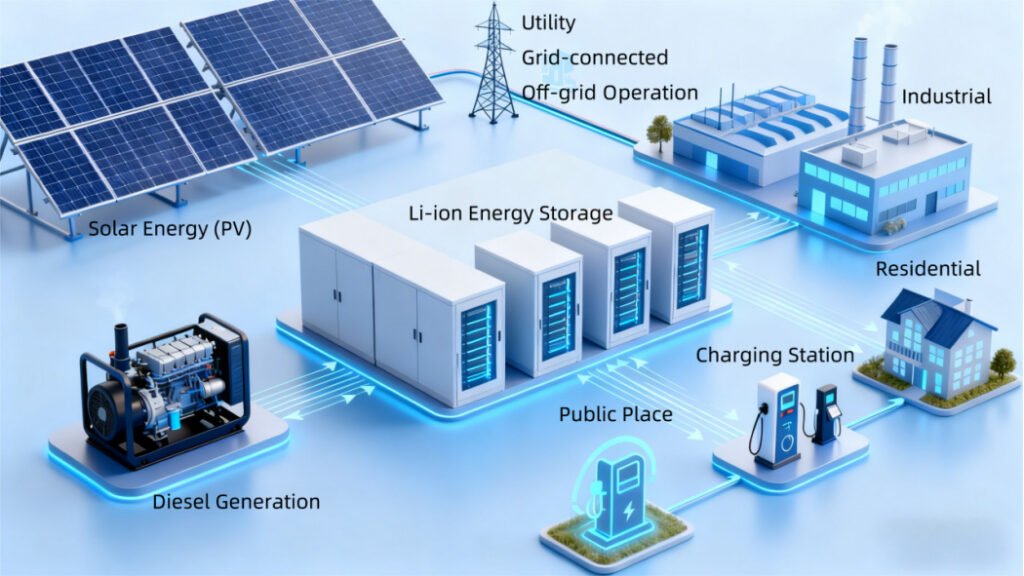
A microgrid is a small power system for one area. It can work alone or with the main grid. Microgrids help you use energy better and keep your building safe. You get more control than with a big grid.
Here is a table that shows what microgrids are and why they are important:
| Aspect | Description |
|---|---|
| Definition | Microgrids are small, local power systems. They can work alone or with the main grid. |
| Functionality | They serve places like hospitals, neighborhoods, or military bases. |
| Advantages | Microgrids help you manage energy better and stay strong if the main grid fails. |
Core Components
Microgrids need a few main parts to work well. Each part helps you get steady energy and keeps things running.
Distributed Energy Resources
Distributed energy resources are very important for microgrids. These include solar panels, wind turbines, and small generators. You can make your own energy close to where you use it. This means you do not have to depend only on the main grid. Using these resources lets you use more renewable energy and helps lower your carbon footprint.
Energy Storage
Batteries are a big part of microgrids. You use batteries to save extra energy for later. You can use this stored energy at night or when the grid is down. Energy storage helps keep the lights and machines on. Batteries work with other parts to give you steady power. You can also save money by using stored energy when prices are high. Hospitals and campuses pick energy storage because they always need power.
Control Systems
Control systems are like the brain of a microgrid. They watch how much energy you use and help you switch between sources. Control systems work with batteries and distributed energy resources to keep power steady. You can see alerts and data on screens if something needs fixing. Some key parts are isolation transformers, insulation monitors, alarms, displays, current transformers, and temperature monitors. These tools help keep your energy safe and steady.
Tip: If you connect all these parts well, your microgrid will work better and last longer.
Microgrid Operations
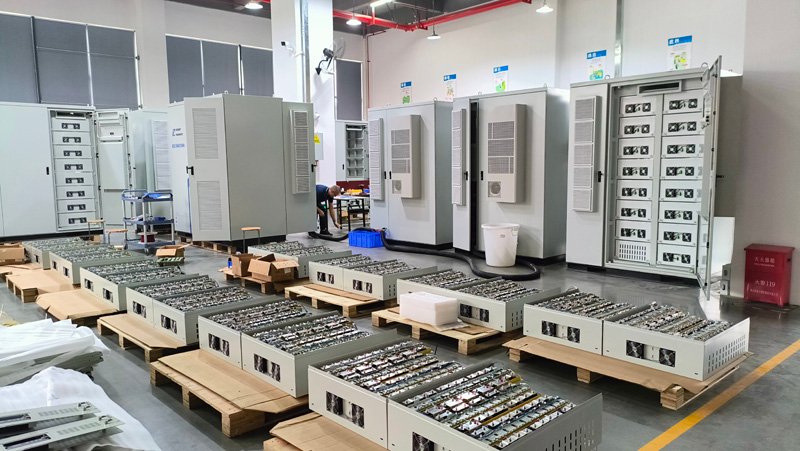
Understanding how microgrids work helps you see why they are so valuable for hospitals and campuses. Microgrids can change how they operate based on what your building needs. You can use them with the main grid or on their own. Let’s look at the main ways microgrids operate.
Grid-Connected Mode
In grid-connected mode, microgrids work with the main power grid. You use this mode most of the time. Your building gets energy from both the microgrid and the main grid. This setup lets you use local energy resources, like solar panels, while still having backup from the main grid.
- You can send extra energy from your microgrid back to the main grid.
- You can buy energy from the grid when you need more.
- You can lower your energy bills by using your own resources first.
Note: Grid-connected mode helps you save money and use more clean energy. It also gives you a backup if your local resources run low.
Islanded Mode
Islanded mode means your microgrid works alone. You use this mode during power outages or when you want full control. Your building gets all its energy from local sources, like batteries and solar panels. Hospitals and campuses use islanded mode to keep lights and machines on when the main grid fails.
- You do not rely on the main grid for energy.
- You use stored energy and renewables to keep things running.
- You protect important equipment and keep people safe.
Here is a table to show the difference between the two modes:
| Mode | Where Energy Comes From | When You Use It |
|---|---|---|
| Grid-Connected | Main grid + microgrid sources | Normal operation |
| Islanded | Only microgrid sources | During outages or emergencies |
Mode Transition
Mode transition is how microgrids switch between grid-connected and islanded modes. This switch can happen automatically or with your control. Fast and smooth transitions are important for hospitals and campuses. You do not want any loss of power during the switch.
- Control systems watch for problems in the main grid.
- If the grid fails, your microgrid switches to islanded mode right away.
- When the grid comes back, your microgrid reconnects and shares energy again.
Tip: Good control systems make sure your microgrid changes modes without any trouble. This keeps your building safe and your energy steady.
Microgrids give you the power to manage your own energy. You can keep your building running, save money, and use more clean energy. Understanding these operations helps you get the most from your microgrid.
Hospital Advantages
Uninterrupted Power
Hospitals need power that never goes out. Microgrids help keep lights and machines working, even if the main grid stops. This protects patients and staff from losing power suddenly. Microgrids give steady energy to important equipment. Hospitals use batteries and solar panels to make sure they always have enough energy. These systems save extra energy and give it back when needed.
Hospitals with microgrids can stop blackouts and keep all important systems on. You do not have to worry about losing power during storms or emergencies.
Compliance Support
Hospitals must follow many safety and power rules. Microgrids help you follow these rules by letting you control your energy. You can check how much energy you use and show proof for rules. Many hospitals use microgrids to help with reports and checks. Microgrids also let you add more renewable energy, which helps you meet green goals.
Here is a table that shows how microgrids help with rules:
| Compliance Area | How Microgrids Help |
|---|---|
| Power Reliability | Keeps backup systems ready |
| Reporting | Tracks energy use for audits |
| Green Standards | Supports renewable energy targets |
Emergency Readiness
Hospitals must be ready for any emergency. Microgrids give you tools to get ready for anything. You can use local energy if the main grid fails. This keeps operating rooms, labs, and patient care areas safe. Microgrids help you plan for disasters and recover faster. You can test your systems and train staff to use backup power.
- Microgrids help you:
- Act fast during outages
- Keep patients and staff safe
- Make sure important services keep working
Tip: Use microgrids to make a strong emergency plan. You will feel better knowing your hospital can handle any power problem.
Microgrids do more than give power. They help you follow rules, save lives, and stay ready for anything. You can lead in hospital safety and energy with a microgrid system.
Campus Advantages
Research Support
Microgrids help your campus do more research and try new things. They turn your campus into a place to test ideas safely. You can try out new projects before using them in real life. Many colleges use microgrids to study how to make the grid better. They also look at how batteries work and how to predict energy needs with artificial intelligence. For example, the University of Birmingham put in over 23,000 IoT sensors. This project lets students and teachers collect data right away and test new ways to solve problems.
| Evidence Description | Impact on Research Activities and Innovation |
|---|---|
| Campuses are places to try ideas before using them everywhere. | This gives more chances to study grid improvement, battery tests, and AI forecasting. |
| The University of Birmingham put in over 23,000 IoT sensors. | This project could cut almost 3,000 tonnes of CO2 each year and shows real results. |
Microgrids help your school lead in science and technology. Students can get real practice with energy systems.
Carbon Reduction
Microgrids help your campus use less carbon and care for the earth. You can use more solar panels and save extra power for later. This means you use less oil and gas and make less pollution. Many schools have seen big drops in carbon after getting microgrids.
| Metric | Value |
|---|---|
| Annual CO2 Savings | 75,699 tonnes of CO2 |
| Renewable Energy Capacity | 4.1 MWp |
| Peak Power Demand Reduction | 75% |
You can see how much cleaner your campus gets with microgrids. These systems help you reach green goals and show your community you care.
Tip: Use microgrids to prove you want a cleaner future. Students and teachers will be proud to be part of a green school.
Financial Benefits
Microgrids help you save money and plan your energy spending. You can use local energy to skip high bills. Microgrids let you store cheap energy and use it when prices rise. This helps you spend less and stop wasting energy. You also pay less for repairs because microgrids keep things working better.
- You can:
- Pay less for energy each month
- Stop losing money when power goes out
- Get more from your energy spending
Many schools use microgrids to stay strong with money for years. You can buy new tools and keep your campus running well.
Microgrids give you ways to control energy costs and help your school’s goals. You can focus on learning and research, not on power troubles.
Microgrid Planning
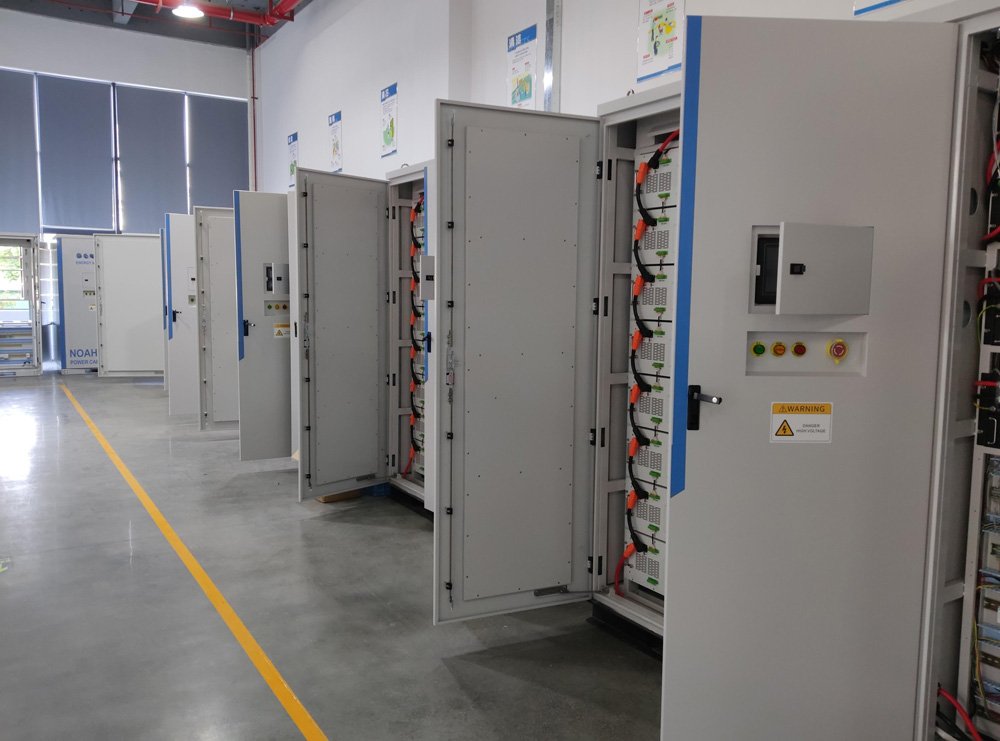
When you plan a microgrid for your hospital or campus, you follow clear steps. First, you look at your site. Then, you design your system. You also talk to the right people. Each step helps you make a strong energy system that works well.
Site Assessment
You start with a site assessment. This helps you know how much energy you need. You check how much power your building uses every day. You look for places to put solar panels or batteries. You also think about the weather and climate in your area. These things help you pick the best energy sources for your site.
Tip: Walk around your building and see where you can put solar panels or batteries. Write down which machines use the most energy.
Here is a simple checklist for your site assessment:
- Measure how much energy you use each day and at busy times.
- Find good spots for solar panels and batteries.
- Check how much sun and what weather you get.
- Look at your power system and backup choices.
System Design
After you finish your site check, you start designing your system. You pick the best technology for your needs. You decide how many solar panels, wind turbines, or batteries you want. You choose control systems to help you use energy and switch between sources. HDX gives you special solutions that fit your site and goals. Their team helps you pick the right energy resources and build a system that fits your budget.
You can use a table to compare different parts of your system:
| Component | Purpose | Example |
|---|---|---|
| Solar Panels | Make clean energy | Rooftop or ground-mounted |
| Battery Storage | Save energy for later | Lithium-ion batteries |
| Control Systems | Manage and monitor power | Smart controllers |
Note: A good system design lets you use more renewable energy and keeps your power steady.
Stakeholder Engagement
You need to work with important people when you plan your microgrid. This helps your project do well. You talk to government groups, grid companies, and energy businesses. You also work with standards groups and industry associations. These groups help you follow rules and use new technology. They help you use grid forming technologies, which make your microgrid stronger and more stable.
- Working with stakeholders helps you:
- Use clean energy faster.
- Make your power system more stable.
- Fix energy problems with new ideas.
- Build a system that helps your community.
Callout: When you work with everyone, you make a microgrid that helps the planet and meets your needs.
HDX works with all the important people and gives you special solutions. Their team helps you plan, design, and build a microgrid that fits your site and goals. You get a system that is strong, works well, and is ready for the future.
Microgrid Implementation
Installation
You start your microgrid journey with installation. This step brings your plan to life. You see workers set up solar panels, batteries, and control systems. Each part has a place and a purpose. You watch as cables connect your new energy sources to your building. Safety comes first. The team follows strict rules to protect people and equipment.
You can expect these main steps during installation:
- Site Preparation: Workers clear and prepare the area for equipment.
- Equipment Delivery: Trucks bring solar panels, batteries, and control units.
- System Assembly: Teams install each part in the right spot.
- Wiring and Connections: Electricians connect everything safely.
- Initial Testing: The team checks that all parts work together.
Tip: Stay in touch with your project manager. Ask questions if you see something you do not understand.
Commissioning
Commissioning makes sure your microgrid works as planned. You see experts test every part of the system. They check if the solar panels make enough power. They test the batteries to see if they store and release energy. The control system gets a full check. You want to know your microgrid will work when you need it most.
Here is a table that shows what happens during commissioning:
| Task | Purpose |
|---|---|
| System Inspection | Find and fix any problems |
| Performance Testing | Make sure each part works well |
| Safety Checks | Confirm the system is safe for everyone |
| Grid Connection Test | See if the microgrid links to the grid |
| Islanding Test | Prove the system can run on its own |
Note: Commissioning gives you peace of mind. You know your hospital or campus will have reliable power.
Training
Training helps you and your team use the microgrid with confidence. You learn how to monitor energy use. You see how to switch between grid and islanded modes. You practice what to do if there is a problem. HDX provides clear guides and hands-on lessons.
You can expect:
- Step-by-step instructions for daily use
- Safety tips for handling equipment
- Practice drills for emergencies
- Support contacts for questions
Callout: Good training means you get the most from your microgrid. Your staff will know how to keep your building safe and efficient.
You finish the implementation stage ready to use your new energy system. You have the tools and knowledge to manage your microgrid every day.
Microgrid Management
Monitoring
You need to watch your microgrid every day. This helps you know if it works well. Monitoring shows how much energy you use. It also shows how your system is doing. Smart control panels give you real-time data. You can see problems early and fix them fast. Alerts warn you if something is wrong.
Many microgrids use special software. This software lets you see your whole energy system. You can check power use, battery levels, and solar output. Some systems use predictive analytics to help you plan ahead. These tools help you stop outages before they happen. You can also change settings to fit what you need.
Here is a table that lists important features of good monitoring systems:
| Feature | Description |
|---|---|
| Comprehensive Control | Easy-to-use interface helps you manage and watch your microgrid. |
| Real-time Monitoring | Shows how your system is working right now. |
| Optimisation Algorithms | Smart tools help save energy and lower costs. |
| Predictive Analytics | Helps you spot problems before they start. |
| Energy Resilience | Keeps power on during outages. |
| Customisation | Lets you set alerts and settings for your needs. |
| Seamless Integration | Works with your current equipment easily. |
Tip: Use real-time monitoring to find problems early and keep your microgrid working well.
Maintenance
You need to take care of your microgrid often. Regular checks keep it safe and working. You should look at batteries, solar panels, and control systems. Cleaning panels and testing batteries help them last longer.
Smart microgrids use technology to make care easier. Some systems use AI to find safety risks early. Cooling and insulation protect your equipment from damage. Good design keeps your system strong and safe.
Here is a table that shows ways to care for your microgrid:
| Level | Strategy |
|---|---|
| Cell Level | Pick battery cells from top suppliers and test them well. |
| Use AI to find safety problems during use and making. | |
| Pack Level | Use fast cooling and insulation to protect batteries. |
| Container Level | Design racks to stop gas from building up. |
| System Level | Use special setup to stop problems during high voltage times. |
Note: Checking your microgrid often and using smart design keeps it safe and ready for anything.
Upgrades
Your microgrid should change as your needs grow. Upgrades let you add new tech or more power. You might want more solar panels or bigger batteries. You can also update your control system to work better.
When you plan upgrades, look at how much energy you use. Think about what you will need later. Experts can help you pick the best upgrades. Upgrades help you save more energy and keep your system up to date.
- Reasons to upgrade your microgrid:
- Add more renewable energy
- Make battery storage better
- Use smarter control systems
- Meet new safety rules
Callout: Upgrading your microgrid helps your hospital or campus stay ready for the future and reach your energy goals.
Challenges and Solutions
Technical Barriers
You may face technical barriers when you start using microgrids. Some buildings have old wiring or equipment that does not work well with new systems. You might see problems when you try to connect solar panels, batteries, and control systems. Sometimes, you need special skills to set up and run these systems. You also need to make sure your microgrids can switch between grid power and local power without any trouble.
HDX helps you solve these problems. Their team checks your site and finds the best way to add new technology. They use smart control systems that make switching between power sources easy. You get training and support, so you know how to use your microgrids every day. In the Philippines, HDX built a solar-storage microgrid that works with large solar panels and a big battery. This project shows how you can use new technology, even in places with special needs.
Tip: Always ask for a site check before you start. This helps you find and fix problems early.
Financial Challenges
Money can be a big challenge when you want to use microgrids. The first cost for solar panels, batteries, and control systems can seem high. You may worry about how long it will take to save money with your new system. Some schools and hospitals do not have extra funds for big projects.
You can look at different ways to pay for your microgrids. Some groups use grants or loans. Others work with partners who help pay for the system and share the savings. HDX offers flexible payment plans and helps you find the best way to fund your project. In Mali, HDX set up an off-grid microgrid that keeps power on during outages. This project used smart planning to make sure the system fit the budget and needs of the area.
Here is a table that shows ways to handle costs:
| Funding Option | How It Helps You Save Money |
|---|---|
| Grants | Gives you money you do not pay back |
| Loans | Lets you pay over time |
| Partnerships | Shares costs and savings |
| Flexible Payments | Matches payments to your budget |
Note: Good planning and the right partners help you get the most from your energy investment.
Healthcare Solutions
Hospitals need microgrids that work all the time. You must keep lights, machines, and life-saving tools running. Microgrids give you steady energy, even if the main grid fails. You can use solar panels and batteries to make sure you always have power. HDX gives you solutions that fit your hospital’s needs. They help you plan, install, and manage your microgrids.
In Bangladesh, HDX set up a microgrid with energy storage to help hospitals use more green energy. This project shows how you can use microgrids to cut costs and lower pollution. In Malaysia, HDX helped factories use microgrids for peak shaving and to follow local rules. These examples show that you can use microgrids in many ways to solve your energy problems.
Callout: Microgrids help you keep your hospital safe, save money, and use clean energy. You get peace of mind and a better future for your patients.
Campus Solutions
You want your campus to have energy that is always there. You also want it to be clean and not cost too much. Microgrids help you reach these goals, but there can be problems. Many campuses worry about using new energy with old buildings. You might not know how to pay for upgrades or handle new systems. HDX gives you help with these problems.
Common Campus Challenges:
- Old power systems do not work well with new things.
- Solar panels and batteries cost a lot at first.
- You need trained people to run the microgrid.
- Rules and standards are different in each place.
HDX helps you fix these problems with smart ideas. Their team looks at your campus and finds the best way to add microgrids. You get a system that matches your needs and your budget.
Tip: Begin with a small project first. You can add more solar panels or batteries later if you need them.
How HDX Supports Your Campus:
| Challenge | HDX Solution | Example |
|---|---|---|
| Old Infrastructure | Custom system design for easy integration | Malaysia factory project |
| High Upfront Costs | Flexible payment plans and funding support | Mali off-grid microgrid |
| Lack of Expertise | Training and ongoing support for your staff | Bangladesh energy storage |
| Changing Regulations | Compliance help and future-ready technology | Philippines solar-storage case |
You can see real results from campuses and factories around the world. In Malaysia, HDX helped a factory use microgrids to save money when energy was expensive. In Bangladesh, HDX set up batteries so schools and businesses could use more green energy. In the Philippines, HDX built a microgrid with big solar panels and batteries. This project shows you can use new technology, even if your campus is different.
Callout: Microgrids help your campus save money, lower carbon, and stay strong during outages. You can focus on learning and research, not on power problems.
You do not have to fix these problems by yourself. HDX works with you every step of the way. You get a microgrid that grows with your campus and meets your energy goals. With the right partner, your campus can lead in clean and reliable energy.
Recommendations
Getting Started
You can begin your journey with microgrids by learning about your current energy needs. Start by checking how much power your building uses each day. Look at your energy bills and see when you use the most electricity. Walk around your site and find good spots for solar panels or batteries. Make a list of your main goals. Do you want to save money, use more clean energy, or keep power on during outages? Write down your answers. This helps you know what you need from microgrids.
Tip: Take small steps first. You can start with a simple system and add more parts later.
Expert Partnerships
You do not have to do everything alone. Working with experts helps you get the best results from microgrids. Find a company that knows about microgrid solutions and has experience with hospitals or campuses. Ask them to visit your site and give advice. Good partners help you design, install, and manage your energy system. They also train your staff and answer your questions. HDX offers support at every step, from planning to daily use.
Here is a table to help you choose the right partner:
| What to Look For | Why It Matters |
|---|---|
| Experience with microgrids | They know how to solve problems |
| Custom solutions | Your site gets what it needs |
| Training and support | Your team learns to use the system |
| Proven results | You see real success stories |
Callout: The right partner makes your microgrids project easier and more successful.
Future-Proofing
You want your microgrids to work well for many years. Plan for growth by choosing systems that can expand. Pick technology that lets you add more solar panels or batteries later. Use smart control systems that update as new features come out. Keep learning about new energy trends and rules. Ask your partner about upgrades and new options. This helps your microgrids stay strong as your needs change.
- Ways to future-proof your microgrids:
- Choose scalable systems
- Use smart controls
- Plan for new energy sources
- Stay updated on technology
Note: When you plan ahead, your microgrids will keep your building safe, save money, and use clean energy for years to come.
You can make your hospital or campus stronger by using a microgrid. This system gives you steady power, saves money, and helps the planet. Start by checking your energy needs and talk with experts to plan the best system. Take action now to build a safer and greener future for everyone.
FAQ
What is a microgrid?
A microgrid is a small energy system. It makes and manages power for a building or group of buildings. You can use it with the main grid or by itself.
How does a microgrid help during a power outage?
A microgrid keeps your lights and machines on when the main grid fails. You use stored energy or local sources like solar panels. This helps you stay safe and keep working.
Can you add more solar panels or batteries later?
Yes! You can start small and add more solar panels or batteries as your needs grow. Microgrids are flexible and can change with you.
Is a microgrid hard to manage?
No. Smart control systems make it easy for you to watch and manage your energy. You get alerts and simple tools to help you every day.
How do microgrids save money?
You use your own energy first. This lowers your bills. You also avoid losing money during outages. Over time, you spend less on repairs and energy.
Do microgrids help the environment?
Yes. Microgrids use clean energy like solar power. You lower your carbon footprint and help protect the planet.
Who can help you set up a microgrid?
You can work with experts like HDX. They help you plan, install, and manage your microgrid. You get support at every step.