You can save money on energy by using a microgrid. Many people say they get steady power, more energy freedom, and better control of bills. Microgrids help you use energy wisely and keep your work safe. Towns and groups get real help from microgrids:
| Benefit Type | Description |
|---|---|
| Cost Control | Take charge of energy costs to save money. |
| Sustainability | Make your actions better for the planet. |
| Increased Resiliency | Make your energy and work stronger and safer. |
Key Takeaways
- Microgrids let people make and store energy nearby. This helps you spend less money on energy. When you use a microgrid, you can control your energy costs better. You also get to decide how much energy you use. Smart management systems help you use energy in the best way. This means you can save even more money. You do not have to depend as much on the main power grid. This can make your utility bills go down. If you add solar or wind energy, you can save more money. Battery storage lets you use energy when it is cheaper. This helps you save the most money. Microgrids give you backup power if there is an outage. This keeps you safe and comfortable. Community microgrids let people share costs and benefits. This makes it easier for everyone to save money on energy.
Microgrid Basics for Cost Savings
What Is a Microgrid
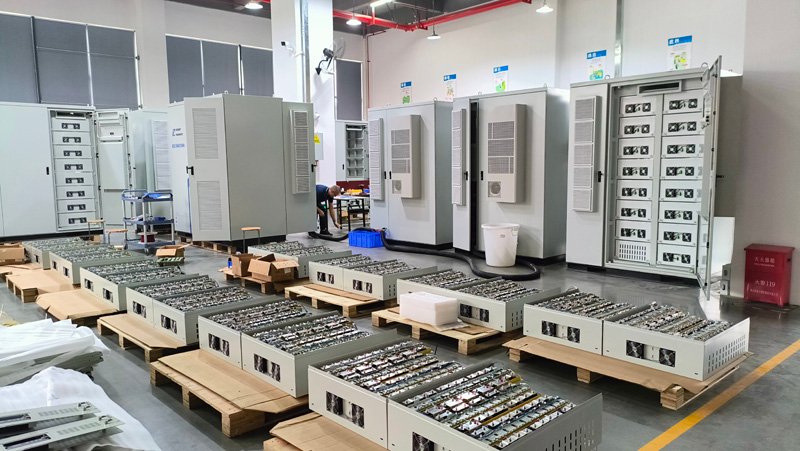
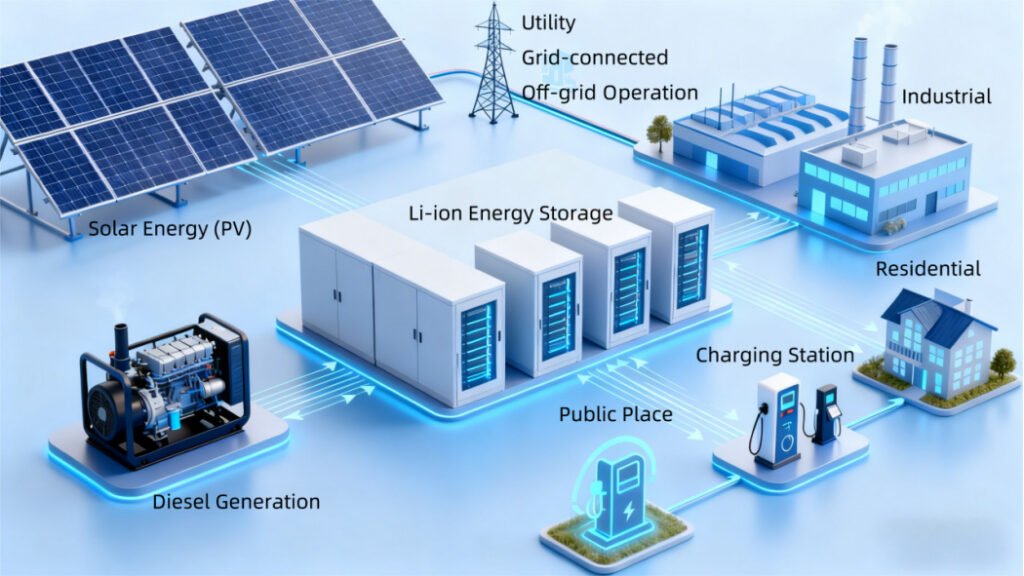
A microgrid is like your own small power system. It can work for homes, schools, hospitals, or communities. You can make, store, and use energy where you need it. You do not have to rely only on the big power grid. This gives you more control and helps you save money.
A microgrid has some important parts that help you spend less:
- Local energy production: You make energy close to where you use it. This lowers the cost of moving power far away.
- Energy storage systems: Batteries keep extra energy. You can use this energy when prices go up or when the main grid stops working.
- Advanced management systems: Smart controls help you use energy when it costs less. These systems help you avoid wasting energy.
Tip: Microgrids can keep your lights on during storms or outages. This helps you stay safe and comfortable.
Microgrid vs. Traditional Grid
You might wonder how a microgrid is different from the traditional grid. The traditional grid sends power from far away. It loses energy as it travels. You pay for these losses and for big power plants that use fossil fuels. A microgrid lets you manage your energy in a better way.
Here is a simple table to show the differences:
| Aspect | Microgrids | Traditional Grids |
|---|---|---|
| Operational Efficiency | More reliable, efficient, and flexible | Less efficient because energy is lost in transmission |
| Cost Control | Lower costs because energy comes from many places | Higher costs because energy comes from big plants and losses |
| Emissions | Less pollution with renewable sources | More pollution from fossil fuel-based power |
| Backup Power Capability | Backup power during outages | Limited backup, depends on big power sources |
Microgrids give you more reliable power and help you control costs. You also help the planet by using cleaner energy. You get backup power when you need it most. This makes a microgrid a smart way to save money and keep your energy steady.
If you want to control your energy costs, learn about microgrids. You can ask experts for help or find solutions that fit your needs. With a microgrid, you get more freedom and lower bills.
How Microgrids Optimize Energy Use
Smart Management Systems
A smart management system can make your microgrid work better. This system lets you control how much energy you use. It also helps you pick the best time to use energy. Companies like UCS Group and Schneider Electric have different models for different needs. These systems use AI to check market data and help you save money.
- You get controls that change your energy use for you.
- The system looks at prices and tells you when to use energy.
- You can see your energy use right away.
Here is a table that shows some ways microgrids manage energy:
| Method | Description | Benefits |
|---|---|---|
| Alternating Direction Method of Multiplier | A way to manage energy in parts of the microgrid. | Cuts costs and boosts efficiency. |
| Predictor-Corrector Proximal Multiplier | Another way to manage energy in the microgrid. | Gives lower costs than older methods. |
Real-Time Monitoring
Real-time monitoring lets you watch your energy use all the time. This tool shows you where you use the most energy. You can find problems fast and fix them before they cost you money. You can see which machines or rooms use the most power. You can turn off things you do not need.
Tip: Use real-time monitoring to find waste and lower your bills.
Load Shifting
Load shifting means you use energy when prices are low. You can run big machines or charge batteries when energy is cheaper. This makes your microgrid work better. You save money by using energy at the right times.
- Run heavy equipment at night or early morning.
- Charge batteries when prices drop.
- Use stored energy during peak hours.
Efficiency and Waste Reduction
You can make your microgrid work better by cutting waste. Smart controls help you use only the energy you need. You do not pay for energy you do not use. The energy management system helps you find waste and fix it fast.
- Turn off lights and machines when not in use.
- Use sensors to control heating and cooling.
- Store extra energy for later use.
A microgrid helps you use energy in a smart way. You get more control and pay less for energy. You can watch your savings grow as your system gets better.
Renewable Integration in Microgrids
Solar and Wind Sources
You can put solar panels and wind turbines in your microgrid. These help you make your own power at home or school. You do not have to use only the main grid. Using solar and wind can lower your bills and help nature.
Here are some steps to add renewables to your microgrid:
- Find out how much sun and wind your area gets.
- Pick the best renewable energy generation systems for you.
- Put solar panels or wind turbines where they work well.
- Connect them to your microgrid for local power.
Note: Solar panels work best in sunny places. Wind turbines are good where wind blows a lot.
A microgrid with renewables gives you more control. You can use clean power and save money. You also help your town use less outside energy.
Energy Storage Benefits
Battery Storage
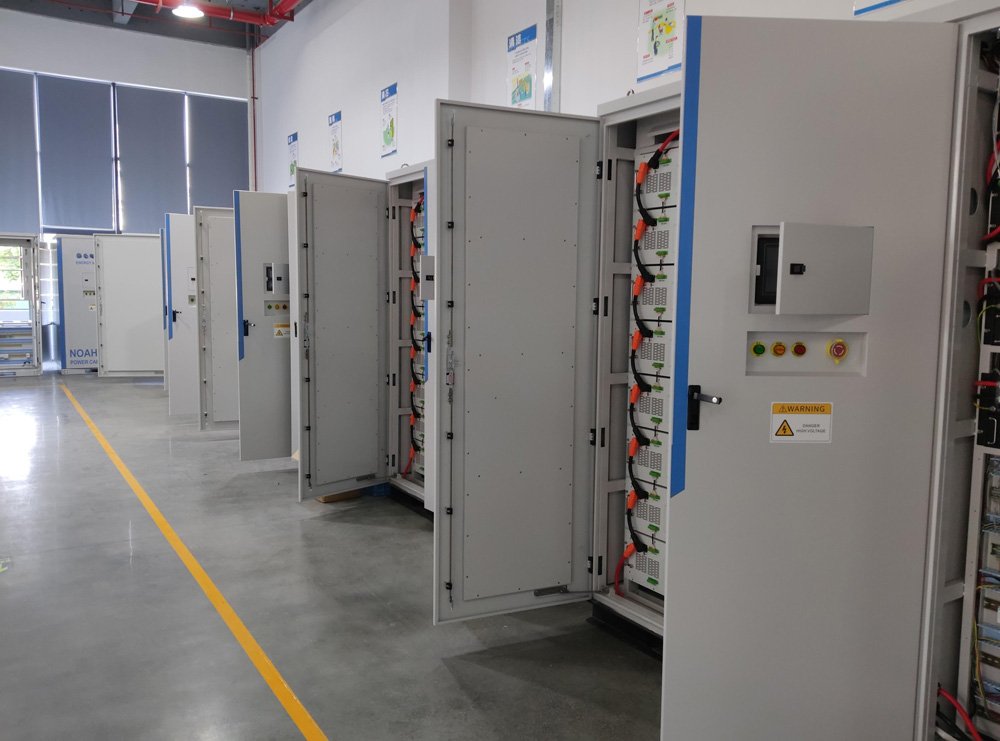
You can make your microgrid better with battery energy storage systems. These batteries keep extra energy from your solar panels or wind turbines. You can use this stored energy when you need it most, like during busy times or blackouts.
Here are some ways battery energy storage systems help you:
- Make your power system stronger by putting batteries in smart spots.
- Lower your costs and make your microgrid work better.
- Help your whole system manage energy and stay reliable.
You can store more energy if you pick the right batteries. This lets you keep power for later. You get steady power even when the sun is not out or the wind is not blowing.
Time-of-Use Savings
You can save money by using energy storage technologies to change when you use energy. Store energy when prices are low. Use it when prices are high. This helps you avoid big bills.
Here is a simple table to show how time-of-use savings work:
| Time | Action | Benefit |
|---|---|---|
| Off-Peak Hours | Store energy | Lower costs |
| Peak Hours | Use stored energy | Avoid high prices |
You can set your microgrid to charge batteries when energy is cheap. Use stored energy when it costs more. This helps you control your energy costs and keeps your power steady.
Tip: Use energy storage technologies to get the most from your renewable energy generation systems.
You can build a microgrid that uses renewables and storage to lower your bills. You get steady power and help the earth. Start by picking the best renewable energy sources and energy storage technologies for you.
Reducing Grid Dependence
Lower Utility Rates
You can lower your utility rates by using a microgrid. When you produce your own energy, you do not have to pay high prices from the main grid. You can use local sources like solar panels or wind turbines. This helps you avoid extra charges that come from moving power long distances.
Here is how you can save money:
- Check your current energy bill and see when rates are highest.
- Set up your microgrid to use local energy during peak hours.
- Store extra energy in batteries for later use.
- Use stored energy when utility rates go up.
You can also join with neighbors or businesses to build a shared microgrid. This spreads out the cost and helps everyone save. Many people see their bills drop when they use a microgrid as their main backup power source.
Tip: Ask your energy provider about special rates for microgrid users. Some companies offer discounts if you use less grid power.
A microgrid gives you more control over your energy costs. You decide when and how to use your backup power source. This makes your bills easier to manage.
Outage Protection
You can protect yourself from outages by using a microgrid. When the main grid fails, your microgrid keeps your lights on. You do not have to worry about losing power during storms or accidents.
Microgrids use smart tools to keep your energy flowing:
- Self-healing grid: This system checks for problems and fixes them fast. It keeps your microgrid stable and stops blackouts from spreading. You get steady energy and lower costs.
- Automatic Fault Analysis (AFA): This tool finds faults quickly. It shows where the problem is and helps fix it. You spend less time without power and save money on repairs.
You can set your microgrid to act as a backup power source. When the main grid goes down, your microgrid starts working right away. You keep your home, school, or business running.
Here is a table showing how microgrids help during outages:
| Feature | What It Does | Benefit |
|---|---|---|
| Self-healing grid | Fixes problems automatically | Less downtime |
| Automatic Fault Analysis | Finds faults fast | Lower repair costs |
| Backup power source | Keeps power on during outages | No lost work or comfort |
Note: You can use your microgrid to protect important equipment and keep your family safe.
You can depend less on the main grid and more on your own energy system. This gives you peace of mind and helps you save money every month.
Microgrid Services and Real-World Savings
Residential and Business Case Studies
You can save money by using microgrid services at home or work. HDX gives you microgrid solutions to help control your energy costs. These systems keep your power steady and fit your needs. HDX has helped people and companies in many places. Some university campuses use microgrids to keep lights on and pay less for power. Hospitals use microgrids to protect important equipment and always have power. Commercial centers use microgrids to manage energy and avoid high bills during busy times.
Here are some ways microgrid services help you:
- You get steady power for your mission-critical facility.
- You can use local energy like solar panels and batteries.
- You avoid outages and keep your business open.
- You save money by using energy when it is cheaper.
Tip: Ask HDX for a custom microgrid solution for your home or business. You get expert help and a system that works for you.
Community Microgrid Projects
You can work with neighbors or groups to build a community microgrid. HDX offers microgrid services to help towns and communities use more of their own energy. You share the costs and the benefits with others. HDX has finished projects in many places. In the Philippines, HDX built a solar-storage microgrid for a neighborhood. In Mali, HDX made an off-grid energy storage system for a mission-critical facility. These microgrids help solve local problems and make energy use better.
HDX’s microgrid services fix problems many communities face. Here are some of these challenges in the table below:
| Challenge | Description |
|---|---|
| Limited Visibility | Hard to watch low-voltage and islanded grids, especially with DERs behind the meter. |
| Voltage Regulation Issues | Reverse power flows can cause voltage problems. |
| Fragmented Monitoring Systems | Old systems do not have all the data in one place. |
| Increased Complexity | Hybrid microgrids with changing energy and demand are harder to run. |
You can use microgrid services to fix these problems. HDX gives you tools to watch your energy, control voltage, and manage complex systems. You get one system that helps your mission-critical facility stay safe and work well.
Note: Microgrid services can protect your mission-critical facility from outages and help your community stay strong.
HDX’s microgrid solutions give you emergency power when you need it most. You can trust HDX to give you microgrid services that fit your needs and help you save money.
Cost vs. Savings Analysis
Upfront Investment
You start your microgrid journey by looking at the upfront investment. You need to plan for equipment, installation, and setup. HDX helps you understand these costs before you begin. You can choose the right system for your needs. You see clear pricing and know what you pay for. You get a system that fits your energy goals and budget.
Tip: Ask HDX for a detailed quote. You can compare options and pick the best one for your home, business, or community.
Payback and ROI
You want to know how fast your microgrid pays for itself. HDX designs systems that help you save money every month. You use local energy sources and smart controls. You lower your bills and see savings grow over time. You can earn extra income by selling energy back to the grid or providing services. HDX helps you track your return on investment (ROI) so you see real results.
Here is a table showing how HDX’s microgrid solutions maximize your savings and ROI:
| Benefit | Explanation |
|---|---|
| Savings on electricity costs | You use energy when it is cheaper and avoid high prices. |
| Additional source of income | You can sell extra energy or offer services to the grid. |
| Sustainability and emission reduction | You meet your green goals and save money by cutting pollution. |
| Safety and resilience | You keep power during outages and protect important equipment. |
| Cost optimization | You use advanced controls to manage energy and boost efficiency. |
Note: You can see payback in a few years, depending on your energy use and system size.
Incentives and Financing
You can lower your upfront costs with incentives and financing. Many places offer rebates for clean energy systems. HDX helps you find these programs and apply for them. You can use loans or payment plans to spread out costs. You get support from HDX to make the process easy.
- Look for local, state, or federal incentives.
- Ask HDX about financing options.
- Use rebates to cut your investment.
You can start your microgrid project with less money upfront. You get help every step of the way. You see savings on your energy bills and enjoy a reliable power supply.
Tip: Check for new incentives each year. You can save even more as programs change.
You can control your energy costs and plan for long-term savings. HDX gives you tools to manage your investment and maximize your return. You build a system that works for you and your community.
Getting Started with Microgrid Services
Assessing Your Needs
You start your microgrid journey by looking at your current energy use. Think about how much power you need each day. Write down your main goals. You may want to lower bills, keep power during outages, or use more clean energy. Look at your building, equipment, and future plans. Ask yourself if you want to grow your business or add more homes later.
Tip: Make a list of your energy needs and goals. This helps you choose the right microgrid system.
You should also check your local climate and resources. If you have lots of sun or wind, you can use these for your microgrid. Talk to your team or community about what matters most. This helps everyone work together for better results.
Choosing a Provider
You need a provider who understands your needs and offers reliable solutions. HDX stands out as a leader in microgrid services. HDX works with partners like the Carlyle Group to build and maintain microgrids for many types of users. HDX has helped bus depots run electric fleets, supported healthcare facilities with 24/7 power, and improved bakeries with solar microgrids.
Here are some reasons to choose HDX:
- HDX provides tailored, turnkey microgrid solutions.
- HDX has a strong track record with projects like Brookville Bus Depot and Daughters of Mary healthcare facility.
- HDX helps reduce carbon emissions and solve waste management issues.
You can trust HDX to design, build, and support your microgrid. You get expert help from start to finish.
Planning for Growth
You should plan for future changes in your energy needs. Microgrid systems must handle more supply, storage, and demand as you grow. Demand-side management helps you control how much power you use and when you use it. You can add new equipment or buildings without worry.
Here are important planning steps:
- Understand how supply, storage, and demand change over time.
- Use demand-side management to control loads and shape user behavior.
- Engage your local community and get technical support for long-term success.
You can consult with HDX or similar providers to make your microgrid fit your needs. Follow these steps:
- Meet with experts to design your microgrid system.
- Upgrade old equipment for better performance.
- Inspect and test your system before starting.
- Keep your system running with regular maintenance.
Note: Good planning helps your microgrid grow with you. You get reliable energy and save money as your needs change.
You can build a strong microgrid system with help from HDX. You get a solution that fits today and tomorrow.
You can get microgrid energy system benefits by managing your energy use. You get steady power. You pay less for energy. You stay safe from outages. HDX helps you build a system that works for you. You can use incentives to make your project easier:
| Incentive Type | Description |
|---|---|
| Green Investment Tax Allowance (GITA) | Businesses get help to use green technology. |
| Corporate Renewable Energy Supply Scheme (CRESS) | Corporations can buy renewable energy right from the source. |
| PETRA Grants | Grants support microgrid projects in rural areas. |
You can contact HDX or another provider to begin your energy journey. Take steps to gain energy independence and save money for the future.
FAQ
What is a microgrid and how does it work?
A microgrid is a small power system that lets you make, store, and use energy locally. You can use solar panels, batteries, and smart controls to manage your energy.
How do I start using a microgrid at home?
You begin by checking your energy needs. You talk to a provider like HDX. You choose the right system and install solar panels or batteries.
Can a microgrid help me save money every month?
Yes! You use local energy sources and smart controls. You avoid high utility rates and lower your bills. You see savings grow as you use your microgrid.
What happens if the main grid goes down?
Your microgrid keeps your lights on. You use stored energy from batteries. You stay safe and comfortable during outages.
Do I need special equipment for a microgrid?
You need solar panels, batteries, and a smart management system. HDX helps you pick the best equipment for your needs.
Can I use a microgrid with my neighbors?
Yes! You can build a community microgrid. You share costs and benefits. Everyone gets steady power and lower bills.
Are there incentives for installing a microgrid?
You can get rebates, grants, or tax breaks. HDX helps you find programs and apply for them. You save money on your investment.
How do I keep my microgrid running well?
You check your system often. You use real-time monitoring. You ask HDX for support and maintenance. You keep your energy steady and costs low.