If you have been watching the energy market lately, you know that the “future” of energy isn’t coming—it is already here. As we move into 2026, the residential energy storage landscape has shifted dramatically. Gone are the days when a home battery was just a luxury item for tech enthusiasts or doomsday preppers. Today, with fluctuating utility rates, frequent extreme weather events, and the global push for carbon neutrality, a home battery system is becoming as essential as a refrigerator or an HVAC system.
At HDX Energy, we talk to homeowners and installers every single day. The question we hear most often isn’t “Should I get a battery?” It’s “Which battery system is actually worth my money?”
The market is flooded with options. From the marketing giants like Tesla to the engineering powerhouses like BYD, and specialized solutions like our own HDX lineups, the choices can be overwhelming.
In this comprehensive guide, we are cutting through the noise. We have analyzed the top contenders for 2026 based on efficiency, depth of discharge (DoD), chemistry safety (LiFePO4), warranty, and price-per-kWh. Whether you are looking for a sleek All-in-One Battery Energy system or a robust custom stack, here are the top 10 home battery systems defining 2026.
The Criteria: How We Ranked the Best Systems for 2026
Before we dive into the list, you need to know the yardstick we are using. In 2026, a “good” battery isn’t just about holding a charge. It’s about intelligence, longevity, and safety. Here are the non-negotiables:
- Chemistry Matters (LiFePO4 vs. NMC): By 2026, Lithium Iron Phosphate (LiFePO4) has definitively won the war for residential storage. Unlike the older Nickel Manganese Cobalt (NMC) batteries found in earlier EVs, LiFePO4 is safer (no thermal runaway), lasts longer (6000+ cycles), and is eco-friendlier. All HDX Energy products exclusively use this superior chemistry.
- Round-Trip Efficiency: How much energy do you lose when storing and retrieving power? We looked for systems offering >90% efficiency.
- Modular Scalability: Your energy needs today might not be your needs tomorrow. The best systems allow you to start small (e.g., 5kWh) and stack up (to 20kWh+).
- Smart Integration: Can the battery talk to your solar inverter, your EV charger, and the grid to sell power back at peak prices (VPP ready)?
- Cost-Effectiveness: We are looking at the Levelized Cost of Storage (LCOS)—not just the sticker price, but the cost over the battery’s 15-20 year life.
The Top 10 Home Battery Systems of 2026
Here is the definitive ranking, blending industry titans with high-performance challengers.
1. Tesla Powerwall 3
The Mass Market Standard The Powerwall remains the “iPhone” of batteries—slick, integrated, and ubiquitous. The Powerwall 3 (released broadly by late 2024/2025) integrated the solar inverter directly into the unit, simplifying installation.
- Pros: High brand recognition, integrated inverter, excellent software app.
- Cons: Long wait times, higher price point, and historically uses NMC chemistry (though shifting), which has a shorter cycle life compared to LFP.
2. HDX Energy All-in-One ESS Series
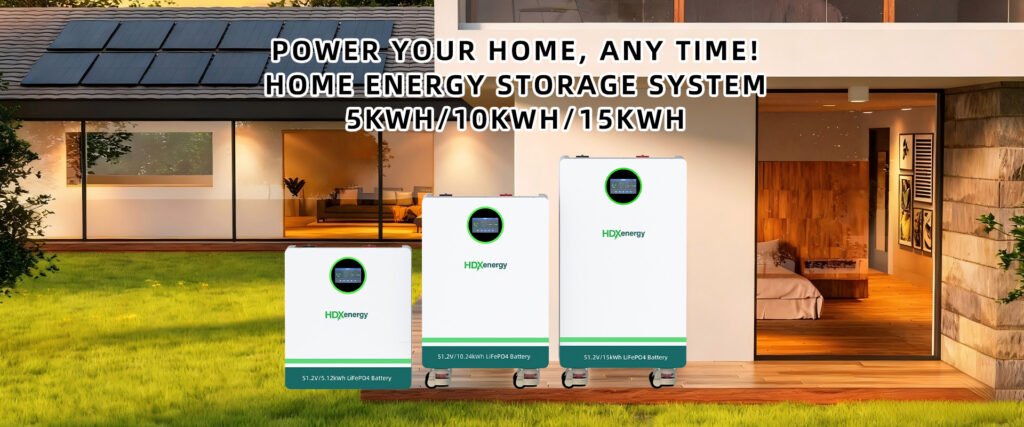
The Best Value & Integration Champion We might be biased, but the data speaks for itself. Our All-in-One Battery Energy systems are designed specifically for the 2026 homeowner who wants a “plug-and-play” experience without the premium brand tax.
- Why it wins: It combines a hybrid inverter and high-grade LiFePO4 modules in one aesthetic cabinet. No mismatched equipment, no messy wiring.
- Key Feature: Supports seamless switching to off-grid mode in <10ms.
- Best For: Modern homes looking for a clean, space-saving install.
3. Enphase IQ Battery 5P
The Microinverter King For homes already using Enphase microinverters on their roof, this is the logical choice. It’s an AC-coupled battery known for extreme reliability.
- Pros: unparalleled communication with Enphase solar systems, very safe LFP chemistry.
- Cons: Can be expensive if you don’t already have an Enphase system; lower capacity per unit requiring multiple blocks.
4. HDX Energy Floor-Standing Lithium Battery
The Flexible Powerhouse Sometimes, you just need raw, reliable storage capacity without the bells and whistles of an integrated inverter. Our Floor-Standing LithiumBattery is the workhorse of the industry.
- Why it wins: It’s compatible with 90% of hybrid inverters on the market (Deye, Growatt, Victron, etc.).
- Capacity: Massive scalability. You can parallel these units to power a mansion or a small farm.
- Best For: Custom solar setups and savvy homeowners who want to choose their own inverter.
5. BYD Battery-Box Premium
The Modular Favorite BYD is a global giant. Their “stackable” Lego-like battery modules allow users to physically stack capacity blocks.
- Pros: High voltage efficiency, no wiring between modules (wireless plug connection).
- Cons: Availability can be spotty in certain North American regions; support can be slower than local providers.
6. LG Energy Solution RESU Prime
The Legacy Contender LG has been in the game a long time. The RESU Prime series offers high capacity (10kWh and 16kWh options).
- Pros: Compact footprint, recognized brand.
- Cons: Historically strict regarding operating temperatures; often requires a specific compatible inverter list.
7. HDX Energy Rack-Mounted Server Battery
The DIY & Off-Grid Hero While some want a white appliance that looks like a fridge, others want pure engineering performance. Our LiFePO4 Battery rack modules (48V/51.2V) are the top choice for off-grid cabins, server rooms, and serious DIY enthusiasts.
- Why it wins: Lowest cost per kWh on this list. Period.
- Best For: Those building a 48V server rack system or replacing old lead-acid banks.
8. FranklinWH
The Smart Energy Management Choice FranklinWH focuses heavily on their “Gate” (smart controller). Their battery, the aPower, is robust, but the real magic is how it controls your home’s circuits.
- Pros: Excellent generator integration, 12-year warranty.
- Cons: Proprietary ecosystem; you are locked into their hardware.
9. SonnenCore+
The Luxury Option Sonnen is often called the “Mercedes” of batteries. German engineering, focusing on grid stability and virtual power plants.
- Pros: incredibly long cycle life guarantees, eco-mode software.
- Cons: Very high price point. Hard to justify the ROI compared to an HDX or BYD system.
10. Growatt ARK Series
The High-Voltage Challenger Growatt has surged in popularity due to affordability. Their ARK high-voltage battery system is efficient and stacks nicely.
- Pros: Good price, works perfectly with Growatt inverters.
- Cons: The aesthetic is a bit industrial; customer service response times vary.
Technical Showdown: Comparing the Specs (2026 Data)
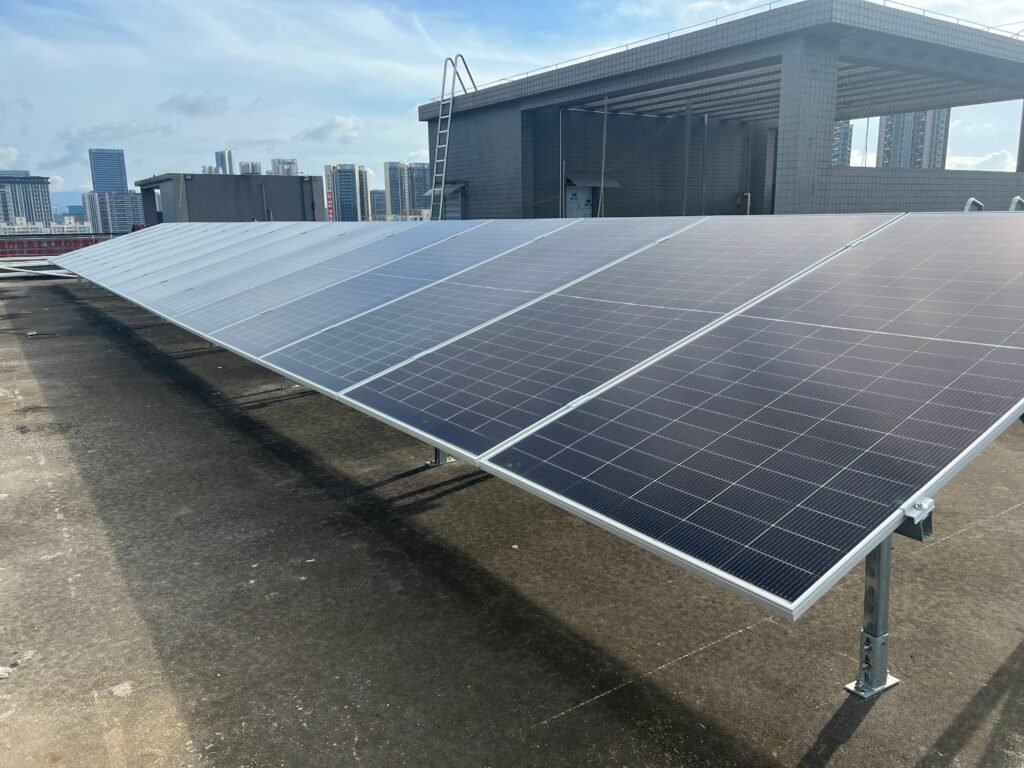
To help you make an informed decision, let’s look at the numbers. Note: Data is based on standard 2026 market averages.
| Feature | HDX All-in-One | Tesla Powerwall 3 | Enphase IQ 5P | BYD Premium HVS |
|---|---|---|---|---|
| Chemistry | LiFePO4 (Safest) | LFP / NMC (Mix) | LiFePO4 | LiFePO4 |
| Usable Capacity | 5kWh – 40kWh (Scalable) | 13.5 kWh | 5.0 kWh | 5.1 – 12.8 kWh |
| DoD (Depth of Discharge) | 95% – 100% | 100% | 100% | 100% |
| Cycle Life | 6000+ @ 80% Retention | ~3500 – 5000 | 6000+ | 6000+ |
| Inverter Included? | Yes (Hybrid) | Yes | No (Microinverters) | No |
| Warranty | 10 Years | 10 Years | 15 Years | 10 Years |
| Estimated Price | (Best Value) | $ |
Data Insight: As you can see, the Home Battery Storage solutions from HDX Energy offer the same Tier-1 performance metrics (LFP chemistry, high DoD) but typically at a 20-30% lower price point than the big marketing brands.
Why 2026 is the Year of the “Whole Home” Ecosystem
In the past, you bought a battery just to keep the lights on. In 2026, the trend is Energy Ecosystems.
The Rise of EV Integration
Your car is now a big battery. Systems that can integrate with Electric Vehicle Charging Stations are winning the market. Imagine charging your EV with free solar power stored in your HDX battery, or (in the near future) using your EV to power your house during a blackout.
High Voltage vs. Low Voltage
We are seeing a massive shift toward High Voltage (HV) battery systems for residential use. While traditional 48V systems (Low Voltage) are still great for off-grid and safety, HV systems offer greater efficiency for grid-tied homes because they require less current to move the same amount of power. This means thinner cables and less heat loss.
External Resource: Read more about High Voltage vs. Low Voltage Batteries at Clean Energy Reviews.
Installation and ROI: Is a Home Battery Worth It?
The biggest hesitation for most homeowners is the upfront cost. However, market dynamics in 2026 have changed the ROI calculation significantly.
1. The Drop in Lithium Prices
Thanks to massive supply chain improvements in China (where HDX Energy manufactures), the cost of LiFePO4 cells has dropped significantly. We pass these savings directly to our partners and customers.
2. Time-of-Use (TOU) Arbitrage
Utilities are getting aggressive with peak pricing. Electricity might cost 0.15/kWhatnoonbut0.55/kWh at 6 PM.
- The Strategy: Your Solar Energy Storage System charges from the sun (free) or the grid (cheap) during the day. It discharges during the expensive evening hours.
- The Result: Many of our customers reduce their electric bill to zero or even credit, paying off the battery system in 5-7 years.
3. Energy Security
What is the price of not having power? For a remote worker, a business owner, or a family in a hurricane zone, the value of continuous power is priceless.
How to Choose the Right System for Your Unique Needs
There is no “one size fits all.” Here is our quick recommendation guide:
- For the “Set It and Forget It” Homeowner: Go for an All-in-One system. It looks good in the garage and handles everything automatically.
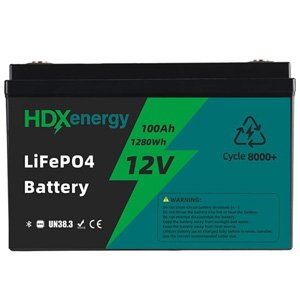
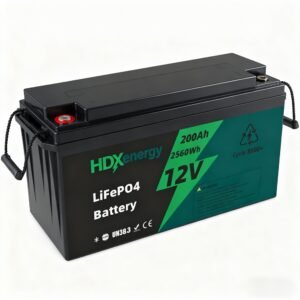
- For the Custom Builder / DIY Enthusiast: Look at our 12V LiFePO4 Battery or 48V Rack Mounts. You get total control over the voltage and capacity.
- For Portable Needs: Don’t forget, not all storage needs to be bolted to a wall. If you need power for camping or emergency backup for an apartment, check out a Portable Power Station.
Conclusion
The 2026 battery market is vibrant, safe, and more affordable than ever. While brands like Tesla and Enphase continue to drive awareness, companies like HDX Energy are driving accessibility and value.
We believe that high-quality energy storage shouldn’t be exclusive. By leveraging top-tier LiFePO4 technology, rigorous safety testing, and direct manufacturing, we provide the systems that power homes around the world.
Ready to upgrade your energy game? Whether you need a custom solution for a business or a reliable battery for your home, our team of engineers is ready to help.
👉 Contact HDX Energy Today to get a quote on the best battery systems of 2026.
Frequently Asked Questions (FAQs)
Q1: How long do home batteries last in 2026? A: Modern LiFePO4 batteries, like those from HDX Energy, are rated for 6000+ cycles. If you cycle the battery once a day, that is over 15 years of service life before the capacity degrades noticeably (usually to 80%). They will likely continue working for 20+ years.
Q2: Can I run my air conditioner on a home battery? A: Yes, but you need a system with high power output. A single small battery might not start a central AC unit. You would typically need a system rated for at least 5kW–7kW continuous output, or stack multiple Floor-Standing LithiumBattery units to handle the surge current.
Q3: Is LiFePO4 really safer than other lithium batteries? A: Absolutely. LiFePO4 (Lithium Iron Phosphate) has a very stable chemical structure. It is extremely resistant to thermal runaway (catching fire) even if punctured or overheated, making it the safest choice for residential indoor installation.
Q4: Can I add more batteries later if my needs change? A: Most modern systems are modular. For example, with HDX Energy’s storage solutions, you can start with one 5kWh module and add more later as your family grows or you buy an EV. Always check the “parallel capability” of the system you buy.
Q5: Do I need solar panels to use a home battery? A: No! While they work best together, you can install a standalone battery system. It can charge from the grid when electricity is cheap (off-peak) and discharge when it’s expensive (peak), or simply serve as backup power during outages.