
Comparing Cost, Reliability, and Flexibility
Explore the differences between hybrid and residential solar systems.
| Features | Residential Solar Energy System | Hybrid Solar Power System |
|---|---|---|
| Upfront Cost | Lower initial installation cost. | Higher due to batteries and controls. |
| Backup Power | Requires batteries for backup. | Includes built-in battery backup. |
| Grid Interaction | Primarily connects to the grid. | Works on-grid and off-grid. |
| Maintenance Needs | Lower maintenance requirements. | More parts require regular checks. |
| Flexibility | Limited scalability options. | Easily expandable with batteries. |
| Energy Storage | No energy storage capability. | Stores energy for later use. |
| Performance During Outages | Limited performance without grid. | Reliable power during outages. |
| Smart Features | Basic monitoring available. | Advanced monitoring and control. |
| Long-Term Savings | Faster payback period. | Potentially higher savings over time. |
You want to find out which system is the best deal. If you want to save money, the residential solar energy system usually costs less at first. If you want power during blackouts or more control, hybrid solar power systems are more reliable and flexible. Your choice depends on if you need backup power, want to spend less, or want to upgrade later. This comparison helps you pick the right one.
Key Takeaways
- Residential solar energy systems cost less to set up. This makes them a good pick for people who want to save money.
- Hybrid solar power systems give backup power during blackouts. Your home will still have power if the grid goes down.
- You can add more parts to both systems later. But hybrid systems let you upgrade batteries and add more panels more easily.
- With residential systems, net metering can help you. You can get credits for extra energy you send to the grid.
- Hybrid systems let you use stored energy when electricity costs more. This can help you spend less money on power.
- Hybrid systems have smart features for better energy control. You can see how much energy you use right away.
- Look for local deals and rebates. These can lower the first costs of both solar systems a lot.
- Pick a system that fits your energy needs and plans. Think about if you want to save money or have more energy safety.
Residential Solar Energy System Overview
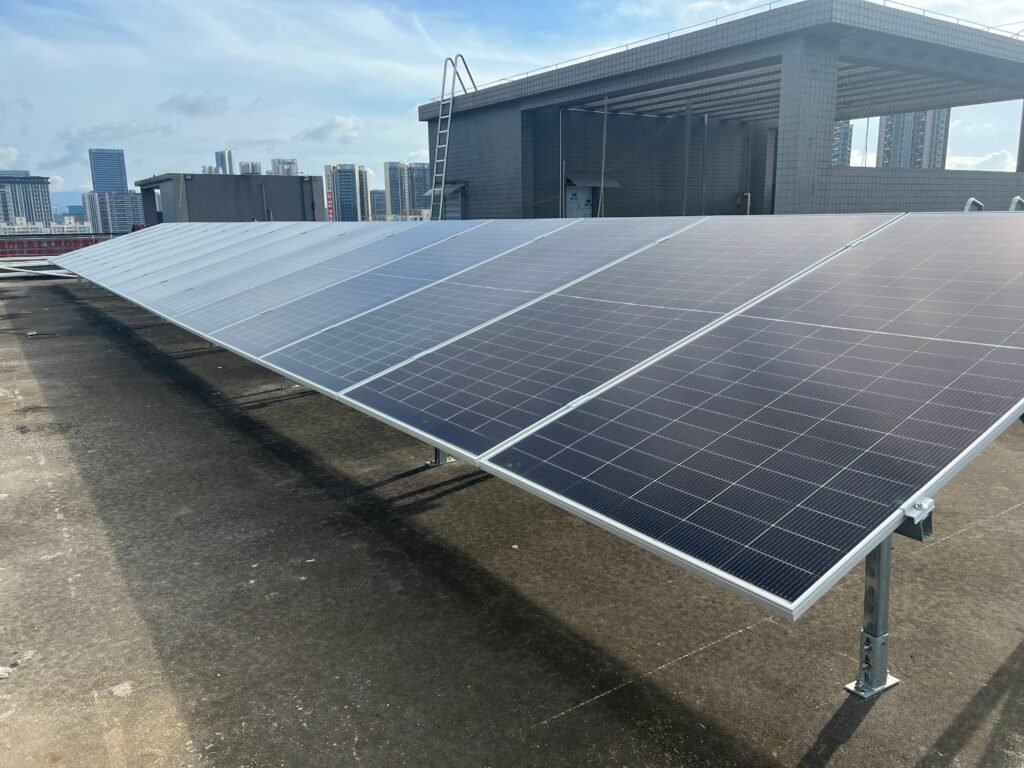
A residential solar energy system lets you use sunlight for power at home. You can pay less for electricity and help the planet. This system links to the electrical grid. You can send extra energy to the grid and get credits on your bill.
Key Components
There are several main parts in a residential solar energy system. Each part works together to give your home clean energy.
| Component | Description |
|---|---|
| Solar Panels | Photovoltaic modules that convert sunlight into electricity. |
| Inverter | Converts DC electricity from solar panels into AC electricity for household use. |
| Grid Connection | Connects the AC electricity to the electrical grid, allowing excess electricity to be sent back. |
| Net Metering | A billing arrangement that credits owners for excess electricity contributed to the grid. |
| Mounting Structure | Framework that secures solar panels for optimal sunlight exposure. |
| Metering and Monitoring | Tracks electricity generation and usage, allowing homeowners to monitor their energy production. |
Solar Panels
Solar panels go on your roof or in your yard. They catch sunlight and make electricity. You need enough panels for your home’s needs.
Inverter
The inverter changes the electricity from the panels. It makes the power safe for your home. Your appliances work well because of the inverter.
Grid Connection
Your system links to the local power grid. If you make more electricity than you use, you send it to the grid. Net metering gives you credits for this extra power.
How It Works
Solar panels collect sunlight. The inverter turns it into power you can use. If you need more electricity, you get it from the grid. If you make extra, you send it back and earn credits. You can watch your energy use with special tools.
Typical Applications
Most people pick a residential solar energy system to save money and help the earth. You can use it for:
- Powering lights, appliances, and electronics
- Lowering your monthly utility bills
- Getting credits for extra energy sent to the grid
Tip: You can begin with a small system. Add more panels later if you need more power.
Here is a quick look at cost and limits:
| Aspect | Details |
|---|---|
| Cost-Effectiveness | You save money over time, but it costs a lot to install. |
| Performance During Outages | You get power even when the national grid goes out. |
| Limitations | High starting costs, battery needs, limited storage, and maintenance are needed. |
A residential solar energy system is a smart way to use renewable energy. You save money in the long run. But you might lose power during outages if you do not have batteries. You can compare these features with hybrid solar power systems to see which one is best for you.
Hybrid Solar Power System Explained
Hybrid solar power systems help you control your home’s energy. You get steady power and can use energy in different ways. These systems use solar panels, batteries, and smart inverters together. You use sunlight for power, save extra energy, and switch between grid and off-grid.
Main Features
Hybrid solar systems have special features that regular solar systems do not. Here is a simple comparison:
| Feature | Hybrid Solar Systems | Traditional Solar Systems |
|---|---|---|
| Battery Storage | Yes, stores extra energy for later use | No, only uses grid power |
| Inverter Type | Hybrid inverters control power flow | Standard inverters |
| Grid Interaction | Works on-grid and off-grid | Mostly on-grid |
| Backup Power | Gives backup during outages | No backup power |
| Installation Complexity | More parts make it harder to install | Easier to install |
| Cost Savings | Uses less grid power, lowers bills | Depends on grid prices |
Battery Storage
You can keep extra solar energy in batteries. This gives you power at night or when it is cloudy. If the grid stops working, your home still has electricity. You use stored energy when prices go up, so you save money.
Grid and Off-Grid Modes
Hybrid systems let you pick between grid power and stored energy. You can use your own power during outages. When your batteries are full, you send extra energy to the grid. This helps you control how you use energy.
Operation
A hybrid solar system works in three steps. First, solar panels collect sunlight and make electricity. Second, extra energy fills up your batteries. Third, when batteries are full, you send extra energy to the grid.
When demand is high, you use stored energy instead of buying expensive power. If there is a blackout, your system uses battery power. You get electricity all the time without stopping.
Tip: Hybrid systems can use both solar and wind power. This means you get energy even when the sun is not out. You can change your system to fit your needs.
Common Uses
People pick hybrid solar systems for many reasons:
- You want backup power if the grid goes out.
- You want to pay less for electricity.
- You want to use stored energy when prices are high.
- You want to use less grid power.
- You want to make your home’s energy use better.
Hybrid solar power systems help you feel safe. You know your home will have power when you need it. You can change your system as your needs grow. Hybrid solar is a good choice for families who want flexible and steady power.
Cost Comparison
When you compare a residential solar energy system with a hybrid solar power system, you need to look at the costs from start to finish. This includes what you pay at the beginning, how much you spend on maintenance, and how much you save over time.
Upfront Costs
Equipment & Installation
You will notice a difference in the price tag when you first buy and install each system.
- A residential solar energy system usually costs less to install. You only need solar panels, an inverter, and the basic setup to connect to the grid.
- A hybrid solar power system costs more at the start. You need batteries, a special inverter, and extra wiring. The batteries and advanced controls add to the price.
Note: The cost of batteries is the main reason hybrid systems cost more. If you want backup power, you pay more at the beginning.
Permits & Incentives
Both systems need permits before you can install them. The cost for permits depends on where you live. You may pay a few hundred dollars for paperwork and inspections.
You can lower your costs with incentives:
- Federal and state governments offer tax credits for solar installations.
- Some local programs give rebates or cash back.
- Utilities may offer special rates or net metering, which gives you credits for extra power you send to the grid.
Tip: Incentives can cover a big part of your upfront costs. Check what is available in your area before you decide.
Maintenance
Routine Care
Both systems need some care to keep working well.
- You should clean your solar panels a few times a year.
- You need to check the inverter and wiring for problems.
- Most solar panels last 25 years or more with little upkeep.
Hybrid systems have more parts, so you may need to check the batteries and smart controls. This adds a small amount to your yearly costs.
Battery Replacement (Hybrid)
If you choose a hybrid solar power system, you need to think about battery life.
- Most batteries last 7 to 15 years.
- You will need to replace them at least once during the life of your solar panels.
- Battery replacement costs can be high, so plan for this extra expense.
Callout: If you want backup power, batteries are worth the cost. If you want the lowest price, a residential solar energy system without batteries is the better choice.
Long-Term Savings
Utility Bill Reduction
Both systems help you save money on your electric bills. Here is what you can expect:
- You can cut your monthly electricity expenses by 70% or more.
- You make your own power, so you buy less from the utility company.
- With net metering, you get credits for extra energy you send to the grid.
- Hybrid systems let you use stored energy when prices are high, which can save you even more.
Many homeowners see their bills drop a lot after switching to solar. Some even pay nothing for electricity each month.
Return on Investment
You want to know how long it takes to get your money back.
- A residential solar energy system usually pays for itself in 5 to 8 years.
- A hybrid solar power system may take longer because of the higher upfront cost and battery replacement.
- Over 20 years, both systems can save you thousands of dollars.
If you want the fastest payback, choose a simple residential solar energy system. If you want backup power and more control, a hybrid system gives you extra value for your money.
Remember: Your savings depend on your energy use, local rates, and how much sun your home gets.
Reliability During Outages
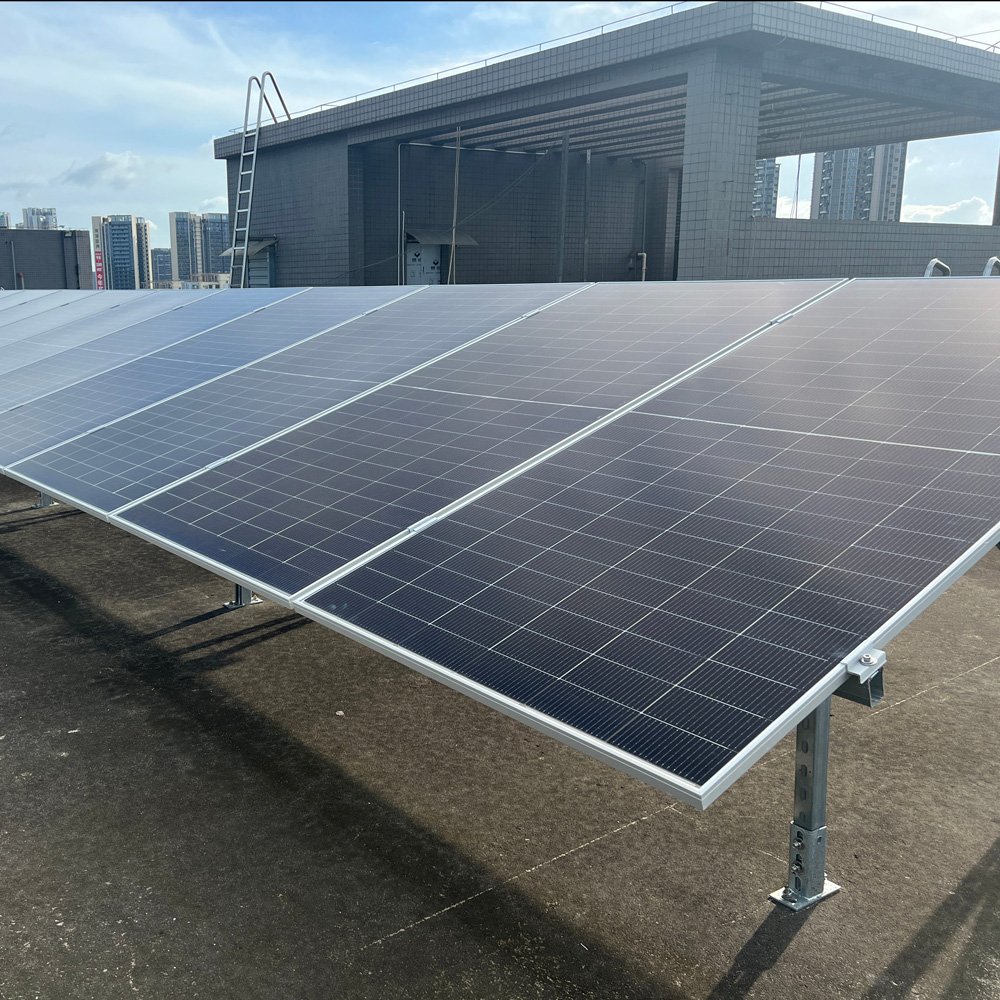
Residential Solar Energy System Reliability
A residential solar energy system gives your home clean power. Most systems connect to the grid. If the grid stops, your system might not work. You need batteries or special equipment for backup. It is important to know how your system works during outages.
Here are some facts about reliability:
- PV systems can give power during outages if they have backup.
- Good systems work well with just a little care.
- You can make your system bigger if you need more energy.
Most people pick grid-tied systems to save money. These systems need the grid for power all the time. If you want backup, you must add batteries or a special inverter. Without these, your system will not work in a blackout.
Note: Ask your installer about batteries or backup inverters if you want power during outages.
Hybrid System Backup Power
Hybrid solar power systems help you during outages. You get electricity even when the grid fails. These systems use batteries and smart controls to keep things running.
Blackout Performance
Hybrid systems work well in blackouts. You store extra energy in batteries. When the grid stops, your system uses battery power. You can keep using things like lights and fridges.
| Feature | Residential Solar Energy System | Hybrid Solar Power System |
|---|---|---|
| Backup Power | Needs batteries or special inverter | Built-in battery backup |
| Automatic Switching | Not standard | Yes |
| Power During Blackouts | Limited | Reliable |
You do not have to worry about losing power. Hybrid systems switch by themselves. You stay safe and comfortable.
Weather Resilience
Bad weather can cause outages. Hybrid solar power systems help you get ready for storms. Batteries save energy for cloudy days or long outages. You use solar power when it is sunny and battery power when it is not.
- Hybrid systems work in many kinds of weather.
- You get backup power during storms or heat waves.
- You can add more batteries for longer backup.
Tip: If you live where outages or bad weather happen a lot, hybrid solar power systems help you feel safe.
Hybrid systems are very reliable. You get backup power, automatic switching, and help in bad weather. You can look at these features and compare them to residential solar energy systems to see which is best for you.
Flexibility & Future-Proofing
When you pick a solar system, you want it to grow with you. You also want it to work with new technology in your house. Let’s look at how residential solar energy systems and hybrid solar power systems help you get ready for the future.
Scalability
You might need more power as your family gets bigger. You may buy new appliances too. Both systems let you add more, but they do it in different ways.
Adding Panels
Most systems let you add more solar panels. Hybrid solar power systems make this easier. Many hybrid inverters, like the SAKO SUNPOLO 8.2KW, let you use up to six inverters together. This means you can make your system bigger over time. You do not have to start over.
| Feature | Description |
|---|---|
| Inverter Model | SAKO SUNPOLO 8.2KW Hybrid Solar Inverter |
| Scalability | Supports up to 6 inverters in parallel |
| Application Flexibility | Allows for growth in system size |
A residential solar energy system can grow too. But you might have problems if your inverter cannot handle more panels. You may need a new inverter for a much bigger system.
Upgrading Batteries
Hybrid solar power systems let you add or upgrade batteries. You can begin with a small battery. Add more batteries later if you need them. This helps you save more energy for night or outages. Residential solar energy systems without batteries do not have this option.
Tip: If you want to get ready for electric cars or more appliances, pick a system that lets you add batteries easily.
Smart Home Integration
Many homes use smart technology to save energy. Both systems have smart features, but hybrid solar power systems have more.
Monitoring & Control
You can see your energy use with real-time monitoring. Hybrid systems give you better tools to check how much energy you make, use, and store. You can change settings to save money and make batteries last longer. Residential solar energy systems usually have simple monitoring.
| Feature | Description |
|---|---|
| Real-time Monitoring | See energy usage and storage instantly |
| Smart Energy Management | Store extra solar energy for later |
| UPS-level Switching Capability | Keep power on during outages |
| 6-stage Charge/Discharge | Optimize battery use and lifespan |
EV Charging
If you have an electric car, you want a system that can charge it. Hybrid solar power systems often have charging stations built in. You can use solar, battery, or grid power to charge your car. These systems work with AC and DC charging for different cars. Residential solar energy systems may only have basic AC charging and may not work with all EVs.
| Feature | Hybrid Solar Power Systems | Residential Solar Energy Systems |
|---|---|---|
| EV Charging Support | Integrated PV charging stations | Limited to home use, no EV integration |
| Charging Speed | AC and DC charging supported | Usually AC charging only |
Adapting to Energy Needs
Your energy needs can change as time goes on. You might add a home office, buy an EV, or get new appliances. Hybrid solar power systems make it easy to change. You can add panels, upgrade batteries, and connect smart devices. You get more control over your energy use. Residential solar energy systems can change too, but you may need upgrades for big changes.
Note: Picking a flexible system helps you save money and get ready for new technology.
Side-by-Side Comparison Table
Cost
When you look at the cost, there are big differences. Hybrid solar power systems cost more because they have batteries and extra parts. Residential solar energy systems cost less since they do not need batteries. The table below shows the main things that change the price:
| System Type | Cost Factors |
|---|---|
| Hybrid Solar System | Has battery backups, costs more overall |
| On-Grid Solar System | No batteries needed, costs less overall |
You pay more at first for a hybrid system. Batteries and smart controls make the price go up. You also need to think about replacing batteries later. If you want to save money now, pick a residential solar energy system. You only pay for panels, inverter, and setup. You do not need batteries unless you want backup power.
Tip: Look for rebates and tax credits in your area. These can help lower the starting cost for both systems.
Reliability
Reliability means your home stays powered. You want your lights and appliances to work during storms or blackouts. Hybrid solar power systems give backup power with batteries. If the grid goes down, your hybrid system still works. You do not have to worry about losing electricity.
Residential solar energy systems work well when the grid is fine. If the grid fails, your system stops unless you add batteries or a special inverter. You get clean energy most days, but you might lose power during outages.
- Hybrid systems give steady power, even in blackouts.
- Residential solar energy systems need the grid to work well.
Note: If you live where outages happen a lot, hybrid systems help you feel safer.
Flexibility
Flexibility means you can change or upgrade your system easily. You might want more panels, better batteries, or new devices later. Hybrid solar power systems make this easy. You can add more batteries or panels as you need. Many hybrid inverters let you connect more units. You can use smart features like real-time monitoring and EV charging.
Residential solar energy systems can grow too, but you may need a new inverter if you add lots of panels. You do not get many smart features unless you upgrade.
- Hybrid systems let you add new technology and grow easily.
- Residential solar energy systems can upgrade but may need extra parts.
If you want a system that grows with your family and new tech, hybrid solar power systems give you more choices.
Best Fit for Homeowners
Picking the right solar system depends on what you need. You should think about your budget and future plans. You want to get the best value for your money. Let’s see which system works for different homeowners.
If you want the lowest upfront cost:
A residential solar energy system is a good choice. This system helps you save money if you do not need backup power. Many people with small budgets pick this option. You pay less at first and still get clean energy. You can add more panels later if you need them.
Here is a simple table that shows which system fits each type of homeowner:
| Homeowner Type | Recommended System | Why It Fits Best |
|---|---|---|
| Budget-focused | Residential Solar Energy System | Lower upfront cost, easy to install |
| Backup power needed | Hybrid Solar Power System | Built-in battery, reliable during outages |
| Tech-savvy, future upgrades | Hybrid Solar Power System | Easy to expand, smart features |
| Small families, students | Residential Solar Energy System | Affordable, simple setup |
| Large homes, high energy use | Hybrid Solar Power System | Scalable, supports more devices |
Tip: If you have lots of blackouts or want to control your energy, a hybrid solar power system gives you more choices and keeps you safe.
If you want backup power and more control:
A hybrid solar power system is better for you. You get batteries to store extra energy. Your home has power even when the grid goes out. You can use smart tools to watch and manage your energy. This system is great for families who want to upgrade or add new tech like electric cars.
If you have a small home or a tight budget:
You should look for brands and setups that cost less. For example, air conditioning brands like Midea and Chigo are cheap and easy to install. These brands are good for students and small families. You can use the same idea for solar systems. Start with a basic residential solar energy system. Add more features later if you need them.
Note: Always check for rebates and incentives in your area. These can help you pay less and get more from your solar system.
Summary:
Pick a residential solar energy system if you want to save money now and do not need backup power. Choose a hybrid solar power system if you want energy security, smart features, and room to grow. Think about your budget, your energy needs, and your future plans. This helps you find the best system for your home.
You want to pick the right system for your house. If saving money is most important, a residential solar energy system is cheaper. If you want backup power and more control, a hybrid solar power system is better. Hybrid systems are more reliable and flexible than residential solar energy systems. Look at the table below to compare them:
| Feature | Hybrid Solar System | Residential Solar Energy System |
|---|---|---|
| Cost | Higher | Lower |
| Reliability | Very high | Depends on grid |
| Flexibility | Excellent | Limited |
Ask a solar expert before you choose. What you need and your plans for the future are very important.
FAQ
What is the main difference between hybrid and residential solar systems?
Hybrid solar power systems have battery backup. Residential solar energy systems connect to the grid. They do not store energy unless you add batteries.
Which system saves you more money over time?
Residential solar energy systems save you more if you do not need backup. Hybrid systems cost more at first. They help you avoid high electricity prices during busy times.
Can you add more solar panels to both systems?
You can add panels to both systems. Hybrid solar power systems make it easier to expand. Many hybrid inverters let you add more panels and batteries.
Do hybrid solar systems work during blackouts?
Hybrid solar power systems give you power during blackouts. Residential solar energy systems need batteries or special inverters to work when the grid fails.
Which system is better for smart home features?
Hybrid solar power systems have more smart home options. They offer advanced monitoring, control, and EV charging support.
How long do batteries last in a hybrid solar system?
Batteries in hybrid solar systems last 7 to 15 years. You may need to replace them once or twice while you use your solar panels.
Are both systems eligible for solar incentives?
You can get incentives for both systems. Federal and state programs give tax credits and rebates for solar installations.
Which system is easier to install?
Residential solar energy systems are easier to install. Hybrid solar power systems need more parts and wiring, so they are harder to set up.